
Pruning
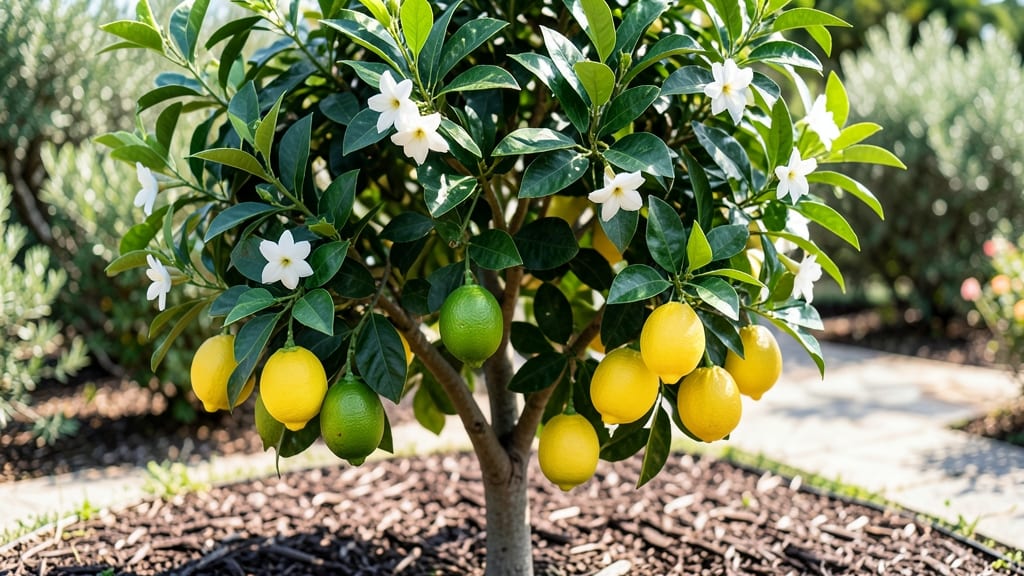
My lemon tree care tips start with one simple truth: pruning isn't just about shaping—it's the secret to juicier fruit and thicker foliage all year. 🌿 I learned this the hard way after my first tree produced tiny, bitter lemons because I ignored the branches growing straight up.
Those vertical stems steal energy from your harvest, and proper pruning fixes that in just 20 minutes every few months.
The real magic happens when you combine pruning with the right soil mix—well-draining but rich in organic matter—and a watering routine that mimics Mediterranean rainfall: deep soaks once a week in summer, less in winter.
Most people overwater, and soggy roots are the #1 reason lemon trees drop fruit before it ripens. I've seen trees recover from neglect, but you'll avoid that stress entirely with these basics.
By spring, you'll notice new growth pushing out from where you made cuts, and those branches will be loaded with bright green leaves and actual-sized lemons. The tree stays compact enough for containers or small yards, and the scent of fresh blossoms in spring?
That's the real reward—it smells like sunshine, even indoors.
Whether you're growing in a pot on your patio or in-ground in zone 9, the same principles apply. The key difference is winter care: outdoor trees need frost protection, while indoor trees just need a bright window. Here's how to keep yours thriving through every season without the guesswork.
📚 In This Guide
- What you need
- Instructions
- Tips and common mistakes
- Wrapping up and next steps
What you need
- ● Lemon tree sapling or mature plant – Choose a healthy variety like Meyer lemon (hardier) or Eureka (classic). Ensure it’s disease-free!
- ● Well-draining potting mix – 5-gallon bag of citrus-specific soil (or a mix of 60% potting soil, 30% perlite, and 10% compost). Pro tip: Avoid garden soil—it compacts and causes root rot! 🌡️
- ● Pot with drainage holes – 15–20 gallon container for mature trees (or a 5-gallon pot for young saplings). Terracotta or fabric pots work best!
- ● Pruning shears – Bypass pruners (sharp, 6–8" blades) for clean cuts. Sanitize with rubbing alcohol between cuts to prevent disease! ✨
- ● Gloves – Heavy-duty gardening gloves to protect from thorns and sap.
- ○ Pruning sealant – Optional but helpful: Tree wound dressing (like Tanglefoot) to seal large cuts and prevent pests.
- ● Fertilizer – Citrus-specific fertilizer (e.g., Miracle-Gro Citrus Food) or organic options like fish emulsion. Use every 4–6 weeks during growing season.
- ● Support stakes – 3–4 bamboo stakes + soft ties if your tree grows tall (prevents toppling!).
- ● Mulch – 2–3 inches of organic mulch (like straw or bark chips) to retain moisture and regulate soil temp.
- ● Humidity tray – A shallow tray with pebbles and water to boost humidity, especially indoors.
- ● pH test kit – To monitor soil pH (ideal range: 6.0–7.0). Lemon trees are picky!
Step-by-Step guide for pruning your lemon tree year-round
Here's how I keep my lemon tree thriving with simple, seasonal pruning—no green thumb required.
✂️ Step 1: Prune for Airflow and Light in Early Spring
Start your pruning 4-6 weeks before your last frost when new growth begins. Remove any dead, diseased, or crossing branches first—these compete for energy and invite pests. I always reach for my sterilized pruning shears and cut just above a leaf node where new growth can sprout.
Focus on thinning out crowded branches to improve airflow. You'll see thick clusters of leaves and fruit—this is where problems like fungus and pests hide. Aim to open up the center of the tree so sunlight reaches the inner branches. Don't worry about perfect symmetry; healthy growth matters more than shape.
☀️ Step 2: Shape and Encourage Fruit Production in Late Spring
Once your lemon tree flowers, it's time to shape for fruit production. Remove any suckers—those are the small shoots growing from the base or along the trunk. These steal energy from your fruit. I also trim back any branches growing toward the center; you want sunlight to reach all parts of the tree.
Look for branches with too many lemons—overloaded branches can snap. Thin out some fruit to leave 6-8 inches between each lemon. This ensures the remaining fruit grows larger and healthier. You'll know you're doing it right when you see new buds forming along the branches.
🌿 Step 3: Light Pruning for Maintenance in Summer
During the summer, your lemon tree grows fast, and pruning becomes about maintenance. Remove any dead leaves or branches immediately—they can harbor pests and diseases. I also trim back any new growth that's blocking sunlight from reaching the center of the tree.
Watch for branches that are growing too long or leggy. Cut them back by about one-third to encourage bushier growth. You'll notice new shoots forming at the nodes where you made your cuts—that's your tree responding to the pruning. Keep your shears clean and sharp to make clean cuts that heal quickly.
⏰ Step 4: Prepare for Dormancy in Fall
As temperatures drop and growth slows, focus on preparing your lemon tree for winter. Remove any dead or diseased branches first, then trim back any overly long branches by 20-30%. This helps the tree focus its energy on root growth and storing nutrients for next year.
Thin out any remaining fruit that didn't ripen over the summer. While lemons can tolerate cooler temperatures, they need energy to survive the winter, and unripe fruit can drain that energy. You'll see fewer leaves falling if you've pruned correctly—the tree will be better equipped to handle the colder months ahead.
✂️ Step 5: Minimal Pruning in Winter (If Needed)
Winter is the quietest time for your lemon tree, but you can still do light pruning if necessary. Remove any dead or broken branches, and trim back any branches that are rubbing against each other. This prevents damage and keeps the tree looking tidy.
If your lemon tree is outdoors in a cold climate, avoid heavy pruning. Instead, focus on keeping the tree healthy and protected. You'll see new growth starting in early spring, signaling that your pruning efforts paid off. Keep an eye out for any signs of stress, like yellowing leaves, and address those promptly.
Tips & tricks for perfect lemon tree pruning
Here's what I've learned after years of pruning my lemon tree—these tricks keep it thriving season after season.
Timing is Everything: That 4-6 week window before your last frost in Step 1 is critical. I check my local frost dates online and mark the calendar so I don't miss it. If you prune too early, you risk cold damage to fresh cuts; too late, and you delay spring growth. For me, that means starting in mid-March in my zone 9 climate, but adjust based on your location.
Tool Prep Prevents Problems: Sterilizing your pruning shears between cuts (I use rubbing alcohol on a cloth) prevents spreading diseases like citrus blight. I also sharpen my blades regularly—dull shears tear tissue, making wounds slower to heal. For thick branches, I use loppers with a bypass blade to make clean cuts without crushing the wood.
Fruit Spacing Secret: When thinning fruit in Step 2, I look for lemons that are slightly larger than others—these are the winners. Removing smaller ones gives the remaining fruit more space to grow. I also check for any fruit growing directly downward; these often fall off naturally, so I remove them early to save energy. The 6-8 inch spacing ensures good airflow and prevents fungal issues.
Seasonal Adjustments: In Step 4, I don't just trim by percentage—I look for branches that are growing toward the ground or blocking sunlight. These are my priority cuts for winter prep. For container-grown trees, I'm extra careful not to remove more than 20% of foliage, as they have limited root systems to support regrowth.
Pro Tips for Lemon Tree Care Tips
- Here's what I've learned after years of pruning my lemon tree—these tricks keep it thriving season after season.
- Timing is Everything: That 4-6 week window before your last frost in Step 1 is critical.
- Tool Prep Prevents Problems: Sterilizing your pruning shears between cuts (I use rubbing alcohol on a cloth) prevents spreading diseases like citrus blight.
Frequently asked questions
Got questions about keeping your lemon tree thriving?
Here are answers to the most common concerns—from pruning basics to troubleshooting—so you can enjoy luscious fruit and vibrant foliage year-round!
When is the best time to prune a lemon tree?
The ideal time to prune is late winter or early spring (just before new growth starts). This encourages healthy blooms and fruit production. Light pruning can also happen in summer to shape the tree, but avoid heavy cuts during flowering or fruiting seasons. Pro tip: Prune after harvesting lemons to redirect energy to new growth!
How much should I trim off my lemon tree?
Remove no more than 25% of the tree’s foliage in one session to avoid stress. Focus on:
- Dead, diseased, or crossing branches
- Suckers (shoots growing from the base or trunk)
- Overcrowded or inward-growing branches
Will pruning reduce my lemon harvest?
Not if done correctly! Pruning improves fruit quality by:
- Enhancing airflow (reducing fungal diseases)
- Encouraging larger, sweeter lemons
- Balancing energy between growth and fruiting
My lemon tree’s leaves are yellowing after pruning. Is this normal?
Mild yellowing can occur due to transplant shock or over-pruning, but it’s usually temporary. If leaves are dropping excessively or appear crispy:
- Check for pests (aphids, spider mites)
- Ensure it’s getting enough water (but not soggy soil)
- Adjust sunlight if leaves scorch (partial shade helps)
Can I prune a lemon tree in containers?
Yes! Container-grown lemon trees need more frequent pruning (every 3–6 months) due to limited space. Use the same techniques as above, but:
- Trim roots if they circle the pot (root prune every 2–3 years)
- Choose a slightly larger pot (15+ gallons for mature trees)
- Prune to fit your space—dwarf varieties stay compact naturally!
Wrapping up and next steps
Caring for your lemon tree is a rewarding journey that yields delicious fruit and lush foliage—and you’ve got all the tools to succeed! 🌿 From mastering the right pruning techniques to understanding seasonal needs, these tips ensure your tree thrives year-round.
Remember, consistency and patience are key, so don’t hesitate to roll up your sleeves and give your lemon tree the love it deserves.
Ready to take the next step? Start by scheduling your first pruning session this month—your future harvest will thank you! 🍋✨