
Pruning
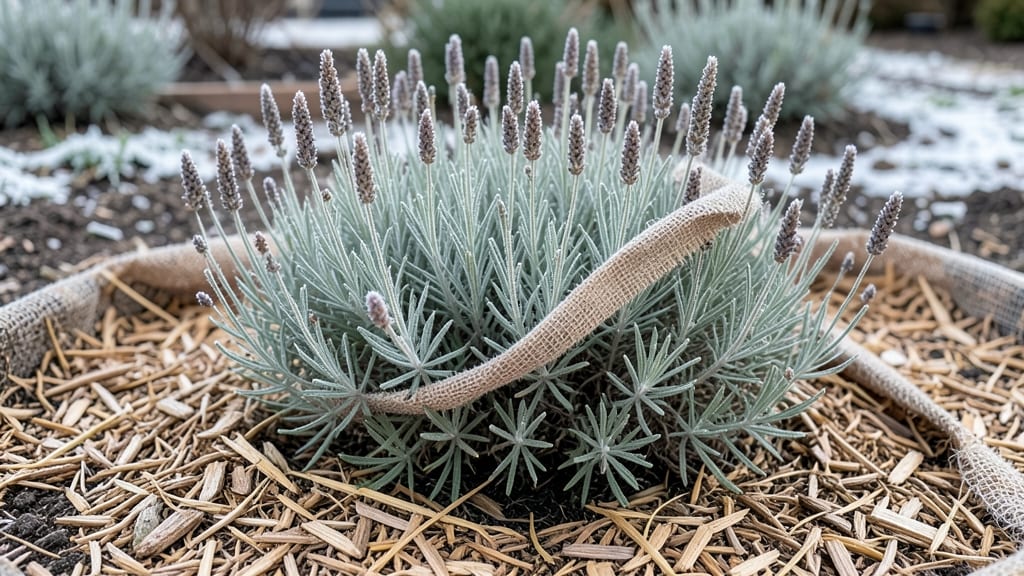
Your lavender tree winter care is essential to keep its delicate wood resilient against frost without turning brittle. ✨ I’ve learned the hard way that skipping pruning before cold snaps means woody stems cracking and dying back—so this is how I prep mine for Zone 5 winters without losing next year’s blooms.
The key is timing: prune after the first hard frost but before 20°F nights, when stems become too fragile. Use sharp shears to trim 1/3 of the oldest wood—this forces fresh growth in spring while preventing winter damage.
Mulch heavily with 3-4 inches of straw, leaving the base slightly uncovered to avoid rot. By spring, you’ll see vibrant new shoots where last year’s wood would’ve snapped. The fragrance returns stronger, and the plant grows denser and bushier than before.
Just avoid heavy pruning in fall—it stresses the plant when it’s already conserving energy. Works for all lavender varieties, from English lavender to Spanish lavender, even in colder regions. Here’s the step-by-step to keep yours thriving through dormancy.
📚 In This Guide
- What you need
- Instructions
- Tips and common mistakes
- Wrapping up and next steps
What you need
- ● Pruning shears: Sharp, clean, and bypass-style (avoid anvil shears—they crush stems). 1 pair
- ● Gloves: Heavy-duty, cut-resistant gloves (lavender thorns are real!). 1 pair
- ● Disinfectant: 70% isopropyl alcohol or a gardening disinfectant spray (to sterilize tools and prevent disease). Small bottle
- ○ Pruning saw (optional but helpful): For thicker stems (over ½ inch). 1 saw
- ● Mulch: Organic mulch like straw, wood chips, or shredded bark (2–3 inches deep). Enough to cover the root zone
- ● Watering can or hose: With a gentle spray nozzle (avoid soaking the plant). 1 unit
- ○ Label or marker: To tag pruned sections (if saving cuttings for propagation). Optional
- ● Weather check: Prune on a dry, calm day (avoid frost or rain within 24 hours).
- ● Timing: Late winter or early spring (just before new growth starts).
- ● Safety first: Wear long sleeves/pants if your lavender is spiky!
- ● Tool prep: Sharpen shears and disinfect before and after use.
- ● 🔥 Sterilize tools between cuts to avoid spreading fungal diseases.
- ● ✨ Save cuttings for propagation—lay them in a shady spot to dry for a few days before planting.
- ● 🌡️ Mulch lightly—too much can suffocate roots in winter.
Step-by-step guide to pruning lavender trees for winter survival
Winter can be brutal on lavender trees—here’s how to protect their delicate wood through the cold months.
✂️ Step 1: Time Your Pruning for Optimal Healing
Prune your lavender trees after the first hard frost but before sustained freezing temperatures—typically in late fall (November) for most climates. This timing allows wounds to heal before winter stress sets in. I always check my local frost dates and schedule pruning 2-3 weeks after the first frost when new growth has slowed.
Use sharp, clean pruners to make cuts just above a leaf node or bud. Ragged cuts invite disease, and lavender’s woody stems heal slowly. If you miss the window, wait until early spring before new growth begins—never prune in late winter when the plant is dormant.
🌿 Step 2: Shape for Airflow and Light Penetration
Lavender thrives with open, airy growth—this prevents fungal issues and ensures sunlight reaches inner branches. Step back and thin out crowded stems, removing 1/3 of the oldest wood to encourage fresh, vibrant growth. Focus on dead, diseased, or crossing branches first—these compete for resources and weaken the plant.
For multi-stemmed lavender trees, avoid shearing into a dense ball shape. Instead, prune selectively to maintain a natural, rounded silhouette. You’ll see the difference in spring regrowth—stronger stems with fewer leggy branches.
🪴 Step 3: Protect Delicate Wood from Frost Damage
After pruning, cover the base of the plant with 2-3 inches of mulch (like pine straw or shredded bark) to insulate roots from freezing. For young or small lavender trees, wrap the entire plant with burlap or frost cloth if your winters drop below 15°F. Secure the fabric loosely—tight wraps trap moisture and rot stems.
If you’re in a Zone 7 or colder, consider bending larger branches downward and securing them with soft ties to reduce wind damage. This mimics natural snow protection. Avoid heavy mulch piles against the trunk—this can suffocate the plant and cause rot.
☀️ Step 4: Monitor for Winter Stress and Adjust Care
Check your lavender trees monthly during winter for signs of stress: brown, crispy leaves or split bark mean frost damage. If you see mold or slimy residue on stems, remove affected branches immediately and sterilize your pruners with rubbing alcohol to prevent spread.
Water sparingly in winter—only when the soil is completely dry (press your finger 2 inches deep to test). Overwatering in cold soil leads to root rot. If your area gets heavy snow, gently brush it off to prevent branch breakage, but avoid disturbing the mulch layer.
⏰ Step 5: Plan Early Spring Revival
As temperatures rise in late winter, start light fertilizing with a balanced, low-nitrogen formula (like 10-10-10) to encourage new growth. Lavender trees respond best to gentle feeding—too much fertilizer burns roots. Pair this with gradual watering as the soil thaws.
Watch for new shoots in early spring (March-April). These signal the plant is recovering. If you see yellowing leaves, it’s often a sign of overwatering—lavender prefers drought-like conditions even in spring. Adjust your care to match the plant’s natural resilience.
Tips & tricks for perfect lavender tree winter care
Winterizing lavender isn't just about cutting back—it's about giving your plants the best chance to thrive when spring arrives.
Timing is Everything: The 2-3 week window after your first hard frost is critical for winter pruning. Lavender’s woody stems need time to callus over before winter stress sets in. I've learned this the hard way—pruning too early leaves fresh cuts vulnerable to frost damage, while waiting too long risks winter dieback. Check your local frost dates and mark your calendar accordingly.
Precision Pruning Technique: When shaping your lavender in Step 2, think of it like sculpting—you're not just cutting, you're creating airflow pathways. The goal is to remove 1/3 of the oldest wood while maintaining that natural, airy silhouette. I use a small notepad to sketch my vision first, marking which branches to remove. This prevents that "hedge" look that suffocates plants. Remember, lavender stems heal slowly—make clean cuts just above leaf nodes to minimize stress.
Frost Protection Secrets: That 15°F threshold isn't just arbitrary—it's when most frost cloths start to fail. For temperatures below this, I double up protection: first with 2-3 inches of mulch at the base, then with frost cloth secured loosely (think "breathable wrap," not plastic). The key is creating a microclimate that mimics natural snow insulation. For container-grown lavender, I even add a layer of bubble wrap around the pot before wrapping with frost cloth—it's like giving your plant a cozy sweater and scarf.
Winter Monitoring System: Set a monthly reminder to check your lavender trees during winter—this isn't optional. I use a simple color-coded system: green sticky note for healthy plants, yellow for early stress signs (brown leaves), and red for urgent issues (mold or split bark). This visual system helps me catch problems before they become critical. And always sterilize your pruners after removing diseased branches—rubbing alcohol works perfectly and prevents cross-contamination.
Pro Tips for Lavender Tree Winter Care
- Winterizing lavender isn't just about cutting back—it's about giving your plants the best chance to thrive when spring arrives.
- Timing is Everything: The 2-3 week window after your first hard frost is critical for winter pruning.
- Precision Pruning Technique: When shaping your lavender in Step 2, think of it like sculpting—you're not just cutting, you're creating airflow pathways.
Frequently asked questions
Got questions about keeping your lavender tree happy through winter? Here are some of the most common ones—plus straightforward answers to help you avoid stress and keep your plant thriving!
When is the best time to prune my lavender tree in winter?
Prune your lavender tree after the first hard frost but before new growth starts in late winter (February or early March). This timing helps protect it from cold damage while avoiding the risk of encouraging tender new shoots that could freeze. Avoid pruning in fall—it’s too late for recovery before winter sets in.
Can I prune lavender in cold weather?
No, pruning in freezing temperatures stresses the plant. Wait until temperatures are consistently above 40°F (4°C) for a few days. Cold weather slows healing, making cuts more vulnerable to disease or rot. If you must prune in winter, do it on a mild day and avoid heavy cuts.
What should I do if my lavender tree looks dead after winter?
Don’t panic! Lavender often looks dormant or brown in winter. Check for green growth at the base—if it’s there, the plant is alive. Trim back dead stems by ⅓ in early spring. If no green appears by late winter, the tree may have died from frost or over-pruning. Start fresh with a new cutting or plant.
Can I use mulch to protect my lavender tree in winter?
Yes, but sparingly! Apply a thin layer (1–2 inches) of organic mulch like straw or shredded bark around the base, keeping it away from the trunk to prevent rot. Mulch insulates roots but can trap moisture, so avoid heavy or wet mulch. Remove excess mulch in early spring.
How much can I trim my lavender tree in winter without harming it?
Limit pruning to no more than ⅓ of the plant’s height. Focus on shaping rather than drastic cuts. Remove only dead, damaged, or overly leggy stems. Over-pruning weakens the plant and reduces next year’s blooms. Think of winter pruning as a light refresh, not a full makeover!
Wrapping up and next steps
With the right winter care, your lavender tree can thrive even in the coldest months! Remember to prune lightly after the first frost, protect its delicate wood with mulch, and shield it from harsh winds.
A little effort now ensures vibrant blooms and lush growth come spring—you’ve got this! 🌿✨
Ready to give your lavender tree the love it deserves? Grab your pruners and start planning your winter maintenance today!