
Pruning
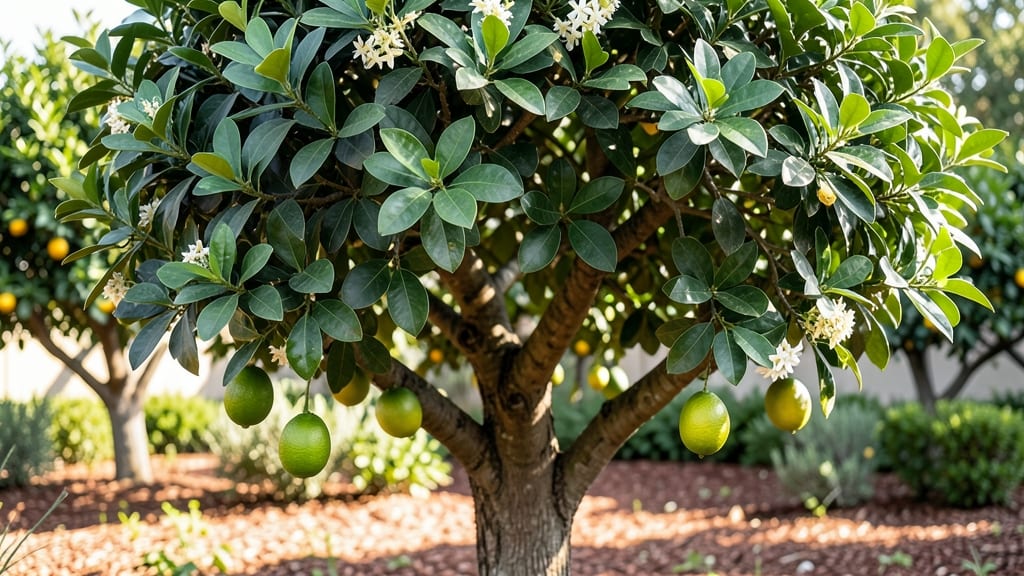
My large lime tree shot past my roof last summer—until I learned these pruning secrets that turned it from a sky-piercing giant into a manageable, fruit-bearing beauty. 🌿 The key isn't just cutting branches; it's understanding how lime trees grow and when to guide them without stressing the tree.
I'll show you exactly where to make cuts, which tools to use, and how to shape your tree for maximum fruit production without sacrificing its health.
Lime trees need full sun (6+ hours daily) and well-draining soil, but their growth habits change dramatically between tropical and temperate climates. In warmer zones, they grow aggressively; in cooler areas, they need winter protection. The right pruning timing—just after harvest or before new growth—makes all the difference.
I’ve pruned both standard varieties (like Persian limes) and dwarf types (like Meyer limes), and the techniques adapt easily to your tree’s size.
By the end of this, you’ll have a tree that stays under control while producing bountiful fruit—no more wrestling with unruly branches or watching limes rot on the ground.
The pruning method I use reduces disease risk, encourages stronger growth, and even improves air circulation so your tree thrives year after year. Ready to tame that vertical takeover?
Whether you’re dealing with a 10-foot monster or a young sapling, these steps work for any lime tree variety. The secret? Patience and precision—no drastic cuts, just strategic shaping. Let’s get started!
📚 In This Guide
- What you need
- Instructions
- Tips and common mistakes
- Wrapping up and next steps
What you need
- ○ Pruning shears – Bypass-style (for clean cuts on small branches, 3–6 inches long). Optional: Loppers (for thicker branches, 8–12 inches) or a pruning saw (for branches >2 inches in diameter).
- ● Gloves – Heavy-duty, cut-resistant (thorns are no joke!).
- ● Disinfectant – 70% isopropyl alcohol or rubbing alcohol (to sterilize tools between cuts and prevent disease).
- ● Sharpie or masking tape – For marking branches to remove (helps visualize your plan!).
- ● Ladder or step stool – Sturdy and stable (reach those high branches safely—aim for 6+ feet tall trees!).
- ● Heavy-duty trash bags – 2–3 bags (for debris cleanup).
- ● Rake or broom – To clear fallen leaves/branches post-pruning.
- ● Best time to prune: Late winter or early spring (before new growth sprouts). ✨ Pro tip: Avoid pruning in fall—it can stimulate tender new growth vulnerable to frost!
- ● Weather check: Prune on a dry, overcast day (humidity slows healing).
- ● Safety first: Wear long sleeves and closed-toe shoes—lime tree thorns are sharp!
- ○ Optional but helpful: Pruning sealant (for large cuts >½ inch—controversial but some swear by it!).
- ● Handheld leaf blower (for quick cleanup if you’re feeling fancy!).
How to prune a large lime tree for controlled growth
Here’s how I keep my mature lime trees from becoming unruly skyscrapers—using strategic cuts that encourage bushier, fruit-bearing growth instead of endless vertical shoots.
✂️ Step 1: Assess the Tree’s Structure and Growth Habits
Start by examining your lime tree’s branches for three key patterns: water sprouts (thin, fast-growing vertical shoots), crossing branches (rubbing bark), and dead/diseased wood. I always prune in late winter or early spring, just before new growth begins—this gives the tree time to heal before summer stress. Grab a small pruning saw for thick branches over ½ inch and hand pruners for everything else.
Look for suckers at the base and shoots growing straight up from the trunk or limbs—these are your first targets. The goal is to redirect energy into horizontal branches where fruit develops. Mark your cuts with a piece of twine or flagging tape if you’re working in stages; I like to do 20-30% of the tree per session to avoid shocking it.
✂️ Step 2: Remove Problem Branches First
Cut out dead, diseased, or crossing branches immediately—these compete for resources and can harbor pests. Make clean cuts at the branch collar (the swollen area where the branch meets the trunk), never leaving stubs. For water sprouts, I remove them entirely at the base; these shoots drain energy that could go to fruit production. If a branch is too thick to cut cleanly, step back and make three angled cuts (first undercut, then top cut, then final clean cut).
Watch for scaffold branches—the main horizontal limbs that form the tree’s framework. These should be spaced 6-12 inches apart along the trunk. If you see a vertical branch growing from a scaffold limb, cut it back to a lateral bud facing outward. This encourages outward growth where sunlight and air circulation improve fruit quality.
✂️ Step 3: Thin the Canopy for Light Penetration
Step back and visualize the tree’s light exposure. Aim for an open, airy structure where sunlight reaches the inner branches—this prevents fungal issues and ensures even ripening. I target 20-25% of the total foliage for removal, focusing on branches that crowd the center. Use your pruners to cut back overlapping limbs to their point of origin, always cutting just outside the branch collar.
For thick limbs, never remove more than ⅓ of the branch’s diameter in one cut—this prevents tearing. If a branch is too large to cut cleanly, make a notch on the underside first to control the direction of the break. After thinning, the tree’s silhouette should resemble an open vase shape, with no dense clusters of leaves blocking sunlight from the lower limbs.
✂️ Step 4: Shape for Future Growth and Fruit
Now’s the time to guide the tree’s future form. For a large lime tree, I prefer a modified central leader—keeping one dominant vertical trunk but encouraging 3-5 main scaffold branches to spread outward. Cut back any vertical shoots growing from these scaffold limbs to a lateral bud facing the direction you want growth to go. This creates a natural, balanced shape without sacrificing height.
For older trees, I focus on rejuvenation cuts—selecting 2-3 of the strongest scaffold branches and pruning them back by ⅓ to ½ to stimulate new growth. Avoid cutting into old wood; lime trees respond best to cuts made just above a bud or lateral branch. After shaping, step back and check for balanced weight distribution—uneven cuts can cause the tree to lean or become top-heavy.
🌿 Step 5: Clean Up and Monitor Recovery
Rake up all pruned debris and sterilize your tools with rubbing alcohol to prevent disease spread. Water the tree deeply at the base to help it recover, but avoid wetting the cuts—this invites rot. I apply a dormant oil spray in late winter to smother any lingering pests or fungal spores before new growth starts. For large cuts over 1 inch, seal with pruning sealant to reduce moisture loss and infection risk.
Watch for new shoots emerging from the cut areas within 4-6 weeks. These indicate the tree is healing well. If you see yellowing leaves or stunted growth, you may have pruned too aggressively—next time, reduce the cuts by 10-15%. A properly pruned lime tree should show faster recovery, thicker branches, and more fruit within a season. I like to prune again in early summer to remove any aggressive new growth and maintain the shape.
Tips & tricks for pruning large lime trees
Here’s what nobody tells you about pruning—these details make all the difference between a tree that thrives and one that struggles to recover.
Timing is Everything: Late winter or early spring is non-negotiable for pruning lime trees. This timing aligns with the tree’s natural dormancy period, allowing it to heal before the stress of summer heat and pests. I’ve seen trees pruned in summer struggle with dieback—avoid this by sticking to the late winter/early spring window when new growth hasn’t yet begun. This gives the tree up to 6 weeks of recovery time before summer stress hits.
The 20-30% Rule: Never prune more than 20-30% of the tree in a single session—this is critical for avoiding shock. I learned this the hard way after removing too much foliage at once and watching my tree’s leaves yellow and drop. Spread your cuts over 2-3 sessions if needed, especially for older trees. Mark your cuts with twine or flagging tape to track progress and avoid over-pruning in one go.
Branch Collar Precision: Always cut just outside the branch collar—that swollen area where the branch meets the trunk. This ensures the tree can seal the wound properly and prevents disease from entering through exposed wood. For branches over ½ inch thick, use the three-cut method (undercut, top cut, final clean cut) to avoid tearing. I’ve seen pruners leave stubs that rot—don’t make that mistake.
Recovery Checkpoints: After pruning, monitor for new shoots within 4-6 weeks as a sign of healthy recovery. If you see yellowing leaves or stunted growth, you’ve likely pruned too aggressively. Next time, reduce your cuts by 10-15%. For large cuts over 1 inch, seal with pruning sealant to minimize moisture loss and infection risk. I also apply dormant oil spray in late winter to prevent pests from taking advantage of fresh cuts.
Pro Tips for Lime Tree Large
- Here’s what nobody tells you about pruning—these details make all the difference between a tree that thrives and one ...
- Timing is Everything: Late winter or early spring is non-negotiable for pruning lime trees. This timing aligns with t...
- The 20-30% Rule: Never prune more than 20-30% of the tree in a single session—this is critical for avoiding shock. I ...
Frequently asked questions
Got questions about taming your towering lime tree? You’re not alone! Here are answers to the most common concerns—plus pro tips to keep your tree thriving without sacrificing its beauty.
When is the best time to prune a large lime tree?
Prune your large lime tree in late winter or early spring, just before new growth begins. This timing promotes healthier regrowth and minimizes stress. Avoid heavy pruning in summer or fall, as it can expose the tree to pests or disease. Pro tip: If you must prune in summer, do it early and keep cuts small to reduce sap loss.
How much can I safely trim from a mature lime tree?
Never remove more than 25% of the tree’s canopy in a single session—this rule protects its health. For large lime trees, focus on shaping rather than drastic cuts. Target dead, crossing, or overcrowded branches first. If your tree looks leggy, thin out select branches to open the canopy gradually. Warning: Over-pruning can stress the tree and reduce fruit production.
Why does my lime tree keep growing upward instead of outward?
Skyward growth happens when the tree prioritizes height over width—often due to lack of sunlight at the base or poor pruning habits. To encourage a bushier shape, prune the topmost branches (called "heading back") and remove vertical "water sprouts." Redirect energy outward by trimming just above a leaf node or lateral branch. Bonus: Mulch the base to improve light penetration.
Are there natural alternatives to chemical pruning sprays for lime trees?
Yes! For a chemical-free approach, try:
- Hormonal root pruning: Gently wound the roots (not the trunk) to redirect growth energy upward or outward.
- Weighted branches: Tie young branches downward with soft ties to encourage horizontal growth.
- Selective fertilization: Use a low-nitrogen, high-phosphorus fertilizer to promote bushier growth.
What should I do if my lime tree bleeds sap after pruning?
Sap bleeding is normal for lime trees (especially in warm weather) but can attract pests like ants or wasps. To minimize mess:
- Prune on cool, dry days to reduce sap flow.
- Use sealing wax or pruning paint on cuts larger than ½ inch.
- Clean up sap spills promptly to deter pests.
Wrapping up and next steps
Mastering the art of pruning your large lime tree is all about patience, precision, and a little green thumb love! 🌿 By following the right techniques—like strategic cuts, seasonal timing, and proper tool use—you’ll keep your tree healthy, productive, and beautifully contained.
Remember, every trim is a step toward a thriving, fruit-bearing giant that stays grounded (literally!).
Ready to take the next step? Grab your pruners and schedule your first pruning session during the dormant season. With each cut, you’re not just shaping a tree—you’re cultivating a legacy of luscious limes and lush foliage. Happy pruning! ✂️🌱