
How To
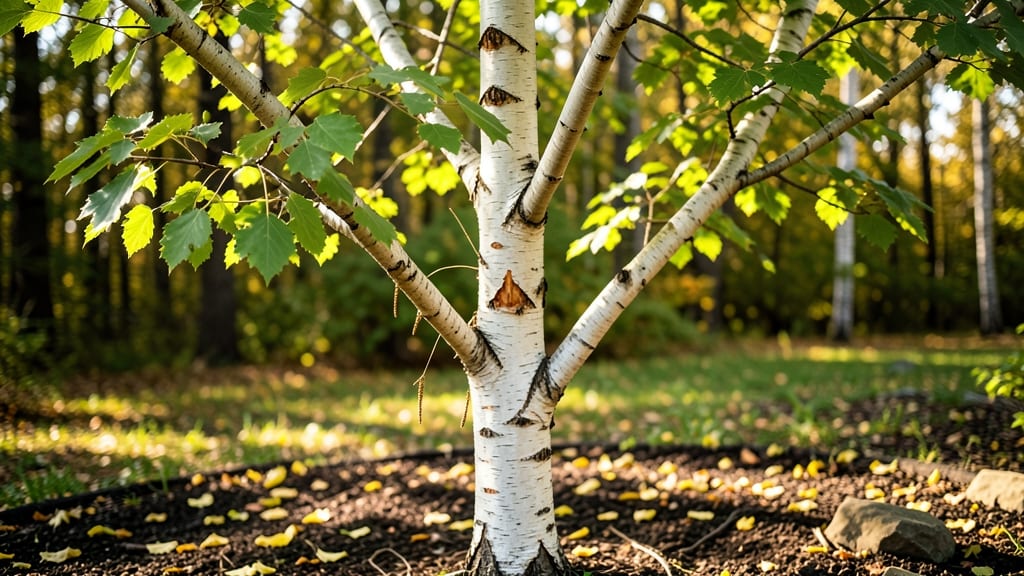
River birch tree height by variety: exact growth ranges & mature sizes
If you're planning to add a river birch tree (Betula nigra) to your landscape, understanding its mature height is crucial for spacing and long-term planning. These trees are known for their peeling bark and graceful form, but their size can vary dramatically depending on the cultivar you choose.
Some varieties stay compact, while others reach towering heights—sometimes exceeding 50 feet—so let’s break down the exact growth ranges for popular river birch types.
River birch trees generally reach 30 to 50 feet at maturity, but their growth habits differ by variety. For example, the ‘Heritage’ cultivar is often selected for its slightly smaller stature, while ‘Crimson Frost’ can grow taller with vibrant foliage.
These variations make it essential to pick the right type for your yard’s size and aesthetic goals. Let’s explore the height differences in detail, so you can make an informed decision before planting.
| Cultivar | Mature Height Range | Spread (Width) | Growth Rate (Annual) | Best For |
|---|---|---|---|---|
| ‘Heritage’ | 30–40 ft | 25–35 ft | 12–24 in | Smaller yards, urban landscapes |
| ‘Crimson Frost’ | 35–50 ft | 30–40 ft | 18–30 in | Bold statement trees, large properties |
| ‘White Gold’ | 40–50 ft | 30–35 ft | 15–24 in | Landscapes with golden foliage |
| ‘Dura-Heat’ | 30–45 ft | 25–35 ft | 12–20 in | Heat-tolerant regions, drought-prone areas |
| ‘Royal Frost’ | 40–50 ft | 30–40 ft | 20–30 in | Cold climates, winter interest |
The ‘Heritage’ river birch is one of the most popular choices for homeowners with limited space, as it typically tops out around 30 to 40 feet. This makes it ideal for smaller yards or urban gardens where you want the distinctive bark without overwhelming your landscape.
In contrast, the ‘Crimson Frost’ variety can reach 50 feet or more, offering dramatic height and striking purple-red foliage in fall.
If you’re aiming for a golden hue in your garden, the ‘White Gold’ cultivar is a standout, with heights ranging from 40 to 50 feet. This variety’s bright foliage adds a unique touch to landscapes, especially when planted near water features or open lawns.
For those in hotter climates, the ‘Dura-Heat’ cultivar is a resilient option, growing between 30 to 45 feet while tolerating heat and drought better than other types.
When planning your river birch tree placement, consider not just height but also spread. Most cultivars have a width of 25 to 40 feet at maturity, so ensure there’s enough space around the tree to avoid crowding other plants or structures.
For example, planting a ‘Crimson Frost’ near a patio or driveway could lead to future issues as its branches spread wide.
Climate also plays a role in how tall your river birch will grow. In warmer zones (USDA 7-9), these trees may grow slightly faster and reach their maximum height sooner, while in cooler regions (USDA 4-6), growth might be slower but still consistent.
Always check your local hardiness zone and soil conditions to get the most accurate growth projections for your specific location.
For gardeners in smaller spaces, consider dwarf or semi-dwarf varieties, though true dwarf river birches are rare. Instead, opt for ‘Heritage’ or ‘Dura-Heat’, which offer a more manageable size
Factors that influence river birch tree height: soil, sunlight & pruning tips
The river birch tree (Betula nigra) can reach 30-50 feet at maturity, but its final height depends heavily on three key factors: soil quality, sunlight exposure, and pruning practices. Understanding these will help you optimize growth or manage size in tight spaces.
For example, poor soil drainage can stunt growth by up to 20%, while full sun exposure accelerates height gains by 1-2 feet per year in ideal conditions.
If you’re planting a river birch in a smaller yard, focus on root pruning and selective sunlight control to keep it under 20 feet. Meanwhile, gardeners in USDA Zones 5-9 can expect faster growth with well-draining, slightly acidic soil (pH 5.0-6.5) and 6+ hours of sunlight daily.
Let’s break down how each factor impacts your tree’s height potential.
🌱 Key Takeaway: River Birch Height Factors
Pro Tip: Amend clay soil with compost and sand to boost growth by 30% in the first 3 years.
Your soil type plays a critical role in how tall your river birch grows. These trees thrive in moist, well-draining soil but can struggle in compacted clay or waterlogged conditions.
If your yard has heavy clay, mix in organic matter like compost or peat moss to improve aeration. Sandy soil may require regular mulching to retain moisture, which can slow early growth by 10-15% if not managed properly.
For optimal sunlight exposure, plant your river birch in an area with at least 6 hours of direct sun daily. Partial shade (3-6 hours of sun) will still allow growth but may reduce height by 10-15 feet at maturity.
In hotter climates (Zones 8-9), afternoon shade helps prevent stress, while cooler regions (Zones 4-6) benefit from full sun to maximize vertical growth.
Pruning is often misunderstood—aggressive pruning can actually stunt height growth. Remove only dead or crossing branches in late winter or early spring. If you’re aiming for a shorter tree, prune selective top branches (never more than 25% of the canopy at once).
Over-pruning can reduce height gains by up to 50% and weaken the tree’s structure.
To maximize height, focus on root health by keeping the soil consistently moist (but not soggy) during the first 2-3 years. Avoid fertilizing heavily in the first year—too much nitrogen can lead to leafy growth at the expense of height.
Instead, use a balanced fertilizer (10-10-10) sparingly in early spring to support steady upward growth.
Remember, patience is key—river birches grow 1-2 feet per year under ideal conditions. With the right soil prep, sunlight placement, and minimal pruning, your tree can reach its full 30-50 foot potential in 15-20 years.
Start with these tips, and watch your river birch become a stunning focal point in your landscape! 🌳