
How To
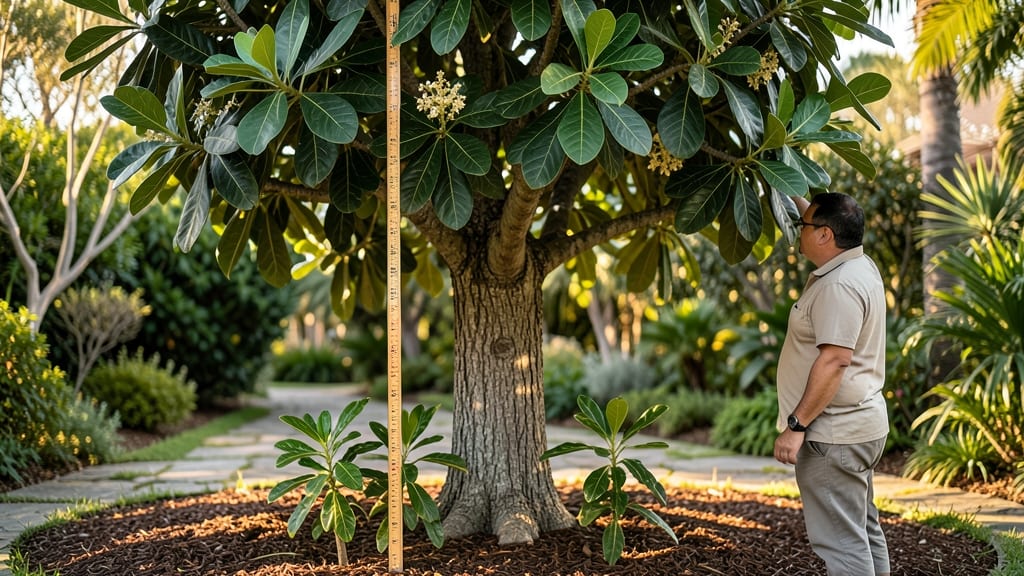
Avocado tree height by variety: from dwarf to giant varieties
If you're planning to grow an avocado tree, one of your first questions is likely how tall can an avocado tree grow? The answer varies dramatically by variety, with some reaching heights that dwarf your two-story house while others stay compact enough for containers.
I've grown several varieties myself, and the differences are stunning—some need a full backyard, while others thrive on a patio. Let's break down the height ranges by popular avocado varieties so you can choose the perfect fit for your space.
Avocado trees are classified into three main size categories: dwarf varieties (8-12 ft), semi-dwarf varieties (12-20 ft), and standard varieties (20-80 ft). The variety you select will determine whether you're managing a manageable patio tree or planning for a backyard canopy.
Even in ideal conditions, some varieties will naturally outgrow others by 500% or more. Understanding these differences helps you avoid planting a giant tree where a dwarf would be more practical.
The Hass variety is the most famous, but its standard form can grow up to 80 feet tall—that's taller than most houses! If you're in a suburban area with limited space, you'll want to opt for the dwarf grafted Hass, which stays between 8-12 feet.
I planted a dwarf Hass in a large container on my patio, and it's now producing fruit after just 3 years—proof that smaller doesn't mean less productive.
For those in cooler climates, the Fuerte and Bacon varieties are excellent choices because they're more cold-hardy, though they still reach 30-50 feet at maturity.
If you're in a rural area with plenty of space, the Reed variety grows quickly and can reach 60 feet, making it ideal for large properties. However, its rapid growth means you'll need to plan for pruning from the start to manage its size.
Choosing the right variety isn't just about height—it's also about your climate and growing goals. For example, if you're in USDA Zone
Climate and growing conditions that affect avocado tree height
If you're wondering how tall can an avocado tree grow, the answer depends heavily on its climate and growing conditions. Avocado trees thrive in tropical and subtropical climates where they can stretch toward the sky, reaching heights of 60 to 80 feet under ideal conditions.
However, in cooler climates or with proper pruning, their height can be dramatically reduced. Let’s explore how these factors shape your tree’s growth trajectory.
First, temperature plays a crucial role. Avocados are native to warm regions and prefer USDA Zones 9-11, where they experience minimal frost. In these zones, trees grow vigorously, reaching their maximum height potential.
But in cooler climates (Zones 8 or below), growth slows significantly, and trees often stay shorter—sometimes under 20 feet—due to stress from cold snaps. Even a single frost can stunt growth or kill young trees.
Sunlight is another critical factor. Avocado trees need full sun exposure (6+ hours daily) to grow tall and strong. In shady conditions, trees become leggy and weak, reaching only half their potential height.
For example, a tree in a sunny backyard might hit 40 feet, while one in partial shade could max out at 20 feet. Always choose the sunniest spot in your yard for optimal growth.
⚠️ Warning: Cold Climates Limit Height Dramatically
Avocado trees in Zones 8 or colder rarely exceed 15-20 feet without protection. Even in Zone 9, sudden cold snaps can stunt growth or kill the tree. If you live in a cooler area, opt for dwarf varieties or grow your tree in a large container that can be moved indoors during winter.
Soil type also influences height. Avocados prefer well-draining, slightly acidic soil (pH 6.0-7.0). In heavy clay or waterlogged soil, roots struggle to absorb nutrients, leading to stunted growth—often 30% shorter than trees in ideal soil. Amend your soil with compost or sand to improve drainage and encourage taller growth. Poor soil conditions can also make trees more susceptible to diseases, further limiting their height.
Finally, pruning practices give you control over your tree’s height. Regular pruning—especially structural pruning in early years—can keep a standard avocado tree under 15 feet, even in warm climates. Prune to remove suckers and crossing branches, and always use sterilized tools to prevent disease.
Without pruning, a tree will grow uncontrolled and tall, potentially becoming a fire hazard in windy areas.
For container-grown avocados, height is naturally limited by pot size. A 5-gallon container might keep a dwarf variety under 8 feet, while a 15-gallon pot could support a semi-dwarf up to 12 feet.
Always choose a container with drainage holes and repot every 2-3 years to accommodate root growth. Container trees also benefit from regular pruning to maintain shape and encourage bushier growth.