
How To
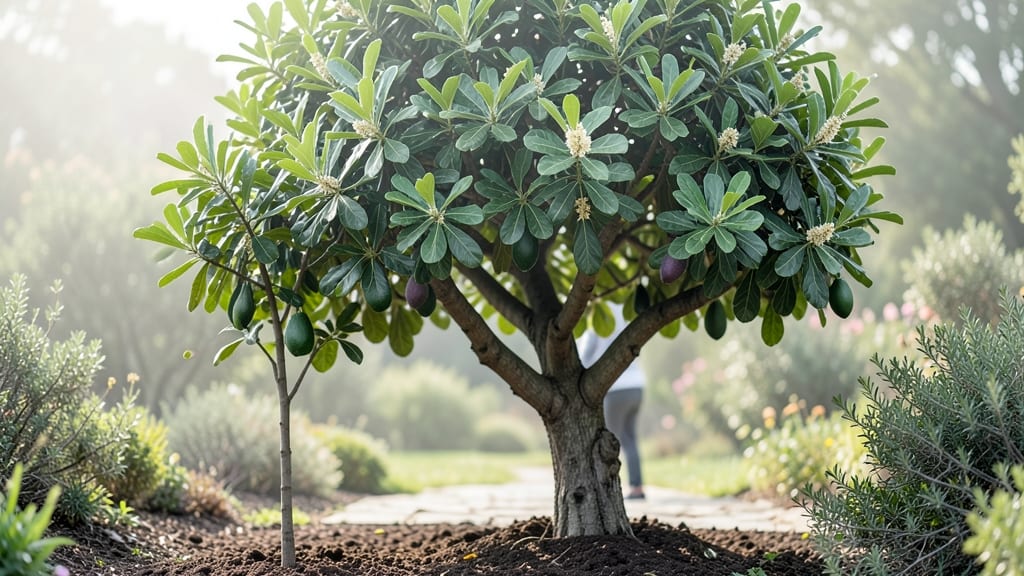
If you're dreaming of growing your own avocado tree but wondering whether it’ll tower over your backyard or stay compact enough for a patio, the answer depends on the variety—and where you live. Understanding these height ranges is key to planning your garden space wisely.
Standard varieties like Hass and Fuerte can reach 60 to 80 feet in ideal tropical climates, while dwarf types like 'Wurtz' or 'Little Cado' top out at just 8 to 12 feet, making them perfect for containers.
Even semi-dwarf Hass trees in pots rarely exceed 15 to 25 feet.
Below, I break down how climate, pruning, and rootstock influence height, plus practical tips to keep your tree manageable—whether you’re growing it in the ground or on a balcony.


Avocado tree height by mature variety: from dwarf to giant
Choosing the right avocado variety isn’t just about fruit flavor—it’s also about managing space. Some varieties grow tall enough to shade your entire backyard, while others stay small enough for containers on your patio.
The mature height of an avocado tree depends entirely on its variety and rootstock, with differences ranging from 8 feet to over 80 feet. If you’re planning your garden layout, knowing these height ranges will help you avoid overcrowding or disappointment.
Most avocado trees fall into three size categories: dwarf (under 12 feet), semi-dwarf (15–25 feet), and standard (30–80 feet). The rootstock—the tree the variety is grafted onto—plays a huge role.
For example, grafting a Hass variety onto a dwarf rootstock like Mexican or West Indian keeps it manageable, while standard rootstocks encourage rapid vertical growth. Let’s break down the most popular varieties and their mature heights.
If you’re limited on space, dwarf varieties like Wurtz or Little Cado are your best bet. These can thrive in 5-gallon containers and even indoors near a sunny window, though they’ll need regular pruning to maintain shape.
For semi-dwarf varieties like Hass or Reed, you’ll need at least 10 feet of clearance and a large container (15+ gallons) if growing in pots. Standard varieties like Fuerte or Bacon are better suited for rural properties with ample space.
One common misconception is that all avocado trees grow to 80 feet if left unchecked. While some varieties like Bacon can reach that height, most backyard trees—especially those pruned regularly—stay between 20 and 40 feet.
Pruning isn’t just for aesthetics; it’s essential for managing tree height and encouraging fruit production. For example, structural pruning in the first 3 years can reduce a Hass tree’s mature height by 30–50%.
For container growing, choose a variety with a semi-dwarf or dwarf rootstock. Even then, you’ll need to prune aggressively to keep the tree under control. A good rule of thumb is to prune back one-third of new growth annually to maintain compactness.
Without pruning, even dwarf varieties can outgrow their containers within 5–7 years, leading to root-bound stress and poor fruit production.
Another factor to consider is climate impact. In cooler microclimates (like USDA Zone 9b), avocado trees grow 20–30% slower than in ideal tropical zones (Zone
Climate and growing conditions that affect avocado tree height
Your avocado tree’s mature height isn’t just about the variety—it’s heavily influenced by your local climate and growing conditions. In USDA zones 9-11, where avocados thrive year-round, trees can reach 30-80 feet tall if left unchecked.
But in cooler zones or containers, growth slows dramatically, often resulting in dwarf-sized trees (8-15 feet).
Sunlight exposure plays a critical role too. Avocados crave full sun (6+ hours daily), which fuels rapid vertical growth. In shadier spots, trees grow wider but shorter, with fewer fruit-bearing branches. Meanwhile, soil type affects root development—clay-heavy soils can stunt growth, while sandy loam encourages robust, upward expansion.
⚠️ WARNING: Climate Mismatch Can Stunt Your Tree Avocado trees are not frost-tolerant—even a light freeze (28°F) can kill young trees or damage mature ones. In USDA zones 8 or cooler, growth halts until temperatures rise, resulting in stunted height and delayed fruiting.
If you live outside zones 9-11, container growing with winter indoor protection is your best bet to control size and ensure survival.
Pruning is another tool to manage height, especially in small spaces. Structural pruning (removing upward-growing branches) redirects energy to lateral growth, keeping trees under 10 feet in containers. For in-ground trees, annual pruning in late winter (before new growth) prevents overgrowth while maintaining an open canopy for sunlight penetration.
Soil drainage is often overlooked but critical. Avocados hate soggy roots, which can lead to root rot and stunted growth. Amend heavy clay with compost and perlite to improve aeration, or plant in raised beds for better control.
In containers, use a fast-draining mix (60% potting soil, 30% perlite, 10% compost) to prevent compaction and encourage steady, upward growth.
For those in USDA zone 10 or warmer, where growth is year-round, trees can add 2-3 feet annually if conditions are ideal. But in cooler microclimates (like coastal areas with mild winters), growth slows to 1 foot per year.
Monitor your tree’s growth rate and adjust care—more fertilizer in spring and deep watering can boost height in slower zones.
If you’re growing avocados in containers, pot size matters. A 5-gallon pot limits roots, capping height at 6-8 feet, while a 15-gallon container allows trees to reach 10-12 feet.
Always choose pots with drainage holes and upgrade sizes as your tree matures—root-bound trees grow slowly and weakly, with stunted trunks and sparse foliage.