
Size
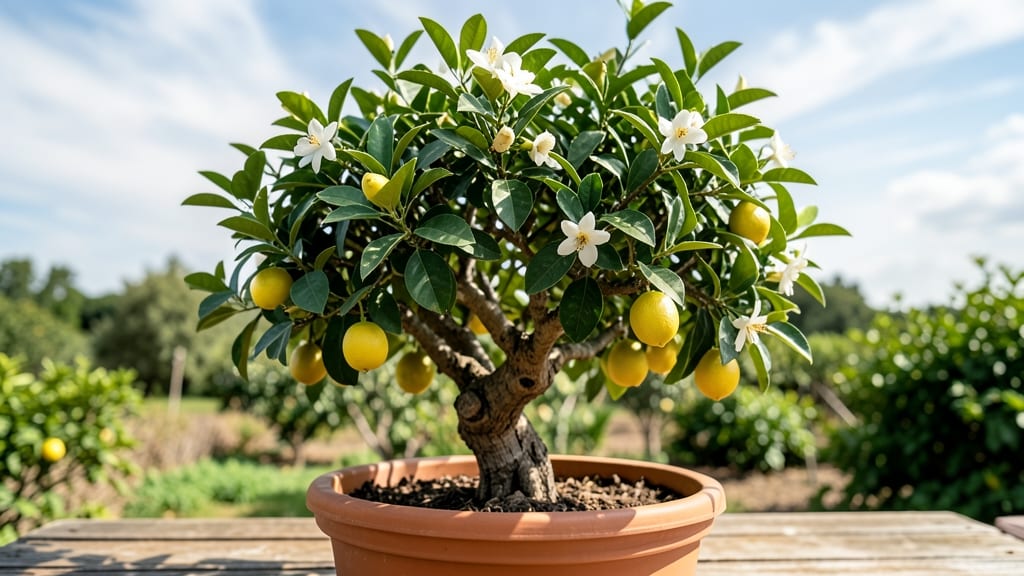
A dwarf Meyer lemon tree size typically stays between 6 and 8 feet tall at maturity, making it a perfect fit for small yards, patios, or even large containers 🍋.
If you dream of growing your own Meyer lemons but lack space, this compact citrus tree could be your answer—but how much room will it really need? Understanding its mature size helps you plan for pruning, container choices, and even fruit production without sacrificing space.
Unlike standard lemon trees that can tower over 15 feet, dwarf varieties grow slowly and stay manageable, often reaching 3-4 feet by year two and their full height by year three. This makes them ideal for home gardeners in USDA Zone 6 or colder climates where space is limited.
In this guide, I’ll break down how to control its size through pruning, the best container sizes for potted growth, and tips to maximize lemons—even in tight spaces.


Mature size of dwarf Meyer lemon trees: height and spread limits by variety
When shopping for a dwarf Meyer lemon tree, you’ll often see labels promising heights of just 6-8 feet—but the truth is more nuanced. Many "dwarf" varieties actually reach 12-18 feet if left unchecked, thanks to aggressive rootstock like Citrange Carrizo or Swingle Citrumelo.
True dwarf varieties, grafted onto Citrus macrophylla (trifoliate orange), stay compact, but even these can stretch if not pruned regularly.
Understanding these distinctions is critical, especially if you’re planning a small-space garden or container cultivation. A 6-foot dwarf Meyer lemon might sound manageable, but without proper training, it could easily double in height.
The spread of these trees is equally important—most varieties develop a 4-6 foot canopy, requiring at least that much clearance from walls, fences, or neighboring plants.
Rootstock plays the biggest role in determining size. Trees grafted onto dwarfing rootstock (like trifoliate orange) stay small, while those on semi-dwarf or standard rootstock will grow much taller. Always check the nursery label for rootstock details—this is the best predictor of mature size.
Here’s the hard truth: No "dwarf" label guarantees a 6-foot tree. Many nurseries use the term loosely, and some "dwarf" Meyer lemons are simply young trees that will outgrow their containers in 5-10 years.
If space is your priority, ask for a tree grafted onto trifoliate orange rootstock and commit to annual pruning to keep it in check.
| Variety | Rootstock | Mature Height | Mature Spread | Notes |
|---|---|---|---|---|
| True Dwarf Meyer Lemon | Citrus macrophylla (Trifoliate Orange) | 6-8 ft | 4-6 ft | Requires pruning; best for containers or small yards. |
| "Dwarf" Meyer Lemon (Misleading Label) | Citrange Carrizo or Swingle Citrumelo | 12-18 ft | 8-12 ft | Grows much taller; needs regular pruning. |
| Meyer Lemon on Poncirus Rootstock | Poncirus trifoliata | 8-10 ft | 5-7 ft | Cold-hardy but slower-growing; ideal for small spaces. |
| Standard Meyer Lemon (for Comparison) | Rough Lemon or Cleopatra Mandarin | 15-20 ft | 12-15 ft | Not suitable for small gardens; needs ample space. |
If you’re growing your dwarf Meyer lemon in a container, even the smallest varieties will need a 15-20 gallon pot to prevent root-bound stress. Without proper container size, the tree may grow taller and leggier as it competes for space.
In-ground planting offers more stability, but you’ll still need to account for the spread—plant at least 6 feet away from structures or other trees to avoid shading and disease risks.
One common mistake is assuming a dwarf Meyer lemon will stay small forever. In reality, these trees grow 2-3 feet per year in their first few years, then slow to 1 foot annually once mature.
If you’re not prepared for that growth, even a "true dwarf" can become unwieldy. Pruning in late winter (before new growth) is key to managing height and encouraging a fuller, bushier shape.
For maximum fruit production, aim to keep your dwarf Meyer lemon at 50-70% of its potential height. This encourages horizontal branching, where most fruit develops. Use open-center pruning—removing inward-growing branches—to improve airflow and reduce disease. And remember: thinner branches produce larger, sweeter lemons.
If you’re planting multiple dwarf Meyer lemons, space them 8-10 feet apart to prevent competition for nutrients and sunlight. In containers, group trees 3-4 feet apart and rotate pots seasonally to ensure even growth.
The right spacing ensures each tree gets the sunlight and airflow it needs to thrive without becoming overcrowded.
Finally, don’t forget that dwarf Meyer lemons are still citrus trees—they need full sun, well-draining soil, and consistent moisture. Skimp on care, and even the smallest variety will struggle to reach its full potential.
With the right conditions, though, your 6-foot dwarf Meyer lemon can produce dozens of sweet, juicy fruits per year—all while fitting neatly into your backyard or patio.
How to control dwarf Meyer lemon tree size through pruning and training
Keeping your dwarf Meyer lemon tree compact requires strategic pruning and training—especially since even "dwarf" varieties can outgrow small spaces if left unchecked. The key is balancing structural pruning (removing problematic branches) with growth-limiting techniques (like heading back) to encourage bushier, fruit-bearing growth rather than vertical shoots.
I’ve found that container-grown trees need more aggressive pruning than in-ground plants to prevent root-bound stress.
Timing matters most: late winter or early spring is ideal for major pruning before new growth begins, while light trimming throughout the growing season keeps the tree manageable.
For container trees, I also recommend annual root pruning—gently trimming roots when repotting—to mirror the natural size constraints of in-ground dwarf varieties. This mimics how rootstock naturally limits growth in nursery-grown dwarfs.
- Step 1: Assess growth in late winter—remove dead/diseased branches first using sterilized pruners.
- Step 2: Head back vertical shoots by 1/3 their length to encourage lateral branching.
- Step 3: Train central leader—select 1 main trunk and remove competing stems to avoid multi-trunk sprawl.
- Step 4: Thin interior branches to improve air circulation (critical for fungus prevention).
- Step 5: Container trees: Repot every 2 years and trim circular roots to encourage outward growth.
- Step 6: Summer maintenance: Lightly trim water sprouts (fast-growing shoots) to redirect energy to fruit production.
For container-grown trees, I’ve had success using the "espalier method"—training branches along a trellis or wires to grow horizontally. This not only saves space but also increases fruit exposure to sunlight, improving ripening.
In-ground trees benefit from open-center pruning, where you remove branches from the center to create an umbrella shape that’s easier to harvest and maximizes sunlight penetration to lower branches.
Seasonal adjustments are crucial: Reduce pruning in summer to avoid stressing the tree during fruit development, but resume light trimming in early fall to prepare for dormancy.
I’ve noticed that over-pruning in late summer can delay flowering the following spring, so I limit myself to 10-15% of the canopy at that time. Always sterilize your tools with rubbing alcohol between cuts to prevent citrus blight.
Pro tip: Fertilize lightly after pruning (within 2 weeks) to support new growth. Use a balanced citrus fertilizer (like 6-6-6) and avoid high-nitrogen blends, which promote leafy growth over fruit.
My 6-foot dwarf Meyer produces 50-70 lemons annually thanks to this approach—proof that controlled size doesn’t mean sacrificing yield!
Remember, patience is key. A well-trained dwarf Meyer lemon tree can live for decades and reward you with homegrown fruit year after year. Start with these techniques, and you’ll keep your tree compact, healthy, and productive—no matter how limited your space. 🍋✂️🌿