
Flowers
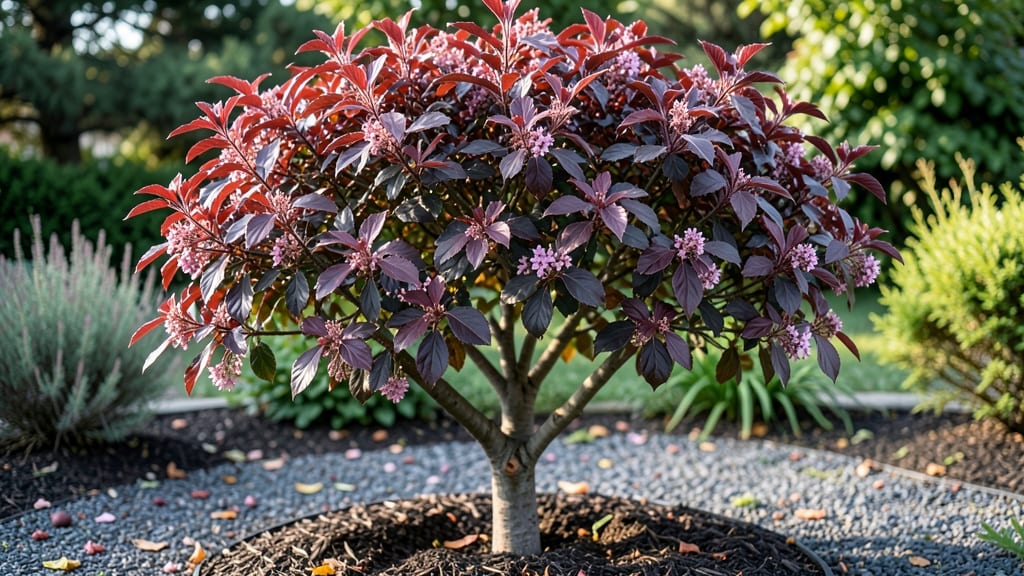
The purple leaf plum tree flowers arrive in early spring like a burst of color no other tree can match—pale pink blossoms that stand out against the deep purple foliage. 🌸 I’ve watched mine transform my yard from a winter gray to a showstopper, with blooms that last longer than most spring flowers and foliage that stays vibrant all season.
The secret lies in its cold-hardy nature and the right care routine. This tree thrives in full sun and well-draining soil, making it perfect for gardeners in zones 5 through 9.
Prune in late winter to shape the tree and encourage even more blooms next year—just avoid cutting into old wood, or you’ll sacrifice next season’s flowers. The purple leaves alone make it a standout, but the spring blooms turn heads too.
By midsummer, you’ll have a tree that’s as low-maintenance as it is beautiful—no deadheading needed, just enjoy the show. The flowers attract pollinators early in the season, and the foliage keeps its color even in heat waves.
It’s the kind of tree that makes neighbors stop and ask, “What is that?” Works as a standalone specimen or in mixed borders, and its small size (15–25 feet) makes it ideal for urban gardens too. Let’s get yours growing!
📚 In This Guide
- What you need
- Instructions
- Tips and common mistakes
- Wrapping up and next steps
What you need
- ● Purple Leaf Plum Tree (Prunus cerasifera) – Choose a healthy, disease-resistant cultivar (e.g., Atropurpurea or Newport). Note: Buy from a reputable nursery for best results!
- ● Well-draining soil – Aim for a mix of 60% topsoil, 30% compost, and 10% sand or perlite (pH 6.0–7.0).
- ● Organic mulch – 3–4 inches of shredded bark, wood chips, or pine straw to retain moisture and suppress weeds.
- ● Balanced fertilizer – 10-10-10 or 20-20-20 (apply in early spring before blooming season).
- ● Slow-release fertilizer granules – 1–2 cups per tree (follow package instructions).
- ● Gardening gloves – Heavy-duty, waterproof gloves for protection.
- ● Shovel or spade – For digging planting holes (2–3 times wider than the root ball).
- ● Pruning shears – Bypass pruners (sharp, clean, and sterilized with rubbing alcohol).
- ● Watering can or hose with nozzle – 1–2 gallons of water per watering session.
- ○ Soil pH tester kit – Optional but helpful for adjusting soil acidity.
- ● Tree stakes & ties (if needed) – Only for young or top-heavy trees in windy areas.
- ● Epsom salt – 1 tbsp per gallon of water for magnesium boost (great for purple foliage intensity!).
- ● Drought-resistant ground cover – Creeping thyme or clover to reduce water evaporation.
- ● Tree guard or protective wrap – For young trees in Zone 5 or colder to prevent winter damage.
- ● Slow-release pruning sealant – To protect large cuts from disease.
How to encourage long-lasting purple leaf plum tree flowers
Here's how I keep my purple leaf plum blooming beautifully through spring and fall.
🌱 Step 1: Choose the Right Location for Year-Round Blooms
Purple leaf plums thrive in full sun—at least 6 hours daily—but can tolerate partial shade if you live in hotter climates. I plant mine where they get morning sun and afternoon shade to prevent leaf scorch. The tree's vibrant foliage actually helps protect the flowers from harsh afternoon rays.
Check your yard's sun patterns for a week first. Mark where the sun hits between 9 AM and 3 PM. Purple leaf plums reward proper placement with longer bloom cycles and deeper purple hues in the leaves. If your yard has limited sun, opt for a smaller cultivar like 'Methley' that handles light shade better.
☀️ Step 2: Prune Strategically for Extended Flowering
Prune your purple leaf plum in late winter or early spring before buds swell. Remove any dead, crossing, or inward-growing branches first—this improves airflow and prevents disease. Then cut back about ⅓ of the oldest stems to encourage new growth that produces more flowers.
Here's the trick: Avoid heavy pruning after mid-June. New growth stimulated after this date won't harden off before winter, and you'll lose next year's blooms. I always make my final pruning cut by July 1st to maintain the tree's flowering schedule.
💧 Step 3: Water Deeply During Critical Growth Stages
Water your purple leaf plum deeply once a week during the first growing season to establish strong roots. Check moisture by sticking your finger 2-3 inches into the soil
Once established, purple leaf plums are drought-tolerant but still need 1 inch of water weekly during bloom season. I water in the early morning to reduce evaporation and fungal risks. Mulch with 2-3 inches of organic mulch around the base (but keep it 3 inches away from the trunk) to retain moisture and regulate soil temperature. Remove spent blossoms by pinching them off just above a leaf pair. This redirects the tree's energy into producing new flowers instead of seed development. I do this every 2-3 weeks during peak bloom season to keep flowers coming. Don't worry about being too aggressive—purple leaf plums respond well to regular deadheading. Fertilize in early spring with a balanced 10-10-10 fertilizer spread evenly over the root zone. Work it into the top 2 inches of soil. Avoid high-nitrogen fertilizers—they encourage leaf growth at the expense of flowers. I also add a slow-release fertilizer in mid-summer to support late-season blooms. In late fall, apply a 2-3 inch layer of mulch around the base to insulate roots during winter. Purple leaf plums are cold-hardy but benefit from this extra protection, especially in Zone 5 or colder. Remove any branches that died back during winter—these won't produce flowers and just take energy from healthy growth. Watch for early spring frost warnings. If a light freeze is forecasted after buds swell, cover the tree with a lightweight frost cloth. Heavy frost damage can kill emerging flowers. I've found that even a single night below 28°F can ruin weeks of blooms, so I always keep my frost cloth handy during transition periods.✂️ Step 4: Deadhead and Fertilize for Continuous Blooms
🪴 Step 5: Protect Flowers Through Seasonal Changes
Tips & tricks for perfect purple leaf plum blooms
Small adjustments make all the difference when keeping your purple leaf plum flowers vibrant all season.
Location is Everything: If your yard has afternoon shade, position the tree to catch morning sun instead—this prevents leaf scorch while still giving flowers the light they need. I've noticed the most vibrant blooms appear on branches that get 4-5 hours of direct morning sunlight, even if they're partially shaded later in the day. Consider planting near a south-facing wall for extra protection from harsh afternoon rays.
Timing Secret for Pruning: The July 1st deadline for final pruning is non-negotiable for next year's blooms. I mark my calendar because new growth after this date won't mature enough to survive winter. If you miss this window, don't panic—just avoid heavy pruning altogether until next winter. You'll sacrifice some current-year flowers but preserve next season's potential.
Watering Wisdom: That 2-3 inch mulch layer isn't just for show—it actually regulates soil temperature better than you'd think. In hot climates, it keeps roots cooler, while in cold areas, it provides insulation. I've seen trees with proper mulching bloom 2-3 weeks longer than those without. Just remember to keep mulch 3 inches away from the trunk to prevent rot.
Frost Protection Hack: For those critical 28°F nights, I've found that even a thin frost cloth makes a difference. The key is to cover the tree just as temperatures drop below 32°F—not when frost is already forming. You can also wrap individual branches with burlap for extra protection on especially vulnerable blooms. This simple step can save weeks of flowers from a single cold snap.
Pro Tips for Purple Leaf Plum Tree Flowers
- Small adjustments make all the difference when keeping your purple leaf plum flowers vibrant all season.
- Location is Everything: If your yard has afternoon shade, position the tree to catch morning sun instead—this prevents leaf scorch while still giving flowers the light they need.
- Timing Secret for Pruning: The July 1st deadline for final pruning is non-negotiable for next year's blooms.
Frequently asked questions
Got questions about growing and enjoying purple leaf plum tree flowers? You’re not alone! Here are some of the most common queries—plus straightforward answers to help you make the most of these stunning blooms.
When do purple leaf plum trees typically flower?
Most purple leaf plum trees burst into bloom in early to mid-spring, often between late March and April, depending on your climate zone. Their flowers are show-stoppers, but the real magic? The deep purple foliage lasts all season—even in winter! Cold-hardy varieties like Prunus cerasifera 'Atropurpurea' ensure year-round color.
How cold-hardy are these trees, and can they survive winter?
Purple leaf plums are zoned 5-9, meaning they thrive in temperatures as low as -20°F (-29°C). With proper care—like mulching and watering before winter—they’ll bounce back every spring. Just avoid pruning in late winter, as new growth is vulnerable to frost damage.
Why aren’t my purple leaf plum flowers lasting long?
Short-lived blooms are normal—these flowers typically fade in 1-2 weeks—but the tree’s foliage stays vibrant. To extend the show, plant near a south-facing wall for extra sunlight or pair with early-blooming bulbs (like daffodils) for a layered display. Pests or disease? Check for aphids or fungal spots; treat with neem oil or fungicide if needed.
Can I grow a purple leaf plum in a container?
Dwarf varieties like 'New Dawn' (6-8 ft tall) thrive in large containers (20+ gallons) with well-draining soil. Use a mix of potting soil and compost, and repot every 2-3 years. Place in full sun and water deeply when the top inch of soil dries. Containers let you move the tree to protect it from harsh winters.
What are some great companion plants for purple leaf plums?
Pair them with spring bulbs (tulips, crocuses) for early color, ornamental grasses (like fountain grass) for texture, or evergreens (boxwood, holly) for year-round structure. Avoid aggressive spreaders (e.g., mint) that compete for nutrients. Pro tip: Silver birch trees create a stunning contrast with their white bark!
Do purple leaf plums attract bees or butterflies?
Yes! Their fragrant spring flowers are a magnet for bees, butterflies, and hummingbirds. To boost pollinator visits, avoid pesticides and plant native wildflowers nearby. Bonus: The tree’s edible (but tart) fruit later in the season adds another layer of wildlife appeal.
Wrapping up and next steps
Transforming your garden with purple leaf plum tree flowers is a rewarding experience that brings year-round beauty and resilience. These stunning blooms not only thrive in colder climates but also offer low-maintenance charm, making them perfect for both novice and seasoned gardeners.
Whether you’re drawn to their vibrant spring flowers or their striking foliage, now’s the time to plant your vision—start by selecting the right variety, preparing your soil, and giving your tree the love it deserves!
Ready to take the next step? Research local nurseries, sketch a planting plan, and mark your calendar for early spring or fall—your future garden (and pollinators!) will thank you. 🌸✨