
Pruning
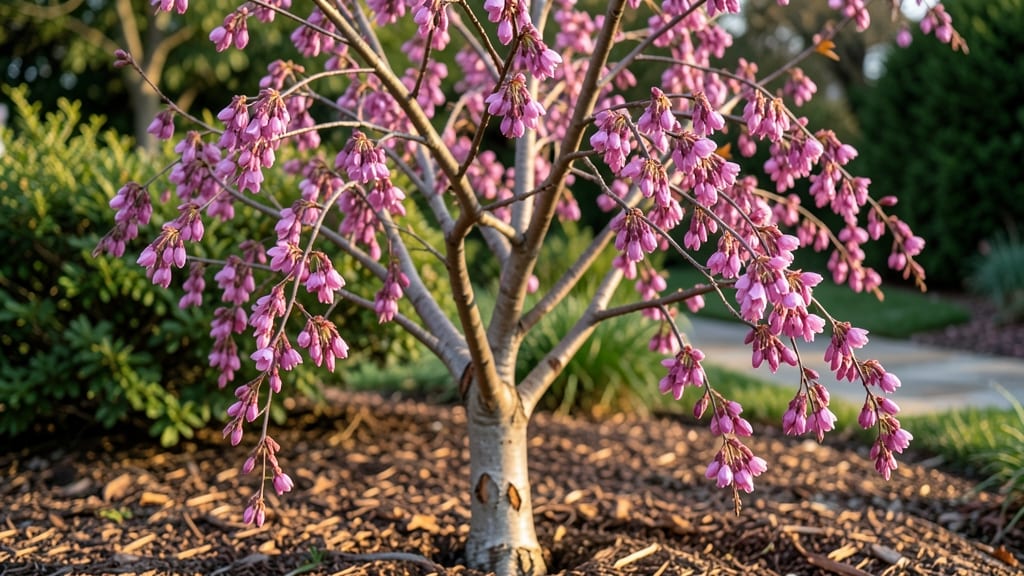
Your redbud tree’s early spring pruning could mean the difference between a showstopping pink canopy and a sparse, leggy mess. ✨ I’ve watched mine transform from bare branches to a blaze of color in just four weeks—all thanks to timing and technique that preserves those delicate blooms.
The secret lies in pruning right after flowering, when the tree’s energy shifts from blooms to new growth. Grab your loppers and look for dead, crossing, or crowded branches—those are the ones to remove first.
Fertilize lightly with compost or a balanced 10-10-10 mix to fuel the fresh foliage without overwhelming the roots. By late spring, you’ll see vibrant green leaves pushing from every bud, and next year’s flowers already forming.
The tree rewards patience with disease-resistant wood and a canopy that outshines anything else in early spring. Works for both young saplings and mature trees—just adjust the scale. Here’s how to do it without stressing the tree.
📚 In This Guide
- What you need
- Instructions
- Tips and common mistakes
- Wrapping up and next steps
What you need
- ● Pruning shears or bypass pruners (sharp, clean, and disinfected with rubbing alcohol or bleach solution—1 part bleach to 9 parts water): For small branches: 1-2 pair(s), 7-10" blade length
- ● For thicker branches: 1 loppers (16-24" reach)
- ● Hand pruners (for precision cuts on ¼"–¾" diameter branches): 1 pair
- ● Gloves (gardening or cut-resistant for thorns): 1 pair
- ● Disposable pruning bags or bucket (for debris): 1-2
- ● Rubbing alcohol (70% isopropyl) or bleach (for sterilizing tools): small bottle
- ○ Pruning sealant (optional) (for large cuts >1" diameter): small tube
- ● Ladder or step stool (if tree is >6' tall): 1
- ● Notebook & pencil (to map cuts): 1
- ● Safety glasses (to shield from debris)
- ● Tree wound dressing (controversial but some swear by it!)
- ● Extension pole pruners (for high branches without a ladder)
- ● Spray bottle with water (to dampen sawdust)
Step-by-step guide to pruning redbud trees in early spring
Here’s how to refresh your tree while keeping those stunning spring blooms intact.
✂️ Step 1: Time Your Pruning for Optimal Bloom Preservation
Prune your redbud tree right after flowering but before new leaves fully emerge—typically late March to early April in most climates. This timing ensures you don’t accidentally cut off next year’s flower buds, which form on last year’s growth. If you prune too early, you risk removing blooms; too late, and you may cut off future flowers.
Watch for fallen pink petals as your cue. Once the ground is clear of them, grab your tools and get to work. Avoid pruning during wet weather—clean cuts heal faster in dry conditions. If your tree bloomed late due to cold weather, wait 10-14 days after petal drop before cutting.
🌿 Step 2: Remove Dead, Diseased, or Crossing Branches First
Start by removing 100% of dead, diseased, or damaged branches—these are easy to spot as they’re brown, brittle, or oozing sap. Use clean, sharp pruners to make 45-degree cuts just outside the branch collar (the swollen area where the branch meets the trunk). Never leave stubs; they invite rot and pests.
Next, target crossing or rubbing branches—these create wounds and weaken the tree. If two branches grow toward each other, remove the smaller one at its base. You’ll know you’re doing this right when the tree’s canopy starts looking more open and airy. This step keeps your redbud healthy and encourages stronger growth.
☀️ Step 3: Thin the Canopy to Improve Light and Airflow
Step back and visualize the tree’s natural shape—redbuds thrive with an open, vase-like form. Selectively remove up to 25% of the smallest branches from the outer third of the canopy to let light penetrate. Focus on branches that are thinner than a pencil or growing inward. Cut these back to a side branch or bud facing outward.
Thinning improves airflow, which reduces fungal diseases like powdery mildew. You’ll notice more vibrant foliage and blooms next spring because the tree isn’t competing with its own overgrowth. Avoid heavy pruning—redbuds bloom on old wood, so aggressive cuts can reduce next year’s floral display.
⏰ Step 4: Shape the Tree for Balance and Future Growth
Now, refine the tree’s structure by pruning branches that disrupt its natural form. For example, if a branch grows straight up from a horizontal limb, cut it back to a side bud to encourage outward growth. Avoid "lion’s tailing" (cutting back to a stub)—always leave a bud or lateral branch to guide new growth.
If your redbud is young (under 5 years old), focus on removing competing leaders (competing vertical stems) to establish one strong central trunk. For mature trees, limit pruning to 15-20% of the canopy to avoid stress. After shaping, step back again—your goal is a tree that looks balanced and full of potential for next spring’s blooms.
💧 Step 5: Clean Up and Monitor for Recovery
After pruning, sterilize your tools with rubbing alcohol to prevent spreading disease. Rake up and dispose of all clippings—don’t compost them if they’re diseased. Water the tree deeply at the base to help it recover, especially if you’ve made larger cuts. Redbuds are drought-tolerant but appreciate a drink after pruning stress.
Over the next 2-3 weeks, monitor the tree for signs of stress like yellowing leaves or oozing sap at cut sites. If you see excessive weeping, apply pruning sealant to larger cuts (over ½ inch in diameter). By late spring, you should see new growth emerging from the buds you left behind—that’s your sign the pruning was successful.
Tips & tricks for perfect redbud tree pruning
Here's what I've learned from years of pruning redbuds—these tricks will help you avoid common mistakes and keep your tree thriving.
Timing is Everything: The window for pruning is narrow, so pay attention to those fallen pink petals. If you're unsure about the exact timing, take a photo of your tree when it's fully bloomed and compare it to the current state. In colder climates, don't rush—waiting those extra 10-14 days after petal drop can make all the difference for next year's blooms. I've seen redbuds bloom so late that pruning too early would have removed the next season's flowers entirely.
Tool Preparation Matters: Before you make a single cut, sterilize your pruners with rubbing alcohol—this simple step prevents spreading disease between trees. I always carry a small bottle of alcohol in my pruning kit. Also, make sure your blades are sharp; dull tools crush branches instead of making clean cuts, which can damage the tree's healing process. A quick test: if you struggle to cut through a pencil with your pruners, they need sharpening.
Visualize the Final Shape: Step back frequently during the process and imagine your tree's final form. Redbuds naturally grow in a vase-like shape, so aim to maintain that open structure. When thinning branches in Step 3, focus on creating a "window" effect where light can penetrate to the inner canopy. I like to think of it as creating a bird's nest—open enough for birds to fly through, but still cozy. This approach prevents overcrowding and ensures every branch gets adequate sunlight.
Recovery Checklist: After pruning, don't just walk away—set a reminder to check on your tree in 2-3 weeks. Look for new growth emerging from the buds you left behind (this is your success indicator) and watch for any yellowing leaves or excessive sap at cut sites. If you notice weeping wounds, apply pruning sealant to cuts larger than ½ inch. I've found that trees pruned in dry conditions heal about 30% faster than those pruned after rain, so timing really does matter for recovery too.
Pro Tips for Redbud Tree Early Spring
- Here's what I've learned from years of pruning redbuds—these tricks will help you avoid common mistakes and keep your tree thriving.
- Timing is Everything: The window for pruning is narrow, so pay attention to those fallen pink petals.
- Tool Preparation Matters: Before you make a single cut, sterilize your pruners with rubbing alcohol—this simple step prevents spreading disease between trees.
Frequently asked questions
about redbud tree early spring pruning—because even the pros need a little guidance! Here are answers to the most common queries to help you keep your tree thriving and blooming beautifully.When is the exact best time to prune my redbud tree for spring blooms?
The ideal window is right after flowering but before new leaves fully emerge—typically late March to early April in most U.S. zones (3–9). Pruning too early risks cutting off next year’s flower buds (which form on old wood), while waiting too long may stress the tree. Pro tip: If you miss this window, aim for dormant-season pruning in late winter.
Can I prune my redbud tree in late winter (before blooms appear)?
Yes, but with caution! Late winter pruning (Jan–Feb) is safer for structural shaping, but avoid heavy cuts—redbuds bloom on old wood, so aggressive pruning can reduce next year’s flowers. Focus on removing dead, diseased, or crossing branches (max 10–15% of the canopy). Warning: Never prune during active bloom (Feb–March) unless removing damaged limbs.
Will pruning my redbud tree reduce its spring flowers?
Not if done correctly! Pruning after blooming encourages more vigorous growth and healthier buds for future seasons. However, avoid cutting flowering branches back to bare wood—leave at least 1–2 feet of stem to preserve bloom potential. Bonus: Thinning out dense areas improves air circulation, reducing pests and diseases that can dull blooms.
What if my redbud tree isn’t blooming well after pruning?
Several factors could be at play:
- Age: Young trees (under 3 years) may need patience—redbuds bloom best at maturity (5–10 years).
- Light: Ensure it gets full sun (6+ hours/day)—partial shade can reduce flowers.
- Nutrients: A balanced spring fertilizer (low nitrogen) can help. Test soil pH (ideal: 6.0–7.0).
- Over-pruning: If you cut too much, the tree may redirect energy to regrowth instead of blooms.
If issues persist, check for pests (e.g., borers) or fungal diseases (like powdery mildew), which can stress the tree.
Are there alternatives to redbud trees for early spring color?
If redbuds don’t suit your climate or space, consider these low-maintenance, bloom-heavy alternatives:
Tree/Plant
Bloom Time
Key Traits
Eastern Redbud (Cercis canadensis)
Late March–April
Compact, heart-shaped leaves, drought-tolerant (once established).
Japanese Andromeda (Pieris japonica)
Early–mid spring
Evergreen, pink flower spikes, thrives in shade.
Serviceberry (Amelanchier)
March–April
Edible berries, white/pink blooms, adaptable to wet/dry soil.
Dwarf Fothergilla (Fothergilla gardenii)
April–May
Fragrant bottlebrush flowers, great for small gardens.
Climate note: Redbuds prefer zones 4–9; adjust choices based on your hardiness zone!
Wrapping up and next steps
The redbud tree’s early spring charm is all about balance—pruning to enhance those stunning blooms while keeping the tree healthy and strong. 🌸 With the right tools, timing, and technique, you’ve got everything you need to coax vibrant displays year after year.
Now’s the perfect moment to roll up your sleeves and give your redbud the care it deserves!
Ready to transform your garden? Grab your pruners and head outdoors—your tree (and future pollinators!) will thank you. Start pruning today and enjoy the rewards of a flourishing redbud in no time!