
Plants
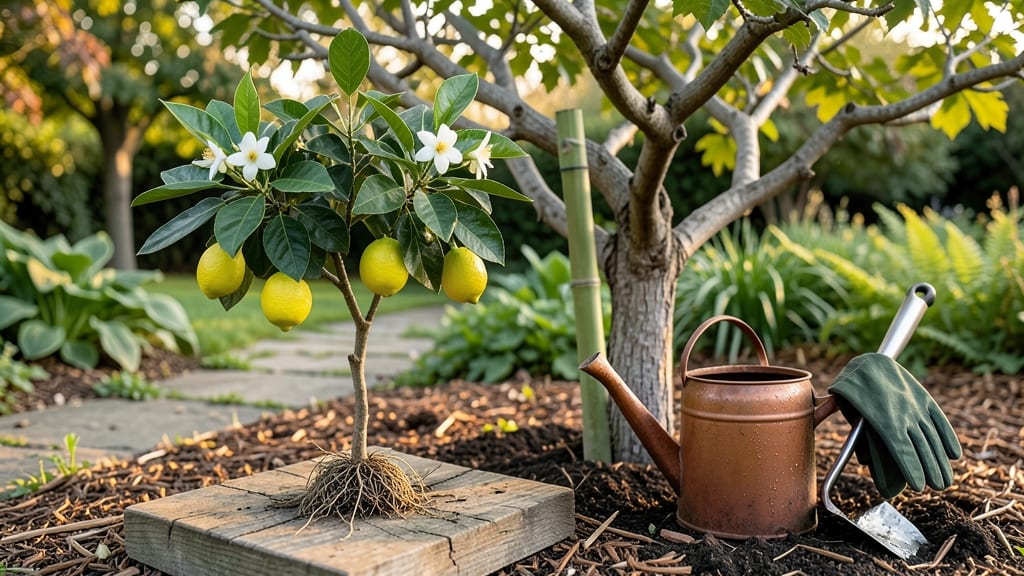
To plant a lemon tree in Louisiana, aim for late winter to early spring when soil temperatures rise above 60°F—this timing ensures your 🍋 thrives in the state's humid subtropical climate.
Louisiana’s warm winters and long growing season let you skip the frost worries of northern states, but rushing the process can backfire. Plant too early, and a late cold snap will shock your young tree; too late, and summer heat arrives before it establishes roots.
I’ve seen both mistakes lead to stunted growth—or worse, total failure.
Most gardeners in zones 8a-9b nail it by setting their calendars to February or March, when the risk of frost drops below 10% and the soil warms enough for root growth. Coastal areas can push planting into January, while inland regions should wait until March to avoid unexpected chills.
Below, I’ll break down the exact window for your region, soil prep secrets to prevent root rot in heavy clay, and how to protect your tree from Louisiana’s summer humidity spikes—so you go from seedling to harvest in record time.
Best planting months for lemon trees in Louisiana’s climate zones
Louisiana’s humid subtropical climate creates ideal conditions for lemon trees, but the timing of planting makes all the difference. In USDA zones 8a-9b, frost risk and soil temperatures determine the perfect window.
Planting too early exposes young trees to late-winter frosts, while waiting too long may delay fruit production. Let’s break down the best months for each zone to maximize your tree’s success.
Most Louisiana gardeners agree that late winter to early spring (February through April) offers the safest planting window. This period balances warm soil temperatures (above 60°F) with reduced frost risk.
However, coastal areas in zone 9b can plant slightly earlier, while inland zone 8a regions should wait until after the last frost date—typically mid-March.
Here’s the key rule: Soil must stay above 60°F for at least 2 weeks before planting. In Louisiana, this usually aligns with March and April, when daytime temperatures consistently stay above 70°F.
Planting in May or June is possible but risks heat stress for young roots, especially in containers.
| Zone | Best Planting Month | Soil Temp Requirement | Frost Risk | Notes |
|---|---|---|---|---|
| 8a (North LA) | March-April | 60°F+ for 2+ weeks | High (last frost ~Feb 15) | Wait until after last frost date |
| 8b (Central LA) | Late Feb-March | 60°F+ for 2+ weeks | Moderate (last frost ~Feb 20) | Coastal areas can plant earlier |
| 9a (South LA) | February-March | 55°F+ for 2+ weeks | Low (occasional light frost) | Can plant as early as Jan in microclimates |
| 9b (Coastal LA) | January-February | 55°F+ for 1+ week | Very Low (rare frost) | Best time for container planting |
For container-grown lemon trees, you have more flexibility. Since pots warm up faster, you can plant as early as January in zone 9b or February in zone 8a. However, avoid planting containers in summer heat, as they dry out quickly and risk root stress.
If you must plant in May or June, provide afternoon shade for the first 2-3 weeks.
Another critical factor is root establishment. Lemon trees planted in spring have 6-8 weeks of warm weather to develop roots before summer’s peak. This head start means stronger trees by fall blooming season.
Trees planted in late summer (August-September) may struggle with hurricane season winds and have less time to establish roots before winter.
If you’re growing dwarf varieties like 'Meyer' lemons, you can experiment with fall planting (October-November) in zone 9b. These trees establish roots quickly and tolerate cooler temperatures better than standard varieties. Just be prepared to protect them from light frosts with row covers or mulch blankets.
Pro tip: Monitor local microclimates. Areas near large bodies of water (like Lake Pontchartrain) stay warmer and have fewer frost risks than inland regions. Use weather stations or frost alerts from your local extension office to fine-tune your planting schedule.
Even a 5-day stretch of 40°F temperatures can damage young lemon trees.
Once you’ve chosen your planting window, focus on well-draining soil and full sun exposure. Louisiana’s clay-heavy soils often need amendments like sand or compost to prevent root rot. After planting, mulch heavily to retain moisture and regulate soil temperature—critical for citrus success in our humid climate.
Remember: Patience is key. While lemon trees can produce fruit in 2-3 years under ideal conditions, those planted at the wrong time may take 4-5 years to bear. By following these zone-specific guidelines, you’ll set your tree up for lush growth, abundant blooms, and juicy lemons year-round.
Critical factors that determine your lemon tree’s success in Louisiana
Once you’ve picked the right planting window, Louisiana’s humid subtropical climate introduces unique challenges that can make or break your lemon tree’s success. From heavy clay soil to hurricane winds and summer humidity, these factors demand attention beyond just timing.
Let’s break down what you need to know to give your citrus tree the best shot at thriving.
First, soil pH is non-negotiable for lemon trees. They thrive in acidic to slightly acidic soil with a pH range of 5.5 to 6.5. Louisiana’s native soils often lean toward neutral or alkaline, which can stress your tree.
Testing your soil before planting is a must—you can grab a DIY soil test kit from your local garden center for under $20.
Next, drainage becomes a major concern in Louisiana’s clay-heavy soils. Poor drainage leads to root rot, a silent killer of citrus trees. If your yard has compacted clay, consider amending it with organic matter like compost or peat moss.
For container growing, use a well-draining citrus mix with perlite or sand to prevent waterlogging.
🚨
Young lemon trees are particularly vulnerable to hurricane-force winds, which can uproot or snap their delicate branches. If you live in coastal areas, staking your tree for the first 2-3 years is essential.
Use flexible tree ties and a sturdy stake to provide support without restricting growth. For inland areas, summer humidity can create a breeding ground for pests like aphids and scale insects.
Another critical factor is summer heat management. While lemon trees love full sun, Louisiana’s intense summer heat (often exceeding 90°F) can stress young trees. Mulching around the base with wood chips or pine straw helps retain moisture and regulate soil temperature.
Additionally, drip irrigation is far superior to overhead watering—it keeps foliage dry and reduces the risk of fungal infections.
Finally, don’t overlook the importance of nutrient management in Louisiana’s soil. Even if your pH is perfect, the soil may lack essential micronutrients like zinc or manganese, which lemon trees need for healthy growth.
A citrus-specific fertilizer applied every 4-6 weeks during the growing season will keep your tree thriving. Look for one with a balanced NPK ratio (6-6-6 or 8-3-9).
By addressing these critical factors—soil pH, drainage, storm protection, and nutrient management—you’ll set your lemon tree up for long-term success in Louisiana’s challenging climate. With the right care, you could be enjoying homegrown lemons in as little as 2-3 years! 🌱