
Light Requirements
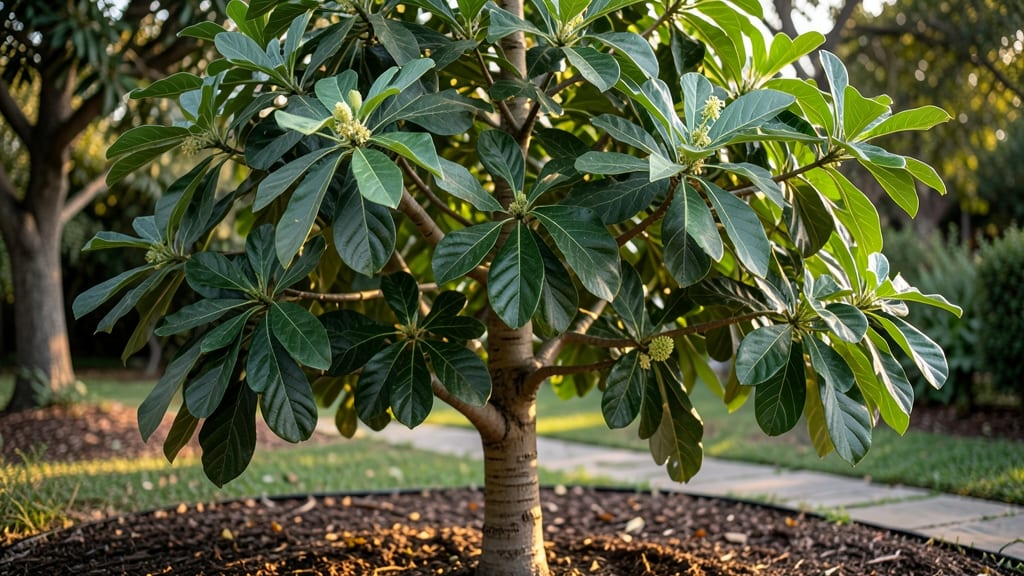
An avocado tree needs at least 6 to 8 hours of direct sunlight daily to thrive and produce fruit—more if you want the biggest harvests.
Struggling to grow a healthy avocado tree? Sunlight is the single most critical factor—too little and your tree languishes, too much and it scorches. Discover the exact light balance your 🥑 needs to thrive and produce fruit year after year.
In warmer climates like Zone 6a, full sun is a must, but in cooler areas or containers, you’ll need to get creative with placement and protection. The right light makes all the difference between a scraggly sapling and a lush, fruit-bearing tree.
Below, I’ll break down how to monitor sunlight, adjust for different environments, and spot the warning signs when your tree isn’t getting what it needs.


Ideal sunlight requirements for avocado trees by variety and growth stage
Avocado trees thrive under bright, direct sunlight, but their needs change dramatically based on variety, age, and climate. Standard varieties like Hass require 6-8+ hours of full sun daily, while dwarf varieties can tolerate slightly less light.
Understanding these nuances ensures your tree grows strong and produces fruit efficiently.
Young seedlings are the most sensitive to light conditions. They need 4-6 hours of morning sun to avoid scorching while establishing roots. Mature trees, on the other hand, can handle intense afternoon sun in tropical climates but may need afternoon shade in hot, dry Mediterranean regions.
Container-grown avocado trees require even more attention to sunlight. Since pots limit root spread, they need full sun exposure (8+ hours) to compensate. Without enough light, they’ll grow leggy and produce fewer flowers or fruit. In cooler climates, use a south-facing window or grow lights to supplement natural light.
Here’s a quick reference for sunlight needs by variety and growth stage:
In tropical climates (USDA Zones 10-11), avocado trees love full sun exposure year-round. The intense heat actually helps fruit ripen faster. However, in Mediterranean or coastal climates (Zones 8-9), afternoon shade becomes crucial during summer to prevent leaf burn and moisture loss.
For container cultivation, choose a spot that gets at least 6 hours of direct sunlight. If your balcony or patio only offers partial shade, opt for a dwarf variety like Mexicola and supplement with a reflective surface (white wall or mirror) to bounce extra light onto the tree.
Monitor your avocado tree’s leaves for signs of stress. Yellowing or curling leaves often signal too much sun, while pale, sparse foliage means it’s not getting enough light. Adjust placement gradually—avocado trees adapt poorly to sudden changes in light exposure.
Pro tip: Use a light meter or phone app to measure sunlight hours in your garden. Aim for at least 6,000 lux during peak hours for optimal growth. In low-light areas, consider pruning nearby trees or buildings to improve sunlight access.
Remember, avocado trees are native to tropical regions and crave bright light. Whether you're growing a standard Hass tree in your backyard or a dwarf variety on your windowsill, prioritize sunlight to ensure healthy growth and abundant fruit production.
Signs your avocado tree isn’t getting the right amount of sunlight (and how to fix it)
If your avocado tree looks like it’s struggling, sunlight is likely the culprit. Too little light causes weak growth, while too much can scorch leaves. Avocado trees need 6-8+ hours of direct sunlight daily to thrive, but many gardeners accidentally give them too much or too little.
Let’s diagnose the issue and fix it before your tree suffers irreversible damage.
Start by observing the leaves and branches. Yellowing leaves, leaf scorch, or brown edges are classic signs of sunburn or overexposure. On the flip side, stunted growth, sparse foliage, or no fruit production often mean your tree isn’t getting enough light.
These symptoms aren’t just cosmetic—they directly impact your tree’s ability to produce fruit and stay healthy.
⚠️ How Much Sunlight Does an Avocado Tree Need?
Minimum: 6 hours of direct sunlight daily (for survival).
Ideal: 8+ hours of full sun (for optimal growth and fruiting).
Maximum: Avoid harsh afternoon sun (12 PM–4 PM) in hot climates to prevent leaf burn.
Key Tip: Use a light meter or observe shadows—if your tree is in full shade for more than 4 hours, it’s not getting enough light.
If your avocado tree shows signs of leaf burn, such as crispy, brown patches on leaves, it’s getting too much direct sun. This is common in hot, dry climates or when trees are planted too close to reflective surfaces like concrete or pavement.
To fix this, provide afternoon shade using a lightweight shade cloth (30-50% shade) or plant near taller trees that offer natural shade during peak heat.
For under-exposed trees, the solution is simpler: move it to a sunnier spot. If your tree is in a container, relocate it to a south-facing patio or balcony. For in-ground trees, consider pruning nearby shade trees or thinning dense foliage that blocks sunlight.
Even a few extra hours of morning sun can make a dramatic difference in your tree’s growth and fruit production.
Don’t forget to monitor your tree’s growth habits after making changes. Healthy avocado trees grow 1-2 feet per year and produce fruit within 3-5 years with proper sunlight.
If you’ve adjusted the light and still see no improvement after 4-6 weeks, consider testing your soil’s nutrient levels or checking for pests, as these can also hinder growth.
With the right amount of sunlight, your avocado tree will reward you with lush foliage and delicious fruit. Keep an eye on those leaves, and don’t hesitate to make adjustments—your tree’s health depends on it! 🌿