
Diseases
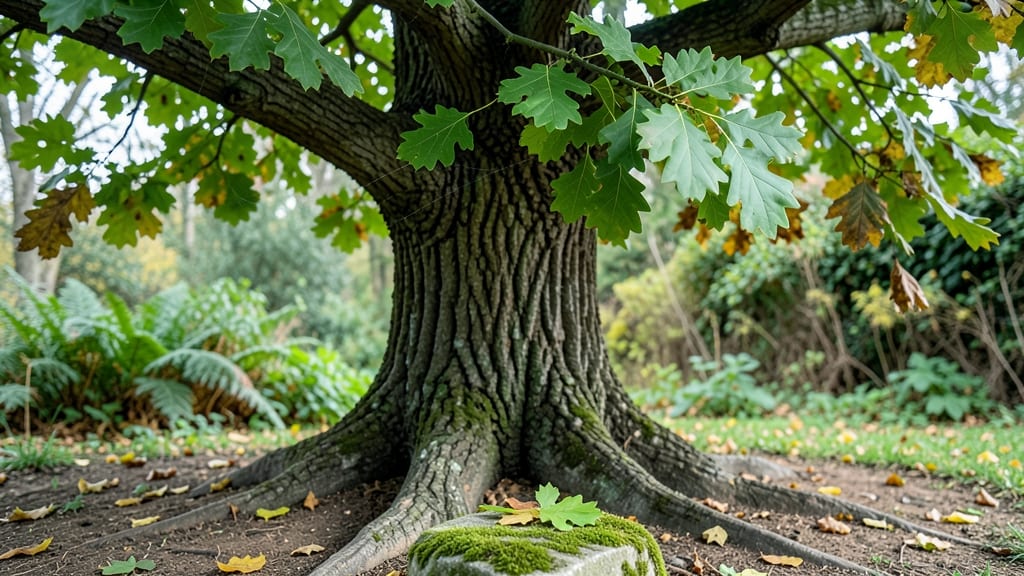
When your tree’s green leaves fall off in summer, it’s not just a cosmetic issue—it’s a cry for help. ✨ The most common culprit is fungal blight, which thrives in warm, humid conditions and can strip a tree bare faster than you’d expect.
I’ve seen it turn a healthy oak into a skeleton in just two weeks if left unchecked, so acting fast is key to saving your tree.
The problem usually starts with overhead watering or poor air circulation, creating the perfect environment for spores to spread. Trees like maples, oaks, and elms are especially vulnerable, but even fruit trees can fall victim.
The good news? Early intervention—like pruning infected branches and applying fungicide—can stop the spread before it’s too late.
You’ll notice the damage as brown spots or lesions on leaves before they fall, often accompanied by a white, powdery residue. Once you confirm it’s fungal, the fix is straightforward: remove affected leaves, improve airflow, and apply a copper-based fungicide every 7–10 days until new growth appears.
Most trees bounce back within 4–6 weeks with consistent care.
If the tree is large or the blight is severe, don’t hesitate to call an arborist—some infections require professional treatment to prevent spread to other plants. The faster you act, the better the outcome, so grab those pruners and get to work before summer’s heat worsens the problem.
Understanding Summer Leaf Drop Causes
When your tree’s vibrant green leaves start falling prematurely in summer, it’s often a distress signal from the plant. While some shedding is natural, excessive leaf drop—especially if paired with discoloration or spots—usually points to stress or disease.
Below, we break down the most common culprits, why they happen, and how to spot them early.
Summer’s scorching sun and dry spells can push trees past their comfort zone. Unlike winter dormancy, summer heat stress forces trees to conserve water by dropping leaves—especially in shallow-rooted species like maples, oaks, or fruit trees.
- Why it happens: High temperatures increase transpiration (water loss through leaves), while dry soil limits water uptake. When roots can’t keep up, the tree sheds foliage to reduce water demand.
- Signs to watch for:
- Leaves turn yellow or brown at the edges before falling.
- Wilting or crispy leaf edges (like paper).
- Soil pulls away from the pot (if potted) or feels bone-dry 2+ inches deep.
- Actionable fix:
- 💡 Deep watering: Soak the root zone slowly (1–2 inches per week) rather than surface sprinkling. Use a soaker hose or drip irrigation to avoid runoff.
- 🌡️ Mulch like a pro: Apply 2–4 inches of organic mulch (wood chips, straw) to retain moisture and regulate soil temp. Keep mulch away from the trunk to prevent rot.
- ✨ Shade relief: If possible, provide afternoon shade with lightweight shade cloth (30–50% coverage) for heat-sensitive trees.
Fungal infections thrive in summer’s warmth and humidity, turning lush leaves into a buffet for pathogens like anthracnose, powdery mildew, or leaf spot diseases. These fungi clog stomata (leaf pores), disrupting nutrient flow and causing premature leaf drop.
- Why it happens:
- Fungi spread via spores in moist conditions (think: summer storms or overhead watering).
- Weakened trees (from drought, poor soil, or pests) are prime targets.
- Some fungi, like Botryosphaeria, attack through wounds (e.g., pruning cuts or storm damage).
- Signs to watch for:
Disease Leaf Symptoms Other Clues Anthracnose Dark, irregular spots with yellow halos; leaves may crinkle. Common on maples, dogwoods, and sycamores; often starts at the leaf tips. Powdery Mildew White, fluffy patches (like dust) on upper leaf surfaces. Thrives in shady, humid areas; affects roses, grapes, and lilacs. Leaf Spot (e.g., Septoria) Small, brown/black spots with feathery edges; spots may have tiny black dots (fungal fruiting bodies). Often appears after rainy periods; can defoliate apple, pear, or shade trees. - Actionable fix:
- 🔥 Prune strategically: Remove and dispose of infected leaves/branches immediately (don’t compost!). Sterilize pruners with rubbing alcohol between cuts.
- 🌡️ Improve airflow: Thin out dense foliage and space plants 3–5 feet apart to reduce humidity near leaves.
- 💡 Fungal fighters: Apply copper fungicide (for anthracnose) or neem oil (for powdery mildew) at dawn to avoid burning leaves. Reapply every 7–14 days during wet spells.
- ✨ Prevent recurrence: Water at the base (not overhead) and avoid wetting leaves in the evening.
Summer’s pest parade—from Japanese beetles to spider mites—can skeletonize leaves, stress trees, and trigger premature drop. These critters don’t just eat leaves; they inject toxins or disrupt nutrient transport.
- Why it happens:
- Pests like aphids or gypsy moth caterpillars feed on sap, causing leaves to curl, yellow, and drop.
- Spider mites suffocate leaves by spinning webs, blocking sunlight and clogging stomata.
- Boring insects (e.g., emerald ash borer) disrupt the tree’s vascular system, leading to sudden defoliation.
- Signs to watch for:
Pest Leaf Damage Other Clues Japanese Beetles Irregular chewed edges; leaves may look lace-like. Adult beetles (green/brown) swarm trees in late summer. Spider Mites Tiny yellow stippling; leaves may turn bronze and dry out. Fine webs on undersides; worse in dry, hot conditions. Gypsy Moth Caterpillars Leaves skeletonized or bare; frass (droppings) visible. Hairy green caterpillars (1–2 inches long) on branches. - Actionable fix:
- 🔪 Manual removal: Drop beetles/mites into soapy water (1 tbsp dish soap + 1 gallon water). For caterpillars, handpick and crush or drop into a
Quick Fixes for Leaf Drop
When your tree’s vibrant green leaves start falling prematurely in summer, it’s time to act fast! The good news is that most causes—whether fungal blights, pests, or environmental stress—have practical solutions.
Below, we’ve mapped out targeted fixes based on the most common culprits, along with prevention tips to keep your tree thriving long-term.
If your tree is battling anthracnose, powdery mildew, or leaf spot, these fungi thrive in warm, humid summer conditions. Here’s how to tackle them:
🔥 Remove Infected Leaves & Debris
- Why? Fungal spores spread like wildfire on fallen leaves and mulch.
- How?
- Prune all infected branches (sterilize shears with rubbing alcohol between cuts).
- Rake up fallen leaves and dispose of them in the trash (not compost).
- Clear debris from the base of the tree and surrounding area.
💦 Apply Fungicide (Organic or Chemical)
- Best options:
- Neem oil (natural, safe for most trees; spray in the early morning or evening to avoid burning leaves).
- Copper fungicide (effective against blights; follow label instructions).
- Baking soda spray (mix 1 tsp baking soda + 1 tbsp oil + 1 quart water; spray undersides of leaves).
- When? Apply every 7–14 days until new growth appears.
🌡️ Improve Air Circulation
- Why? Fungi love stagnant, humid air.
- How?
- Thin out overcrowded branches to allow airflow.
- Space trees 6–10 feet apart if planting new ones.
- Avoid overhead watering (use drip irrigation instead).
💡 Prevention Tip:
✨ Water at the base (not the leaves) to reduce fungal spores splashing up. Early morning watering gives leaves time to dry before nightfall.
If aphids, spider mites, or Japanese beetles are sucking the life out of your tree, act quickly before they skeletonize the foliage.
🔪 Blast Off Pests with Soap or Oil
- Insecticidal soap (mix 2 tbsp castile soap + 1 quart water; spray directly on pests).
- Horticultural oil (apply in late afternoon to avoid leaf burn; effective against mites and beetles).
- Neem oil (also repels eggs and larvae; reapply after rain).
🕷️ Introduce Beneficial Predators
- Ladybugs (devour aphids) or praying mantises (eat beetles).
- Birdhouses near the tree attract insect-eating birds.
🌿 Strengthen the Tree’s Defenses
- Fertilize with compost (boosts natural pest resistance).
- Avoid broad-spectrum pesticides (they kill beneficial insects too).
💡 Prevention Tip:
🎯 Install netting over young trees if Japanese beetles are a recurring problem.
Heatwaves, drought, or poor soil can cause leaves to wilting and drop—even in summer. Here’s how to nurse your tree back to health:
💧 Deep Watering (Not Just a Sprinkle)
- How much? 1–2 inches per week (check soil moisture 2 inches deep—if dry, water deeply).
- When? Early morning (reduces evaporation and fungal risk).
- Method: Use a soaker hose or drip irrigation to water at the root zone.
🌱 Mulch Like a Pro
- Spread 2–4 inches of mulch (wood chips, bark) around the base (but not touching the trunk).
- Why? Keeps roots cool, retains moisture, and blocks weeds.
🌿 Adjust Fertilizer Use
- Problem: Over-fertilizing burns roots, making trees more susceptible to stress.
- Solution: Use a balanced, slow-release fertilizer (10-10-10) in early summer, then switch to potassium-rich (like 0-0-50) in late summer to boost drought resistance.
💡 Prevention Tip:
🌡️ Shade young trees during extreme heat with lightweight shade cloth (30–50% coverage).
If leaves are yellowing between veins (iron/chlorosis) or purpling (phosphorus), your tree might be hungry.
📊 Soil Test First
- Why? Over-fertilizing can do more harm than good.
- How? Send a soil sample to your local extension office for a pH and nutrient analysis (costs ~$20–$50).
🍎 Targeted Fixes by Deficiency
| Symptom | Likely Cause | Quick Fix |
|---|---|---|
| Yellow leaves (new growth) | Nitrogen deficiency | Apply compost or blood meal |
| Purple/red leaves | Phosphorus deficiency | Use bone meal or rock phosphate |
| Yellow between veins | Iron deficiency | Iron chelate (spray or soil drench) |
| Brown leaf edges | Potassium deficiency | Wood ash or greensand |
💡 Prevention Tip:
✨ Top-dress with compost every spring and fall to maintain soil health naturally.
If large branches are dying, strategic pruning can help the tree redirect energy to healthy growth.
⏰ Best Time to Prune
- Light pruning: Anytime in summer (just avoid extreme heat).
- Heavy pruning: Early spring or late fall (when the tree is dormant).
👨🍳 How to Prune Safely
- Sterilize tools (rubbing alcohol or bleach solution).
- Cut at a 45° angle just above a bud or branch collar.
- Remove only dead/diseased branches—never more than 25% of the canopy at once.
- Seal large cuts (with pruning sealant) if the branch is over 2 inches thick.
💡 Prevention Tip:
🌿 Prune in stages over 2–3 years for large trees to avoid shocking the plant.
Before you call it a day, run through this quick recovery checklist:
- [ ] Removed all infected leaves/debris (trash, not compost).
- [ ] Applied fungicide or pest control (reapply as needed).
- [ ] Deep-watered (1–2 inches per week).
- [ ] Added mulch (2–4 inches, kept away from the trunk).
- [ ] Tested soil (or amended with compost).
- [ ] Pruned strategically (only dead/diseased branches).
With these steps, your tree should bounce back within 4–8 weeks—just keep an eye on it and adjust as needed. 🌳💚
Frequently asked questions
Why are my tree's leaves falling off in summer if it's not winter?
Summer leaf drop usually signals stress from heat, drought, or pests—not seasonal change. Trees like maples or oaks often shed leaves when roots can't keep up with water demands during dry spells. Check for brown leaf edges or wilting—these are classic signs of heat stress or dehydration.
How can I tell if fungal disease is causing leaf drop?
Look for dark spots with yellow halos (anthracnose) or white powdery residue (mildew) on leaves before they fall. Fungal infections often appear after rainy periods. Remove infected leaves immediately and apply copper fungicide every 7–10 days to stop the spread.
Will my tree grow new leaves if I fix the problem?
Yes! Most trees recover within 4–8 weeks if you address the root cause. Focus on deep watering, removing infected foliage, and improving airflow. For severe cases, apply a balanced fertilizer to support regrowth. Just avoid over-pruning—healthy branches will regenerate faster.
Can I save a tree that's already lost most of its leaves?
It depends on the cause. If it's drought stress, deep watering and mulching can revive roots. For fungal infections, aggressive treatment (fungicide + pruning) may help. However, if the tree is severely weakened (e.g., by borers or blight), consult an arborist—they can assess if the tree is salvageable or needs removal.
How do I prevent summer leaf drop next year?
Start with proper watering (1–2 inches per week) and mulching (2–4 inches). Prune to improve airflow, and avoid overhead watering to prevent fungal spores. Test soil for nutrients and apply compost or slow-release fertilizer in early spring. Monitor for pests early—neem oil or insecticidal soap can prevent outbreaks.