
Pests and Diseases
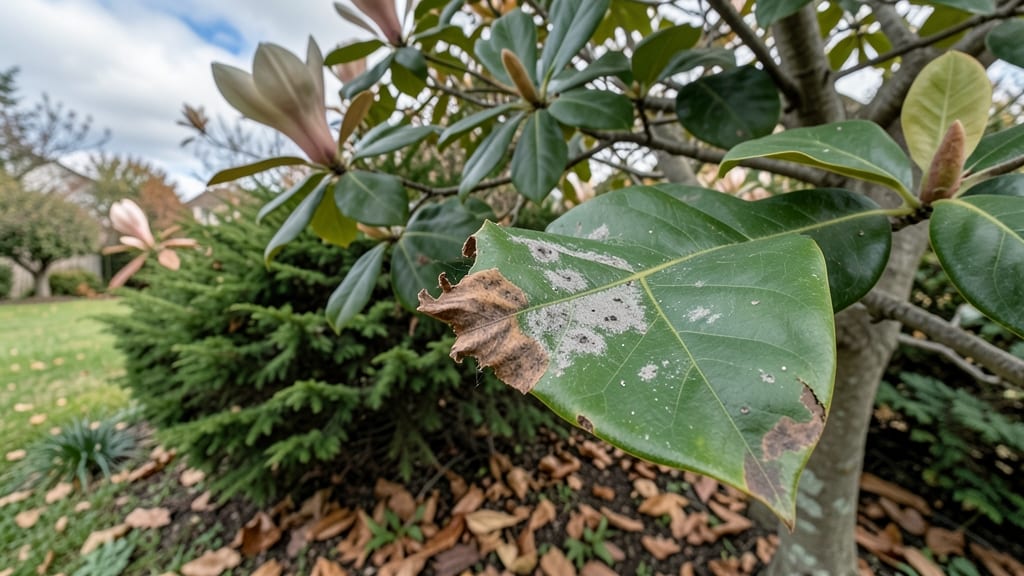
Your magnolia tree’s leaves turning brown and falling off before fall isn’t just seasonal—it’s a cry for help. 🌿 I’ve watched this happen with my own tree, and the good news?
Most causes have simple fixes that work fast, even for non-gardeners. The key is identifying whether it’s fungal, pest-related, or stress-induced, because each needs a different approach.
Anthracnose, the most common culprit, thrives in wet springs and leaves blackened spots with yellow edges. Pests like scale or spider mites suck sap, causing leaves to crisp and fall.
Even nutrient deficiencies or sudden drought can mimic these symptoms—so don’t jump to conclusions. The first step is checking the undersides of leaves and the bark for clues.
Once you know the problem, solutions are straightforward: fungicides for anthracnose, neem oil for pests, and deep watering for stress. I’ve restored trees in as little as 3 weeks with consistent care. The secret? Acting before 50% of leaves drop—early intervention makes all the difference.
This works for both southern magnolias and star magnolias, and the same principles apply whether your tree is young or mature. Let’s turn that browning around before winter sets in—your tree’s health depends on it.
Root Causes Behind Leaf Loss
When your magnolia’s leaves start browning and dropping prematurely, it’s often a cry for help from the tree itself. Understanding the why behind this stress is the first step to restoring its health.
Below, we break down the most common culprits—each with a clear scientific explanation and actionable insights to help you diagnose the issue accurately.
Magnolias thrive in specific climate conditions, and when those are disrupted, leaves react by turning brown and dropping. Here’s what’s likely happening:
- Extreme Heat or Drought Magnolias are sensitive to prolonged drought, especially when paired with high temperatures. When soil moisture drops below 30%, roots struggle to absorb water, leading to wilting, crispy brown edges (scorching), and premature leaf drop.
The tree prioritizes survival by shedding foliage to conserve energy. - Actionable fix: Deep water 1-2 times per week (1-2 inches per session) during dry spells. Use drip irrigation or soaker hoses to avoid wetting leaves (which can invite fungal diseases).
- Cold or Frost Damage Young magnolia leaves are particularly vulnerable to late spring frosts (below 28°F). Frost causes cell rupture in leaves, leading to brown, mushy patches that eventually fall off.
Mature trees may survive, but repeated frost stress weakens growth. - Actionable fix: Cover young trees with frost cloth during forecasts. Plant cold-hardy varieties (e.g., Magnolia grandiflora ‘Little Gem’) if frost is a recurring issue.
- Wind or Physical Damage Strong winds can tear leaves or cause abrasion (leaves rubbing against branches or structures), leading to brown, ragged edges. This is more common in exposed locations or after storms. - Actionable fix: Prune to improve airflow and stake young trees in windy areas.
Avoid planting near tall structures that could exacerbate damage.
Fungi thrive in moist, humid conditions and can turn magnolia leaves into a buffet of decay. The most common offenders include:
- Powdery Mildew This fungal disease appears as white, powdery patches on leaves, which later turn brown and crispy. It clogs leaf pores, blocking photosynthesis and causing premature drop. - Scientific note: Erysiphe and Sphaerotheca fungi spread via wind and splashing water.
They love shady, poorly ventilated areas. - Actionable fix: Apply neem oil or baking soda spray (1 tbsp baking soda + 1 quart water + a drop of dish soap) every 7–10 days. Prune for better air circulation.
- Anthracnose A more aggressive fungus causing dark brown, sunken spots with yellow halos. Leaves may develop holes or drop entirely.
Anthracnose thrives in wet springs. - Scientific note: Caused by Colletotrichum spp., it overwinters in fallen leaves and infected buds. - Actionable fix: Rake and remove fallen leaves in fall. Use copper fungicide at first signs of infection.
- Root or Stem Rot (Phytophthora) If brown leaves appear suddenly and the tree looks wilted despite moist soil, root rot may be the culprit.
This fungal pathogen (Phytophthora spp.) thrives in waterlogged soil, cutting off water and nutrient flow. - Actionable fix: Improve drainage by amending soil with compost or sand. Avoid overwatering—1–1.5 inches per week is ideal. In severe cases, fungicide drenches (e.g., phosphite-based products) may help.
Pests don’t just chew leaves—they inject toxins, trigger stress responses, or create entry points for diseases. Watch for these troublemakers:
- Magnolia Scale These sap-sucking insects ( armored scale ) coat branches and undersides of leaves, excreting sticky honeydew that attracts sooty mold.
Infested leaves turn yellow, then brown, and drop. - Scientific note: Adult females are immobile and protected by a waxy shell; nymphs (crawlers) spread the infestation in spring. - Actionable fix: Scrape off scales with a plastic scraper or apply horticultural oil in late winter/early spring (before crawlers emerge).
- Japanese Beetles These metallic green beetles skeletonize leaves (eating everything but the veins), causing them to brown and fall.
A single beetle can defoliate a branch in days. - Actionable fix: Handpick beetles into soapy water or use neem oil as a repellent. Milky spore (a natural bacteria) can reduce larval populations long-term.
- Spider Mites Tiny but destructive, these pests pierce leaf cells, causing stippling (white/yellow dots) that turn brown as leaves dry out. They thrive in hot, dry conditions. - Actionable fix: Spray leaves with water to dislodge mites.
Use miticides (e.g., sulphur or pyrethrin) if infestations persist.
Magnolias are heavy feeders, and poor soil health can lead to chlorosis (yellowing) followed by browning and leaf drop. The most common deficiencies include:
- Iron Deficiency (Chlorosis) Young leaves turn yellow between veins before browning and dropping.
This occurs in alkaline or compacted soil, where iron becomes unavailable. - Scientific note: Iron is immobile in plants—new leaves show symptoms first. - Actionable fix: Apply chelated iron (e.g., Ironite) in early spring. Lower soil pH with sulfur or peat moss (ideal pH: 5.5–6.5).
- Nitrogen Deficiency Leaves turn pale green or yellow overall, then brown and fall off. This happens when soil lacks organic matter or after over-pruning.
- Actionable fix: Add compost or slow-release nitrogen (e.g., blood meal) in early spring. Avoid synthetic fertilizers, which can burn roots.
- Potassium or Magnesium Deficiency Potassium deficiency causes brown leaf edges (scorch) and weak stems, while magnesium deficiency leads to interveinal yellowing (like iron, but older leaves first).
- Actionable fix: Apply potassium sulfate or Epsom salt (for magnesium) in early spring. Test soil annually for precise amendments.
Pro Tip 💡: Before treating, rule out environmental causes—fungicides or fertilizers won’t help if the tree is simply underwatered or sun-scorched! Conduct a simple soil test (pH and nutrient analysis) to confirm deficiencies.
Quick Fixes for Brown, Dropping Magnolia Leaves
If your magnolia tree’s leaves are turning brown and falling off, don’t panic—most issues have simple, effective solutions. Below, we’ll break down the most common causes and pair them with practical, step-by-step fixes to restore your tree’s health. We’ll also include prevention tips to keep your magnolia thriving year-round.
Signs: Yellowing leaves, brown edges, soggy soil, or leaves dropping even when watered.
How to Fix It: 🔥 Step 1: Check the Soil
- Stick your finger 2–3 inches deep into the soil. If it feels damp or muddy, your tree is overwatered. Magnolias hate "wet feet" and need well-draining soil.
👨🍳 Step 2: Improve Drainage - If your tree is in a container, add a layer of gravel or perlite at the bottom before repotting. - For in-ground trees, amend the soil with compost or sand to loosen heavy clay.
A 50/50 mix of native soil and organic matter works well.
🥘 Step 3: Adjust Watering Habits
- Water deeply but infrequently—once a week (or less in winter) is usually enough, unless it’s extremely hot or dry.
- Never water on a schedule—check the soil first! A moisture meter ($10–$15) takes the guesswork out.
💡 Pro Tip: If your tree is in a low-lying area, consider raising the soil level with a mound of amended soil to prevent water pooling.
Signs: Brown, crispy patches on leaves (often on the south or west side of the tree), especially after hot spells.
How to Fix It: 🔥 Step 1: Provide Afternoon Shade
- If your magnolia is in a full-sun spot, install light shade cloth (30–50%) during peak summer heat (11 AM–3 PM).
- Temporary fix? Use white garden fabric draped over a trellis or stakes.
🍳 Step 2: Mulch Properly
- Apply 2–4 inches of mulch (wood chips or pine straw) around the base of the tree, keeping it 6 inches away from the trunk.
- Mulch retains moisture and regulates soil temperature.
🌡️ Step 3: Water Deeply in Heatwaves
- During drought or extreme heat, water early in the morning (before 8 AM) to reduce evaporation.
- Drip irrigation is ideal—it delivers water slowly to the roots where it’s needed most.
✨ Prevention Tip: If you’re planting a new magnolia, choose a semi-shaded spot (especially for Southern Magnolias, which are more sun-sensitive).
Signs: Sticky residue (honeydew), tiny black bugs on stems, webbing on leaves, or holes in bark.
How to Fix It: 🔥 Step 1: Identify the Pest
- Scale insects = Bumpy, brown shells on stems/leaves.
- Spider mites = Fine webbing on undersides of leaves.
- Borers = Sawdust-like frass near the trunk or wilting branches.
👨🍳 Step 2: Treat Infestations
- For scale & mites:
- Neem oil spray (1 tbsp neem oil + 1 tsp mild soap + 1 quart water) – spray thoroughly (top and bottom of leaves).
- Horticultural oil (applied in early spring or fall when pests are dormant).
- For borers:
- Drill holes into the infested area and inject pesticides (like Bt or permethrin).
- Prune and destroy heavily damaged branches.
🥘 Step 3: Encourage Natural Predators
- Ladybugs, lacewings, and birds eat pests! Plant nearby flowers (like dill, marigolds, or cosmos) to attract them.
💡 Pro Tip: Prune in late winter (before pests wake up) to remove egg-laying sites.
Signs: White powdery coating, dark brown spots with yellow halos, or premature leaf drop.
How to Fix It: 🔥 Step 1: Improve Airflow
- Thin out dense branches to allow sunlight and air circulation.
- Avoid overcrowding with other plants.
🍳 Step 2: Apply Fungicides
- Baking soda spray (1 tsp baking soda + 1 quart water + a drop of soap) – spray leaves weekly for powdery mildew.
- Copper fungicide (like Copper Soap) for leaf spot (follow label instructions).
🌡️ Step 3: Water at the Base
- Never wet the leaves when watering—water the soil only (use a soaker hose).
✨ Prevention Tip: Clean up fallen leaves in autumn—they harbor fungal spores!
Signs: Uniform yellowing (chlorosis), weak growth, or small, pale leaves.
How to Fix It: 🔥 Step 1: Test Your Soil
- A DIY soil test kit ($10–$20) checks pH and nutrient levels. Magnolias prefer slightly acidic soil (pH 5.0–6.5).
👨🍳 Step 2: Amend Soil & Fertilize
- Iron deficiency? Use chelated iron supplement (like Ironite).
- General boost? Apply slow-release fertilizer (like 10-10-10) in early spring.
- For containers, use acid-loving plant fertilizer (like Miracle-Gro Azalea/Camellia).
🥘 Step 3: Mulch with Acidic Materials
- Pine needles, oak leaves, or peat moss help lower pH naturally.
💡 Pro Tip: Avoid over-fertilizing—magnolias are light feeders and can burn roots with too much salt.
Signs: Leaves turning brown in late summer/fall, dropping even when healthy-looking.
What to Do:
- This is normal! Magnolias prep for dormancy in late summer/early fall.
- Stop fertilizing in September to encourage natural leaf drop.
- Rake up fallen leaves in late fall to prevent fungal buildup over winter.
Final Reminder: Most magnolia leaf issues are preventable with proper watering, sunlight, and care. Start with one fix (like improving drainage or spraying for pests), then monitor progress over 2–4 weeks. If problems persist, consult a local arborist for a deeper diagnosis.
🌿 Your magnolia will bounce back—just give it the right TLC!
Frequently asked questions about magnolia tree leaf issues
Why do magnolia leaves turn brown in spots but stay attached?
This is often a sign of anthracnose fungus or powdery mildew. Look for dark brown spots with yellow edges (anthracnose) or white powdery patches (mildew). Both thrive in wet, humid conditions. Prune infected branches immediately and apply copper fungicide or neem oil to prevent spread.
Can overwatering cause magnolia leaves to brown and drop?
Magnolias hate soggy roots. When soil stays too wet, it triggers root rot, cutting off water/nutrients to leaves. Check for mushy brown roots and improve drainage by amending soil with compost or sand. Water only when top 2 inches of soil are dry—deep but infrequent watering is key.
How do I tell if my magnolia has pest problems?
Look for sticky honeydew (scale insects), fine webbing (spider mites), or chewed leaf edges (Japanese beetles). Turn leaves over—pests often hide there! For mild infestations, spray with neem oil (1 tbsp per quart of water). Severe cases may need horticultural oil applied in early spring.
Is it normal for magnolia leaves to drop in late summer?
Yes, but only if they're healthy-looking first. Magnolias naturally prepare for dormancy by shedding 10-20% of leaves in late summer/fall. If leaves are already brown/yellow, check for nutrient deficiencies (like iron chlorosis) or fungal diseases. Test soil pH—ideal range is 5.5-6.5.
Will pruning help my magnolia recover from leaf drop?
Yes, but only if done correctly! Prune dead or diseased branches first (cut 1/4 inch above a healthy bud). Avoid heavy pruning in summer—focus on improving airflow to prevent fungal issues. For stressed trees, remove no more than 25% of foliage at one time. Always sterilize tools with rubbing alcohol between cuts.