
Trees
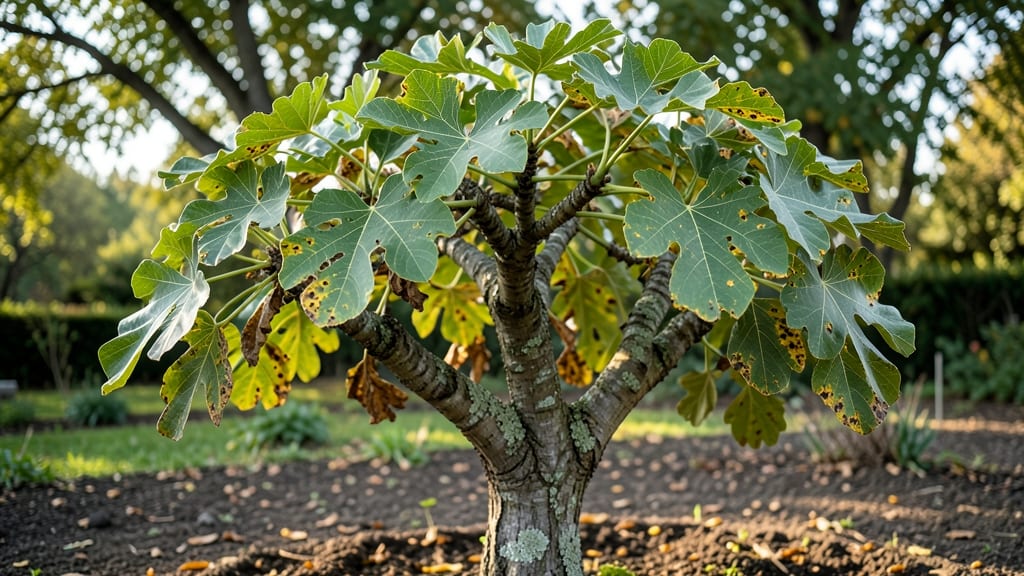
Fig tree leaves turning yellow with brown spots? That’s fungal blight talking—and it’s fixable. 🌿 I’ve nursed back more than a few fig trees from this exact problem, and the secret lies in fast action.
The spots start small, then spread like a bad rumor, but with the right moves, you’ll see fresh green leaves within weeks.
Most often, it’s anthracnose or rust fungus caused by too much moisture on leaves (hello, overhead watering!). Spider mites can also stress the tree, making it vulnerable. The good news?
Pruning infected branches early and improving airflow stops the spread. I’ve even revived trees with just neem oil spray and better watering habits—no fancy chemicals needed.
Here’s the game-changer: remove all infected leaves (yes, even the sad ones) and thin the canopy for airflow. A copper fungicide spray every 7–10 days for two weeks knocks out stubborn spores.
By mid-summer, your tree will bounce back—thicker leaves, fewer spots, and maybe even a few figs if you’re lucky.
Prevention is easier than cleanup: water at the base (not the leaves), mulch to keep soil moist but not soggy, and prune regularly. This isn’t just a fix—it’s a long-term strategy for a healthier tree. Let’s get those leaves back to vibrant!
Root Causes Behind Discolored Leaves
When your fig tree’s leaves start showing yellowing with brown spots, it’s usually a sign of stress or disease. Understanding the why behind these symptoms is the first step to restoring your tree’s health. Below, we break down the most common culprits—each with a clear scientific explanation and actionable insights.
---
Fungal diseases like **fig rust (Cercospora ficicola), anthracnose, or leaf spot are the #1 reason for yellowing and brown spots. These pathogens thrive in warm, humid conditions and attack weak or stressed trees.
- How it works: Fungi release spores that land on leaves, penetrating through natural openings (like stomata) or wounds.
They disrupt the tree’s chlorophyll production, causing yellowing, and later release toxins that create brown necrotic spots. - Key identifiers: - Spots often have halos (darker edges) or powdery orange pustules (rust). - Leaves may curl or drop prematurely. - Why it spreads**: Overhead watering, poor airflow, or old mulch (harboring spores) accelerate fungal growth.
---
Bacteria like Pseudomonas syringae or Xanthomonas can also trigger yellowing and brown spots. These pathogens enter through leaf wounds (e.g., from pruning tools or hail) and multiply rapidly in moist conditions.
- How it works: Bacteria clog the leaf’s vascular system, starving it of nutrients.
Infected areas turn water-soaked brown, often with yellow margins. - Key identifiers: - Spots may oozes (especially in wet weather). - Symptoms appear suddenly and worsen fast. - Why it spreads: Rain splashing from infected leaves or contaminated pruners.
---
Yellowing with brown spots can also signal nutritional stress, particularly iron, magnesium, or nitrogen deficiencies. These deficiencies weaken the tree’s defenses, making it vulnerable to secondary infections.
- How it works: - Iron deficiency (common in alkaline soils) causes interveinal chlorosis (yellowing between veins) with brown crispy edges. - Magnesium deficiency (often in sandy soils) leads to yellow patches with brown dead spots, starting at leaf tips. - Nitrogen deficiency results in pale yellowing (not just brown spots) and stunted growth. - Key identifiers: - Older leaves show symptoms first (for magnesium/iron). - New growth is weak or sparse.
---
Extreme heat, drought, or frost can burn leaves, causing yellowing and brown patches. Unlike diseases, these issues are physical damage, not infections.
- How it works: - Heat stress: High temperatures (>90°F) cause oxidative damage, leading to scorched brown edges and yellowing. - Drought: Roots struggle to supply water, causing wilting and necrosis (dead brown tissue). - Frost damage: Ice crystals rupture cell walls, creating brown, mushy spots. - Key identifiers: - Symptoms appear suddenly after weather shifts. - Entire leaves may crisp or curl.
--- Sap-sucking pests like spider mites, aphids, or scale insects weaken leaves, making them prone to discoloration. Their feeding disrupts photosynthesis, leading to yellowing, and their waste (honeydew) can foster sooty mold (black fungal growth).
- How it works: - Pests inject toxins while feeding, causing stippling (tiny brown dots). - Heavy infestations lead to leaf drop and stunted growth. - Key identifiers: - Look for tiny webs (mites), sticky residue (aphids), or white cottony patches (scale). - Leaves may appear speckled or translucent.
--- While drought stresses trees, excess moisture is equally harmful. Waterlogged roots can’t absorb oxygen, leading to root rot (Phytophthora or Fusarium), which then starves the leaves.
- How it works: - Roots suffocate, reducing nutrient/water uptake. - Fungal pathogens thrive in soggy soil, spreading to leaves. - Key identifiers: - Yellowing starts at the bottom of the tree. - Soil smells musty, and leaves feel soft or mushy.
--- Over-fertilizing (especially with high salt or synthetic chemicals) or pesticide misuse can cause leaf damage. Symptoms mimic deficiencies but appear suddenly after treatment.
- How it works: - Excess salts disrupt cell function, leading to brown, crunchy edges. - Herbicides or fungicides (applied incorrectly) can bleach or burn foliage. - Key identifiers: - Symptoms appear uniformly across leaves. - New growth is stunted or deformed.
--- To diagnose accurately: 1. Check the pattern: Random spots = fungal/bacterial; uniform = environmental/chemical. 2. Inspect undersides: Fungal spores or pest eggs may be visible.
3. Test soil: A simple pH kit can reveal deficiencies or toxicity. 4. Monitor weather: Recent heat, rain, or frost? Note the timing.
Once you identify the root cause, you can target treatments—whether it’s fungicides, pruning, or adjusting care routines. Stay tuned for our next section on quick fixes to revive your fig tree!
Revive Your Fig Tree Now
---
If your fig tree’s leaves are turning yellow with unsightly brown spots, don’t panic—there’s hope! The key is identifying the root cause (like fungal blight, nutrient deficiencies, or pests) and taking targeted action.
Below, we break down practical fixes for each common issue, plus proactive tips to keep your tree thriving. Let’s get your fig tree back to its lush, green self!
---
Fungal infections like rust, anthracnose, or leaf spot thrive in damp, humid conditions. Here’s how to tackle them:
#### 🔥 Step 1: Prune the Problem Areas - 👨🍳 Remove infected leaves—clip off any yellowing or spotted foliage at the base of the stem to prevent spread. - ⏰ Do this in the morning so the tree has time to dry out before evening moisture sets in.
#### 🍳 Step 2: Apply Fungicide (Organic or Chemical) | Option | How to Use | Best For | |--------------------------|-------------------------------------------------------------------------------|---------------------------------------| | Neem Oil | Mix 1 tbsp neem oil + 1 tsp mild soap in 1 quart water.
Spray evenly on both leaf sides. Repeat every 7–10 days. | Early-stage infections, organic gardens | | Copper Fungicide | Follow label instructions (typically 1–2 tbsp per gallon of water).
Spray at dusk to avoid leaf burn. | Severe fungal outbreaks | | Baking Soda Spray | Dissolve 1 tbsp baking soda + 1 tsp oil in 1 gallon water. Spray weekly. | Preventative care, mild cases |
#### 🌡️ Step 3: Improve Airflow & Reduce Moisture - ✨ Thin out dense branches to allow sunlight and air to circulate. - 🎯 Water at the base (not overhead) and avoid late-day watering. - 💡 Add mulch (2–3 inches of wood chips) to keep roots cool and soil dry.
---
Yellowing leaves with brown edges often signal iron, magnesium, or nitrogen shortages.
#### 🔥 Step 1: Test Your Soil - Use a DIY soil test kit (available at garden centers) or send a sample to a local extension office for a full analysis.
#### 🍳 Step 2: Amend the Soil | Deficiency | Solution | Signs to Watch For | |----------------------|-----------------------------------------------------------------------------|--------------------------------------------| | Iron (Chlorosis) | Apply chelated iron or sprinkle iron sulfate around the root zone. | Yellow leaves with green veins | | Magnesium | Work in Epsom salt (1 tbsp per gallon of water) or dolomitic lime. | Brown spots between leaf veins | | Nitrogen | Use a balanced fertilizer (10-10-10) or compost in early spring. | Overall pale yellowing, stunted growth |
#### 💡 Pro Tip: - Avoid over-fertilizing—too much salt can burn roots. Start with half the recommended dose and monitor progress.
---
Tiny pests can weaken leaves, leading to yellowing and brown spots.
#### 🔪 Step 1: Blast Off Pests - 🚿 Spray with water (strong stream) to dislodge aphids or spider mites. - 🍳 Use insecticidal soap (1.5 tbsp per quart of water) or horticultural oil for stubborn infestations.
#### 🌡️ Step 2: Introduce Beneficial Insects - Ladybugs, lacewings, or parasitic wasps (available at garden centers) devour pests naturally.
#### 🎯 Prevention: - 💡 Inspect new plants before bringing them home. - ✨ Keep the tree healthy—stressed trees attract more pests.
---
1. 🍃 Boost Immunity: Feed your fig tree with compost tea or fish emulsion to strengthen its defenses. 2. ☀️ Ensure Full Sun: Figs need 6–8 hours of sunlight daily—move potted trees to a sunnier spot if needed.
3. 💧 Water Wisely: Let the top 1–2 inches of soil dry out between waterings to prevent fungal growth. 4. 🔄 Rotate Treatments: If using chemicals, alternate between copper-based and sulfur-based fungicides to avoid resistance.
---
With consistent care, your fig tree should bounce back in 4–6 weeks. Keep an eye on progress and adjust treatments as needed. Happy gardening! 🌳💚
Frequently asked questions
Why do my fig tree leaves turn yellow first, then develop brown spots?
This classic progression usually signals a fungal infection like anthracnose or rust. Fungi first disrupt chlorophyll (causing yellowing), then release toxins that create brown necrotic spots. Check leaf undersides for powdery orange pustules (rust) or dark halos (anthracnose).
Can I save my fig tree if half the leaves have brown spots?
Yes, but act fast! Prune all infected leaves immediately and apply copper fungicide or neem oil every 7–10 days. Improve airflow by thinning branches and water at the base only. With consistent care, new growth should emerge within 4–6 weeks.
Is it safe to eat figs from a tree with yellow/brown leaves?
Only if the spots are from environmental stress (heat/drought), not fungal infections. If leaves show signs of disease (spores, oozing), avoid eating figs—fungal spores can contaminate fruit. When in doubt, remove all affected figs and focus on treating the tree.
How do I tell if my fig tree needs fungicide or just better care?
Start with cultural fixes: water at the base, improve airflow, and remove infected leaves. If new spots appear within 2 weeks, use neem oil (organic) or copper fungicide (chemical). Fungicides are a last resort—prevention through proper care works best.
Will pruning infected leaves help, or will the tree just grow more?
Pruning is critical! Removing infected leaves stops spore spread and forces the tree to produce new, healthy growth. Just prune at the base of the stem (not mid-leaf) and sterilize tools with rubbing alcohol between cuts. The tree will reward you with fresh foliage!