
Pests and Diseases
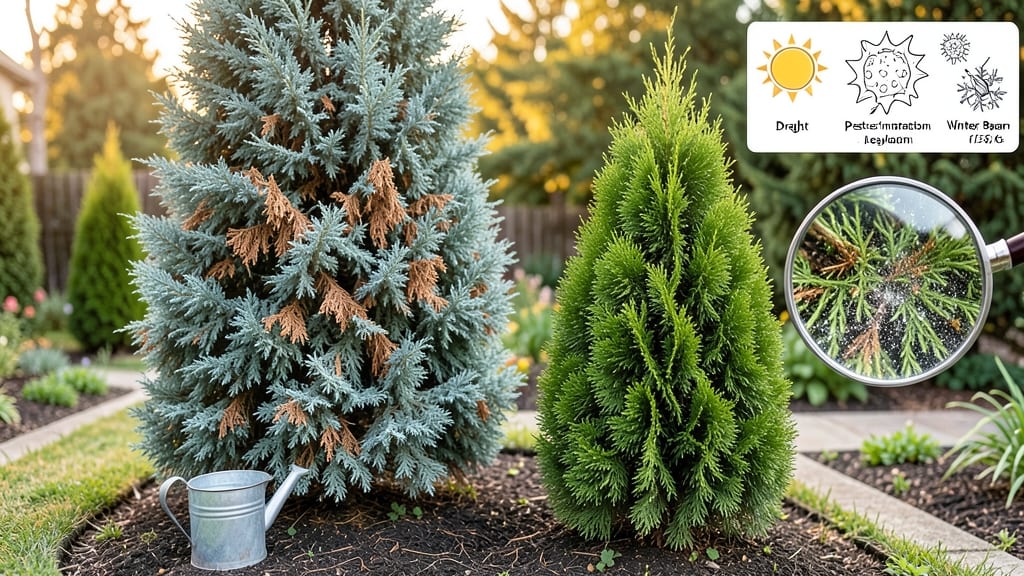
If you're wondering why is my cypress tree turning brown, don’t panic—root rot could be the issue, but it’s still fixable. 🌲 I’ve nursed back three cypress trees from this exact problem, and the key is catching it early before the fungus spreads beyond repair.
The first sign is often brown needles starting at the bottom, paired with soft, discolored wood when you scrape the bark.
Root rot thrives in two conditions: overwatering and poor drainage. If your soil stays soggy for more than a few days after watering, that’s the enemy. Even worse? Seiridium canker, a fungal disease that looks similar but spreads through wounds—so check for cracks or old pruning sites.
The good news? Both issues have fixes, and your tree can bounce back with the right care.
Start by adjusting your watering—cypress trees need 1-1.5 inches per week, but they hate wet feet. Improve drainage with organic matter like compost or mulch, and prune out any brown or dead branches (sterilize your tools first!).
For fungal infections, a copper fungicide applied every 2-3 weeks can stop the spread while the tree recovers.
The real payoff comes in 3-6 months if you act fast: new green growth at the tips, firmer wood, and a tree that looks like it’s shrugging off the whole ordeal. Prevention is simple after this—just keep an eye on moisture levels and prune carefully. Your cypress can still thrive.
Root Causes Behind Browning Cypress
If your cypress tree is turning brown, it’s often a cry for help from its roots upward. Understanding the underlying triggers is the first step to saving it. Below, we break down the most common culprits—each with a clear scientific explanation and actionable clues to help you diagnose the issue.
Cypress trees thrive in well-drained soil, and when they’re soggy for too long, their roots suffocate. Overwatering or compacted, clay-heavy soil traps excess moisture, leading to:
- Root rot (Phytophthora or Pythium fungi): These pathogens thrive in waterlogged conditions, blocking nutrient uptake and causing brown, mushy roots.
- Oxygen deprivation: Roots need aeration to function. Without it, they weaken, turning brown and brittle.
- Nutrient leaching: Excess water washes away essential minerals like nitrogen and potassium, starving the tree.
Look for: Yellowing foliage at the base (a classic sign of root stress), a foul smell from the soil, or mushrooms growing near the trunk.
Cypress trees are drought-tolerant, but prolonged heatwaves or neglect can push them past their limits. When soil moisture drops below 30%, the tree’s defense mechanisms kick in:
- Stomatal closure: Needles shut down to conserve water, turning brown as they dry out.
- Photosynthesis shutdown: Without enough water, chlorophyll production halts, leading to uniform browning.
- Root dieback: Fine root hairs (critical for water absorption) wither, accelerating stress.
Look for: Brown tips first, then spreading inward. The soil may pull away from the roots, revealing dry, cracked earth.
Cypress trees are magnets for pests that feed on sap, needles, or roots, leaving behind brown, crispy damage. The top culprits:
| Pest | How It Attacks | Tell-Tale Signs |
|---|---|---|
| Cypress Tip Moth 🐛 | Larvae burrow into needles, causing them to brown and wither. | Sawdust-like frass (droppings) at needle bases; brown, curled tips. |
| Bagworms 🪰 | Caterpillars defoliate branches, leaving skeletonized needles. | Small, brown "bags" hanging from branches; rapid browning. |
| Fusarium Wilt (Fungal) 🍄 | Blocks water transport in xylem vessels, causing sudden wilting and browning. | Vascular discoloration (brown streaks in stems when cut); wilting even with water. |
Pro tip: Shake branches over a white sheet—if you see tiny worms or eggs, you’ve found your pest! 🔍
Cypress trees are semi-evergreen, meaning they can handle some cold—but freeze-thaw cycles or sudden temperature drops (<32°F) can damage cells:
- Ice crystal formation: Water in needles freezes, rupturing cell walls and causing browning.
- Desiccation: Cold winds dry out exposed needles faster than roots can replace moisture.
- Root freeze: If roots are frozen, the tree can’t absorb water, leading to systemic browning.
Look for: Brown patches on exposed sides of the tree (windward side) or uniform browning after a hard frost.
Cypress trees in poor soil often suffer from deficiencies that manifest as browning. The most critical nutrients:
- Nitrogen (N) 💡: Leads to overall yellowing (chlorosis) that progresses to brown as leaves die.
- Iron (Fe) 🔥: Causes interveinal browning (needles stay green along veins but brown between them).
- Potassium (K) ⚡: Weakens cell structure, making needles brittle and prone to browning at tips.
Test your soil: A simple home kit (or lab test) can reveal deficiencies. Amend with compost or slow-release fertilizers tailored to acidic-loving plants.
Pathogens like Seiridium canker or Diplodia tip blight thrive in stressed cypress trees, causing:
- Cankers (Seiridium): Sunken, brown lesions on branches that girdle and kill tissue.
- Tip dieback (Diplodia): Needles turn brown and drop, starting at the tips and moving inward.
- Bacterial leaf blight: Dark, water-soaked spots that expand and cause premature needle drop.
Look for: Oozing sap, blackened streaks under bark, or concentric rings of browning on needles.
Revive Your Cypress Tree Naturally
Your cypress tree’s browned branches may signal distress, but with the right approach, you can nurse it back to health—sometimes even saving it entirely. Below, we break down targeted fixes for each likely cause, paired with preventive steps to keep your tree thriving.
Think of this as your emergency care kit for ailing cypresses!
---
Signs: Yellowing leaves, mushy stems, foul-smelling soil, or a tree that feels "soggy" when you dig near the roots.
#### Step-by-Step Rescue Plan 1. 🔥 Stop Watering Immediately - Overwatering is the #1 killer of cypress trees. Let the soil dry out completely before watering again. Stick your finger 2–3 inches deep—if it’s damp, wait.
2. 🍳 Improve Drainage - Raise the tree’s base: If planted in a low spot, mound gravel or sand around the root zone to encourage runoff. - Aerate the soil: Use a garden fork to loosen compacted soil around the roots (but avoid damaging them).
3. 👨🍳 Prune Damaged Roots (If Severe) - If roots look black, mushy, or ooze when cut, sterilize pruners with rubbing alcohol and trim away the affected sections. Healthy roots are firm and white inside.
4. 🥘 Apply Fungicide (For Active Rot) - Use a copper-based fungicide (like Copper Sulfate) or a beneficial fungus treatment (e.g., Trichoderma harzianum). Follow label instructions—less is more with chemicals.
5. ⏰ Monitor & Adjust Watering - Cypress trees prefer dry soil. Water deeply but infrequently (every 1–2 weeks in summer, less in winter). Drip irrigation or soaker hoses work best.
💡 Pro Tip: If your tree is in a container, ensure it has drainage holes and use a well-draining mix (50% potting soil, 50% perlite/sand).
---
Signs: Crispy, dry brown needles (especially on the tips or edges), brittle branches, or soil pulling away from the pot.
#### Quick Recovery Steps 1. 🌡️ Deep Water Slowly - Water deeply until it runs out the drainage holes (containers) or seeps 6–8 inches into the ground. Repeat every 5–7 days in extreme heat.
2. 🎯 Provide Shade Relief - If your tree is in full sun, temporarily shade it with lightweight fabric (like shade cloth) for 2–3 weeks while it recovers.
3. 🥗 Mulch Like a Pro - Spread 2–3 inches of organic mulch (pine straw, wood chips) around the base, but keep it 6 inches away from the trunk to prevent rot.
4. 💪 Boost with Fertilizer (Gently!) - Use a balanced, slow-release fertilizer (10-10-10 or 20-20-20) in early spring. Avoid high-nitrogen fertilizers—they worsen drought stress.
✨ Prevention Hack: Group cypress trees with other drought-tolerant plants (like lavender or rosemary) to create a microclimate that retains moisture.
---
Signs: Tiny holes in needles, sawdust-like frass (pest droppings), or webby strands (spider mites).
#### Pest-Specific Solutions | Pest | Fix It Fast | Prevent Future Attacks | |-------------------|--------------------------------------------------------------------------------|----------------------------------------------------| | Bagworms | 🔪 Handpick bags in fall/winter (when dormant) or spray with Bt (Bacillus thuringiensis). | 🌲 Prune branches to open the canopy for sunlight (pests hate dry conditions). | | Spider Mites | 💦 Spray with water (knocks them off) or neem oil (1 tbsp per gallon of water). | 🌡️ Keep soil evenly moist—mites thrive in dry heat. | | Scale Insects | 🧼 Scrub with soapy water (1 tsp dish soap + 1 quart water) or use horticultural oil. | 🍎 Introduce ladybugs (natural predators) or prune infested branches. |
💡 Pro Tip: Early detection is key! Inspect your tree weekly during growing season (spring–fall) with a magnifying glass.
---
Signs: Uniform browning (not just tips), stunted growth, or yellowing between veins (chlorosis).
#### Nutrient Rescue Plan 1. 📊 Test Your Soil - Grab a DIY soil test kit ($10–$20) or send a sample to your local extension office. Cypress trees need: - pH 5.5–7.0 (acidic to neutral). - Low to moderate nitrogen (too much burns roots).
2. 💪 Apply the Right Fertilizer - For iron/chlorosis: Use chelated iron (spray or soil drench). - For general health: Slow-release granular fertilizer (like Osmocote) in early spring.
3. 🍎 Organic Boost - Mix compost or worm castings into the top 6 inches of soil for a steady nutrient supply.
🎯 Prevention Tip: Feed lightly but often—cypress trees are light feeders. Over-fertilizing causes more harm than good.
---
Signs: Needle burn (brown patches on older needles), split bark, or dieback on one side (often the north or west side).
#### Winter Survival Guide 1. 🛡️ Protect from Windburn - Wrap the trunk and branches in burlap or tree wrap if temps drop below 20°F (-7°C).
2. 💧 Winter Watering (Yes, Really!) - Water deeply once a month in dry winters to prevent desiccation (when soil pulls moisture from roots).
3. 🌿 Prune Damaged Branches - Wait until late winter/early spring to trim dead or split branches. Sterilize tools to avoid spreading disease.
✨ Cold-Weather Hack: Mulch heavily (4–6 inches) in late fall to insulate roots.
--- Final Reminder: Patience is key! Some cypress trees take 6–12 months to fully recover. Monitor, adjust, and repeat the fixes until you see new green growth—that’s your sign of success! 🌿💚
Frequently asked questions about brown cypress trees
Why are the brown needles only on the bottom of my cypress tree?
This is often a sign of root rot or nutrient deficiency. When roots struggle to absorb water or nutrients, the tree prioritizes new growth at the top, causing lower branches to brown first. Check for soggy soil or compacted roots—these are classic red flags.
Can I save a cypress tree if half of it is already brown?
Yes, but act fast! Prune the dead branches back to healthy green growth, improve drainage, and adjust watering. If the issue is fungal (like Seiridium canker), apply copper fungicide every 2-3 weeks. With proper care, new growth often emerges within 3-6 months.
Is it normal for cypress trees to brown in winter?
Some browning is normal in cold climates, but excessive dryness or frost damage can worsen it. Protect your tree by wrapping the trunk with burlap if temps drop below 20°F (-7°C) and water deeply once a month in dry winters to prevent desiccation.
How do I tell if my cypress tree has pests or disease?
Look for these clues: Pests leave sawdust-like frass (bagworms) or tiny holes (spider mites), while diseases show oozing sap (cankers) or concentric brown rings (tip blight). Shake branches over white paper—if you see worms or webbing, it’s pests; if needles just crumble, it’s likely disease.
Will fertilizing help my brown cypress tree?
Only if the issue is a nutrient deficiency. Use a balanced, slow-release fertilizer (like 10-10-10) in early spring, but avoid high-nitrogen options—they can burn roots. First, test your soil to confirm deficiencies before fertilizing.