
Container Gardens
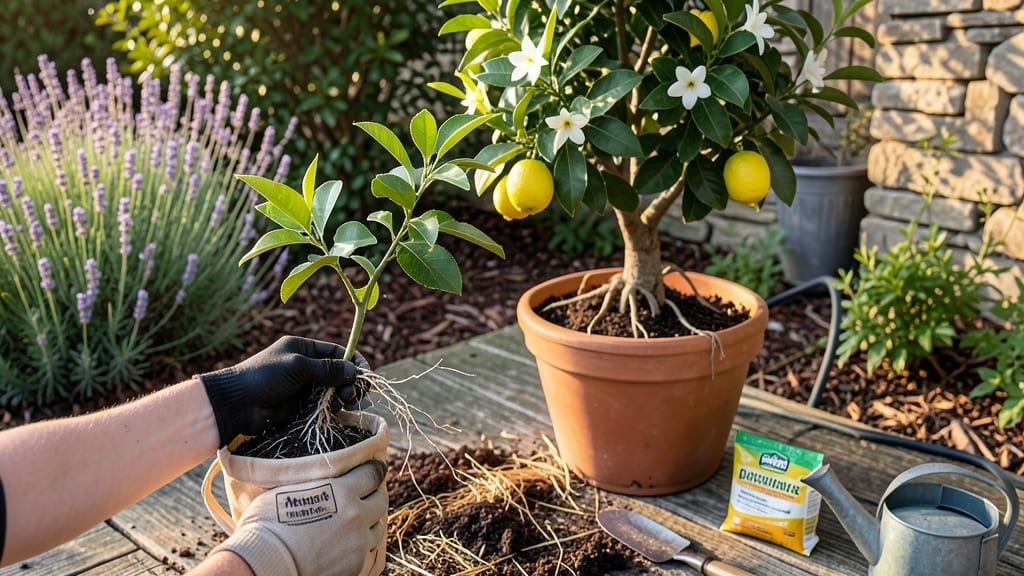
Planting a Meyer lemon tree in a pot brings sunshine to your patio—and fresh fruit to your kitchen. 🌱 I’ve grown mine for three years now, and the secret isn’t just the right pot (though that matters).
It’s the mix of soil, water, and light that keeps it thriving year-round, even in small spaces.
The key is starting with a 15-20 gallon pot—big enough for roots to spread without drowning. Use a well-draining potting mix (citrus-specific if possible) and add perlite or sand to keep roots happy.
Drainage holes are non-negotiable—root rot is the silent killer of potted citrus. Place your tree where it gets 6-8 hours of sunlight daily, and you’ll see new growth within weeks.
Watering is where most people trip up: keep the soil slightly moist but never soggy. A finger test works—stick it in the top inch of soil before watering. In winter, cut back to every 2-3 weeks unless your home stays warm.
With the right care, you’ll harvest sweet, fragrant lemons by year two—imagine peeling one fresh from your balcony!
Common mistakes? Overwatering (the #1 cause of failure) and not repotting every 2-3 years. If leaves yellow or drop, it’s usually a cry for better drainage or light.
Once established, your tree will reward you with bright blooms and fruit—proof that citrus thrives even in pots. Ready to start?
📚 In This Guide
- What you need
- Instructions
- Tips and common mistakes
- Wrapping up and next steps
What you need
- ● Meyer lemon tree: A healthy 1- to 3-gallon container-grown sapling (check local nurseries or online citrus specialists).
- ● Pot: A minimum 15-gallon container with drainage holes (terracotta, ceramic, or high-quality plastic). Pro tip: 💡 Larger pots (20+ gallons) = happier trees!
- ● Well-draining potting mix: A blend of 50% citrus-specific soil, 30% perlite or pumice, and 20% compost (avoid garden soil—it compacts!).
- ● Drainage layer: 2–3 inches of small gravel, expanded clay pebbles, or broken pottery shards.
- ● Fertilizer: A balanced citrus fertilizer (e.g., 6-6-6 or 8-3-9 NPK ratio) or organic options like fish emulsion.
- ● Watering can or hose with gentle spray: Meyer lemons hate soggy roots!
- ● Pruning shears: Sharp, clean shears (sterilize with rubbing alcohol).
- ○ Support stake (optional but helpful): A 4–5 ft tall bamboo or metal stake for young trees.
- ● Mulch: Wood chips or straw to retain moisture (keep 2–3 inches away from the trunk).
- ● Citrus food: Slow-release pellets for seasonal boosts.
- ● Humidity tray: A pebble tray with water to combat dry air (great for indoor setups!).
- ● Grow lights (indoor only): A full-spectrum LED for 12+ hours/day if natural light is limited.
- ● Citrus pest control: Neem oil or insecticidal soap (preventative care!).
Step-by-Step instructions for planting a Meyer lemon tree in a pot
Here’s how I’ve grown thriving Meyer lemon trees in containers—no greenhouse or yard needed.
🪴 Step 1: Select the Right Container and Drainage
Start with a pot at least 12-15 inches wide and deep—Meyer lemons need room for roots to spread and drain water efficiently. I use unglazed ceramic or fabric pots because they breathe better than plastic and prevent root rot. Add 3-4 drainage holes if your pot doesn’t have them; if it’s plastic, drill them yourself with a ¼-inch bit. Line the bottom with ½ inch of gravel or broken pottery to elevate the root zone and prevent clogging.
Real talk: Skimping on drainage is the fastest way to kill your tree. If water pools at the bottom after watering, you’re asking for trouble. Test your setup by filling the pot with water—it should drain completely within 10-15 minutes. If it sits longer, adjust your drainage layer or switch pots.
🌱 Step 2: Prepare the Potting Mix and Plant
Fill the pot ⅔ full with a well-draining citrus potting mix—never garden soil. I blend equal parts potting mix, perlite, and coarse sand for extra aeration. Add 1 cup of slow-release citrus fertilizer (like Osmocote) to the bottom layer for a nutrient boost. Gently place your Meyer lemon tree so the root flare (where roots meet the trunk) sits ½ inch below the rim—this prevents stem rot while keeping roots covered.
Here’s the thing—Meyer lemons hate soggy roots, but they also need consistent moisture. After planting, water deeply until it drains from the holes, then let the top 2 inches of soil dry before watering again. This balance is critical in the first 4-6 weeks as the tree establishes.
☀️ Step 3: Position for Light and Temperature
Meyer lemons thrive in full sun (6+ hours daily) but can tolerate 4-5 hours if you supplement with a grow light during winter. Place your pot near a south-facing window or under LED grow lights for 12-14 hours/day. In summer, move it outdoors to a porch or patio, gradually acclimating it to direct sun over 1-2 weeks to avoid leaf scorch.
Keep temperatures between 65-85°F—below 50°F stunts growth, and above 90°F stresses the tree. If your home runs cool, a small space heater near the pot (but not too close!) can help. Watch for yellowing leaves—this often signals temperature or light stress, not overwatering.
💧 Step 4: Water and Fertilize for Long-Term Health
Water when the top 2 inches of soil feel dry—stick your finger in to check. In summer, this might mean every 2-3 days; in winter, once a week. Overwatering is the #1 killer, but underwatering causes dropped leaves and small fruit. I use a moisture meter to avoid guesswork, especially in winter when evaporation slows.
Fertilize every 4-6 weeks during spring and summer with a citrus-specific fertilizer (high in nitrogen early, then balanced NPK). Reduce feeding in fall and winter—your tree’s resting, and too many nutrients cause salt buildup in the soil. Flush the soil once a month by watering until it drains completely to prevent toxicity.
✂️ Step 5: Prune and Repot for Growth
Prune in late winter or early spring before new growth starts. Remove dead, crossing, or inward-growing branches with clean, sharp pruners, cutting just above a leaf node. This encourages a bushier shape and better airflow. Avoid heavy pruning—Meyer lemons fruit on new growth, so never trim more than ⅓ of the tree at once.
Repot every 2-3 years in spring, moving up 2-4 inches in diameter and refreshing the soil. If roots circle the pot, loosen them gently before repotting to prevent girdling. This is also the time to divide offsets (suckers) if your tree produces them—simply snip them off and pot them separately for new trees.
Tips & tricks for thriving Meyer lemon trees in pots
The secret to container-grown citrus isn't just following the steps—it's understanding the subtle cues your Meyer lemon tree gives you. These insights will help you avoid common pitfalls and keep your tree healthy for years.
Drainage Test: Before planting, perform this simple test: Fill your pot with water and time how long it takes to completely drain. The 10-15 minute window from Step 1 is your target—any longer means poor drainage. If you're using a decorative cache pot, ensure it has drainage holes too, or water will pool at the roots. I've lost two trees this way because I skipped this crucial test.
Soil Mix Science: The equal parts potting mix, perlite, and coarse sand blend in Step 2 isn't just about drainage—it's about aeration. Perlite creates air pockets that prevent compaction, while coarse sand helps with water infiltration. If you're short on sand, substitute with pumice stones or horticultural charcoal for similar benefits. The key is maintaining that perfect balance between moisture retention and oxygen flow to the roots.
Light Transition Strategy: Moving your tree outdoors in Step 3 requires patience. I've seen many growers rush this process, leading to sunburned leaves. Start with just 1-2 hours of direct sun on the first day, then gradually increase by 1 hour daily until reaching full sun. This 1-2 week acclimation period prevents leaf scorch and helps the tree adjust to the intensity. Watch for a slight yellowing—this is normal during transition, but dark brown patches mean you've gone too fast.
Winter Care: During colder months, reduce watering to once a week as mentioned in Step 4, but also adjust your fertilizer routine. I've found that citrus trees in pots are more susceptible to cold stress, so if temperatures drop below 50°F, move your tree to a sheltered location. Grouping pots together creates a microclimate that retains warmth. For extra protection, wrap the pot in bubble wrap or use a tree collar to shield the trunk from temperature fluctuations.
Pro Tips for Plant A Meyer Lemon Tree In A Pot
- The secret to container-grown citrus isn't just following the steps—it's understanding the subtle cues your Meyer lemon tree gives you.
- Drainage Test: Before planting, perform this simple test: Fill your pot with water and time how long it takes to completely drain.
- Soil Mix Science: The equal parts potting mix, perlite, and coarse sand blend in Step 2 isn't just about drainage—it's about aeration.
Frequently asked questions
Got questions about growing a Meyer lemon tree in a pot? You’re not alone! Here are answers to the most common concerns to help you succeed—even if you’re a citrus newbie.
Can a Meyer lemon tree grow in a pot long-term?
A Meyer lemon tree can thrive in a pot for years—even decades—if given the right care. However, it’ll stay smaller (typically 6–10 feet tall) and may produce fewer lemons than a ground-planted tree. Choose a pot with drainage holes and upgrade to a larger container (15–20 gallons) every 2–3 years to accommodate its roots. Pro tip: Use a lightweight, breathable material like fabric or plastic to make moving it easier!
How long does it take for a Meyer lemon tree to bear fruit in a pot?
Patience is key! A Meyer lemon tree grown in a pot usually takes 3–5 years to bear fruit, sometimes longer if conditions aren’t ideal. Young trees focus on root and leaf growth first. Boost fruiting by ensuring it gets full sun (6–8 hours daily), consistent watering, and a balanced citrus fertilizer (like 6-6-6 or 8-3-9) every 4–6 weeks during spring and summer.
Why isn’t my potted Meyer lemon tree producing lemons?
No lemons? Don’t panic—common culprits include:
- Age: Trees under 3 years old won’t fruit.
- Light: Insufficient sun (especially in winter) stalls growth.
- Stress: Overwatering, underwatering, or sudden temperature drops can shock the tree.
- Nutrients: Lack of phosphorus (for blooms) or potassium (for fruit development).
Try moving your tree to a sunnier spot, adjusting watering, and fertilizing with a citrus-specific blend. If it’s still struggling, check for pests (like spider mites) or disease (like root rot).
How cold can a potted Meyer lemon tree tolerate?
Meyer lemons are semi-hardy but hate cold drafts. Most varieties survive brief dips to 25–30°F (-4 to -1°C), but prolonged exposure below 20°F (-7°C) can damage or kill the tree. In winter:
- Move pots indoors (near a sunny window or under grow lights).
- Wrap the pot in bubble wrap or a frost blanket for extra protection.
- Avoid fertilizing in cold months—focus on watering lightly.
Pro tip: If you live in a freezing climate, grow your Meyer lemon in a container so you can relocate it indoors or to a greenhouse during winter!
What’s the best alternative if I don’t have a sunny spot?
If your space lacks 6+ hours of direct sunlight, consider these low-light alternatives:
- Dwarf Meyer lemon varieties: Some grafted trees (like ‘Improved Meyer’) grow well in partial shade (4–6 hours of sun) but may produce fewer lemons.
- Citrus hybrids: Try ‘Calamondin’ or ‘Kumquat’ trees—they tolerate lower light better and still yield fruit.
- Grow lights: A full-spectrum LED grow light (12–14 hours/day) can supplement natural light for a Meyer lemon.
For best results, pair any citrus tree with a south- or west-facing window or a sunny patio. No sunny spot? A greenhouse or sunroom might be your best bet!
Wrapping up and next steps
Growing a Meyer lemon tree in a pot is a rewarding journey that brings fresh citrus to your doorstep—literally! With the right container, well-draining soil, and a little TLC, you’ll enjoy fragrant blooms and sweet lemons year after year. Don’t forget to celebrate your progress! 🌱✨
Now that you’re ready to plant, take the next step: watch your tree thrive by monitoring its needs—watering, sunlight, and occasional pruning. Before you know it, you’ll be harvesting homegrown lemons for homemade lemonade or zesty dishes. Happy growing! 🍋💚