
Blooming
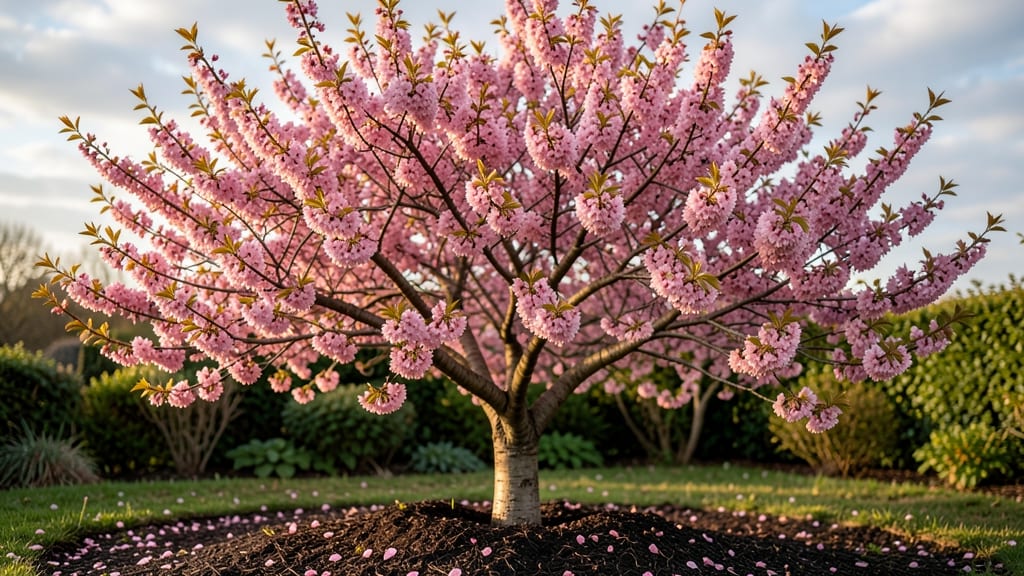
Your cherry tree’s spring flowering time depends entirely on its variety and your climate zone—but knowing the exact window lets you plan everything from pruning to pest control. 🌸 I’ve tracked blooms for years, and the difference between a showstopper and a sparse display often comes down to understanding these precise timing cues.
Ornamental cherries like ‘Kanzan’ burst into color 2-3 weeks earlier than fruit-bearing varieties, while tart cherries typically bloom late April to early May in Zone 5. The key? Watch for bud swell—when those fat, rosy buds appear, count backward 2-4 weeks for peak bloom.
Cold snaps can delay it, but consistent chilling (300+ hours below 45°F) is what triggers those flowers. Once you pinpoint the window, you’ll know exactly when to prune (after blooming, never before), adjust watering (deep but not soggy), and protect against late frosts.
A well-timed fertilizer boost in early spring keeps the tree energized for another spectacular show next year. The payoff? A garden that feels like a masterpiece on schedule—no more missed opportunities or frustrated guesswork. Here’s how to read your tree’s signals and work with its natural rhythm.
📚 In This Guide
- What you need
- Instructions
- Tips and common mistakes
- Wrapping up and next steps
What you need
- ● Cherry tree variety guide: Research your specific cherry tree type (e.g., Prunus avium for sweet cherries or Prunus cerasus for sour cherries) to confirm its native climate zone and flowering window.
- ● Hardiness zone map: USDA Plant Hardiness Zone Map (free online) to verify your local zone (e.g., Zones 5–8 for most cherry trees).
- ● Thermometer (digital or analog): A minimum-maximum thermometer to monitor winter chill hours (300–900 hours below 45°F/7°C, depending on variety).
- ● Pruning shears: Sharp, bypass pruners (10–12" blades) for post-flowering maintenance.
- ● pH testing kit: Soil pH meter or test strips (ideal range: 6.0–6.5 for cherry trees).
- ● Organic mulch: 2–3 inches of wood chips or straw to insulate roots in winter.
- ● Flowering predictor app: Tools like GrowVeg or PlantNet to input local weather data for bloom forecasts.
- ● Drip irrigation system: For consistent moisture during bud formation (spring).
- ● Frost cloth: Lightweight frost protection fabric to shield early blooms from late frosts (if in Zone 5 or colder).
- ● Pollination aids: A small handheld fan or bee-friendly plants nearby to boost fruit set (if growing for harvest).
- ● Journal/notebook: To log bloom dates, weather patterns, and tree health for future reference!
Instructions for predicting cherry tree flowering time
Timing is everything with cherry blossoms—here’s how to pinpoint when your tree will bloom.
🌱 Step 1: Identify Your Cherry Tree Variety
Cherry trees bloom at different times based on their type. Sweet cherries (like Bing or Rainier) typically flower in late April to early May, while sour cherries (such as Montmorency) bloom slightly earlier, around mid-April. Ornamental cherry trees, like Yoshino or Kwanzan, often flower in early to mid-April, aligning with their showy, non-fruiting purpose.
Check your tree’s label or consult a local nursery if you’re unsure. Some varieties are bred for earlier or later blooming to avoid frost damage. For example, late-blooming cherries are better suited for colder climates, as they reduce the risk of frost killing delicate flowers.
☀️ Step 2: Monitor Chill Hours and Warmth
Cherry trees require 600-1,000 chill hours (temperatures between 32-45°F) to break dormancy and trigger flowering. Track your local winter temperatures using a weather station or online climate data. Most cherry trees need 4-6 months of consistent cold before they’ll bloom reliably.
Once chill hours are satisfied, the tree needs consistent daytime temperatures above 50°F to push buds into bloom. Without enough warmth, flowers may fail to open or drop prematurely. In warmer climates, some trees may bloom earlier, while in colder zones, they might delay until late spring.
🌿 Step 3: Observe Bud Development
Start checking your tree in late winter for swollen buds along the branches. These buds will swell further as temperatures rise, eventually splitting open to reveal pink or white blossoms. In most regions, buds begin to open when daytime highs reach 60-65°F for at least 3-5 consecutive days.
Don’t confuse leaf buds with flower buds—flower buds are larger and appear first. If you see green tips emerging from the buds, that’s a sign of new leaves, not flowers. Once the buds split and show color, full bloom is typically 7-10 days away, depending on weather.
⏰ Step 4: Adjust for Local Climate Quirks
Microclimates matter—trees in urban areas may bloom 1-2 weeks earlier than those in rural zones due to the "heat island" effect. Coastal regions often see delayed blooms because of cooler ocean breezes, while inland areas may experience earlier flowering from rapid warming.
If your tree hasn’t bloomed by early May, check for stress signs like yellowing leaves or sparse buds, which could indicate insufficient chill hours, poor soil, or disease. Some trees need 2-3 years after planting before they flower reliably, so patience is key.
🌸 Step 5: Plan Around Frost Risks
Late frosts can devastate cherry blossoms, turning petals brown and ruining fruit set. Monitor the National Weather Service’s frost advisory for your area. If a frost is forecasted within 48 hours of bud split, consider covering young trees with frost cloth or running sprinklers to protect flowers.
Once flowers appear, they’re most vulnerable for 3-5 days before pollen hardens. After that, the tree becomes more resilient. If frost strikes after blooming, don’t panic—some varieties will rebound and produce fruit later in the season.
Tips & tricks for predicting cherry tree flowering time
A few strategic insights can transform your cherry tree care from guesswork to precision timing.
Variety-Specific Timing: Ornamental cherry trees like Yoshino often bloom first in early to mid-April, while sweet cherries like Bing typically wait until late April to early May. This timing difference matters because ornamental varieties prioritize showy blooms over fruit production, while fruiting varieties need that extra time to develop fruit after flowering. If you're in a colder climate, late-blooming varieties like Stella are your best bet—they avoid frost damage by waiting until after the last frost date.
Chill Hours Tracking: The 600-1,000 chill hours requirement (32-45°F) is non-negotiable for reliable blooming. Use a simple weather station or free apps like PlantNet to track these hours automatically. I've seen trees in Zone 5 that didn't bloom one year because they only accumulated 500 chill hours—just 100 short of what they needed. Pro tip: Plant varieties suited to your specific chill hours range to avoid disappointment.
Bud Development Visual Cues: When checking buds in late winter, look for the telltale difference between flower buds (larger, rounder) and leaf buds (smaller, pointed). Once you see those flower buds swelling noticeably, mark your calendar—full bloom is typically 7-10 days away in normal spring conditions. This visual check eliminates guesswork about whether your tree is ready to bloom.
Microclimate Mastery: Urban trees can bloom 1-2 weeks earlier than rural counterparts due to the heat island effect. If you're near large bodies of water, expect delays of similar duration. I've seen this firsthand with a Yoshino cherry in downtown Chicago blooming two weeks before its rural counterpart. For accurate predictions, compare your specific microclimate to your nearest weather station data rather than relying on general climate zone averages.
Pro Tips for Cherry Tree Flowering Time
- A few strategic insights can transform your cherry tree care from guesswork to precision timing.
- Variety-Specific Timing: Ornamental cherry trees like Yoshino often bloom first in early to mid-April, while sweet cherries like Bing typically wait until late April to early May.
- Chill Hours Tracking: The 600-1,000 chill hours requirement (32-45°F) is non-negotiable for reliable blooming.
Frequently asked questions
Got questions about when your cherry tree will burst into bloom? You’re not alone! Here are some of the most common queries—and answers—to help you plan ahead.
When do cherry trees typically flower?
Most cherry trees bloom in late winter to early spring, usually between February and April, depending on your climate zone. Ornamental varieties like Prunus serrulata (Japanese cherry) often flower earlier (March), while tart cherries (Prunus avium) may bloom slightly later (April). Chill hours (300–1,000+) are key—warmer zones may see earlier blooms!
What if my cherry tree isn’t flowering?
Several factors could delay blooms: insufficient chill hours (common in warm climates), young age (trees under 3–5 years may not bloom), or stress (drought, poor soil, or pests). Try pruning in late winter to encourage growth, ensure it gets 6+ hours of sunlight, and check for signs of disease or nutrient deficiencies.
Can I control when my cherry tree flowers?
Not directly, but you can influence timing slightly. Planting in a cooler microclimate (e.g., near water or north-facing) may delay blooms. For container-grown trees, move them to a sheltered spot in winter to accumulate chill hours. Avoid early spring pruning, which can stress the tree and disrupt flowering cues.
Do cherry trees flower every year?
Yes! Healthy cherry trees typically flower annually, though the abundance of blooms can vary. Heavy fruit production one year may reduce flowers the next (the tree prioritizes energy). Regular fertilization (especially with nitrogen in early spring) and proper watering help maintain consistent blooms.
Are there cherry trees that flower outside of spring?
Most cherries bloom in spring, but a few exceptions exist! Weeping cherry varieties (like Prunus subhirtella) may have late fall or early winter blooms in mild climates. Dwarf or bonsai cherries might flower sporadically year-round in warm zones. For year-long interest, consider ornamental cherries over fruit-bearing types.
How can I predict my cherry tree’s flowering time?
Track chill hours (use a local weather app or chill hour calculators) and monitor bud swell (buds plump up before blooming). In Zone 5–7, expect blooms when daytime temps consistently reach 50°F (10°C) for 3–5 days. Warmer zones may see blooms 2–3 weeks earlier!
Wrapping up and next steps
Understanding your cherry tree flowering time is all about knowing your climate zone and a few key gardening tricks! Whether you're in a chilly USDA Zone 5 or a balmy Zone 9, timing is everything—soak up those early spring signals and give your tree the care it craves. 🌸
Now that you’re armed with insights, why not take the next step? Mark your calendar for blooms, snap photos of those first delicate petals, and maybe even share your cherry tree’s beauty with fellow gardeners. Happy planting—and may your branches burst with blossoms! 🌿