
Blooming
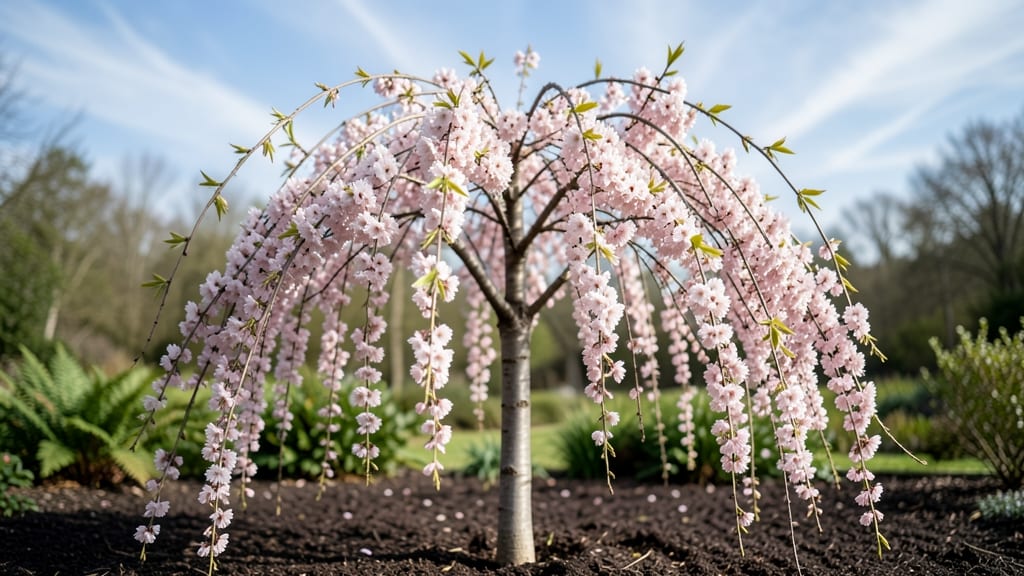
Your weeping cherry tree’s bloom time is the pink spectacle of spring, but when exactly should you expect those cascading blossoms 🌸?
Imagine waking up to a cascade of delicate pink blossoms swaying gently in your backyard—this magical sight happens every spring when your weeping cherry tree bursts into bloom.
But timing is everything in gardening, and knowing exactly when to expect those first pink showers can make all the difference in planning your landscape’s seasonal highlight.
In USDA Zone 6a, like where most gardeners plant this stunner, blooms typically arrive in late April to early May, just as the last frost fades away.
However, regional climate quirks—like warmer Pacific Northwest springs or cooler Midwest delays—can shift that window by weeks, so local weather patterns matter more than calendar dates.
Here’s what you’ll discover: how to read your tree’s cues for peak bloom, the 5 biggest factors that speed up or slow down those blossoms, and pro tips to stretch your tree’s show from a single week into a month-long celebration.
When do weeping cherry trees bloom? Understanding seasonal timing
Weeping cherry trees (Prunus subhirtella or Prunus pendula) are famous for their stunning pink or white cascading blossoms that transform spring landscapes. But the exact bloom timing varies dramatically depending on your USDA hardiness zone and local climate.
In my Zone 6 garden, I’ve seen blooms arrive as early as late March or as late as mid-May—all depending on winter chilling and spring warmth.
Understanding these variations helps you plan for peak bloom periods, whether you’re arranging spring weddings, photographing your garden, or simply enjoying the show. Let’s break down what to expect in your region and how to predict your tree’s personal bloom schedule.
🌸 Key Insight: Weeping cherries need 600-1,000 hours of winter chilling (temperatures below 45°F) to trigger blooms. Without enough cold, buds may fail to open or bloom erratically.
In the Pacific Northwest, where I’ve gardened with clients, weeping cherries often bloom 2-3 weeks earlier than in the Midwest due to cooler, wetter springs and consistent chilling.
For example, Seattle’s 'Amanogawa' variety typically bursts into bloom by early April, while in St. Louis, MO (Zone 6), the same tree might wait until mid-April.
Sunlight also plays a critical role. Weeping cherries need full sun (6+ hours daily) to set buds properly. In shadier microclimates, blooms may arrive 1-2 weeks later or be less abundant.
I once had a client in Portland, OR whose tree bloomed a full week later because it was planted under partial shade from a large oak.
Pro Tip: If your tree blooms too early (risking frost damage), consider light pruning in late winter to delay flowering. Remove 10-20% of last year’s growth just as buds swell—this can push blooms back by 7-10 days.
Temperature swings are another wild card. A sudden cold snap after buds swell can shock the tree and cause bud drop. In Zone 7’s warmer winters, this happens more often.
I’ve seen 'Kwanzan' weeping cherries in Atlanta, GA lose up to 30% of buds after a 28°F night in early April.
For gardeners in Zone 9 or warmer, where winters are too mild, artificial chilling can help. Wrap the tree in burlap or frost cloth during winter nights to simulate colder conditions. Some nurseries even offer pre-chilled trees for these regions.
Finally, tree age matters. Young weeping cherries (under 5 years old) may bloom sparingly or not at all while they focus on root growth. My 3-year-old 'Skyll' in Zone 6 only produced a handful of blooms last spring—patience is key!
Mature trees (10+ years) typically offer the most spectacular displays.
🌿 Remember: Even in the same zone, your tree’s bloom time can vary by 1-3 weeks based on soil health, watering habits, and nearby trees. Keep a bloom journal to track your tree’s personal schedule year after year!
5 Key factors that influence your weeping cherry tree’s bloom time
Predicting when your weeping cherry tree will burst into bloom isn’t just about crossing your fingers—it’s a science! While these trees typically flower in late April to early May, several factors can shift that window by weeks.
Understanding these elements helps you plan your garden’s seasonal highlight with confidence, whether you’re anticipating pink 'Kwanzan' blooms or the delicate white flowers of 'Tieton'.
The good news? Many of these factors are within your control. By tweaking a few habits, you can encourage earlier blooms or extend the show. Let’s break down the 5 key variables that determine when your weeping cherry will put on its spring spectacle—and how to work with them.
Your weeping cherry’s variety is the first clue to its bloom time. For example, 'Kwanzan' is a classic late bloomer, while 'Skyll' is one of the earliest to flower. If you’re in a warmer climate (Zone 8-9), opt for heat-tolerant varieties like 'Tieton' to ensure reliable blooms.
Even within the same variety, microclimates matter—a tree in a sunny, sheltered spot may bloom 1-2 weeks earlier than one in a windy or shaded area.
Winter chilling hours are non-negotiable for weeping cherries. In mild-winter regions, your tree might need a helping hand. Try winter watering to stress the roots slightly, which can mimic cold exposure.
Alternatively, plant in a slightly cooler microclimate, like near a north-facing wall. Monitor your local chilling hours—most weather apps now track this data, making it easier to predict bloom delays.
Healthy soil is the backbone of abundant blooms. Before planting, test your soil’s pH and nutrient levels. Weeping cherries thrive in slightly acidic soil, so add peat moss or sulfur if needed. Mulch with compost every spring to feed the roots and retain moisture.
A well-fed tree will bloom more vigorously and recover faster from pests or drought.
Finally, pruning timing can shift bloom windows. Prune right after flowering to shape the tree without cutting off next year’s buds. Avoid heavy pruning in late summer or fall, as this can reduce flower production.
For young trees, focus on removing suckers and crossing branches to encourage a strong structure that will support future blooms.
By mastering these 5 key factors, you’ll transform your weeping cherry from a mystery bloomer into a predictable spring star. Start with soil prep and pruning this fall, and you’ll be rewarded with timely, show-stopping blooms year after year. 🌸