
Blooming
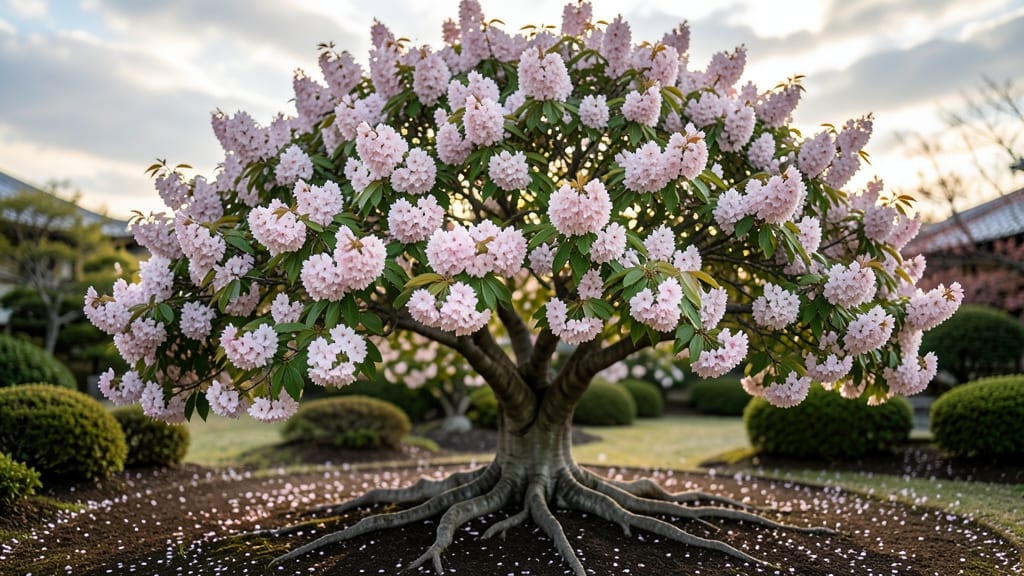
The cherry blossom tree bloom time varies by USDA zone, but most burst into stunning pink and white blooms in late March to early April 🌸 — a fleeting window of color that transforms neighborhoods into dreamy landscapes.
If you’ve ever planned a spring picnic or garden party only to watch the blossoms fade too soon, you know timing is everything. Missing that 3-week window means no petals to photograph, no shade for outdoor gatherings, and no chance to witness nature’s most breathtaking show.
Here’s the key: bloom time depends on your zone, tree variety, and even last year’s weather. A Yoshino cherry in Zone 6a might peak in early April, while a Kwanzan in Zone 8 could wait until May.
Understanding these factors helps you predict when your tree will put on its best display.
Below, I break down exact bloom months by zone, share how to adjust care for earlier or later blooms, and reveal the secrets of chill hours and weather patterns that control the calendar. No more guessing—just perfect timing for your cherry blossom magic.
Cherry blossom bloom times by USDA zone: a month-by-month guide
Cherry blossoms are nature's fleeting masterpiece, and their bloom times vary dramatically across the United States. If you're dreaming of pink canopies in your yard, understanding your USDA zone is key.
These delicate trees thrive in zones 3 through 10, but their timing shifts from early spring in warmer areas to late spring in colder regions. Let's explore exactly when to expect those iconic blossoms in your neck of the woods.
Most cherry blossom varieties follow a predictable pattern: early bloom (first petals), peak bloom (full glory), and late bloom (fading petals). The difference between zones can be as much as 6 weeks, so knowing your exact timing helps with everything from planning picnics to scheduling pruning.
Popular varieties like Yoshino and Kwanzan have slightly different windows, and microclimates can shift these by another week or two.
Here's the month-by-month breakdown you've been waiting for, organized by USDA zone and variety. This table shows when to expect each bloom stage so you can mark your calendar for the best viewing.
| USDA Zone | Variety | Early Bloom | Peak Bloom | Late Bloom | Notes |
|---|---|---|---|---|---|
| 3-4 | Yoshino | Late April | Early May | Mid-May | Cold-hardy, needs chill hours |
| 5-6 | Yoshino | Mid-April | Late April | Early May | Classic timing for spring festivals |
| 7-8 | Yoshino | Early April | Mid-April | Late April | Warmer zones bloom earliest |
| 9-10 | Yoshino | Late March | Early April | Mid-April | Mild winters may delay blooms |
| 5-6 | Kwanzan | Late April | Early May | Mid-May | Pink-purple blooms, later than Yoshino |
| 6-7 | Weeping Cherry | Mid-April | Late April | Early May | Graceful branches, slightly earlier |
In USDA zones 3-4, cherry blossoms typically arrive in late April, making them perfect for late-spring celebrations. The Yoshino cherry, the most common variety, reaches peak
How to predict your cherry blossom tree’s bloom time before planting
Predicting when your cherry blossom tree will bloom isn’t just guesswork—it’s a science! By understanding three key factors, you can estimate bloom time with surprising accuracy before planting. These include chill hours, last frost dates, and the tree’s maturity level.
Let’s break down how these elements work together to give you the most precise bloom forecast possible.
First, chill hours are the secret to timing. Cherry blossoms need a specific number of hours below 45°F (7°C) during winter to trigger blooming. For example, Yoshino cherries typically require 800–1,000 chill hours, while Kwanzan varieties may need 600–800 hours.
If your region falls short, your tree might bloom later—or not at all!
Next, check your USDA zone and last frost date. Blooming usually starts 2–4 weeks after the last frost, but this varies by variety. For instance, in Zone 6, expect blooms in late April to early May, while Zone 8 trees may bloom as early as February.
Use your local National Weather Service data to refine these estimates.
- 🌡️ Calculate chill hours in your area using a chill hour calculator (e.g., Purdue University’s tool). Compare to your tree’s variety requirements.
- ⏰ Note your last frost date (check Almanac’s Frost Calculator) and add 2–4 weeks for estimated bloom start.
- 🌱 Consider tree age: Young trees (3–5 years) may bloom 1–2 weeks later than mature trees due to root system development.
- 💧 Adjust watering in late winter to encourage bud formation: Deep water once every 2 weeks if drought conditions persist.
- ✂️ Prune in late winter to remove dead branches and open the canopy, ensuring even sunlight exposure for blooms.
Don’t overlook tree maturity—it’s a game-changer! A 5-year-old cherry blossom will bloom more reliably than a 2-year-old sapling. If you’re impatient, consider planting a grafted tree, which can bloom in as little as 3–4 years compared to 5–7 years for seed-grown trees.
Patience pays off, though—older trees produce more abundant blooms!
You can also influence bloom timing with smart care. For earlier blooms, reduce summer watering to stress the tree slightly—this can trigger bud formation sooner. Conversely, overwatering in late winter might delay blooms by 1–2 weeks. Balance is key: aim for consistent moisture without soggy soil.
Finally, keep an eye on weather patterns in early spring. A warm February can trick trees into blooming early, only to be damaged by a late frost.
If you’re planting for a specific event (like a wedding or festival), factor in a 2-week buffer to account for unpredictable weather. With these tips, you’ll be the gardener who always knows when the petals will fall!