
Pruning
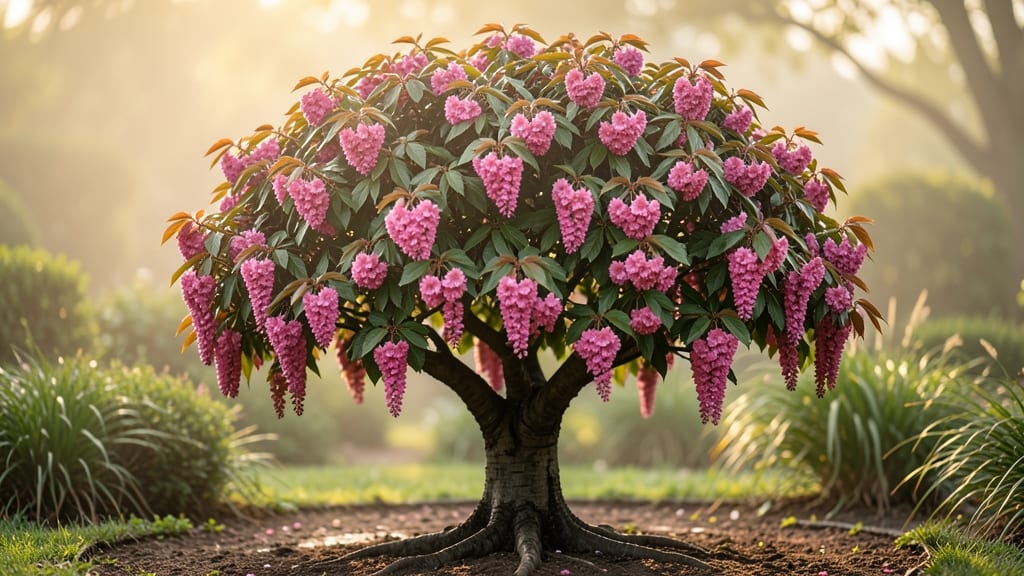
The care of your Kwanzan cherry tree (Prunus serrulata 'Kwanzan') will reward you with vibrant pink blooms for decades if you master just one skill: year-round pruning.
Honestly, I nearly gave up after my first tree’s branches looked like a bird’s nest—until I learned the right cuts transform it into a showstopper. The secret isn’t complicated: prune at the right time, in the right way, and your tree will stay disease-resistant and lush through every season.
Start with the basics: well-draining soil, full sun (6+ hours daily), and deep watering—about 1-2 gallons per week once established. But pruning is where the magic happens.
Young trees need light shaping in late winter, while mature trees benefit from thinning cuts in early spring to open the canopy. The goal? Airflow and sunlight reaching every branch—this prevents fungal diseases like powdery mildew that plague so many cherries.
By summer’s end, you’ll notice thicker foliage and stronger blooms next spring. The tree’s natural shape emerges, and those pink clouds of flowers become even more dramatic. Even better? Proper pruning extends the tree’s lifespan by 20+ years, letting you enjoy its beauty for generations.
Think of it as a long-term investment in effortless elegance—no more struggling with tangled branches or sparse blooms.
Works for both urban yards and rural landscapes, though city trees may need extra winter protection. Whether you’re trimming a sapling or a 50-year-old giant, the same principles apply. Here’s how to get started without overcomplicating it—your future self (and neighbors) will thank you.
📚 In This Guide
- What you need
- Instructions
- Tips and common mistakes
- Wrapping up and next steps
What you need
- ● Pruning shears: Bypass pruners (sharp, clean, and disinfected with rubbing alcohol or bleach solution). Size: 6–8 inches for medium branches.
- ● Loppers: For thicker branches (up to 2 inches in diameter). Look for: Bypass or anvil type with a comfortable grip.
- ● Pruning saw: Curved-tooth saw for branches over 2 inches thick (avoid tearing bark).
- ● Gloves: Heavy-duty, cut-resistant gloves (e.g., mechanics’ gloves) to protect against thorns and sap.
- ● Disinfectant: 1 part bleach to 9 parts water (or 70% isopropyl alcohol) to sterilize tools between cuts.
- ○ Sealing wax (optional but helpful): Pruning sealant (e.g., Tanglefoot Tree Wound Pruning Sealer) for cuts larger than ½ inch.
- ● Ladder or step stool: Sturdy, non-slip ladder for tall trees (extendable or extension ladder for heights over 10 feet).
- ● Trash bags: Heavy-duty bags (20–30 gallon) for debris disposal.
- ● Notebook & pen: To jot down pruning notes (e.g., branch sizes, cuts made, or seasonal reminders).
- ● Hand saw: For precision cuts on stubborn branches.
- ● Pole pruner: Extendable for high branches (saves ladder use!).
- ● Tree growth regulator: (e.g., Paclobutrazol) to control excessive growth if needed.
- ● Mulch: Organic mulch (e.g., wood chips) to retain moisture and suppress weeds post-pruning.
- ● Camera or phone: To document your tree’s progress before/after pruning.
Step-by-step guide to year-round Kwanzan cherry tree care
This pruning schedule keeps your tree thriving while preventing common diseases that plague ornamental cherries.
Assess Winter Dormancy and Remove Dead Wood
Start in late winter, just as buds begin to swell but before new growth emerges. Examine the tree for dead, diseased, or crossing branches—these compete for energy and invite fungal infections. Use sharp, clean pruning shears to make cuts just outside the branch collar, the swollen area where the branch meets the trunk. This ensures proper healing and prevents unsightly stubs.
Remove any branches that rub against each other or grow inward, as these create wounds where bacteria and fungi can enter. I always work on dry days when the tree’s sap isn’t flowing heavily—this reduces stress on the plant. After pruning, sterilize your tools with rubbing alcohol to prevent spreading any lingering pathogens between cuts.
Light Structural Pruning in Early Spring
Once the tree has leafed out but before flowering, focus on improving airflow and sunlight penetration. Thin out crowded branches to open the canopy, aiming for a balanced shape that allows light to reach all parts of the tree. Remove any suckers or water sprouts—these fast-growing shoots divert energy from fruit production and structural strength.
Look for branches that grow at sharp angles (less than 45 degrees) to the trunk or trunk limbs, as these are more prone to splitting during storms. Make cuts just above a lateral bud or branch to encourage healthy regrowth. Avoid removing more than 25% of the tree’s foliage in one session—this prevents shock and weakens the tree’s ability to support its stunning spring blooms.
Summer Maintenance to Encourage Healthy Growth
Mid-summer is the time to address any new growth issues, such as overly vigorous shoots or branches that have grown out of balance. Prune these back to a lateral bud or side branch, always cutting at a 45-degree angle just above the bud to direct growth where you want it. This is also when you should remove any diseased leaves or branches you spot—catching problems early prevents them from spreading.
Water deeply after pruning to help the tree recover, especially if you’ve made larger cuts. Mulch around the base with 2-3 inches of organic material to retain moisture and regulate soil temperature. Avoid piling mulch against the trunk, as this can encourage rot. If you notice any signs of powdery mildew or other fungal issues, treat with a copper fungicide as a preventive measure.
Final Pruning and Preparation for Winter
In late fall, after the leaves have dropped but before the first hard frost, do a final assessment of the tree’s structure. Remove any dead, diseased, or weak branches, and thin out any areas where branches are too dense. This helps the tree enter dormancy in the best possible condition. Prune just enough to maintain the tree’s shape without overstressing it before winter.
After pruning, apply a thick layer of mulch around the base of the tree to protect the roots from freezing temperatures. Avoid heavy pruning in late fall, as this can stimulate new growth that won’t harden off before winter. Instead, focus on cleaning up any fallen leaves or debris, which can harbor pests and diseases over the winter months. This final step sets your Kwanzan cherry up for another spectacular spring bloom.
Tips & tricks for perfect Kwanzan cherry tree pruning
Mastering the art of pruning transforms your Kwanzan cherry from a struggling shrub to a showstopping centerpiece. These refined techniques will help you avoid common pitfalls while maximizing your tree's health and flowering potential.
Timing is Everything: The late winter timing in Step 1 is critical because it allows the tree to heal before the growing season begins. Look for the moment when buds begin to swell but haven't yet opened—this is your narrow window for winter pruning. I've learned this the hard way after accidentally pruning too early and seeing new growth get damaged by unexpected late frosts. The key is to work on days when temperatures are above freezing but still cool, ideally between 40-50°F.
The 45-Degree Rule: When making cuts in Steps 2 and 3, always aim for a 45-degree angle just above a lateral bud. This angle is crucial because it directs new growth in the direction you want while preventing water from pooling in the cut, which can lead to rot. I recommend practicing this angle on scrap wood first if you're new to pruning—it makes a surprising difference in how clean and effective your cuts will be. The branch collar must remain intact to ensure proper healing.
Pruning Tools Matter: Your pruning shears should be sharp enough to make clean cuts without tearing the bark. Dull tools crush the tissue, creating larger wounds that take longer to heal and invite infection. I keep a small file in my toolkit to sharpen blades between uses. For larger branches, use loppers or a pruning saw, but make sure they're also sterilized between cuts. The rubbing alcohol mentioned in Step 1 is your best friend for preventing disease spread between branches.
Mulching Strategy: The 2-3 inch layer of organic mulch mentioned in Steps 3 and 4 serves two crucial purposes: it regulates soil temperature and retains moisture. But here's what nobody tells you—keep that mulch at least 2 inches away from the trunk to prevent rot. I've seen too many trees develop trunk rot from improper mulching techniques. Also, refresh your mulch annually as it breaks down, adding fresh material in early spring to maintain those benefits throughout the growing season.
Pro Tips for Kwanzan Cherry Tree Care
- Mastering the art of pruning transforms your Kwanzan cherry from a struggling shrub to a showstopping centerpiece.
- Timing is Everything: The late winter timing in Step 1 is critical because it allows the tree to heal before the growing season begins.
- The 45-Degree Rule: When making cuts in Steps 2 and 3, always aim for a 45-degree angle just above a lateral bud.
Frequently asked questions
Got questions about keeping your Kwanzan cherry tree thriving?
Here are answers to the most common concerns—from pruning timing to pest problems—so you can enjoy its stunning blooms year after year.
When is the best time to prune a Kwanzan cherry tree?
Prune your Kwanzan cherry tree late winter or early spring (before buds swell) to encourage healthy growth and vibrant blooms. Avoid pruning in fall or winter when the tree is dormant, as cold stress can harm it. Light shaping can be done after flowering, but major cuts should wait until the next dormant season. Pro tip: Use sharp, sterilized tools to prevent disease!
How do I protect my Kwanzan cherry tree from winter damage?
Kwanzan cherries are hardy but benefit from mulching (2-3 inches of organic mulch around the base) and watering deeply before frost. Young trees may need winter wraps or burlap to shield against harsh winds. Avoid heavy pruning in late fall, as new growth is vulnerable to cold snaps. Watch for: brown, brittle branches—signs of frost damage.
What pests or diseases should I watch for in my Kwanzan cherry tree?
Common issues include powdery mildew (white fungal coating), borers (holes in bark), and aphids (sticky residue). Prevent powdery mildew with proper spacing (6-10 ft between trees) and fungicide sprays in humid seasons. For borers, apply systemic insecticides early. Quick fix: Blast off aphids with water!
Can I grow a Kwanzan cherry tree in a container or small yard?
Kwanzan cherries thrive best in open spaces (they grow 20-30 ft wide!), but dwarf varieties (like ‘Okame’) adapt to containers (15+ gallon pots). Ensure well-draining soil and regular pruning to control size. Containers need winter protection (move indoors or insulate roots). Note: They’re not ideal for tight urban gardens—plan for mature spread!
Why aren’t my Kwanzan cherry tree’s flowers as vibrant as last year?
Fading blooms often signal over-pruning (cutting back too aggressively), nutrient deficiencies (add balanced fertilizer in early spring), or poor sunlight (they need 6+ hours of sun daily). Check for: thin canopies (prune to open the center) or yellow leaves (sign of overwatering). Boost blooms: Feed with high-phosphorus fertilizer before bud break!
Wrapping up and next steps
Caring for your Kwanzan cherry tree is all about patience, precision, and a little seasonal love! 🌸 With the right pruning techniques—like dormant-season cuts and summer thinning—you’ll reward yourself with vibrant blooms, sturdy branches, and a tree that stands strong against pests and disease.
Remember, consistency is key, and soon your garden will be the talk of the neighborhood!
Ready to take the next step? Grab your pruners and schedule your first trim—whether it’s shaping those winter branches or prepping for spring’s burst of color. Your Kwanzan cherry tree will thank you with years of beauty and resilience!