
Trees
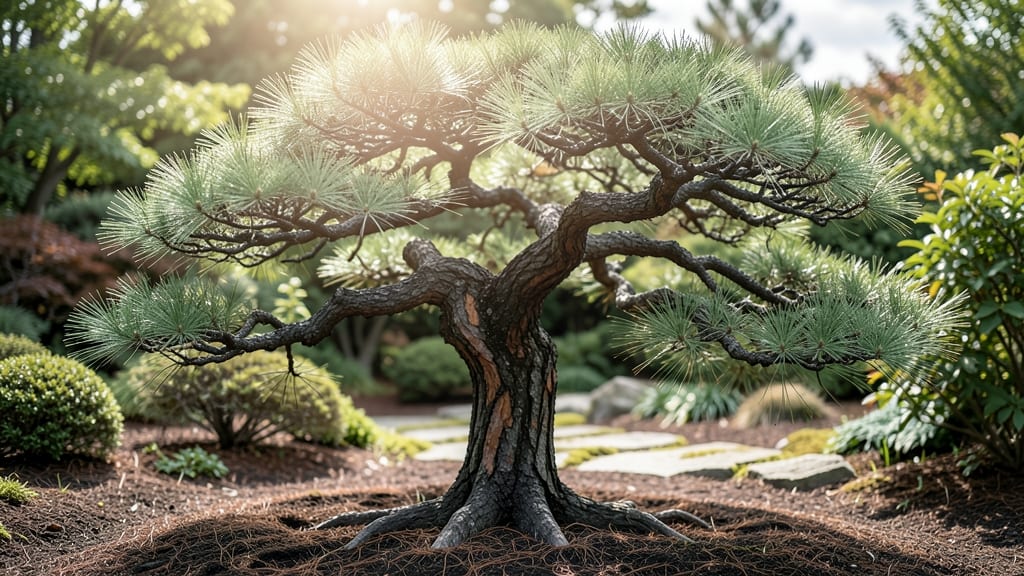
Evergreen trees with sparse branches create dramatic vertical lines that elevate any minimalist garden. 🌲 I’ve used them to transform empty corners into striking focal points—think Pinus pinea’s airy silhouette or Chamaecyparis lawsoniana’s feathery elegance.
These trees add structure without overwhelming a space, letting light and air flow freely while making a bold statement.
Their natural, open growth habit works perfectly for modern landscapes, especially when paired with low shrubs or ground covers. Place one near a pathway to frame a view, or group a few for a living privacy screen that still feels airy.
The key is balancing their height with complementary textures—like mossy rocks or sleek gravel—to keep the look refined.
You’ll love how they hold their needles year-round, offering quiet beauty even in winter. Their upright forms also make them ideal for small yards, where they stretch toward the sky without taking up much ground space.
Perfect for gardeners who want structure without bulk—or a tree that feels like a work of art.
Whether you’re going for a Zen-inspired retreat or a contemporary outdoor room, these trees deliver effortless sophistication. Try pairing them with ornamental grasses or bold perennials for contrast. The possibilities are endless—and your garden will thank you for the height!
Understanding Sparse Branch Growth
Evergreen trees with sparse branches can transform a minimalist garden into a striking vertical statement—but why do they develop this way? The answer lies in a mix of natural growth patterns, environmental stress, and human intervention.
Below, we break down the key reasons behind thin canopies and how they shape your tree’s structure.
---
Some evergreen trees are wired to grow sparsely by nature.
Conifers like arborvitae (Thuja), junipers (Juniperus), or Italian cypress (Cupressus sempervirens) often develop narrow, upright forms due to: - Genetic predisposition: Certain species prioritize height over width, allocating energy to a single central leader (main trunk) instead of lateral branches.
This is especially true in fastigiate cultivars (e.g., Thuja occidentalis ‘Smaragd’). - Needle or scale arrangement: Trees with tightly packed, small foliage (like pines or spruces) may appear sparse because their branches are densely packed with needles, making them look "full" up close but "airy" from a distance. - Slow lateral growth: Mature evergreens may naturally shed lower branches (a process called self-pruning) to focus energy on upper foliage, creating a tapered silhouette—ideal for modern landscapes.
Pro Tip: 🌡️ If you love the look but want denser lower branches, choose prostrate or dwarf cultivars (e.g., Juniperus horizontalis ‘Blue Rug’), which grow wide and low instead.
---
Even healthy trees can develop sparse branches when their environment doesn’t meet their needs. Common culprits include:
| Stress Factor | How It Affects Growth | Solution | |-------------------------|-------------------------------------------------------------------------------------------|------------------------------------------------------------------------------| | Insufficient sunlight | Shade-loving evergreens (like rhododendrons) may stretch upward for light, thinning branches. | Plant in partial shade (4–6 hours of sun) and prune competing vegetation. | | Poor soil drainage | Waterlogged roots starve branches of nutrients, leading to dieback (dead, sparse patches). | Amend soil with organic matter (compost, bark chips) or plant on a slope. | | Wind exposure | Constant wind stunts lateral growth and can break tender branches, leaving gaps. | Use windbreaks (fences, other trees) or choose wind-resistant species (e.g., Japanese black pine). | | Extreme temperatures | Frost damage or heat stress can kill branch tips, creating a staghorn effect (long, bare stems). | Mulch heavily in winter and provide afternoon shade in hot climates. |
Pro Tip: ✨ Mulch properly—a 3-inch layer of pine bark or cedar chips retains moisture and insulates roots, reducing stress-related sparsity.
---
Aggressive pruning—especially topping (cutting the main stem flat) or shearing (forcing a round shape)—can turn a lush evergreen into a broomstick with a few sad branches.
Here’s how: - Removing too much foliage at once (over 30% in a season) shocks the tree, leading to reduced photosynthesis and sparse regrowth. - Cutting at the wrong time: Pruning late winter/early spring (when new growth begins) encourages dense branching, while summer pruning can promote weak, sparse growth. - Wrong tools or techniques: Using dull shears or tearing branches instead of making clean cuts creates wounds that invite disease, weakening the tree’s structure.
Pro Tip: 🔪 Prune for shape, not size—focus on thinning out crowded branches (not just trimming tips) to improve airflow and density.
--- Hidden invaders can silently sabotage your evergreen’s branch density.
Watch for: - Spider mites or scale insects: These sap-sucking pests weaken branches, causing yellowing, browning, or premature needle drop, leaving bare stems. - Fungal diseases (e.g., root rot, needle blight): Overwatering or poor drainage invites fungi that clog roots, starving branches of nutrients. - Boring insects (e.g., pine bark beetles): They tunnel into wood, killing entire branches from the inside out.
Action Steps: 💡 Inspect regularly—look for webbing, sticky residue (honeydew), or sawdust-like frass (insect droppings). 💡 Treat early: Use neem oil (for mites) or systemic fungicides (for root rot). For severe infestations, consult an arborist.
--- Evergreens are nutrient hogs—they need consistent access to nitrogen, phosphorus, and micronutrients to maintain dense foliage.
Signs of deficiency: - Yellowing needles (nitrogen deficiency) → Leads to thin, sparse new growth. - Purple or red stems (phosphorus deficiency) → Slows root and branch development. - Needle drop or stunted growth (potassium/magnesium deficiency) → Weakens structural integrity.
Fix It: 📊 Test your soil (pH should be 4.5–6.5 for most evergreens). 📊 Amend with: - Acid-loving plants? Use pine fines, sulfur, or peat moss. - Slow-release fertilizer (e.g., 10-10-10 or 12-4-8) in early spring.
Pro Tip: 🌱 Mulch with composted pine needles—they slowly release nitrogen and mimic natural forest conditions.
Revitalizing Thin Canopy Trees
Restoring a fuller look to your evergreen with sparse branches starts with identifying the root cause—whether it’s environmental stress, poor maintenance, or natural growth habits. Below are practical, step-by-step solutions tailored to common issues, along with prevention tips to keep your tree thriving long-term.
---
If sparse branching stems from nutrient-poor soil or compacted roots, your tree may struggle to support dense foliage. Here’s how to correct it:
#### 🔥 Step 1: Test Your Soil - Use a DIY soil test kit (available at garden centers) or send a sample to a local extension office for analysis. - Look for low organic matter, high salinity, or pH imbalances (evergreens prefer slightly acidic soil, pH 5.0–7.0).
#### 🍳 Step 2: Amend the Soil - For sandy or fast-draining soil: Mix in 2–3 inches of compost or well-rotted manure into the top 12 inches of soil. - For clay or compacted soil: Add peat moss or coconut coir to improve aeration. - For nutrient deficiencies: - Nitrogen (yellowing needles): Apply a slow-release fertilizer (like 10-10-10) in early spring. - Iron or magnesium (purplish foliage): Use chelated iron supplements or Epsom salt (1 tbsp per gallon of water, sprayed on leaves).
#### 🌡️ Prevention Tip - Mulch annually with 3–4 inches of organic mulch (pine bark or shredded leaves) to retain moisture and nutrients. - Avoid over-fertilizing, which can burn roots—stick to recommended doses and apply in early spring or fall.
---
Evergreens with thin canopies often suffer from underwatering, overwatering, or insufficient light. Fix these issues with targeted care:
#### 💧 Step 1: Adjust Watering Practices - Underwatering (dry, brittle needles): - Water deeply 1–2 times per week (check soil moisture 3 inches down—if dry, water thoroughly). - Use drip irrigation or soaker hoses to deliver water slowly to roots. - Overwatering (yellowing, mushy roots): - Let the top 2–3 inches of soil dry out between waterings. - Improve drainage by raising beds or adding perlite/sand to heavy soil.
#### 🌿 Step 2: Optimize Sun Exposure - If in too much shade: - Prune nearby trees/shrubs to increase sunlight (aim for 6+ hours of direct sun for most evergreens). - Choose sun-tolerant varieties (like Thuja ‘Green Giant’ or Juniper ‘Blue Rug’) if relocating isn’t an option. - If in harsh afternoon sun: - Provide afternoon shade with a lightweight shade cloth (30–50% coverage) during peak heat.
#### 🎯 Prevention Tip - Group plants with similar water needs to simplify care. - Water in the morning to reduce evaporation and fungal risks.
---
Aggressive pruning—or pruning at the wrong time—can stunt new growth and leave branches sparse. Here’s how to prune for density:
#### 👨🍳 Step 1: Prune at the Right Time - Best time: Late winter or early spring (before new growth starts). - Avoid pruning in fall (new cuts may not heal before winter stress).
#### 🔪 Step 2: Use the Right Techniques - Thin out (remove entire branches at the base) 10–20% of the thinnest, weakest branches to improve airflow. - Avoid “topping” (cutting back to a stub)—this encourages ugly, sparse regrowth. - Shape gradually: Use hand pruners for small branches and loppers for thicker ones (sterilize tools with rubbing alcohol to prevent disease).
#### ⏰ Prevention Tip - Skip summer pruning—it stresses the tree and invites pests. - Mark cuts first with chalk or tape to visualize the final shape before cutting.
---
Pests like spider mites, bagworms, or fungal diseases (like root rot or needle blight) can weaken evergreens, leading to sparse, stunted growth. Act fast:
#### 🛡️ Step 1: Identify the Problem - Bagworms: Look for sack-like cocoons on branches. - Spider mites: Check for fine webbing on needles (use a magnifying glass). - Fungal issues: Spot black/brown needles, mold, or sawdust-like frass.
#### 💡 Step 2: Treat Effectively - For bagworms: - Handpick large bags and drop them in soapy water. - Apply Bt (Bacillus thuringiensis) spray in late spring/early summer. - For spider mites: - Spray with neem oil or insecticidal soap (repeat every 5–7 days). - For fungal diseases: - Remove infected branches and dispose of them. - Apply copper fungicide or baking soda spray (1 tbsp baking soda + 1 tsp oil + 1 gallon water).
#### ✨ Prevention Tip - Encourage beneficial insects (like ladybugs or lacewings) with native plants (e.g., marigolds, yarrow). - Space trees properly (follow spacing guidelines for your species) to reduce humidity and fungal spread.
--- Some evergreens naturally grow sparsely (like columnar junipers or weeping yews). If your tree is healthy but just slow-growing, try these growth-boosting tricks:
- 🌱 Fertilize lightly with fish emulsion (high in nitrogen) in early spring. - 💧 Water deeply during drought periods (evergreens hate dry spells). - 🌿 Consider a dwarf variety if space is limited (e.g., ‘Emerald Green’ Arborvitae stays dense and compact).
--- If your tree still looks sparse after 1–2 seasons, consult a certified arborist—they can diagnose root issues, soil toxicity, or hidden pests you might miss.
With the right care, your evergreen can fill out beautifully, becoming the dramatic vertical focal point your minimalist garden deserves! 🌲✨
Frequently asked questions
What are the best evergreen trees with sparse branches for small yards?
For tight spaces, consider columnar varieties like Thuja occidentalis 'Smaragd' (arborvitae) or Juniperus virginiana 'Skyrocket'. These grow narrow and tall (10–15 feet) while maintaining an elegant, airy look. Dwarf options like Picea pungens 'Glauca Globosa' (blue globe spruce) stay compact (3–4 feet) but pack dense foliage in a small footprint.
Can I prune my evergreen to encourage denser branches?
Yes, but timing and technique matter! Prune in late winter/early spring by removing 10–20% of the thinnest branches at their base. Avoid "topping" (cutting flat)—this creates sparse, weak regrowth. Instead, focus on thinning out crowded areas to improve airflow and light penetration for new growth.
Why does my evergreen look sparse even though it's healthy?
Some evergreens naturally grow this way due to genetic traits (like Pinus pinea or Cupressus sempervirens). Others may have self-pruned lower branches to focus energy upward. If the tree is otherwise vigorous (green needles, no pests), it’s likely just its natural form—perfect for modern, minimalist gardens!
How do I pair sparse-branched evergreens with other plants?
Use them as vertical accents alongside low-growing companions. Try Heuchera (coral bells) or Sedum (stonecrop) for texture contrast, or Carex (sedges) for a soft, flowing base. For height, add Pennisetum (fountain grass) nearby. Their airy branches also work beautifully with boulders or gravel for a Zen-inspired look.
Are there evergreen trees with sparse branches that tolerate shade?
Yes! Chamaecyparis lawsoniana 'Ellwoodii' (false cypress) and Tsuga canadensis (eastern hemlock) handle partial shade (4–6 hours of sun) while keeping their delicate, feathery forms. For deeper shade, Rhododendron varieties with sparse branches (like 'PJM') add year-round interest without overwhelming the space.