
Pruning
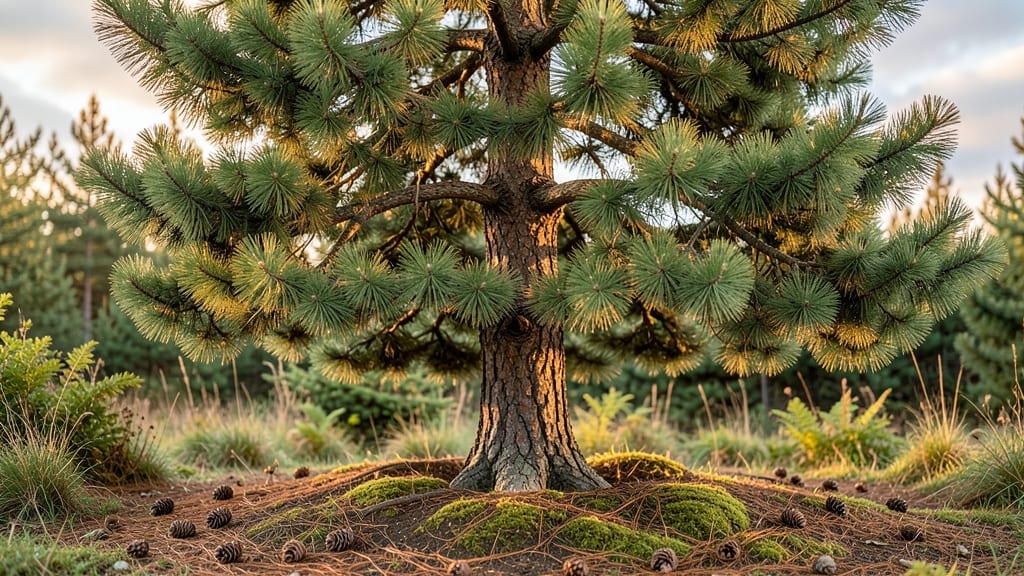
Your trees can thrive with all-green tree care—healthy and vibrant all year, not just in spring. 🌳 I’ve learned that year-round pruning isn’t about drastic cuts but strategic trims to encourage growth, prevent disease, and shape your trees naturally.
The key is timing: light pruning in winter, shaping in late spring, and cleaning up after summer storms.
You don’t need fancy tools—just sharp pruners, a ladder (for higher branches), and a clear day. Focus on removing dead wood first, then thin out crowded branches to let sunlight reach the center.
A little effort now means fewer struggles later with pests or weak growth. Even just 10 minutes a month makes a difference.
By summer’s end, you’ll notice fuller canopies, fewer broken branches, and trees that look like they’ve been professionally cared for. The best part? Healthy trees need less watering, resist pests better, and even improve your home’s curb appeal. Small steps now prevent big headaches later.
Works for fruit trees, shade trees, and even young saplings. The same principles apply whether you’ve got a single oak or a row of maples. Let’s get those branches in shape—your trees will thank you for years.
📚 In This Guide
- What you need
- Instructions
- Tips and common mistakes
- Wrapping up and next steps
What you need
- ● Pruning Shears: Bypass pruners (for cuts 1 pair (e.g., Felco F-2 or Corona Classic).
- ● Loppers: For branches ½–2 inches thick – 1 pair (e.g., Felco F-1 or Gonicc GL-2).
- ● Pruning Saw: For thick branches (2+ inches) – 1 saw (e.g., Felco F-3 or Fiskars X27).
- ○ Extension Pole: 6–12 ft. with saw attachment (optional but handy for tall trees).
- ● Gloves: Heavy-duty, cut-resistant (e.g., Mechanix or Diamond Grip).
- ● Ladder: Sturdy, extendable (8–20 ft., rated for your tree’s height + 3 ft. extra).
- ● Disposable Pruning Bags: 3–5 gallon capacity (for debris collection).
- ● Rubbing Alcohol or Bleach: 70% isopropyl alcohol or 10% bleach solution (to sterilize tools).
- ○ Pruning Sealant: (Optional) Wound dressing like Tanglefoot Tree Wound Pruning Seal.
- ● Safety Gear: Eye protection (goggles), ear protection (if using a chainsaw), and long sleeves/pants.
- ● Weather Check: Prune on a dry, calm day (avoid wind/rain). Ideal temps: 60–85°F.
- ● Tree Knowledge: Research your tree species (e.g., oak vs. maple) to avoid pruning mistakes like sap bleeding.
- ● Cleanup Supplies: Trash bags, rake, and a tarp (for easy cleanup).
- ● First Aid Kit: Bandages and antiseptic (for minor cuts/scrapes).
- ● Notepad/Pen: To jot down pruning notes (e.g., branch sizes, growth patterns).
Step-by-step guide to year-round tree pruning for vibrant growth
Healthy trees start with the right cuts—here’s how to prune for strength and beauty all year.
🌿 Step 1: Assess the Tree and Identify Pruning Goals
Start by examining your tree’s structure. Look for dead, diseased, or crossing branches—these are your top priorities. I always scan from the ground up, spotting weak growth early prevents bigger problems later. Healthy branches have a smooth, green bark with vibrant leaves.
Next, determine your goals: Are you pruning for shape, safety, or health? A young tree benefits from structural pruning to encourage strong branching, while mature trees often need cleanup cuts to remove debris. Mark branches with tape if you’re unsure—it’s easier to see the big picture after a second look.
✂️ Step 2: Use the Right Tools and Make Clean Cuts
Sharp tools make all the difference. A clean-cut heals faster and reduces disease risk. For branches under ½ inch thick, use hand pruners; for thicker branches, grab loppers or a pruning saw. Always sterilize your tools with rubbing alcohol between cuts to prevent spreading infections.
When cutting, aim for the branch collar—the swollen area where the branch meets the trunk. Never leave a stub; cut just outside the collar at a 45-degree angle to shed water away from the wound. If a branch is too large to cut in one go, make a notch on the underside first to control the fall.
☀️ Step 3: Prune Seasonally for Optimal Growth
Timing matters. In late winter or early spring, prune dormant trees to shape them before new growth starts. Summer pruning should focus on removing only dead or diseased branches—never more than 25% of the canopy at once. Fall pruning is risky; it stresses trees before winter dormancy.
For evergreens like pines or spruces, prune in early spring to avoid attracting pests. Watch for new growth flushing—that’s your cue the tree is ready for shaping. Avoid heavy pruning in extreme heat or cold; aim for mild, dry days when the tree can recover quickly.
🌱 Step 4: Monitor and Maintain for Long-Term Health
After pruning, keep an eye on the tree for signs of stress like wilting leaves or oozing sap. A little dieback is normal, but excessive leaf drop means you pruned too aggressively. Water deeply after major cuts to help the tree recover—1 inch per week during dry spells keeps roots hydrated.
Schedule a light maintenance prune every 6-12 months, depending on the tree’s growth rate. Young, fast-growing trees need more frequent check-ins, while slow growers like oaks can wait. If you notice mushrooms at the base or cracks in the trunk, call an arborist—those are signs of deeper issues.
Tips & tricks for perfect year-round tree pruning
Let's cut to the chase—these are the game-changers that'll keep your trees thriving all year long.
Seasonal Timing is Everything: The instructions mention late winter/early spring for dormant trees, but here's what nobody tells you—if you're pruning fruit trees, wait until just after flowering to avoid sacrificing next year's harvest. For shade trees, early spring is perfect, but evergreens? Prune in early spring before new growth starts—this prevents attracting pests that love fresh cuts. And remember, summer pruning should be minimal unless you're removing deadwood.
Tool Sharpness Saves Trees: Dull pruners tear bark instead of making clean cuts, which invites disease. I learned this the hard way after seeing a perfectly healthy tree decline from infected wounds. Always sharpen your tools before starting, and keep a small file in your pruning kit. For larger branches, a pruning saw with a fine-tooth blade makes the job cleaner and safer—no more struggling with rusty old tools.
The 25% Rule for Summer Pruning: The instructions warn against removing more than 25% of the canopy at once, and there's a reason for that. Trees need their leaves to photosynthesize and fuel growth. If you're doing heavy pruning, spread it out over two years—prune half now, half next year. This gives the tree time to recover without shocking its system. I've seen trees nearly collapse after aggressive pruning, so don't rush it!
Post-Pruning Recovery Care: After making those clean cuts, don't just walk away. Water deeply—1 inch per week—for at least 4 weeks to help the tree recover. I also recommend applying a wound sealant (like tree wound dressing) to larger cuts over 1 inch in diameter to prevent disease entry. And here's a pro move: mulch around the base (but not touching the trunk) to retain moisture and reduce stress.
Pro Tips for All Green Tree Care
- Let's cut to the chase—these are the game-changers that'll keep your trees thriving all year long.
- For shade trees, early spring is perfect, but evergreens?
- Tool Sharpness Saves Trees: Dull pruners tear bark instead of making clean cuts, which invites disease.
Frequently asked questions
Got questions about keeping your trees thriving with all-green tree care? You’re not alone! Here are some of the most common queries—plus straightforward answers to help you prune like a pro, rain or shine.
When is the best time to prune trees year-round?
The ideal timing depends on your tree type! For most deciduous trees, late winter or early spring (just before buds swell) is best. Evergreens can be pruned in late winter or early fall. Avoid heavy pruning during extreme heat or drought—wait for mild weather to minimize stress. Pro tip: Light trimming can happen anytime, but major cuts should align with your tree’s natural growth cycle.
How do I know if I’m pruning too much?
Follow the “Rule of Thumb”: Never remove more than 25% of a tree’s canopy in one session. Signs of over-pruning include excessive leaf loss, weak branches, or stunted growth. If you’re unsure, start small—remove dead, diseased, or crossing branches first—and observe the tree’s response over a few weeks.
Can I prune trees in winter, or will it harm them?
Winter pruning is safe for dormant trees (like oaks and maples), but avoid heavy cuts on bleeding trees (e.g., birch or maple) in late winter—they’re sensitive to sap loss. Focus on removing deadwood or shaping. Pro tip: Prune on a dry, above-freezing day to prevent fungal growth from wet tools or branches.
What should I avoid when pruning for all-green growth?
- Topping trees: Cutting the top flat leaves stubs that attract pests and weakens the tree.
- Over-trimming foliage: Removing too many leaves reduces photosynthesis, slowing growth.
- Ignoring branch collars: Never cut flush with the trunk—leave the branch collar intact to heal properly.
- Using dull tools: Ragged cuts invite disease. Sharpen shears and saws before each session!
How often should I prune for optimal results?
Most trees benefit from annual light pruning to remove deadwood and shape growth. Heavy pruning (like structural work) may only be needed every 3–5 years. Young trees (under 5 years) can handle more frequent trimming to encourage strong branching. Pro tip: Schedule pruning after major storms or seasonal changes to address damage promptly.
Are there alternatives to traditional pruning for small trees?
Yes! For small or delicate trees, consider:
- Thinning cuts: Remove entire branches at the collar to improve airflow.
- Directional pruning: Guide growth away from structures or power lines.
- Natural shaping: Use coppicing (for shrubs) or pollarding (for hardy species like willows) to encourage dense, bushy growth.
For houseplants or bonsai trees, use small scissors and focus on pinching new growth to maintain shape.
Wrapping up and next steps
Taking care of your trees with all-green tree care isn’t just about aesthetics—it’s about fostering long-term health and resilience. By mastering year-round pruning techniques, you’ll encourage vibrant growth, prevent disease, and keep your landscape thriving.
Whether you’re trimming dead branches in winter or shaping your trees in spring, consistency is key! 🌿
Ready to give your trees the love they deserve? Start small—pick one tree this week and apply what you’ve learned. Over time, you’ll see the difference in lush, healthy foliage and a stronger, more beautiful yard. Happy pruning! ✂️💚