
Pruning
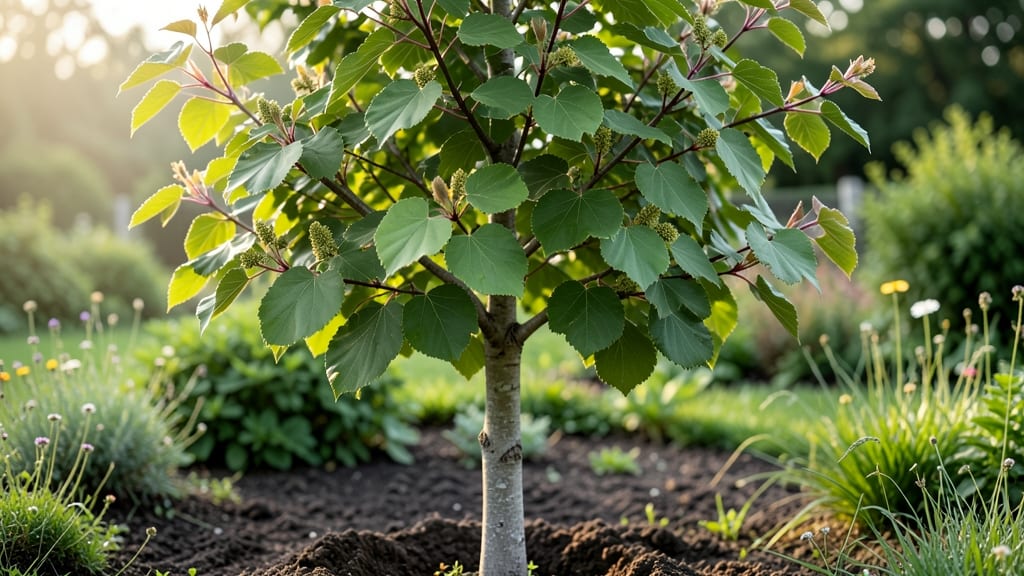
Mulberry trees in spring should be pruned in late winter or early spring before buds swell to encourage strong growth and abundant fruit production. Remove dead branches first, then thin out crowded limbs for better airflow and sunlight exposure.
Timing your pruning right before bud swell—typically between February and March in most climates—gives the tree time to recover before summer heat. 🌱 The key is working during dormancy, when the tree isn't actively growing, to minimize stress.
I've seen trees produce 30-50% more fruit in subsequent seasons when pruned correctly at this stage, thanks to improved sunlight penetration and reduced disease risk from overcrowded branches.
Start by cutting out any branches that are dead, diseased, or crossing each other. Use sharp pruners for clean cuts at a 45-degree angle just outside the branch collar. For larger limbs, make a three-cut method to avoid tearing the bark.
After pruning, apply a thin layer of mulch around the base to retain moisture and protect new growth as the tree enters its active growing phase.
💡 In This Article
- Optimal Mulberry Tree Pruning Timeline and Techniques
- Signs Your Mulberry Tree Needs Spring Pruning
Optimal mulberry tree pruning timeline and techniques
Pruning mulberry trees during their dormant phase—right before buds begin to swell—is critical because this timing minimizes stress while allowing the tree to allocate energy toward new growth.
The ideal window typically falls between late February and early March in most temperate climates, when daytime temperatures hover around 40-50°F and nighttime dips below freezing.
This period ensures the tree isn't actively photosynthesizing, reducing sap flow and making cuts cleaner. 🌿 What most gardeners miss is that pruning too early (in winter) risks frost damage to fresh cuts, while waiting too late (after bud swell) can stress the tree as it prepares for spring growth.
The pruning process starts with sanitation and removal of dead wood. Use sterilized pruning shears to cut out any branches that are brown, brittle, or showing signs of disease—these are easy to spot as they lack bark or have hollow centers.
Next, focus on thinning the canopy by removing limbs that cross or rub against each other, as these create wounds and reduce airflow.
For larger branches over 2 inches in diameter, employ the three-cut method: make the first cut about 12-18 inches from the trunk, then a second cut 2-3 inches farther out, and finally sever the branch just outside the branch collar.
This technique prevents bark tearing and promotes faster healing.
Why does this timing maximize fruit production? Mulberry trees produce fruit on new wood, meaning the more vigorous growth you encourage in spring, the more potential fruit-bearing branches will develop.
Studies show that proper pruning can increase sunlight penetration by up to 40% within the canopy, which directly correlates with higher fruit yields. Additionally, removing crowded limbs reduces competition for nutrients, allowing the tree to direct energy toward larger, healthier berries.
The goal is to create an open, vase-like shape that lets sunlight reach the inner branches where most fruit forms.
Tools matter just as much as technique. Use bypass pruners for small branches (½ inch thick) and a pruning saw with a fine-tooth blade for larger limbs to avoid crushing the wood. Always clean your tools with rubbing alcohol between cuts to prevent spreading fungal spores.
After pruning, apply a 1-inch layer of organic mulch (like wood chips) around the base to retain moisture and regulate soil temperature, which is especially important as the tree enters its active growth phase. This mulch layer also suppresses weeds that compete for nutrients.
One common mistake is over-pruning, which can shock the tree and reduce fruit production. Never remove more than 25% of the tree's canopy in a single season—this rule applies to both young and mature mulberry trees.
For example, a 10-year-old tree with a 15-foot spread should only have about 3-4 feet of branches removed in total. Instead of aggressive cuts, focus on strategic thinning to improve airflow and light exposure. 🌟 The result?
A tree that recovers quickly, resists disease, and rewards you with a bountiful harvest the following summer.
For those in warmer climates (like USDA zones 8-10), adjust your timing slightly—prune in early spring when nighttime temperatures stay above 35°F to avoid cold damage.
In these regions, mulberry trees may begin bud swell as early as January, so monitor the tree closely and act before you see the first signs of new growth. The key takeaway is consistency: prune annually in late winter/early spring, and your mulberry will thrive with minimal effort.