
Pruning
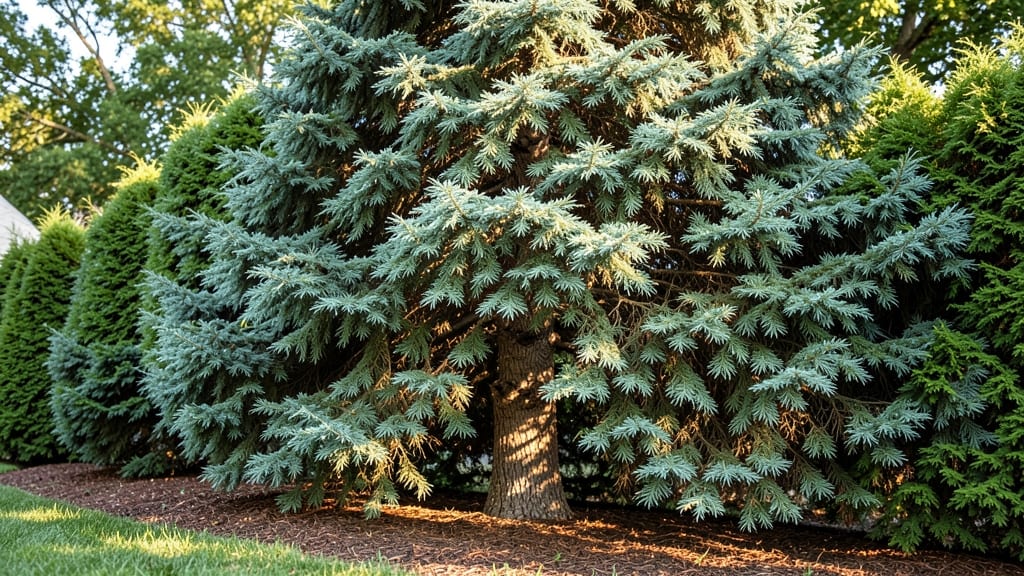
Arkansas’s diverse climate supports a rich variety of native trees, each requiring unique pruning techniques to thrive year-round. This guide covers 10 essential Arkansas tree species and the best pruning practices to maximize their health, beauty, and longevity.
Southern Magnolia Pruning for Year-Round Bloom
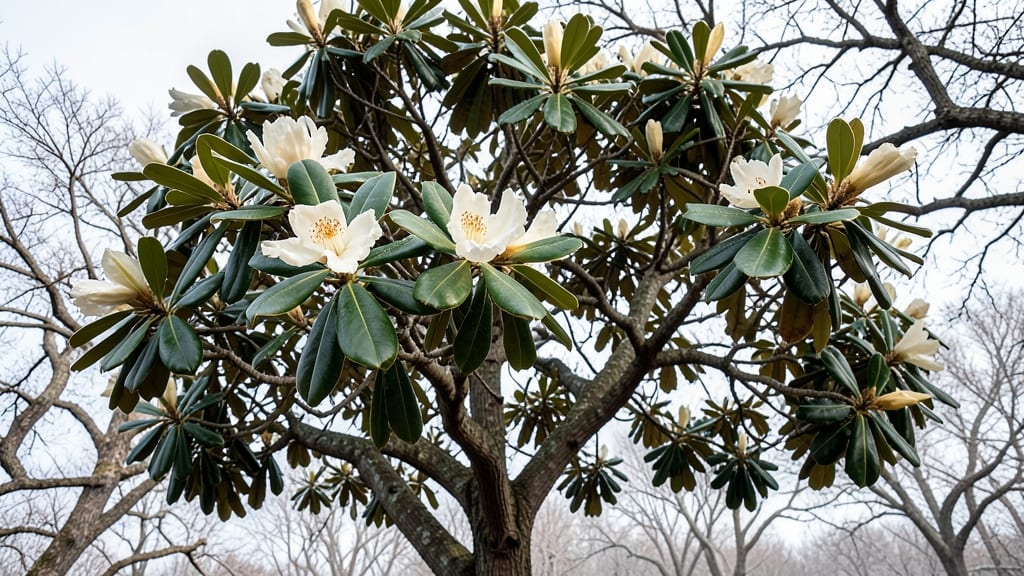
The Southern Magnolia, Arkansas’s beloved state tree, rewards gardeners with year-round interest—glossy evergreen leaves, fragrant summer blooms, and striking winter silhouettes. But to keep it thriving, pruning isn’t about heavy cuts; it’s about strategic maintenance to preserve its iconic charm while preventing disease.
Limit pruning to late winter or early spring before new growth begins, focusing on removing dead, diseased, or crossing branches to improve airflow. Avoid heavy pruning in summer, as it can stress the tree and reduce flowering. Use sterilized tools to prevent fungal infections, and never remove more than 25% of the canopy at once. The goal is to maintain its natural shape while keeping branches accessible for future maintenance.
This approach is perfect for formal landscapes or historic properties where the magnolia’s grandeur is a focal point. With minimal effort, you’ll preserve its fragrance, health, and timeless beauty for decades. 🌿
Redbud Tree Trimming for Spring Color Display
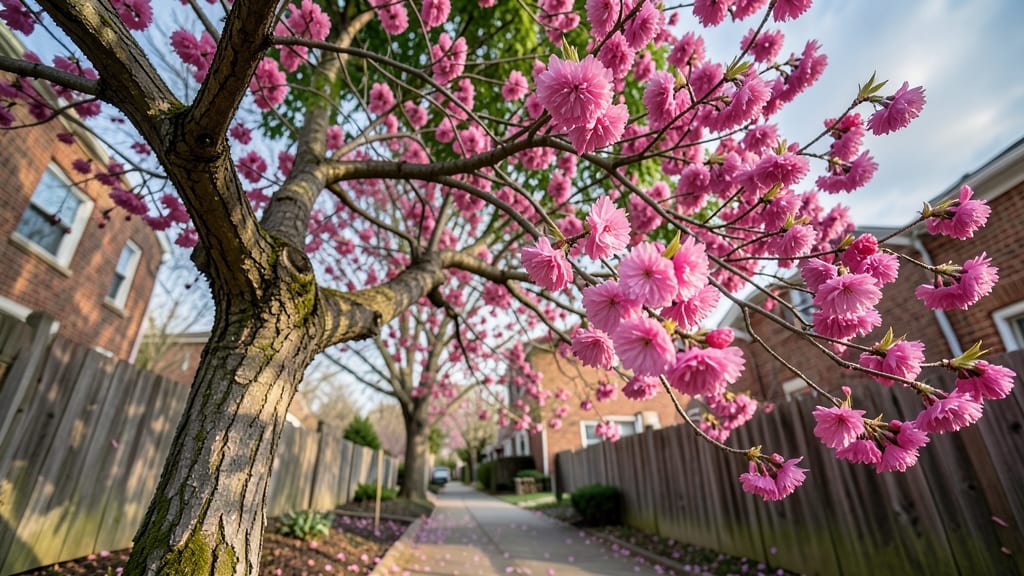
Want to transform your small yard into a springtime spectacle without sacrificing space? The Eastern Redbud (Cercis canadensis) is Arkansas’s answer—its vibrant pink blooms appear before leaves even emerge, making it a standout in tight urban gardens.
Prune your Redbud in late winter (February-March) to remove dead or crossing branches while shaping the tree for maximum bloom visibility. Avoid heavy pruning, as this tree blooms on old wood—cutting too much reduces next year’s flowers. Focus on thinning the center to improve airflow and prevent fungal issues. For compact growth, trim back one-third of the previous year’s growth after flowering.
This low-maintenance tree thrives in partial shade and handles Arkansas’s clay soils well, making it ideal for city lots and suburban front yards. With the right late-winter trim, you’ll enjoy weeks of stunning color with minimal effort. 🌟
Pecan Tree Pruning for Nut Production
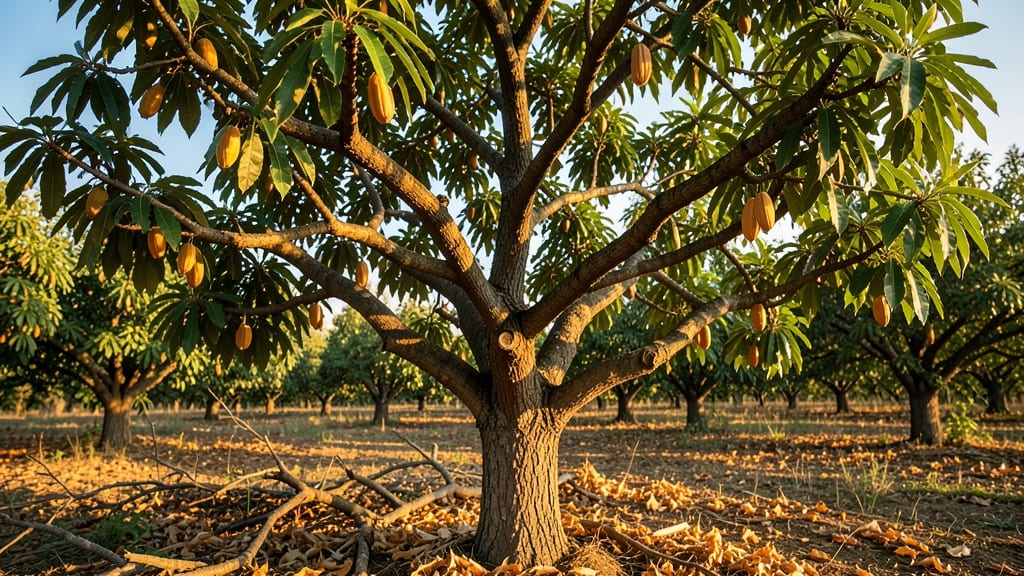
Want a bountiful pecan harvest from your Arkansas orchard? The secret lies in aggressive structural pruning—not just trimming, but sculpting your tree to maximize sunlight and airflow. Unlike ornamental trees, pecans reward you with higher nut yields when you remove up to 25% of the canopy during dormant seasons.
Start by eliminating dead, diseased, or crossing branches—these compete with healthy growth and invite pests. Thin the outer canopy to let sunlight penetrate to the inner branches where nuts form. Use clean, sharp pruners to make cuts just outside branch collars, and avoid over-pruning in one season. Young trees benefit from annual pruning to establish strong scaffolding, while mature trees need every 2-3 years to maintain productivity.
This method is ideal for commercial growers and homesteaders who want to turn their pecan trees into high-yielding assets. With the right cuts, you’ll see thicker nut production and healthier trees that stand strong against Arkansas’s variable climate. 🌱
Sweetgum Tree Maintenance to Prevent Seed Pods
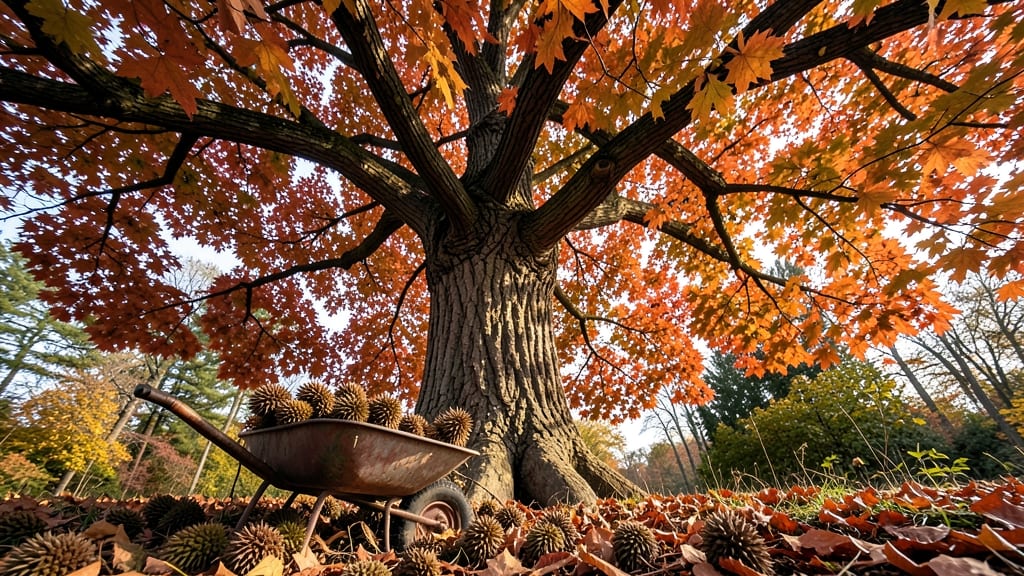
If you’ve ever raked up sweetgum seed pods by the wheelbarrow load, you know these trees are stunning but messy—especially in fall. The key to managing them isn’t avoiding planting; it’s strategic pruning to minimize debris while keeping their iconic star-shaped leaves and brilliant autumn colors intact.
Focus on late winter pruning (February-March) to remove water sprouts and low-hanging branches before seed pods mature. Thin the canopy by 20-30% to improve airflow, which reduces fungal issues and makes cleanup easier. For established trees, prioritize vertical branches—these produce the most pods—and use a pole saw for high branches to avoid ladder risks. Mulch heavily around the base to suppress weeds that compete with young trees.
Sweetgums are ideal for parks, large yards, or rural properties where cleanup isn’t a daily chore. Their drought tolerance and fast growth make them low-maintenance once pruned correctly—just be prepared for the occasional "pod storm" in autumn! 🌟
Oak Tree Pruning for Longevity and Disease Prevention
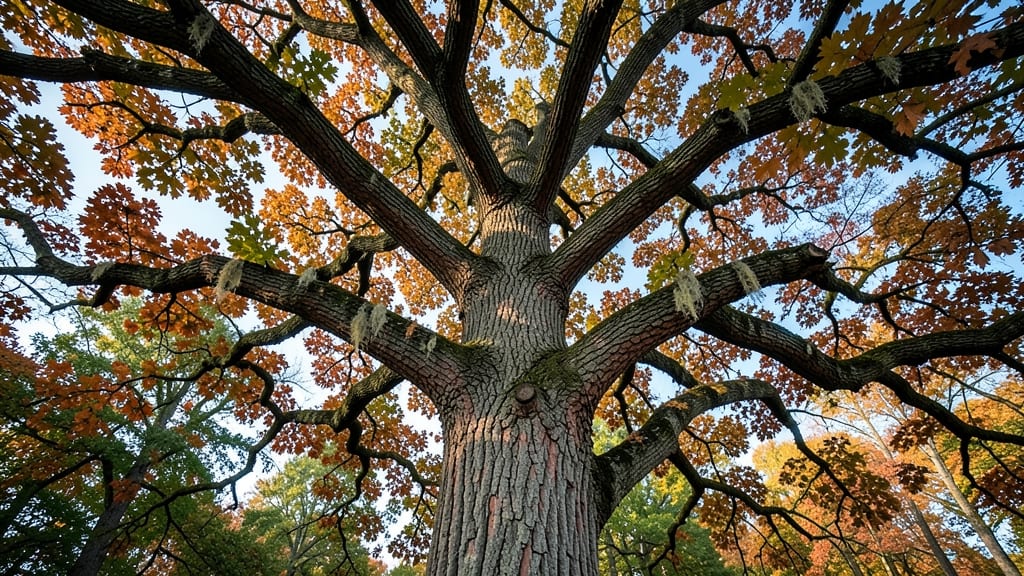
Arkansas’s majestic oaks—White, Red, and Bur—are the backbone of many landscapes, but their sprawling branches create perfect conditions for fungal diseases like oak wilt and anthracnose. The key to preserving their longevity lies in strategic pruning that prioritizes airflow and structural integrity.
Start by removing crossing or rubbing branches first, as these create wounds where pathogens enter. Thin the canopy by cutting back branches that grow inward or downward to let sunlight and air circulate through the crown. Always prune during late winter or early spring (before buds break) to minimize stress, and sterilize your tools between cuts to prevent spreading disease. Focus on no more than 25% of the canopy at a time to avoid shocking the tree.
This method isn’t just for arborists—homeowners with mature oaks will benefit from fewer fungal outbreaks and stronger, healthier trees for generations. 🌟
Dogwood Tree Shaping for Seasonal Interest
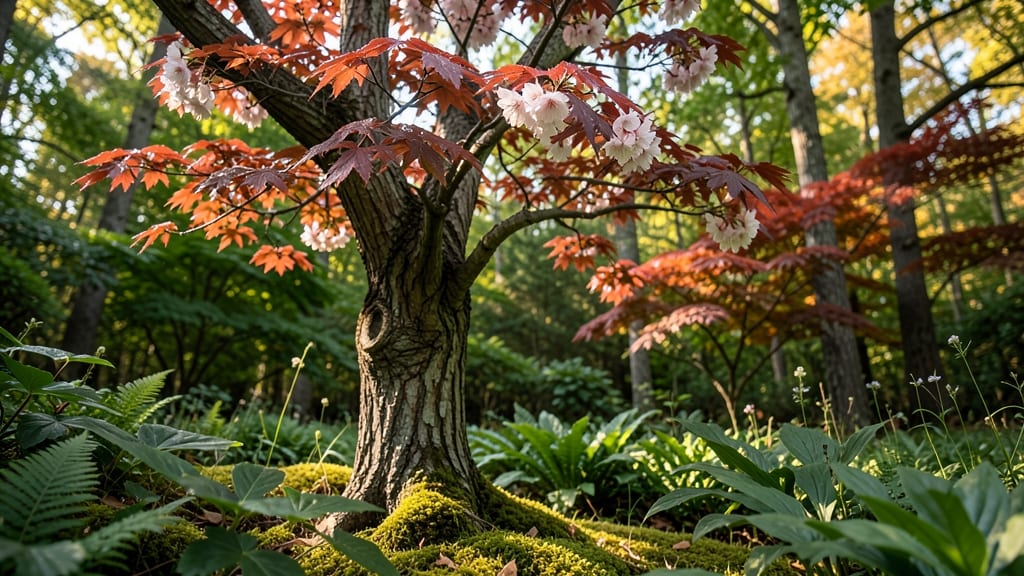
Transform your shaded garden into a year-round showpiece with dogwood trees, Arkansas’s understated stars that deliver spring blooms and fiery fall foliage with minimal effort. Unlike high-maintenance trees, dogwoods thrive with just a few strategic cuts—perfect for woodland landscapes where sunlight is limited.
Prune dogwoods in late winter or early spring before new growth begins, focusing on removing crossing branches and thinning the canopy to improve airflow. Avoid heavy pruning after summer, as this can reduce next year’s flower production. For shape, aim to maintain an open, vase-like form that highlights their delicate branches and heart-shaped leaves. Arkansas’s native flowering dogwood (Cornus florida) and pagoda dogwood (Cornus alternifolia) both respond beautifully to light shaping.
This low-maintenance approach makes dogwoods ideal for gardeners who want seasonal color without the upkeep of fruit trees or dense shrubs. They’re especially valuable in shaded areas where few other trees will flourish. 🌷
Hickory Tree Pruning for Structural Strength
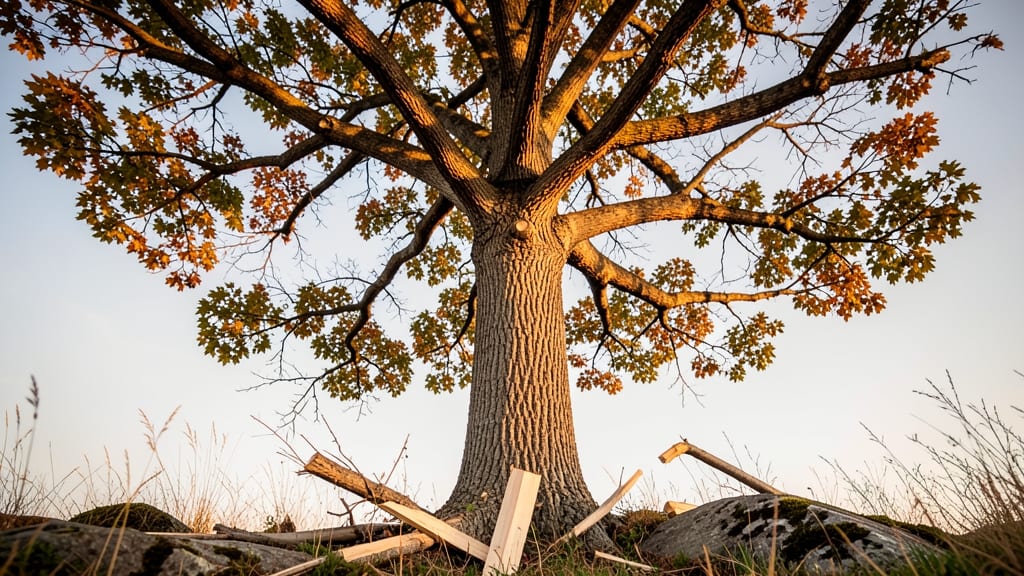
If you have a hickory tree on your rural property, early pruning isn’t just about aesthetics—it’s about storm-proofing your tree for decades to come. Unlike other species, hickories develop their structural integrity in their first few years, making youthful pruning critical for preventing weak branch failures later.
Start pruning when the tree is 3-5 years old, focusing on removing competing vertical branches (those growing straight up) and crossing limbs that rub together. Use clean, sharp pruners to make cuts just outside the branch collar, and avoid over-pruning—never remove more than 25% of the canopy in a single session. Hickories are resilient but respond best to gradual shaping over time.
This approach is ideal for landowners with wooded areas or those restoring native ecosystems, as it mimics natural forest conditions while reducing the risk of windthrow—a common issue with unpruned hickories. With the right technique, your tree will develop a strong, self-supporting frame that stands up to Arkansas’s variable weather. 🌟
Crape Myrtle Pruning for Compact Growth
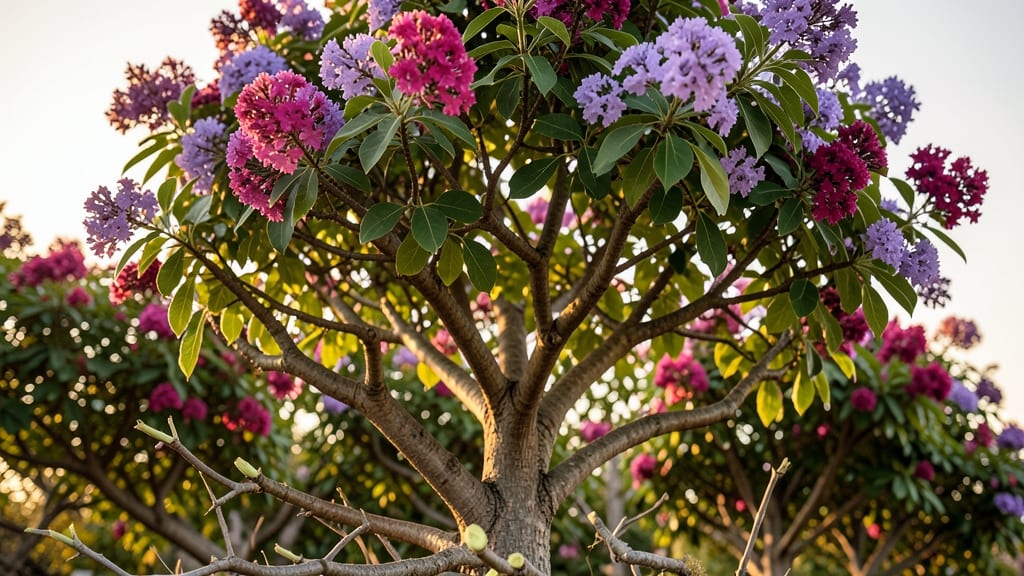
If you love the bold colors of Crape Myrtle but struggle with its sprawling growth, annual pruning is your secret weapon. This drought-tolerant Arkansas favorite naturally grows tall and leggy, but strategic cuts transform it into a bushier, more manageable shrub—ideal for tight urban spaces and small yards.
Prune your Crape Myrtle in late winter or early spring before new growth begins. Focus on removing water sprouts (shoots growing from the trunk or branches) and thinning crowded branches to improve airflow. Cut back one-third of the oldest stems each year to encourage new, vibrant growth. Avoid "crape murder" (over-pruning) by never cutting into old wood—always leave a bud or branch collar. This method keeps your tree flowering beautifully while maintaining its compact shape.
Urban gardeners and small-space enthusiasts will especially appreciate how this technique transforms Crape Myrtles into low-maintenance, high-impact focal points. With the right pruning, you’ll enjoy season-long blooms and a tree that fits perfectly in your landscape. ✨
Willow Oak Pruning for Airy Canopy
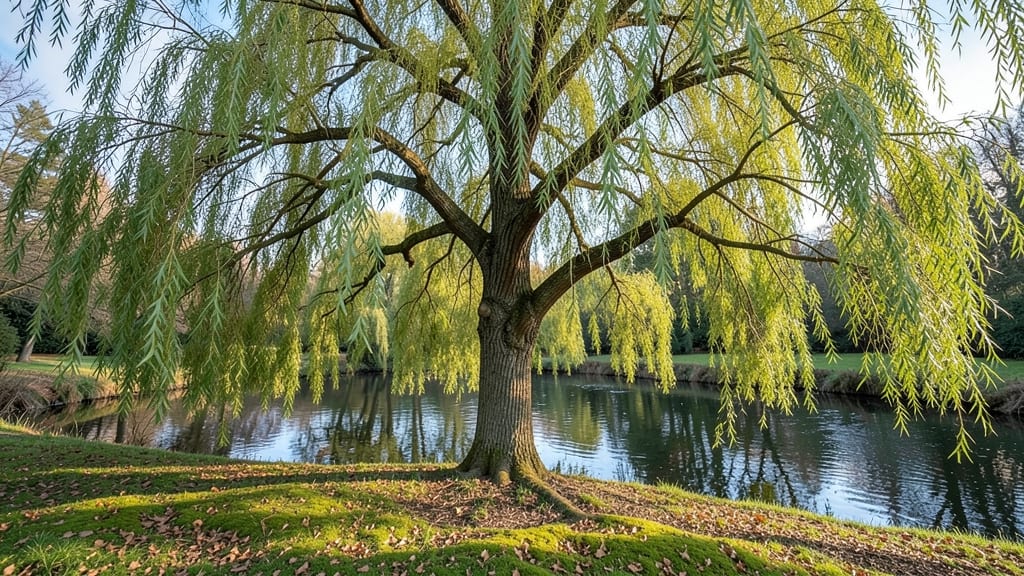
The Willow Oak (Quercus phellos) transforms any landscape with its graceful, weeping branches that cascade like a natural fountain. Unlike other oaks, its airy canopy thrives near water features, making it a standout choice for ponds, streams, or open meadows where its branches can sway freely.
Prune Willow Oaks in late winter or early spring to shape their elegant form while avoiding heavy cuts that could stress the tree. Focus on removing crossing or inward-growing branches to maintain airflow and prevent disease. For a more dramatic effect, thin the outer canopy by 20-30% to enhance the cascading habit. This tree’s tolerance for wet soils makes it ideal for Arkansas’s humid climate, especially near water gardens.
Landscape designers love Willow Oaks for their drought tolerance once established and ability to thrive in full sun to partial shade. Perfect for those seeking a low-maintenance yet stunning focal point, this oak adds movement and texture to any outdoor space. 🌿
Eastern Red Cedar Trimming for Privacy Screens

Transform your backyard into a private oasis with Eastern Red Cedar—a fast-growing evergreen that thrives as a natural privacy screen. Unlike traditional hedges, these trees grow into a dense, pyramid shape, providing year-round coverage while requiring minimal upkeep once established.
Prune Eastern Red Cedars in late winter or early spring to shape their natural form and encourage bushier growth. Focus on trimming the outer branches to maintain a uniform height and width, while avoiding over-pruning to preserve their windbreak benefits. These trees are drought-tolerant once established, making them ideal for Arkansas’s varied climate.
Perfect for homeowners seeking low-maintenance privacy, these cedars also attract wildlife like birds and butterflies. Their evergreen foliage ensures your yard stays lush and secluded throughout all four seasons. 🌿