
How To
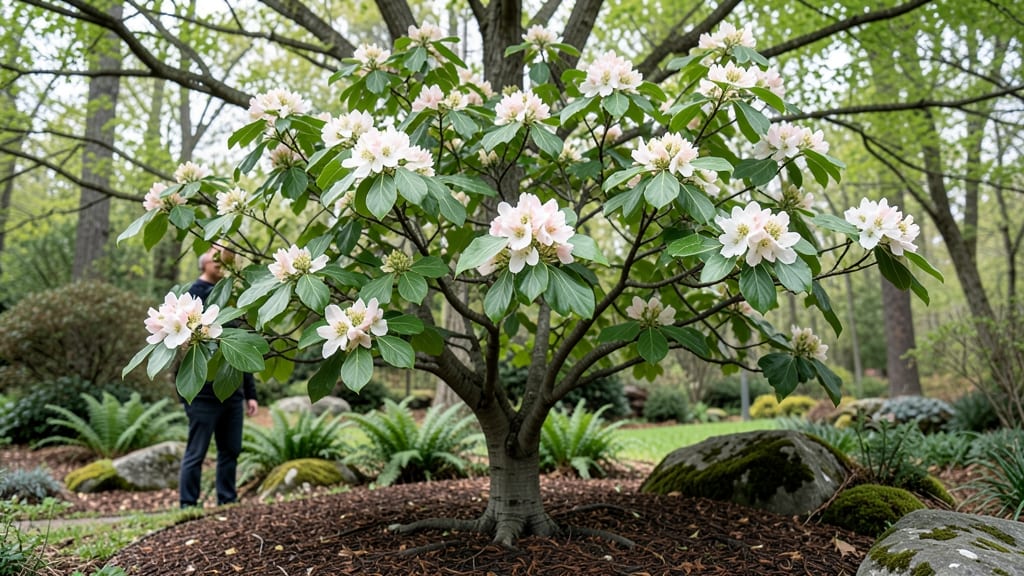
Dogwood trees grow anywhere from 10 to 30 feet tall at maturity, depending on the variety and growing conditions you provide.
If you're dreaming of adding a dogwood tree to your landscape, knowing its mature height is crucial—some varieties reach towering heights while others stay compact, making them perfect for small yards.
For example, the classic Cornus florida can soar to 20-30 feet, while dwarf varieties like 'Taylor' Dogwood max out around 6-12 feet. That means you can enjoy their stunning spring blooms and vibrant fall foliage without sacrificing yard space.
Below, I’ll break down the height differences between popular dogwood types, how fast they grow, and the best pruning practices to keep them at your ideal size.


Dogwood tree height by variety: mature size comparison
Choosing the right dogwood tree for your space starts with understanding mature height differences between varieties. The Flowering Dogwood (Cornus florida), America’s state tree, typically reaches 20-30 feet at maturity, making it a stunning focal point for larger yards.
But if you’re working with limited space, dwarf varieties like 'Taylor' Dogwood stay between 6-12 feet tall, offering the same show-stopping blooms in a compact package.
Dogwood trees grow at different rates based on their genetics, but their final height is primarily determined by the cultivar. Some varieties, like the Kousa Dogwood (Cornus kousa), mature around 15-25 feet, while others, such as 'Cherokee Brave', remain under 10 feet.
This variety comparison helps you pick the perfect tree for your landscape design, whether you need a towering shade provider or a petite ornamental accent.
| Variety | Mature Height | Growth Rate | Best For |
|---|---|---|---|
| Flowering Dogwood (Cornus florida) | 20-30 ft | Moderate (1-2 ft/year) | Large yards, shade trees |
| Kousa Dogwood (Cornus kousa) | 15-25 ft | Slow to moderate (1 ft/year) | Urban landscapes, pollution tolerance |
| 'Taylor' Dogwood | 6-12 ft | Slow (6-12 in/year) | Small yards, containers |
| 'Cherokee Brave' | 8-10 ft | Slow (6 in/year) | Foundation planting, mixed borders |
| 'Golden Glow' Dogwood | 12-15 ft | Moderate (1-1.5 ft/year) | Four-season interest, small to medium yards |
| 'Royal Purple' Dogwood | 10-15 ft | Slow to moderate (8-12 in/year) | Color contrast, urban gardens |
The Flowering Dogwood is the classic choice for traditional landscapes, but its 20-30 foot mature height means it needs plenty of space to thrive.
If you’re planting near a patio or driveway, opt for 'Taylor' Dogwood, which stays under 12 feet while still delivering vibrant spring blooms and red fall berries. This variety is perfect for urban gardens where space is limited but curb appeal is a priority.
For those who love the Kousa Dogwood's ruffled petals and disease resistance, consider its mature height of 15-25 feet. It’s an excellent middle-ground option for medium-sized yards or as a specimen tree in a front yard.
The 'Golden Glow' variety adds a year-round interest with its golden foliage, reaching 12-15 feet—ideal for mixed borders or foundation plantings.
If you’re aiming for a low-maintenance yet high-impact tree, the 'Cherokee Brave' is a standout. Its 8-10 foot mature height makes it perfect for small spaces, and its deep pink flowers and dark foliage create a striking contrast.
This variety is also drought-tolerant once established, reducing your watering workload.
When selecting a dogwood, always consider your yard’s mature size and the tree’s growth rate. A standard Flowering Dogwood might outgrow its space in 10-15 years, while a dwarf variety like 'Taylor' will maintain its compact form with minimal pruning.
Always check the USDA Hardiness Zone for your region, as some varieties thrive in Zones 5-9 while others prefer Zones 6-8.
For urban gardeners, prioritize dwarf or semi-dwarf varieties to avoid overcrowding. A 10-foot dogwood can fit neatly in a small front yard or alongside a driveway, while larger varieties need at least 20 feet of clearance to prevent root competition with nearby structures.
Always measure your space before planting to ensure your dogwood has room to grow without becoming a future pruning headache.
Pro tip: If you’re unsure about a dogwood’s final size, start with a container-grown specimen. This gives you a better sense of its proportions and allows you to transplant it to the perfect location once you’ve seen how it fits into your landscape.
Most nurseries offer 3-5 gallon containers of dogwoods, making it easier to assess their mature potential before committing to a permanent spot.
Remember, pruning young dogwoods can influence their final height. If you want to keep a tree shorter, prune in late winter or early spring before new growth begins. Avoid heavy pruning in summer or fall, as this can stress the tree and reduce flowering.
With the right variety and care, your dogwood will thrive for decades, offering
How fast do dogwood trees grow? Growth rate by age
Dogwood trees are known for their moderate growth rates, typically gaining 12-24 inches per year under ideal conditions. In their first few years, growth is slower—often just 1-2 feet annually—but accelerates as the tree matures.
By year 5, you can expect 3-5 feet of height gain, with some vigorous varieties reaching 6-10 feet by year 10. This gradual pace makes them ideal for long-term landscaping plans where patience pays off with stunning spring blooms.
Understanding your dogwood’s growth rate helps with space planning. A standard Cornus florida may reach 20-30 feet at maturity, while dwarf varieties like 'Taylor' dogwood stay under 12 feet.
Knowing your tree’s variety and age lets you predict its future size, ensuring it fits your yard’s layout without outgrowing its welcome. For example, a 3-year-old dogwood at 5 feet tall will likely double in height over the next decade.
Several factors influence your dogwood’s growth speed. Sunlight exposure plays a key role—trees in full sun (6+ hours daily) grow 20% faster than those in partial shade.
My Cornus kousa in a morning sun spot gained 18 inches last year, while a neighboring tree in dappled shade only grew 12 inches. Soil quality matters too: Well-draining, slightly acidic soil (pH 5.0-6.5) fuels faster growth, while compacted or alkaline soil slows it down.
Pruning also shapes growth habits. Light pruning in late winter removes dead branches and encourages bushier growth, while hard pruning can stunt height if overdone. I prune my dogwood annually to maintain its pyramidal shape and redirect energy to flower production.
Avoid heavy pruning after June, as new growth won’t harden off before winter, making it vulnerable to frost damage.
To estimate your dogwood’s future size, multiply its current height by 2-3 for dwarf varieties or 3-5 for standard types. For example, a 6-foot 'Cherokee Brave' will likely reach 12-18 feet at maturity, while a 10-foot Cornus florida may top out at 25-30 feet.
Adjust for local conditions—cooler climates slow growth, while warmer zones with longer growing seasons speed it up. Regularly check soil moisture and adjust watering to keep your tree on track for its full potential.
Patience is key with dogwoods—their slow-to-moderate growth ensures steady, sturdy development rather than rapid but weak expansion. By understanding these growth patterns, you can plan your landscape with confidence, knowing your dogwood will thrive for decades while adding seasonal beauty to your outdoor space. 🌳