
Blooming
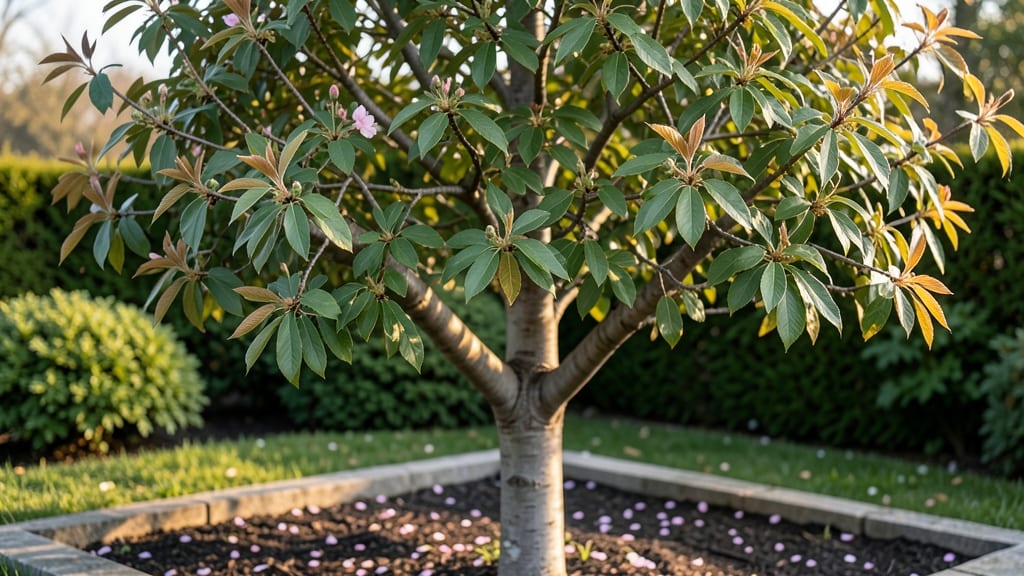
Your Yoshino cherry tree after bloom just stole the show with its snowy pink canopy—now it’s time to give it the care it needs for another showstopping spring. 🌸 After the petals fall, the real work begins: pruning to encourage next year’s blooms, cleaning up to prevent disease, and feeding the roots for strength.
I’ve learned the hard way that skipping this step means fewer flowers and more pests next season.
The first step is pruning, but not how you think. You’re not shaping the tree—you’re removing dead wood, crossing branches, and thinning the canopy to let light reach the center. Aim for late spring or early summer, when the tree is fully leafed out but before new growth starts.
Grab your pruners, sanitize them with rubbing alcohol, and cut just outside the branch collar.
After pruning, focus on the ground. Rake up those fallen petals and leaves—they’re a magnet for fungal diseases like powdery mildew. Spread 2-3 inches of mulch around the base (keep it 6 inches from the trunk) to retain moisture and block weeds.
A light application of balanced fertilizer in early summer gives the roots a boost for next year’s buds.
This is where most gardeners drop the ball. Water deeply once a week if rain is scarce, and keep an eye out for signs of stress: yellowing leaves, wilting, or early leaf drop.
With proper care now, your Yoshino will reward you with denser branches and even more blossoms by spring. The secret’s in the details—don’t skip them!
📚 In This Guide
- What you need
- Instructions
- Tips and common mistakes
- Wrapping up and next steps
What you need
- ● Pruning shears: Bypass pruners (sharp, clean, and disinfected with rubbing alcohol or bleach solution—1 part bleach to 9 parts water). Size: 6–8 inches for small branches.
- ● Loppers: For thicker branches (½–1½ inches in diameter). Look for ratcheting or bypass types for precision.
- ● Hand pruners: Anvil-type for smaller cuts (under ¼ inch), but avoid these for thick branches—they crush wood.
- ● Pruning saw: Curved-tooth saw for branches 1½+ inches thick. Quantity: 1 (high-quality, like Felco or Fiskars).
- ● Gloves: Heavy-duty, cut-resistant gloves (e.g., Mechanix or garden-specific brands) to protect hands from thorns and rough bark.
- ● Disinfectant: 70% isopropyl alcohol or copper fungicide (to prevent disease spread). Quantity: Small spray bottle or wipe.
- ○ Pruning sealant: Optional but helpful for large cuts (>½ inch)—use a tree wound sealant (e.g., Tanglefoot Tree Wound Pruning Seal). Quantity: Small tube.
- ● Ladder or step stool: Sturdy, non-slip (e.g., aluminum extension ladder or a 4–6 ft. stool). Safety first!
- ● Heavy-duty trash bags: For collecting pruned branches. Quantity: 2–3 (20–30 gallon size).
- ● Work clothes: Long sleeves/pants to avoid scratches and sun exposure.
- ● Safety glasses: Protects eyes from debris (especially when using a saw).
- ○ Ear protection: If using a chainsaw for very thick branches (optional for most cherry trees).
- ● Pruning paint: Alternative to sealant for large cuts (e.g., white latex paint).
- ● Garden hose or spray bottle: To rinse tools between cuts and keep branches clean.
- ● Notebook & pen: To sketch a simple pruning map of your tree’s structure.
How to prune a Yoshino cherry tree for next year’s best blooms
This is the moment that matters: after the petals fall, you shape the tree’s future. Here’s how to prune for stronger branches and even more spectacular blossoms.
🌿 Step 1: Wait Until After Full Bloom and Leaf-Out
Hold off on pruning until after all flowers have fallen and new leaves appear—usually 4-6 weeks after peak bloom. Pruning too early removes flower buds already set for next year, while waiting too long risks overgrowth. You’ll know it’s time when young green leaves cover 75% of the branches and no pink buds remain.
I like to prune in late May or early June in most climates. If your tree blooms late, wait until after the first heatwave—stress from pruning in hot weather weakens the tree. Check the ground for fallen petals as your signal to begin.
✂️ Step 2: Remove Dead, Weak, or Crossing Branches First
Start by cutting out any dead wood—it’s easy to spot as dry, brittle branches that snap when bent. Next, remove thin, weak stems (smaller than a pencil) and crossing branches where two limbs rub together. These compete for energy and create entry points for disease.
Use clean, sharp pruners to make cuts at a 45-degree angle, about ¼ inch above an outward-facing bud. Never leave stubs—this invites rot. If a branch is thicker than 2 inches, use a pruning saw and seal the cut with pruning paint to prevent disease.
☀️ Step 3: Thin the Canopy for Better Airflow and Light
Step back and look at the tree’s shape. Your goal is to open the center so sunlight reaches all branches. Remove up to 20% of the canopy by cutting back overlapping or inward-growing branches—these are the ones growing toward the center of the tree.
Focus on scaffolding branches (the main structural limbs) and avoid cutting more than one-third of a branch’s length at once. You’ll see more light reaching the inner branches after pruning, which encourages stronger growth and better bloom production next spring.
⏰ Step 4: Shape the Tree for Balance and Future Blooms
Now’s the time to refine the tree’s natural shape. Yoshino cherries grow best with a rounded, vase-like form, so aim to maintain that silhouette. Cut back long, leggy branches to a side bud to encourage bushier growth, and shorten overly vigorous branches by one-third to redirect energy to flower buds.
Never remove more than 25% of the tree’s total branches in one year—this stresses the tree and reduces next year’s blossoms. If your tree is young (under 10 years old), limit pruning to just the cleanup cuts from Step 2 to avoid stunting its growth.
💧 Step 5: Clean Up and Fertilize for Recovery
After pruning, sterilize your tools with rubbing alcohol to prevent spreading disease. Rake up and dispose of all clippings—never compost them, as they may harbor fungal spores. Water the tree deeply to help it recover, especially if you’ve made large cuts.
Apply a balanced, slow-release fertilizer (like 10-10-10) in early summer to replenish nutrients lost during pruning. Avoid heavy fertilizers—too much nitrogen encourages leafy growth at the expense of flower buds. Mulch the base with 2-3 inches of organic mulch to retain moisture and protect roots.
Tips & tricks for perfect Yoshino cherry tree pruning
These simple strategies will help you prune with confidence and set your tree up for next year's showstopping blooms.
Timing Secret: The 4-6 week window after peak bloom is critical—this gives your tree time to set flower buds for next spring. I’ve learned the hard way that pruning too early (when pink buds are still visible) means fewer blossoms next year. Wait until you see those young green leaves covering 75% of branches, and fallen petals will confirm you’re ready.
Tool Technique: Always sterilize your pruners between cuts, especially when moving from dead wood to healthy branches. I use rubbing alcohol on a paper towel—it takes seconds and prevents spreading disease. For branches thicker than 2 inches, switch to a pruning saw and seal the cut with pruning paint to prevent rot. This one step saved my tree from fungal issues last season.
Canopy Strategy: When thinning the canopy in Step 3, focus on creating a "light tunnel" effect—remove branches growing toward the center so sunlight reaches all the way to the inner branches. I like to visualize the tree as an open umbrella rather than a closed fist. This simple mental trick helps me avoid over-pruning while ensuring even light distribution for next year's blooms.
Recovery Wisdom: After pruning, give your tree a deep watering to help it recover, especially if you've made large cuts. I've found that applying a 2-3 inch layer of organic mulch right after pruning helps retain moisture and protect roots during the hot summer months. This small step makes a big difference in tree health and bloom production.
Pro Tips for Yoshino Cherry Tree After Bloom
- These simple strategies will help you prune with confidence and set your tree up for next year's showstopping blooms.
- Timing Secret: The 4-6 week window after peak bloom is critical—this gives your tree time to set flower buds for next spring.
- Tool Technique: Always sterilize your pruners between cuts, especially when moving from dead wood to healthy branches.
Frequently asked questions
Got questions about what to do with your Yoshino cherry tree once the blooms fade? You’re not alone! Here are answers to the most common concerns—from pruning timing to long-term care—so you can keep your tree thriving for next spring’s showstopper blossoms.
What’s the best time to prune a Yoshino cherry tree after it blooms?
Prune your Yoshino cherry tree immediately after blooming (late April to early May in most regions) to avoid cutting off next year’s flower buds, which form on old wood. Wait until all petals fall to ensure you’re not sacrificing future blooms. Pro tip: Mark branches to prune before blooming ends to stay organized!
Can I prune a Yoshino cherry tree in summer or fall?
While you can light prune in summer (June–July) for shaping, avoid heavy pruning then—it stresses the tree and may reduce next year’s flowers. Fall pruning (September–October) is riskier due to late-season growth that won’t harden off before winter. Heavy cuts now could invite disease or pests. Stick to minimal trimming if needed!
How do I know if I’ve pruned too much?
Signs of over-pruning include excessive leaf drop, weak new growth, or branches that look sparse. Yoshino cherries thrive with 10–20% of the canopy removed max per year. If you’ve cut more than that, the tree may struggle to recover. Monitor for wilting or yellowing leaves—these are red flags!
What should I do if my Yoshino cherry tree isn’t blooming well after pruning?
Poor blooming often stems from over-pruning, nutrient deficiencies, or lack of sunlight. Ensure your tree gets 6+ hours of sun daily and fertilize in early spring with a balanced 10-10-10 formula. If blooms are sparse, check for compact flower clusters (they’re normal!)—but if branches are bare, adjust pruning for next year.
Are there alternatives to pruning for maintaining a Yoshino cherry tree?
Yes! For minimal maintenance, focus on selective thinning to improve airflow (reducing disease) and remove only dead, crossing, or rubbing branches. Mulch annually with 2–3 inches of organic matter to retain moisture and nutrients. Avoid heavy structural changes—Yoshino cherries have a natural, airy shape that’s part of their charm!
Wrapping up and next steps
Watching your Yoshino cherry tree shed its petals doesn’t mean the magic is over—it’s just the beginning of a new chapter! 🌸 With the right care, your tree will reward you with even more stunning blooms next spring. Start by pruning now to shape its future beauty and keep it healthy, then enjoy the quiet strength of its leaves and branches as they prepare for another dazzling display.
Ready to take action? Grab your tools and head outside! A little effort today ensures a breathtaking show tomorrow—so why wait? Your future blossoms are counting on you. 🌿✨