
Container Gardens
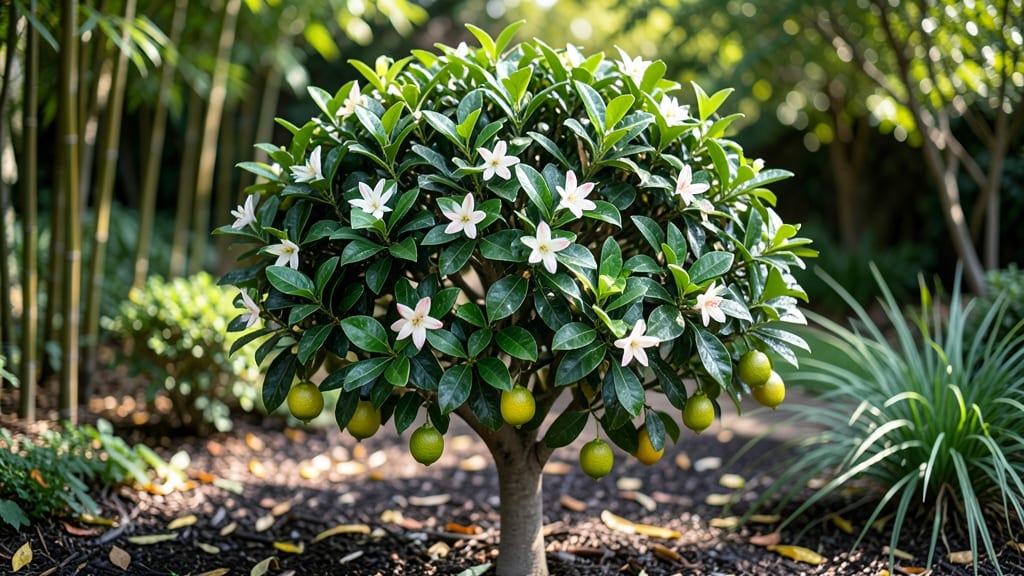
Yuzu trees grow best in USDA hardiness zones 8 through 11, where they can handle warm climates year-round or need minimal frost protection. Container growing with winter indoor storage becomes essential in colder zones. The sweet spot for optimal growth is zones 9 and 10, where temperatures rarely fall below 20°F (-6°C).
Yuzu trees (Citrus junos) are tropical citrus that struggle when temperatures dip below 28°F (-2°C)—even brief exposure can cause leaf burn or branch dieback. 🌱 In zones 8 and 11, they thrive outdoors year-round with proper mulching, while zones 9-10 offer the perfect balance of warmth and humidity.
For gardeners in cooler climates, container cultivation lets you move the tree indoors before winter, but you'll need bright grow lights to prevent leggy growth during darker months.
What sets yuzu apart from other citrus is its remarkable resilience once established, but young trees are particularly vulnerable. I've seen firsthand how a single hard frost can devastate a newly planted yuzu—this is why container growing gives you that critical control.
The key is mimicking their native Japanese climate: 60-75°F (15-24°C) days, high humidity, and protection from wind. With these adjustments, even zone 7 gardeners can successfully grow yuzu trees indoors during winter.
💡 In This Article
- Yuzu Tree Cold Tolerance Limits and Frost Damage Risks
- Container-Grown Yuzu Trees: Zone Adaptation Strategies
Yuzu tree cold tolerance limits and frost damage risks
Yuzu trees (Citrus junos) have a physiological cold threshold of 20°F (-6°C), where irreversible cellular damage begins. Below this temperature, the plant's cell membranes rupture due to ice crystal formation, a process called cytorrhysis.
In zones 8-11, this threshold is rarely breached, but even brief dips to 28°F (-2°C) can cause leaf burn and branch dieback—symptoms you'll notice as brown, crispy edges on foliage within days.
The damage mechanism involves two key factors: duration and temperature consistency. A single night at 20°F (-6°C) may cause superficial leaf scorch, but prolonged exposure accelerates decline.
For example, a 3-day stretch below 25°F (-4°C) can kill young trees outright, while mature specimens may survive but produce fewer fruits. 🌱 This explains why zone 9-10 growers see optimal yields—their trees experience minimal cold stress.
In contrast, zone 8 gardeners often report stunted growth due to occasional near-freezing nights.
The science behind citrus cold acclimation reveals why yuzu trees struggle in cooler climates. Unlike deciduous plants that shed leaves to conserve energy, citrus trees maintain their foliage year-round, requiring constant metabolic activity.
This makes them vulnerable to cold-induced oxidative stress, where damaged cells release reactive oxygen species that accelerate decay. The tree's natural defense—producing protective sugars like proline—isn't enough to counteract prolonged cold exposure.
Visual damage patterns help identify cold stress. Look for:
- Leaf burn: Brown edges or blackened spots on leaves, often starting at the tips
- Branch dieback: Darkened, brittle stems that snap easily when bent
- Fruit drop: Premature shedding of developing yuzu fruits, which are particularly sensitive to cold
Even in optimal zones 9-10, gardeners should monitor for late-season frosts, which can occur as late as April in some regions.
These unexpected cold snaps often catch trees off-guard, as their natural cold-hardening processes (like increased sugar production) take weeks to develop. 💫 This is why many successful yuzu growers in marginal zones use frost cloths or row covers—simple but effective barriers that raise temperatures by 5-10°F (3-6°C) during critical cold events.