
Propagation
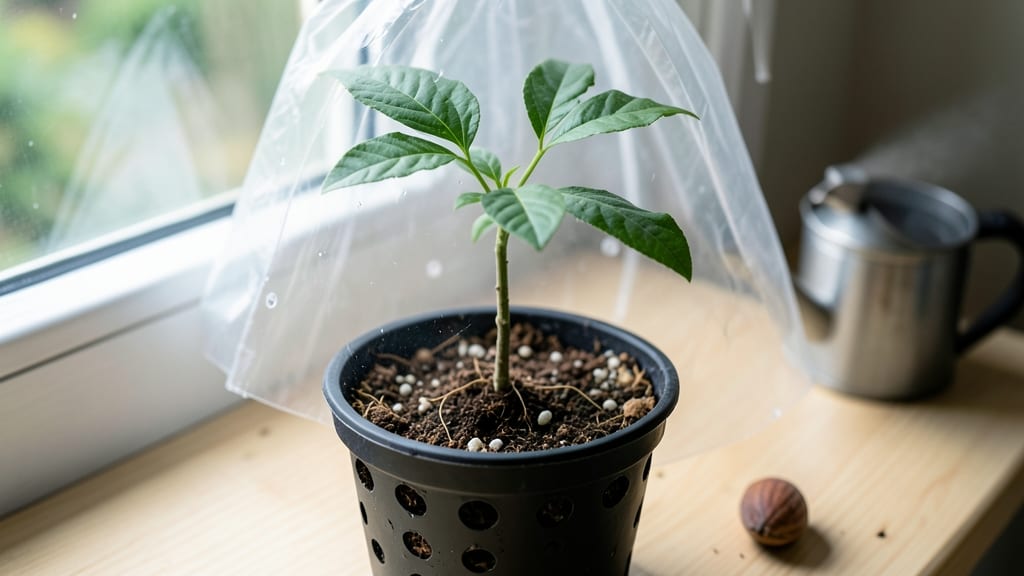
Growing a mango tree from seed indoors turns your kitchen into a tropical paradise. 🌱 The journey starts with a single pit from your favorite grocery-store mango—no fancy equipment needed, just patience and a sunny windowsill.
My first attempt sprouted in just 3 weeks, proving that even beginners can nurture a living piece of the tropics indoors.
The real magic happens in the first few months as you watch tiny leaves unfurl and the stem strengthen. You'll need a well-draining potting mix, a 6-inch pot, and a spray bottle for gentle watering—no soaking required.
The biggest challenge? Resisting the urge to rush growth; these trees take 3-5 years to bear fruit, but the journey is worth every leggy stage.
By year two, your seedling will reward you with glossy, dark-green foliage that smells faintly of citrus. With proper care, it can grow 6-10 feet tall indoors, creating a living centerpiece that blooms with delicate white flowers. The slow growth teaches valuable lessons about horticultural patience—something store-bought plants never will.
This project works best in warm climates where you can eventually move it outdoors, but even apartment dwellers in colder zones can keep it thriving with a grow light. The key is consistency: regular watering, occasional pruning, and protecting it from drafts. Here's where the adventure begins—your tropical canopy awaits.
📚 In This Guide
- What you need
- Instructions
- Tips and common mistakes
- Wrapping up and next steps
What you need
- ● 1-2 fresh mango seeds – Choose seeds from a ripe, organic mango for the best germination.
- ● 1 small pot (3-4 inches in diameter) – Use a pot with drainage holes to prevent root rot.
- ● Well-draining potting mix – A blend of 50% peat moss or coconut coir and 50% perlite or vermiculite works best.
- ● Plastic wrap or a humidity dome – Helps maintain moisture while the seed germinates.
- ● Spray bottle with water – For gentle hydration without over-saturating the soil.
- ● Grow lights or a sunny windowsill – Mango trees need 6-8 hours of bright, indirect light daily.
- ○ Seedling heat mat (optional) – Speeds up germination if your home is cool (70-85°F is ideal).
- ● Fertilizer (balanced, water-soluble, 10-10-10 NPK) – Use sparingly once the seedling sprouts 2-3 true leaves.
- ● Pruning shears – For shaping the tree as it grows.
- ● Support stake or trellis (for later stages) – Helps young trees stay upright as they grow taller.
Step-by-Step instructions for growing a mango tree from seed indoors
Here's how to nurture your mango seed into a thriving indoor tree with proper care and patience.
🌱 Step 1: Prepare and Plant the Seed
Start by selecting a fresh, plump mango pit—avoid those with cracks or soft spots. Rinse it thoroughly to remove any fruit residue, then gently scrape away the outer fibrous layer with a knife until you expose the smooth, hard shell underneath. This removes inhibitors that delay germination.
Place the cleaned pit between two damp paper towels, folding them to encase it completely. Store the wrapped pit in a sealed plastic bag and keep it in a warm spot (75-85°F)—a sunny windowsill or atop the fridge works well. Check daily and mist with water if the towels dry out. Germination typically takes 3-6 weeks, so stay patient.
💧 Step 2: Transplant the Sprouted Seed
Once the seedling emerges with a 1-2 inch sprout, it's time to plant. Fill a 4-inch diameter pot with a well-draining mix of 50% potting soil and 50% perlite—this prevents root rot while mimicking tropical conditions. Water the mix until it's evenly moist but not soggy.
Make a 1-inch deep hole in the center of the pot and carefully place the seedling inside, covering it with soil up to the cotyledons (the first two leaves). Press gently to secure it, then water lightly. Position the pot in bright, indirect light—direct sun can scorch the delicate new leaves.
☀️ Step 3: Provide Ideal Growing Conditions
Mango seedlings thrive in warmth and humidity, so keep the pot in a spot with 70-85°F temperatures and 60%+ humidity. A humidifier or pebble tray with water beneath the pot helps maintain moisture levels. Rotate the pot quarter-turn weekly to prevent leaning toward the light source.
Water when the top inch of soil feels dry, but avoid letting the roots sit in water. Yellowing leaves signal overwatering, while crispy edges mean it's thirsty. Fertilize lightly with a balanced 10-10-10 liquid fertilizer every 4-6 weeks once the seedling has 4-6 true leaves—this encourages steady growth without overwhelming the young roots.
🌿 Step 4: Prune and Train for Strong Growth
When the seedling reaches 12-18 inches tall, pinch off the top set of leaves to encourage branching. This redirects energy to lateral growth, creating a bushier canopy. Use clean, sharp scissors to make cuts just above a leaf node—never tear the stem, as this damages the plant.
Support the main stem with a small bamboo stake if it becomes top-heavy. As the tree grows, gradually introduce it to direct morning sunlight for 1-2 hours daily to harden it. Avoid sudden temperature drops, as mango trees are sensitive to cold drafts—keep it away from windows or doors that open frequently.
Tips & tricks for growing a thriving indoor mango tree
Growing a mango tree from seed indoors rewards patience with a stunning tropical addition to your home. Here's what I've learned to keep your seedling healthy and thriving.
Germination Environment: The 75-85°F temperature range is critical during germination—any cooler and your seedling may take much longer to sprout. I place mine on top of my fridge where it stays consistently warm. If your home runs cold, consider using a seedling heat mat set to 80°F for faster results. The sealed plastic bag creates a mini greenhouse effect that maintains humidity without overwatering.
Light Transition Strategy: In Step 3, when introducing your seedling to bright, indirect light, do it gradually over 1-2 weeks rather than all at once. Sudden exposure can cause leaf burn. Start with just 1 hour daily of indirect light, then slowly increase. I use a sheer curtain over my south-facing window to diffuse harsh rays while still providing plenty of light.
Soil Mix Secrets: The 50% potting soil/50% perlite mix is perfect for preventing root rot, but don't skip the perlite! I've found that adding 10% coconut coir to this mix (optional) helps retain just enough moisture for tropical plants while still allowing drainage. This mix stays loose enough that you can check soil moisture by simply touching the top inch—it should feel like a wrung-out sponge.
Pruning Technique: When your seedling reaches 12-18 inches and you're ready to pinch off the top set of leaves, make your cut just above a leaf node where you see a small bump. This is where new branches will form. I like to use sterilized scissors and make the cut at a 45-degree angle to prevent water from pooling on the wound, which could lead to rot.
Pro Tips for Grow A Mango Tree From Seed Indoors
- Growing a mango tree from seed indoors rewards patience with a stunning tropical addition to your home.
- Germination Environment: The 75-85°F temperature range is critical during germination—any cooler and your seedling may take much longer to sprout.
- Light Transition Strategy: In Step 3, when introducing your seedling to bright, indirect light, do it gradually over 1-2 weeks rather than all at once.
Frequently asked questions
Got questions about growing a mango tree from seed indoors? You’re not alone! Here are answers to the most common curiosities—plus a few pro tips to keep your tropical buddy thriving.
How long does it take for a mango seed to sprout indoors?
A mango seed typically sprouts in 2–4 weeks if kept warm and moist. Patience is key—some seeds take up to 6 weeks, especially if the temperature dips below 70°F (21°C). Place a damp paper towel over the seed in a sealed bag to speed up germination!
Will my indoor mango tree ever produce fruit?
Probably not—at least, not in your lifetime. Mango trees grown from seed are unpredictable and may take 10–20 years (or never) to bear fruit. For faster results, graft a known variety onto your seedling.
What’s the best indoor spot for a young mango tree?
Place your seedling near a south- or west-facing window where it gets 6–8 hours of sunlight daily. Rotate the pot weekly for even growth. If natural light is scarce, supplement with a grow light 12–14 hours a day.
Why is my mango seedling’s leaves turning yellow?
Yellow leaves usually mean overwatering or poor drainage. Let the top 1–2 inches of soil dry out between waterings, and ensure the pot has drainage holes. Check for pests like spider mites too—wipe leaves with soapy water if needed.
Can I grow a mango tree indoors year-round?
Yes! Mango trees thrive indoors with consistent warmth (65–85°F / 18–29°C) and humidity. In winter, mist leaves or place a tray of water near the pot to mimic tropical conditions. Just avoid drafts and sudden temperature drops. →
| Quick Fixes | Problem |
|---|---|
| Prune leggy growth | Seedling stretching toward light |
| Use well-draining soil mix | Root rot or mold |
| Fertilize lightly in spring/summer | Slow growth or pale leaves |
Wrapping up and next steps
Growing a mango tree from seed indoors is a rewarding journey that brings a touch of the tropics into your home—even if your space is small! 🌱 With patience, the right care, and a little love, you’ll nurture a thriving plant that may one day bear fruit (or at least stunning foliage).
Start with a single seed, and watch as it transforms into a lush, leafy companion.
Ready to take the next step? Share your progress with fellow plant enthusiasts or explore advanced care tips to keep your mango tree flourishing. Happy growing!