
How To
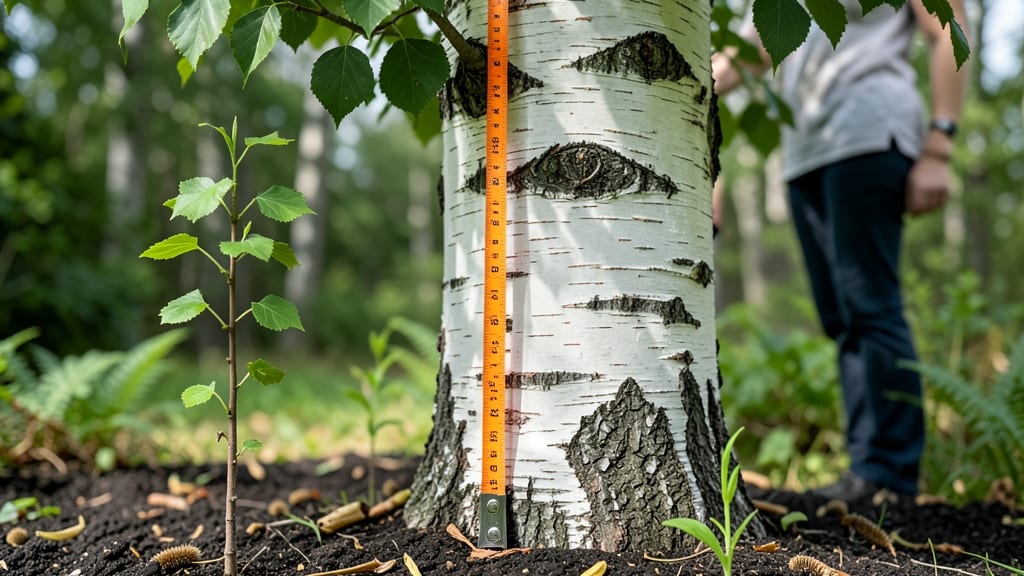
How tall does a birch tree grow? Its mature height can range from 15 feet to over 70 feet—depending on the species, growing conditions, and how much space you give it.
Picture this: a delicate paper birch 🌳 swaying in your backyard, its white bark shimmering like winter frost, or a towering yellow birch reaching toward the sky in a forest setting.
The difference? Species, soil, and sunlight. Some stay compact enough for small gardens, while others become towering giants in the right conditions.
If you’re planning your landscape, knowing these height ranges helps you choose the perfect birch tree for your space—whether you want a striking focal point or a graceful understory tree.
Below, I’ll break down the height ranges by species, the factors that influence growth, and how to prune or space them for the look you want.
Ready to find out which birch tree fits your yard? Let’s dive into the details so you can plant with confidence and watch your tree thrive.


Birch tree height by species: mature dimensions and growth habits
Birch trees are stunning additions to any landscape, but their mature height can vary dramatically depending on the species. From the towering yellow birch to the elegant paper birch, each variety has distinct growth habits.
Understanding these differences helps you choose the right tree for your space and climate. Let’s explore how tall each common birch species grows and what influences their height potential.
Most birch trees reach maturity between 20 to 75 feet, but some dwarf varieties stay under 25 feet. Growth rates also differ—some species grow 1 to 2 feet per year, while others surge faster in ideal conditions.
Whether you’re planning a backyard retreat or a large estate, knowing these details ensures your birch tree thrives without overpowering your space.
| Species | Mature Height (ft) | Growth Rate (ft/year) | Lifespan (years) | Best For |
|---|---|---|---|---|
| Paper Birch (Betula papyrifera) | 50–75 ft | 1–2 ft | 80–100 | Large landscapes, wildlife habitats |
| Yellow Birch (Betula alleghaniensis) | 60–90 ft | 1.5–2.5 ft | 100–150 | Forests, shade trees |
| River Birch (Betula nigra) | 40–70 ft | 2–3 ft | 50–70 | Wet soils, urban areas |
| Dwarf Paper Birch (Betula papyrifera 'Tiny Tower') | 15–25 ft | 0.5–1 ft | 30–50 | Small gardens, containers |
| White Birch (Betula pendula) | 40–60 ft | 1–2 ft | 60–80 | Ornamental planting, parks |
If you’re planting a paper birch, expect it to reach 50 to 75 feet at maturity, making it ideal for spacious properties. Its peeling bark and delicate branches add beauty, but its height requires ample space.
Meanwhile, the river birch grows slightly faster—up to 3 feet per year—and thrives in wetter soils, perfect for low-lying areas or near ponds.
The yellow birch is the tallest birch species, often surpassing 90 feet in ideal conditions. Its dense wood and slow growth rate make it a long-lived choice for forests or large estates.
For smaller yards, the dwarf paper birch is a fantastic alternative, staying under 25 feet while offering all the charm of its larger cousins.
Growth rates also depend on climate and care. In cooler regions like USDA Zones 3–6, birch trees grow slower but live longer. With proper pruning and fertilization, you can encourage faster growth in younger trees. However, avoid over-fertilizing—birch trees prefer moderate nutrients and well-draining soil.
Another factor is root competition. Birch trees have shallow roots, so planting them too close to other trees or structures can stunt their growth. Give them at least 30 feet of space from buildings and 20 feet from other trees to ensure healthy development.
In urban settings, consider container-grown dwarf varieties to control height.
Birch trees typically live 50 to 150 years, depending on the species. The yellow birch often outlives others, while river birch may have a shorter lifespan due to its preference for moist soils. Proper care—like mulching and regular watering—can extend their longevity and maximize
Factors that influence birch tree height: soil, climate, and care
Birch trees are stunning additions to any landscape, but their mature height can vary dramatically based on environmental factors and your care routine. While some species like the yellow birch can reach 70 feet or taller, others like the dwarf birch varieties stay under 25 feet.
Understanding these influences helps you choose the right species for your space and optimize growth conditions.
The soil composition plays a critical role in determining how tall your birch tree grows. Birches thrive in well-draining, slightly acidic soil with a pH between 4.5 and 7.0. Compacted or waterlogged soil can stunt growth, while loose, organic-rich soil encourages rapid vertical expansion.
If your soil is heavy clay, amending it with compost or sand can make a noticeable difference in height potential.
Climate also shapes birch tree height. Cold climates like those in the USDA Zones 3-6 support faster growth for hardy species like the paper birch and river birch. In warmer regions, growth may be slower but more consistent, while urban heat islands can stress trees and limit their height.
Wind exposure is another factor—open areas encourage taller, leaner growth, while sheltered spots may produce bushier trees.
Critical Factors for Birch Tree Height
- 🌱 Soil drainage: Poor drainage stunts growth; amend with compost or sand for optimal height.
- ☀️ Sunlight exposure: Full sun (6+ hours) maximizes height; partial shade reduces vertical growth.
- ✂️ Pruning techniques: Strategic pruning in late winter can control height or encourage fuller growth.
- 🌡️ Climate zone: Colder zones (3-6) support taller growth; warmer zones may limit height due to stress.
- 💧 Watering routine: Deep, infrequent watering promotes deeper roots and taller growth; overwatering causes rot.
Proper pruning practices can significantly influence birch tree height. If you want to limit height, prune the topmost buds in late winter before new growth begins. For taller growth, avoid heavy pruning and focus on removing dead or crossing branches.
Always use sterilized tools to prevent disease, and never remove more than 25% of the canopy in a single year.
Another key factor is spacing and competition. Birch trees planted too closely to other trees or structures will grow slower and shorter due to root competition. Give mature birches at least 30-50 feet of space from other trees and 15-20 feet from buildings.
In small gardens, consider dwarf varieties like 'Copper King' or 'Purpurea', which stay under 20 feet while still providing stunning foliage and bark.
Finally, fertilization and mulching can boost height potential. Young birch trees benefit from a balanced fertilizer (10-10-10) applied in early spring, while mature trees rarely need feeding. Apply 2-3 inches of mulch around the base to retain moisture and regulate soil temperature, which encourages steady growth.
Avoid piling mulch against the trunk to prevent rot.