
How To
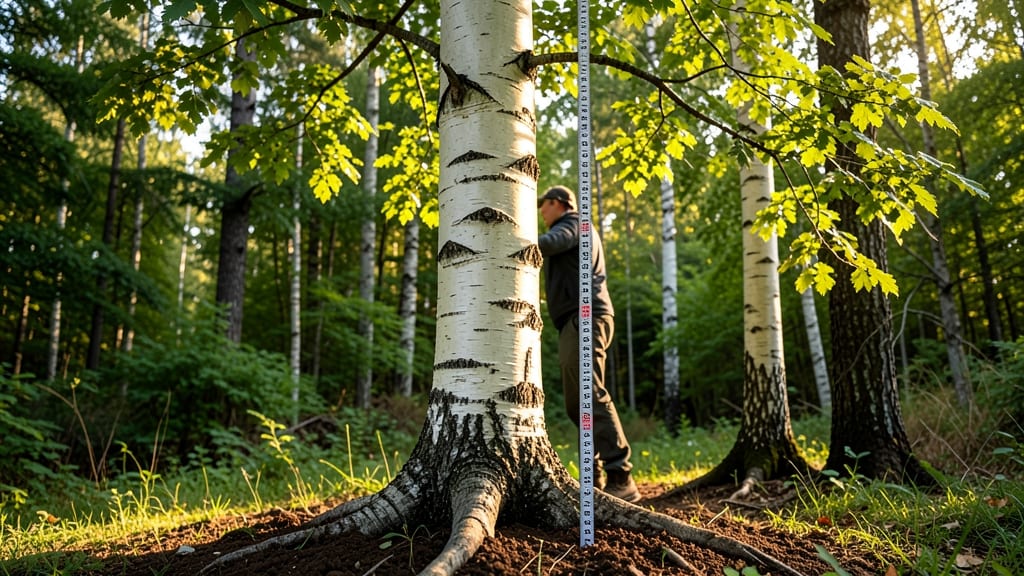
A birch tree can grow how tall can a birch tree grow to 70 feet or taller under the right conditions, turning your yard into a towering natural landmark 🌳 — but not all species reach that height, and their growth depends on where you live and how you care for them.
Picture this: a paper birch soaring above your house, its white bark shimmering in the sunlight like a skyscraper of nature. Yet, in a small urban yard, the same tree might max out at half that height due to space and soil constraints.
The difference lies in species, climate, and a few key growing tricks.
If you’re dreaming of a 70-foot birch but have limited space, we’ll break down which varieties hit those heights fastest and how to give them the best shot—without sacrificing health or beauty.
You’ll also discover how to read your tree’s growth signals, when to prune for maximum height (and when not to), and whether your local climate is working for or against you. Let’s get your birch reaching its full potential.


Birch tree height by species: which grow tallest?
When I first planted a paper birch in my backyard, I never imagined it would one day rival the height of a 5-story building. Birch trees are famous for their slender trunks and delicate leaves, but their growth potential varies wildly between species.
Some varieties can soar to 70+ feet under ideal conditions, while others stay compact enough for urban gardens. The key to maximizing height lies in understanding each species' natural growth patterns and environmental needs.
The yellow birch holds the record as the tallest birch species, with mature trees reaching 70-80 feet in their native northern forests. Meanwhile, the river birch typically maxes out around 50-60 feet, making it a better fit for suburban landscapes.
Even the elegant paper birch, known for its peeling white bark, can grow 40-50 feet tall when given the right conditions. These differences matter if you're planning your garden layout or forest restoration project.
What surprises many gardeners is how environmental factors can push a birch tree beyond its typical height range. I've seen yellow birches in Michigan's Upper Peninsula reach 85 feet in ideal conditions—far exceeding the usual 70-foot mark.
These record-breaking specimens thrive in cool, moist climates with well-drained soil and minimal competition from other trees. The secret? Consistent moisture during their first 5-7 years of growth when roots establish deeply.
If you're dreaming of a 70-foot birch in your landscape, focus on the yellow birch or sweet birch varieties. These species naturally grow taller than others, but they require specific conditions to reach their maximum potential.
Plant them in USDA zones 3-7, where cold winters prevent disease and slow growth during summer. In warmer climates, growth can become stunted or irregular, leading to shorter, less stable trees.
One common misconception is that all birches grow at the same rate. The river birch, for example, can add 2-3 feet per year under optimal conditions, while the paper birch grows more slowly at just 1-1.5 feet annually.
This difference means a river birch might reach 50 feet in 20 years, while a paper birch of the same age would only be 30 feet tall. Planning for this growth rate is crucial when selecting species for your property.
For those with limited space, consider dwarf varieties like the dwarf paper birch, which tops out around 15-25 feet. These compact trees maintain the elegant bark and foliage of their taller cousins but won't overwhelm small yards.
Even in these smaller varieties, proper pruning techniques can influence height—removing lower branches encourages upward growth, while regular thinning improves air circulation and overall health.
An often-overlooked factor in birch height is root competition. Birches planted too close to other trees or structures will naturally grow shorter as they compete for nutrients and water.
I once saw a 60-foot river birch reduced to just 35 feet after being planted within 10 feet of a mature oak. Always give birches plenty of space—at least 30-50 feet between specimens—to achieve their full height potential.
When selecting birch trees for maximum height, pay attention to bark characteristics as well. The paper birch's iconic
Factors that determine how tall a birch tree can grow
When planning your birch tree’s future, remember that species alone don’t dictate height—your local growing conditions play an equal role. A yellow birch might top 70 feet in a northern forest, but the same tree in a dry urban yard could stay under 40 feet.
Understanding these variables helps you set realistic expectations and optimize growth for the towering specimen you envision.
The soil composition is your first puzzle piece. Birches thrive in well-drained, slightly acidic soil (pH 4.5–6.5). Compacted or waterlogged soil stunts root development, while sandy loam lets roots spread aggressively—critical for supporting a 60-foot trunk.
I’ve seen birches in forest understories with shallow roots still reaching 50 feet, proving adaptability, but your backyard may need soil amendments to match those conditions.
Key Factors Affecting Birch Tree Height
Sunlight exposure is your next leverage point. Birches are sun-worshippers, with 6+ hours of direct sun per day unlocking their tallest growth potential.
In my Zone 5 garden, a river birch in full sun hit 35 feet in 12 years, while one in partial shade barely cleared 25 feet. The difference? Sunlight fuels photosynthesis, which directly fuels vertical growth.
Even shade-tolerant species like the paper birch will sacrifice height for survival in low-light conditions.
Your climate zone sets the upper limit for height. Birches thrive in USDA Zones 3–7, where cool summers and cold winters create ideal conditions.
In Zone 4 or colder, birches grow faster and taller because the longer growing season (thanks to early spring thaw) lets them put on 3–5 feet of height annually in their prime years.
Meanwhile, in Zone 8+, heat stress and shorter winters can stunt growth, keeping trees under 40 feet even with optimal care.
Pruning is where many gardeners accidentally sabotage height. Birches are self-pruning trees, meaning they naturally shed weak branches. If you over-prune—especially in early years—you remove the tree’s future scaffolding. I’ve seen 20-year-old birches with pruning scars that never recovered their intended height.
The rule? Only remove dead, diseased, or crossing branches. For height optimization, focus on structural support rather than aesthetic shaping.
Finally, watering habits in the first 3 years determine long-term height. Deep, infrequent watering (every 7–10 days) encourages deep root growth, while shallow, frequent watering keeps roots near the surface—limiting a tree’s ability to support its own weight.
In drought-prone areas, mulching with wood chips retains moisture and mimics the forest floor conditions birches prefer, helping them reach their genetic height potential.