
How To
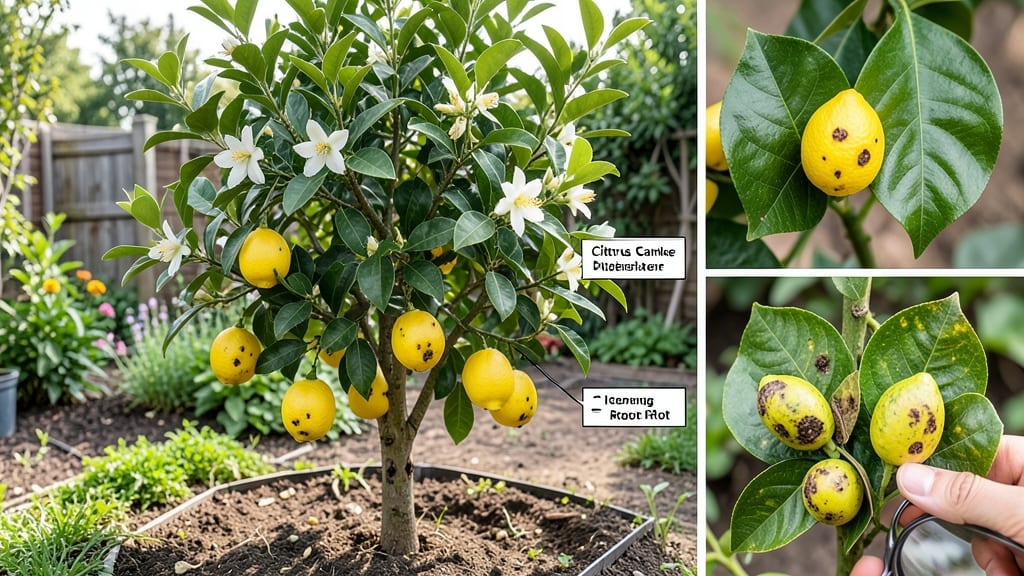
How to identify citrus tree diseases early is critical—those subtle signs like yellowing leaves or odd bumps on the bark can mean the difference between saving your tree and watching it decline over months. I’ve spent years watching citrus trees in my Florida yard—some thrived, others crumbled—and the key was catching problems before they spread.
Most citrus diseases start with subtle clues: greasy spots on leaves, odd growth patterns, or bark that peels unexpectedly. Citrus canker, for example, creates raised, water-soaked lesions that ooze when wet, while greening disease causes yellowing between leaf veins and stunted fruit.
Root rot often hides underground until the tree’s leaves suddenly wilt, even when the soil feels damp. The sooner you recognize these patterns, the easier it is to act.
What you’ll learn here is how to inspect your tree like a pro—checking leaves, bark, and roots for the specific marks of common citrus diseases. With the right tools and a little practice, you’ll spot trouble before it takes hold.
Prevention is about more than just spotting symptoms; it’s about understanding what makes your tree vulnerable in the first place.
Once you know what to look for, you’ll also get actionable steps to stop the spread—whether it’s pruning infected branches, adjusting watering habits, or applying organic treatments. The goal isn’t just to save a sick tree, but to keep your entire citrus grove healthy for years to come.
Root Causes Of Citrus Tree Decline
Citrus trees, with their vibrant blooms and sweet fruit, can quickly fall victim to diseases when conditions align just right. Understanding why these issues arise is the first step to prevention.
Below, we break down the key factors that create the perfect storm for citrus tree diseases—from microscopic invaders to environmental stress.
Most citrus diseases are caused by fungi, bacteria, or viruses that exploit weak spots in your tree’s defenses. Here’s how they gain a foothold:
- 🍄 Fungal Spores in the Air Fungi like Phytophthora (root rot) or Citrus Canker thrive in warm, humid conditions. Spores drift on wind or rain, landing on leaves, fruit, or wounds. Once they find a damp, nutrient-rich surface, they germinate and spread rapidly. Overhead irrigation or poor drainage turns your soil into a fungal buffet.
- 🦠 Bacteria Hiding in Wounds Bacteria such as Xanthomonas citri (citrus canker) enter through physical damage—pruning cuts, hail marks, or even insect bites. Unlike fungi, bacteria multiply inside plant tissues, clogging vascular systems and causing oozing lesions. Unsterilized tools or contaminated water (like reused buckets) can accidentally introduce them.
- 🦠 Viruses Spread by Vectors Viruses like Citrus Tristeza Virus (CTV) don’t spread on their own—they hitch rides on aphids, psyllids, or even grafting tools. Once inside, they disrupt the tree’s ability to transport nutrients, leading to stunted growth or blotchy mottling on leaves.
Citrus trees are resilient, but push them too far, and their immune system weakens. These factors create the perfect breeding ground for diseases:
- 💦 Excess Moisture & Poor Drainage Citrus roots hate soggy feet. Overwatering or clay-heavy soil traps water, inviting root rot (caused by Phytophthora) or fungal leaf spots. Signs: Yellowing leaves, mushy roots, or a foul smell at the base.
- 🌡️ Extreme Heat or Cold Snaps Sudden temperature swings shock the tree, making it vulnerable. Cold damage can kill branches, creating entry points for bacteria, while heat stress weakens leaves, making them prime targets for fungal infections like Melanose.
- 🍃 Nutrient Deficiencies or Overfertilization A lack of zinc or nitrogen stunts growth, while too much fertilizer burns roots, both stressing the tree. Weak trees can’t fight off pathogens as effectively. Test your soil—citrus prefers a slightly acidic pH (6.0–7.0).
Some pests don’t just damage citrus—they spread diseases like a bad rumor. Here’s how:
- 🐛 Aphids & Scale Insects These sap-suckers inject toxins while feeding, weakening the tree. They also transmit viruses like Citrus Stubborn Disease from plant to plant. Look for: Sticky honeydew, curled leaves, or black sooty mold (a fungus that grows on their waste).
- 🦟 Psyllids (The Tiny Terror) The Asian Citrus Psyllid doesn’t just feed—it spreads Huanglongbing (HLB, or citrus greening), a devastating bacterial disease. Infected trees produce small, bitter fruit and eventually die. Quarantine new plants and inspect for yellow shoots.
- 🪰 Wounds from Pruning or Storms Every cut is a potential door for pathogens. If you prune during wet weather or use dull tools, you’re inviting infections. Always sterilize shears with rubbing alcohol and make clean cuts at a 45-degree angle.
Now that you know why citrus diseases strike, the next step is spotting the early warning signs before they spiral out of control. Stay tuned for our deep dive into symptoms and solutions!
How to Treat and Prevent Citrus Tree Diseases
Once you’ve spotted the trouble, acting fast is key to saving your citrus trees. Below are practical, step-by-step solutions for the most common citrus diseases, along with prevention tips to keep your grove healthy. Think of this as your citrus tree’s first-aid kit—ready when you need it!
**🔥 Problem: Waterlogged soil, yellowing leaves, soft stems, and a foul smell at the base.
👨🍳 How to Fix It:*
- Stop Watering Immediately – Let the soil dry out completely. Overwatering is the #1 killer here.
- Improve Drainage – Dig a trench around the tree (12–18 inches deep) to redirect excess water. Add gravel or sand to the soil mix if it’s heavy clay.
- Prune Damaged Roots – Carefully remove any black, mushy roots with sterilized pruners. Avoid cutting healthy roots!
- Apply Fungicide – Use a copper-based fungicide** (like Copper Sulfate) or a phosphite-based treatment (e.g., Phostrol). Follow label instructions.
- Mulch Properly – Add 2–3 inches of organic mulch (straw or wood chips) but keep it 6 inches away from the trunk to prevent moisture buildup.
**💡 Prevention Tips: ✔ Test your soil – Aim for well-draining soil (sandy loam is ideal). ✔ Water deeply but less often – Let the top 2–3 inches dry out between waterings. ✔ Avoid overhead irrigation – Drip systems reduce fungal spores splashing onto roots.
🔥 Problem: Raised, oily lesions on leaves/fruit, leaf drop, and bacterial spread.
👨🍳 How to Fix It:*
- Prune Infected Parts – Cut off all infected leaves, branches, and fruit with sterilized pruners (wipe with rubbing alcohol between cuts).
- Dispose of Debris Properly – Bag and throw away (don’t compost!) infected plant material.
- Spray Copper Fungicide – Use copper hydroxide** (like Kocide) every 7–10 days during wet seasons. Do not spray when rain is forecasted (it washes off).
- Disinfect Tools & Hands – Wash pruners with bleach solution (1:10 bleach:water) after each use.
**💡 Prevention Tips: ✔ Plant resistant varieties** – Try ‘Carrizo’ citrange or ‘Swingle’ citrumelo for canker-resistant rootstocks. ✔ Space trees for airflow – Crowded trees stay damp longer, inviting bacteria. ✔ Avoid overhead watering – Use drip irrigation to keep foliage dry.
**🔥 Problem: Yellow spots with greasy, dark borders on leaves, defoliation.
👨🍳 How to Fix It:*
- Remove & Destroy Infected Leaves – Rake up and dispose of fallen leaves (don’t let them pile up).
- Apply Fungicide – Rotate between:
- Potassium bicarbonate** (organic option, like Bonide Copper Fungicide)
- Strobilurin fungicides (e.g., Cabrio EG)
- Thin Canopy for Airflow – Prune to open up the tree and reduce humidity.
**💡 Prevention Tips: ✔ Water in the morning – Leaves dry faster, reducing fungal growth. ✔ Clean up debris yearly – Fallen leaves harbor spores over winter. ✔ Use a fungicide sprayer – A shielded sprayer prevents overspray on fruit.
🔥 Problem: Dark, scabby spots on fruit/leaves, stunted growth.
👨🍳 How to Fix It:
- Prune Infected Branches – Remove small branches with lesions to reduce spores.
- Apply Fungicide Early – Spray copper or sulfur-based fungicide before symptoms appear (spring is critical).
- Thin Fruit – Overloaded trees stress out. Remove excess fruit to improve airflow.
💡 Prevention Tips: ✔ Plant in full sun – Melanose thrives in shaded, humid conditions. ✔ Avoid wounding trees – Rough pruning or hail damage invites infection. ✔ Monitor young trees – Melanose hits new growth hardest.
🔥 Problem: Stunted growth, dieback, and complete tree collapse (if severe).
👨🍳 How to Fix It:
- Remove Infected Trees IMMEDIATELY – There’s no cure. Burn or bury (not compost) infected plants.
- Test New Trees – Buy certified disease-free citrus from reputable nurseries.
- Control Aphids – Use neem oil or insecticidal soap to kill aphids (they spread the virus).
💡 Prevention Tips: ✔ Quarantine new plants – Keep them separate for 30+ days before introducing to your grove. ✔ Use resistant rootstocks** – ‘Cleopatra mandarin’ or ‘Swingle citrumelo’ tolerate tristeza better. ✔ Monitor for aphids – Check undersides of leaves weekly.
Even with treatments, prevention is your best tool. Follow these year-round habits to keep diseases at bay:
- 🌡️ Soil pH Check – Aim for 6.0–7.0. Test annually and amend with lime (to raise pH) or sulfur (to lower it). - 🍃 Nutrient Balance – Over-fertilizing with nitrogen weakens trees.
Use a balanced citrus fertilizer (e.g., 6-6-6). - 🛡️ Seasonal Spray Schedule – - Spring (before buds open): Copper fungicide + oil spray (for scale insects). - Summer (after harvest): Potassium bicarbonate spray. - Fall (leaf drop): Clean up debris + apply mulch. - 👀 Regular Inspections – Check every 2 weeks for early signs (yellowing, spots, wilting).
🎯 Pro Tip: When in doubt, test before you treat! Many nurseries offer disease diagnostics for a small fee. A quick test can save your whole grove!*
By acting fast and staying proactive, your citrus trees can bounce back stronger—and keep gifting you with juicy oranges, sweet lemons, and tangy limes for years. 🍋✨
Frequently asked questions
What’s the first thing I should do if I see strange spots on my citrus leaves?
Isolate the affected tree immediately to prevent spread. Take a close look at the spots—are they oily (like citrus canker) or dry and crusty (like melanose)? Snap a photo and compare it to online guides. Then remove any infected leaves with sterilized pruners and dispose of them in the trash (not compost).
Can I still harvest fruit from a tree with visible disease symptoms?
It depends on the disease. For bacterial canker or greening, never eat fruit from infected trees—it can contain harmful pathogens. With fungal issues like melanose, you can harvest fruit from healthy branches, but wash it thoroughly before eating. When in doubt, remove and discard all fruit from diseased trees.
How often should I inspect my citrus trees for early disease signs?
Check your trees every 2 weeks during growing seasons (spring through fall) and monthly in winter. Focus on new growth, undersides of leaves, and young fruit. Early detection is key—some diseases like citrus greening can cripple a tree before you notice symptoms.
Are there any home remedies that actually work for citrus diseases?
A few organic options can help as preventative measures: A 1 tablespoon baking soda + 1 teaspoon dish soap per gallon of water spray (for fungal issues) or neem oil spray (for pests that spread diseases). However, for serious bacterial infections like canker, chemical treatments are more effective.
What’s the difference between yellow leaves from disease vs. nutrient deficiency?
Disease-related yellowing often has distinct patterns: Citrus greening causes yellowing between leaf veins, while nutrient deficiencies (like nitrogen) turn leaves uniformly yellow. Check the leaf edges—disease spots are usually accompanied by other symptoms like lesions or stunted growth, while deficiencies affect the whole leaf.