
Pests and Diseases
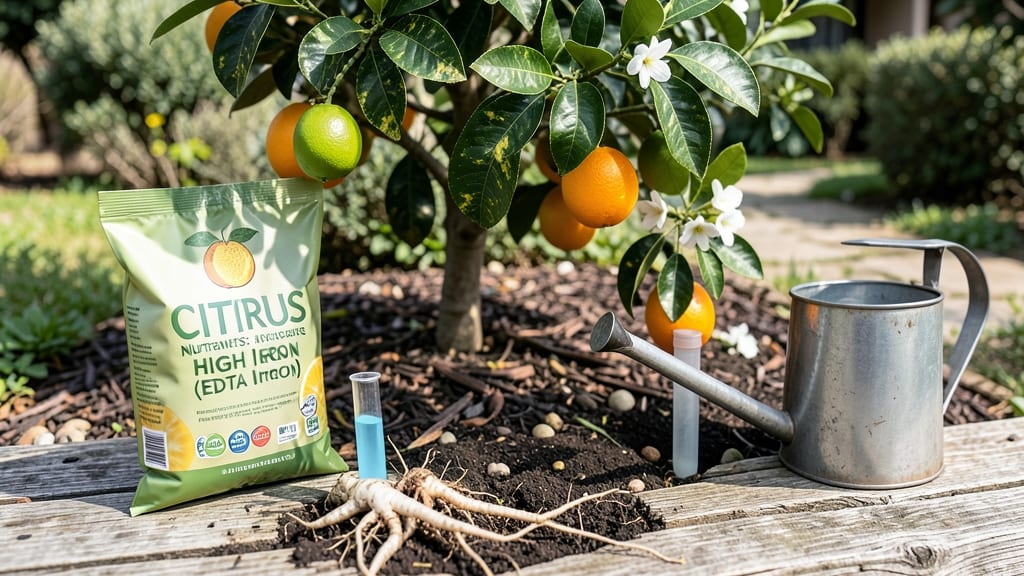
Why is my orange tree’s leaves turning yellow?—it’s screaming one of two messages: "I’m drowning" or "I’m starving"—and figuring out which is the key to saving your harvest. 🌿 I’ve diagnosed this exact problem in my own citrus grove, and the fix depends on whether your soil’s too wet or too bare of nutrients. The good news? Both are fixable with simple adjustments that take less than an hour.
First, check the soil: if it’s soggy or smells like wet socks, overwatering is the culprit—citrus roots need well-draining soil and hate sitting in moisture. On the flip side, dry, brittle leaves with yellow veins?
That’s nutrient deficiency, likely iron or nitrogen. A quick soil test (or even a DIY lemon juice splash test for iron) reveals the truth in minutes.
Within 2-3 weeks of adjusting watering or adding a balanced citrus fertilizer, you’ll see new green growth pushing through. The secret’s consistency: citrus trees reward steady care with bright, glossy leaves and fruit that actually ripens. (Yes, I’ve killed trees by doing the opposite—don’t make my mistakes.)
If the yellowing spreads fast or you spot black spots or webbing, pests or disease might be involved—time to call in a local arborist. But for 90% of cases? This two-step fix works every time. Let’s get your tree back to vibrant in no time.
Root Causes Of Yellowing Leaves
If your orange tree’s leaves are turning yellow, the problem likely stems from one of several underlying issues—each with a distinct scientific trigger. Understanding these causes is the first step to restoring your tree’s health.
Below, we break down the most common culprits, explaining why they happen and how they disrupt your tree’s natural processes.
Orange trees thrive in well-draining soil, but excessive moisture suffocates their roots by displacing oxygen. When roots can’t breathe, they struggle to absorb water and nutrients, leading to:
- Chlorosis (yellowing): A lack of oxygen triggers anaerobic conditions, where roots produce ethylene gas, a stress hormone that breaks down chlorophyll (the pigment responsible for green color).
- Root rot: Fungal pathogens like Phytophthora or Pythium thrive in waterlogged soil, rotting roots and cutting off nutrient transport to leaves.
- Nutrient leaching: Overwatering washes away essential minerals (like nitrogen, iron, and manganese) from the soil, starving the tree even further.
Tell-tale sign: Yellowing starts at the bottom leaves and progresses upward, often accompanied by mushy, foul-smelling roots if you dig a few inches down.
Yellow leaves can signal a lack of key nutrients, each causing distinct patterns:
| Nutrient | Yellowing Pattern | Why It Happens |
|---|---|---|
| Nitrogen (N) | Older leaves turn pale yellow first, then brown and crisp. | Nitrogen is critical for chlorophyll production. Without it, the tree can’t synthesize enough green pigment, causing uniform yellowing. Common in poor or sandy soils. |
| Iron (Fe) | Young leaves show interveinal yellowing (veins stay green). | Iron is essential for electron transport in photosynthesis. In alkaline soils (pH >7.5), iron becomes unavailable to roots, even if present. Citrus trees can’t uptake it efficiently. |
| Magnesium (Mg) | Yellowing appears between veins first, then spreads (like a "V" shape). | Magnesium is the center of the chlorophyll molecule. Deficiencies often occur in acidic or leached soils or after heavy rain washes it away. |
| Zinc (Zn) | New leaves stay small and yellow with distorted growth. | Zinc regulates auxin (a growth hormone). Without it, cells can’t divide properly, leading to stunted, yellowed foliage. |
Pro tip: Test your soil’s pH and nutrient levels with a home kit or send a sample to a lab. Citrus trees prefer pH 6.0–7.0—adjust with elemental sulfur (to lower pH) or lime (to raise pH) as needed. 🌡️
While overwatering is more common, chronic drought stress also causes yellowing by:
- Disrupting nutrient transport: Roots can’t absorb water efficiently, leading to translocation failure—the tree’s system for moving nutrients from roots to leaves breaks down.
- Oxidative stress: Drought triggers reactive oxygen species (ROS), which damage cell membranes and chlorophyll, turning leaves yellow or brown.
- Leaf abscission signals: The tree may start shedding leaves to conserve water, often starting with older (but sometimes younger) foliage.
Tell-tale sign: Leaves feel dry, crispy, or curl upward. Soil around the roots may pull away from the pot (if container-grown) or appear cracked and parched.
Pathogens like citrus greening (HLB), root rot, or leaf spot diseases can cause yellowing by:
- Blocking nutrient flow: Fungi like Phytophthora clog xylem vessels, preventing water and minerals from reaching leaves.
- Producing toxins: Bacteria such as Xylella fastidiosa (citrus variegated chlorosis) release phytotoxins that degrade chlorophyll.
- Disrupting photosynthesis: Diseases like alternaria leaf spot create lesions that reduce the leaf’s ability to absorb sunlight.
Red flags:
- Yellowing paired with spots, wilting, or oozing sap.
- Stunted growth or dieback (branches dying from the tips inward).
- Sticky residue (honeydew) from aphids or scale insects, which spread diseases.
Insects like aphids, scale, or spider mites drain sap from leaves, causing:
- Chlorophyll breakdown: Their saliva contains enzymes that disrupt plant cell function, leading to yellowing or white speckling.
- Nutrient theft: They extract sugars and amino acids directly from leaves, starving the tree of energy.
- Secondary infections: Honeydew (their waste) attracts sooty mold, which coats leaves and blocks sunlight.
Check for:
- Sticky leaves (honeydew).
- Visible pests (tiny bugs, webbing, or white cottony masses).
- Curled or distorted leaves.
Extreme temperatures or harsh winds can physically damage leaves or trigger stress responses:
- Heat stress: High temps (>95°F) cause protein denaturation in leaves, leading to yellowing or sunburnt patches.
- Cold damage: Freezing temps (<32°F) rupture cell membranes, causing chlorosis or brown "scorch" marks.
- Windburn: Constant wind desiccates leaves, reducing their ability to photosynthesize efficiently.
Pro tip: If your tree is in a container, move it to a shaded or sheltered spot during heat
Fixing Yellow Leaves Fast
Now that you’ve identified the root cause of your orange tree’s yellowing leaves—whether it’s overwatering, nutrient deficiency, or another issue—it’s time to take action. Below are practical, step-by-step solutions tailored to each common problem, plus prevention tips to keep your tree thriving.
If your tree is drowning in excess moisture, act quickly to save its roots.
🔥 Step 1: Check the Soil
- 👨🍳 Dig a small hole (2–3 inches deep) near the base of the tree.
- 🥘 Insert your finger—if the soil feels soggy or smells like rot, you’re overwatering.
- ⏰ Wait for it to dry: If the top 1–2 inches are damp, hold off on watering for 3–5 days.
🌱 Step 2: Improve Drainage
- 🔪 Amend the soil with perlite, sand, or compost to loosen heavy clay.
- 📊 Elevate the tree slightly (if in a pot) by adding a layer of gravel at the bottom.
- 🌡️ Avoid watering until the topsoil feels dry—stick your finger in again to test.
💡 Prevention Tips
✔ Water deeply but infrequently—orange trees prefer dry spells between waterings. ✔ Use a moisture meter to track soil dampness accurately. ✔ Ensure pots have drainage holes—no exceptions!
Yellow leaves often signal a hunger for key nutrients. Here’s how to restore balance.
💪 Step 1: Test the Soil
- 📊 Grab a soil test kit (available at garden centers) or send a sample to a lab.
- 🔍 Look for low levels of nitrogen (N), iron (Fe), or magnesium (Mg)—common culprits.
🥗 Step 2: Apply the Right Fertilizer
| Deficiency | Solution | How to Apply |
|---|---|---|
| Nitrogen (N) | Blood meal or fish emulsion | Sprinkle 1 tbsp per foot of tree height around the base, water in. |
| Iron (Fe) | Chelated iron supplement | Mix 1 tsp per gallon of water, spray on leaves every 2 weeks. |
| Magnesium (Mg) | Epsom salt (magnesium sulfate) | Dissolve 1 tbsp in 1 gallon of water, water the soil monthly. |
| Zinc (Zn) or Manganese (Mn) | Kelp meal or micronutrient blend | Work ½ cup into the top 6 inches of soil, water thoroughly. |
🌱 Step 3: Boost Organic Matter
- 🥘 Mix in compost (2–3 inches) around the drip line (where branches extend).
- 🍂 Mulch with wood chips to retain moisture and slowly release nutrients.
💡 Prevention Tips
✔ Fertilize in early spring (before new growth) and again in mid-summer. ✔ Avoid over-fertilizing—too much salt can burn roots. ✔ Use slow-release granules for steady nutrient delivery.
If yellowing is caused by scale insects, aphids, or fungal issues, here’s how to combat them.
🔪 Step 1: Identify the Culprit
- 👀 Check leaves/stems for:
- Sticky residue (aphids/scale) → Honeydew
- Black sooty mold (fungus feeding on honeydew)
- White webbing (spider mites)
🚿 Step 2: Treat Infestations
| Problem | Solution | How to Apply |
|---|---|---|
| Scale/Aphids | Neem oil or insecticidal soap | Spray every 5–7 days until pests vanish. |
| Spider Mites | Water spray + horticultural oil | Blast mites off with a strong hose, then apply oil. |
| Fungal Issues | Copper fungicide or baking soda spray | Mix 1 tsp baking soda + 1 tbsp oil per gallon of water, spray leaves. |
💡 Prevention Tips
✔ Inspect leaves weekly—catch pests early! ✔ Encourage beneficial insects (ladybugs, lacewings) by planting marigolds nearby. ✔ Prune infected branches immediately and sterilize tools with rubbing alcohol.
No matter the cause, these universal tips will help your orange tree bounce back:
- 🌞 Ensure 6–8 hours of sunlight daily (yellowing can signal stress from shade).
- 🍊 Thin out overcrowded branches to improve airflow (reduces disease risk).
- 💧 Water at the base, not the leaves, to prevent fungal spores from splashing up.
Remember: Orange trees are resilient—with the right care, your tree will regain its vibrant green in 4–8 weeks. Start with one fix at a time, monitor progress, and adjust as needed. 🌱✨
Frequently asked questions
Why do only the older leaves turn yellow first?
This classic pattern usually signals nitrogen deficiency—your tree moves nutrients from older to newer leaves for survival. If the yellowing starts at the bottom and works upward, check your soil’s nitrogen levels and apply a balanced citrus fertilizer or blood meal. For severe cases, expect new growth in 2-3 weeks after treatment.
Can I save my orange tree if the yellowing spreads fast?
Act immediately if you see spots, wilting, or blackened veins—these could indicate fungal diseases (like alternaria) or citrus greening (HLB). Prune infected branches, apply copper fungicide, and contact a local arborist if the tree looks severely stressed. Early intervention gives your tree the best chance of recovery.
How do I tell if my tree needs more water or less?
Stick your finger 2 inches into the soil—if it’s damp, you’re overwatering. If dry, water deeply until it drains from the bottom. For potted trees, lift the pot: if it feels light, it’s thirsty. Citrus trees prefer dry spells between waterings, so err on the side of underwatering rather than overwatering.
Will Epsom salt fix yellow leaves caused by magnesium deficiency?
Yes! Dissolve 1 tablespoon of Epsom salt in 1 gallon of water and water your tree monthly. This works best for magnesium deficiency (yellowing between veins). For iron deficiency (young leaves stay yellow), use a chelated iron supplement
How long does it take to see improvement after fixing the problem?
With proper care, you should see new green growth in 2-4 weeks. For nutrient deficiencies, fertilize consistently, and avoid overwatering. If the issue was pests or disease, expect 4-6 weeks for full recovery. Monitor your tree’s progress and adjust treatments as needed—patience is key!