
Pests and Diseases
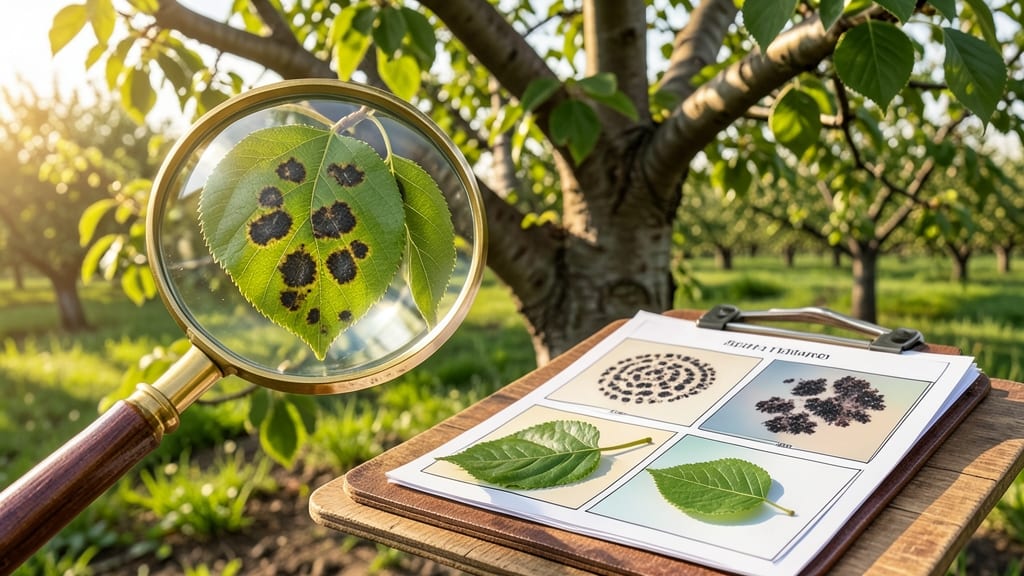
Those unsightly black spots on your cherry tree leaves aren’t just ugly—they’re a fungal infection called leaf spot, and it spreads faster than you’d think. 🌿 I’ve seen healthy cherry trees turn into sad, sparse canopies in just a few weeks when this goes untreated, but the good news is you can stop it with simple, organic sprays that work without harsh chemicals.
The problem starts when wet weather or overhead watering creates the perfect damp environment for fungal spores to take hold.
You’ll notice small dark spots with yellow halos on the leaves, and if you don’t act, those spots multiply, leaves drop, and your tree’s energy goes into fighting the infection instead of producing fruit. The key is catching it early—before more than 10% of the leaves show symptoms.
With the right organic treatments—like neem oil, copper fungicide, or a baking soda spray—you can turn things around in just a few weeks. I’ve used these sprays on my own cherry tree, and within 2-3 applications, the new growth stays spot-free while the old leaves slowly fade away naturally.
The secret is consistency: spray every 7-10 days during wet seasons, and always water at the base, never from above.
If your tree is already heavily defoliated or the spots look slimy (a sign of bacterial infection), it’s time to call in a professional. But for most cases, this organic approach works—no fancy tools or expensive products needed. Let’s get your cherry tree back to healthy, lush, and productive again.
Root Causes Behind Leaf Spots
When your cherry tree’s leaves start showing unsightly black spots, it’s usually a sign that something’s disrupting its health. These spots can appear due to a mix of biological, environmental, and even cultural factors.
Understanding the why behind them is the first step toward fixing the issue. Below, we break down the most common culprits—each with its own triggers and behaviors.
Fungi are the #1 cause of black spots on cherry tree leaves, thriving in warm, damp conditions. These microscopic organisms release spores that land on leaves, germinate, and create dark, often circular lesions. Here’s how they strike:
- Leaf Spot Diseases (e.g., Cercospora, Alternaria, or Gloeosporium)
- How it starts: Spores splash onto leaves from soil, infected debris, or water droplets during rain or overhead irrigation.
- What it looks like: Spots start small (1–5mm), darken over time, and may develop concentric rings or a fuzzy texture.
- Why it spreads: High humidity (above 75%) and prolonged leaf wetness (like morning dew) create the perfect breeding ground.
- 💡 Pro Tip: Fungal spores love stagnant water—avoid watering leaves in the evening to let them dry faster.
- Anthracnose (Colletotrichum spp.)
- How it starts: This fungus attacks young leaves, buds, and fruit, causing sunken, velvety black spots.
- What it looks like: Spots often have a raised, cracked appearance and may ooze in wet conditions.
- Why it spreads: Cool, wet springs (50–80°F) are ideal for anthracnose outbreaks.
- ⚠️ Warning: If left unchecked, it can defoliate trees and reduce fruit quality.
While fungi get most of the blame, pests can also create blackened leaf spots—either directly or by weakening the tree. Here’s how:
- Sooty Mold (from Sap-Sucking Insects)
- How it starts: Insects like aphids, scale, or mites feed on plant sap, excreting a sticky substance called honeydew. Sooty mold fungi then grow on this honeydew, creating a black, powdery coating.
- What it looks like: A shiny, velvety black layer on leaves (not true spots but visually similar).
- Why it spreads: Poor tree health or nearby infested plants attract these pests.
- 🔥 Quick Fix: Control the underlying pests first—sooty mold won’t go away until the honeydew source is eliminated.
- Leafminers or Spider Mites
- How it starts: These pests burrow into leaves or suck cell contents, causing discolored, necrotic (dead) spots.
- What it looks like: Irregular black or brown patches, often with visible webbing (mites) or serpentine trails (leafminers).
- Why it spreads: Dry conditions or drought stress make trees more susceptible.
Sometimes, the problem isn’t biological at all—it’s your tree’s reaction to its surroundings. These factors can mimic disease symptoms:
- Sun Scorch or Heat Stress
- How it starts: Intense sunlight combined with dry, hot air causes leaf edges to dry out and turn brown/black.
- What it looks like: Crispy, papery spots along leaf margins, often on south- or west-facing sides.
- Why it happens: Lack of water or sudden temperature swings (e.g., cold nights + hot days) stress the tree.
- 🌡️ Solution: Mulch to retain moisture and water deeply during heatwaves.
- Chemical Burn or Nutrient Deficiency
- How it starts: Over-fertilizing (especially with high salt content) or using harsh pesticides can damage leaf tissue.
- What it looks like: Blackened or yellowed spots, often with a scorched appearance.
- Why it happens: Imbalanced pH or excess chemicals disrupt the tree’s ability to absorb nutrients.
- 💡 Pro Tip: Test your soil before fertilizing—cherry trees prefer slightly acidic soil (pH 6.0–7.0).
- Physical Damage (Hail, Wind, or Tools)
- How it starts: Bruising from hail, strong winds, or even pruning tools can create entry points for pathogens.
- What it looks like: Jagged black spots or torn edges with potential fungal growth later.
- Why it matters: Open wounds invite infections—sterilize tools and protect trees during storms.
Even well-meaning gardeners can accidentally invite problems. Here’s how:
- Overhead Watering
- Why it’s bad: Splashing water spreads fungal spores from soil to leaves.
- Fix: Use drip irrigation or water at the base.
- Poor Air Circulation
- Why it’s bad: Dense foliage or overcrowded trees trap moisture, promoting fungal growth.
- Fix: Prune to improve airflow and thin out branches.
- Ignoring Debris
- Why it’s bad: Fallen leaves or fruit harbor fungal spores over winter.
- Fix: Clean up debris in autumn and compost it away from the tree.
Now that you know the why, the next step is identifying which cause fits your cherry tree’s symptoms. Check our diagnostic guide to narrow it down before treating!
How to solve it
Black spots on your cherry tree’s leaves? Don’t panic—most causes have simple, organic solutions that restore your tree’s health without harsh chemicals. Below, we break down the best fixes for each common culprit, along with prevention tips to keep your tree thriving.
If your cherry tree leaves are dotted with dark, circular spots (often with yellow halos), fungal infections like anthracnose or leaf spot are likely to blame. These thrive in warm, wet conditions, so acting fast is key.
Step-by-Step Fix:
- 🔥 Prune infected leaves – Remove and dispose of (not compost) severely spotted leaves to stop the spread. Focus on lower branches first, where spores often gather.
- 🍳 Apply a copper fungicide spray – Mix 1 tbsp of copper sulfate (organic) with 1 gallon of water and spray both leaves and stems. Reapply every 7–10 days during wet spells.
- 👨🍳 Boost airflow – Thin out dense branches to improve circulation. Fungal spores love humidity, so prune to let sunlight and air reach the canopy.
- 🥘 Water at the base – Avoid overhead watering, which splashes spores onto leaves. Use drip irrigation or water early in the morning so leaves dry quickly.
💡 Pro Tip: For a DIY spray, blend 1 tbsp baking soda, 1 tsp vegetable oil, and 1 tsp dish soap in a gallon of water. Spray on leaves every 2 weeks as a preventive measure.
Tiny pests like aphids or spider mites can cause stippling or blackened spots as they feed on leaf sap. Their sticky residue (honeydew) also attracts sooty mold, worsening the problem.
Step-by-Step Fix:
- 🔪 Blast pests off – Use a strong stream of water to dislodge aphids or mites from leaves. Repeat every 3–4 days for severe infestations.
- 🌿 Introduce beneficial insects – Ladybugs, lacewings, and parasitic wasps love eating these pests. Buy them online or attract them with native plants like dill or yarrow.
- 🍎 Spray neem oil – Mix 1 tbsp neem oil with 1 tsp honey or dish soap (as an emulsifier) and 1 quart of water. Spray undersides of leaves (where pests hide) every 5–7 days.
- ⏰ Wipe down leaves – Use a damp cloth to physically remove pests from leaves, especially on young trees.
💡 Pro Tip: If honeydew is present, spray a soapy water solution (1 tsp mild soap per gallon) to clean leaves and prevent sooty mold growth.
Sudden heat waves or intense sunlight can cause blackened or crispy spots on cherry tree leaves, especially on young or thin-barked varieties. This isn’t a disease but still requires care.
Step-by-Step Fix:
- 🌳 Provide afternoon shade – Use shade cloth (30–50% coverage) during peak sun hours (11 AM–3 PM) to protect leaves.
- 💦 Deep water regularly – Water deeply once a week (or more in extreme heat) to keep roots hydrated. Mulch around the base to retain moisture.
- 🎯 Avoid fertilizing in heat – Too much nitrogen can stress the tree. Wait until temperatures drop before applying fertilizer.
- ✨ Mist leaves (temporarily) – On very hot days, lightly mist leaves in the early morning to reduce heat stress (avoid doing this at night to prevent fungal growth).
💡 Pro Tip: If your tree is newly planted, consider whitewashing the trunk (mix equal parts water and latex paint) to reflect sunlight and reduce heat damage.
Once your cherry tree is back in shape, keep it thriving with these proactive strategies:
- 🌱 Choose disease-resistant varieties – If you’re replanting, opt for cherry trees labeled as resistant to anthracnose (e.g., ‘Stella’ or ‘Lapins’).
- 🍂 Clean up fallen leaves – Rake and remove leaves in late fall to eliminate fungal spores overwintering in the soil.
- 🌧️ Improve drainage – Ensure your tree isn’t sitting in soggy soil. Amend clay soil with compost or plant on a slight mound.
- 📅 Monitor and act early – Check leaves weekly during growing season. Catching spots early means less work later!
With the right care, your cherry tree will bounce back—and next season, you’ll enjoy lush, spot-free foliage (and maybe even a sweet harvest!).
Frequently asked questions
Why do black spots appear more in rainy seasons?
Fungal spores thrive in damp conditions, and rain creates the perfect environment for them to spread. When leaves stay wet for long periods—especially during cool, humid springs or falls—fungal infections like anthracnose or leaf spot multiply rapidly. Overhead watering also splashes spores from soil onto leaves, accelerating the problem.
Can I still harvest fruit from a cherry tree with black spots?
It depends on the severity. If spots are limited to leaves (not fruit), the cherries may still be safe to eat after washing thoroughly. However, if the spots appear on fruit or the tree is heavily infected, discard the harvest—fungal spores can contaminate the fruit. Always prioritize treating the tree to protect next year’s crop.
How do I tell if black spots are fungal vs. pest-related?
Fungal spots are usually dark, circular, and often have yellow halos, while pest-related spots (like sooty mold) appear as shiny, velvety black layers. Check for signs of insects (like honeydew or webbing) or physical damage. If you see sticky residue, pests are likely the culprit.
Will pruning help stop the spread of black spots?
Prune infected leaves and branches to remove the source of spores. Focus on lower branches first, where spores often gather. Sterilize pruners with rubbing alcohol between cuts, and dispose of infected debris (don’t compost it). Thin out dense foliage to improve airflow and reduce humidity.
How often should I spray organic treatments?
For fungal issues, spray every 7–10 days during wet seasons. Use a mix of copper fungicide or baking soda spray (1 tbsp baking soda + 1 tsp oil + 1 tsp soap per gallon of water). For pests, neem oil sprays work best every 5–7 days. Consistency is key—stopping too soon lets infections return.