
Trees
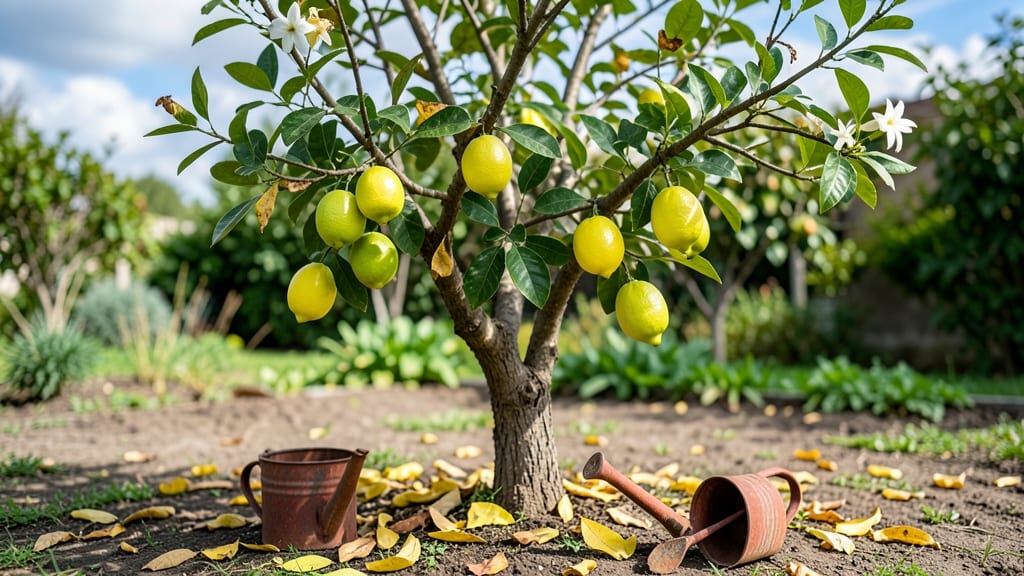
Your lemon tree shedding leaves isn't a death sentence—it's a wake-up call from its roots. 🌱 I've nursed back more than a few citrus trees from this exact spot, and the fix usually starts with a simple soil check.
The problem often boils down to overwatering, poor drainage, or sudden temperature swings that confuse the plant's system.
Here's the thing—lemon trees hate soggy feet. I learned that the hard way when my first tree lost half its leaves after a week of daily watering. The roots need air almost as much as they need moisture, and once they suffocate, the whole tree reacts by dropping leaves.
Start by checking the soil: if it's damp more than an inch down, cut back watering immediately.
Within weeks, you'll see new growth pushing through if the roots stay happy. The leaves return glossy and green, and the tree regains its vigor. I've revived trees that looked ready for the compost pile just by adjusting watering and adding a layer of mulch to stabilize soil temps.
This works for container-grown trees too—just swap the pot for a larger one with drainage holes if the roots are circling. The key is patience: citrus trees are slow to bounce back, but they always do when given the right conditions. Let's get those roots breathing again.
Root Causes Behind Leaf Loss
When your lemon tree starts shedding leaves, it’s often a distress signal from its roots—or something connected to them. Understanding the why behind the problem is the first step to reviving your tree’s health.
Below, we break down the most common triggers, from environmental stressors to internal health issues, with clear explanations and actionable insights.
Lemon trees (especially Citrus × limon) are sensitive to sudden temperature swings, whether from scorching heat or freezing cold. When roots struggle to regulate moisture and nutrient uptake due to temperature stress, the tree prioritizes survival by shedding leaves—its most water-intensive parts.
- Heat Stress: Temperatures above 95°F (35°C) can cause wilting and leaf drop as the tree conserves water. High heat also accelerates transpiration (water loss through leaves), overwhelming the roots’ ability to replenish moisture.
- Cold Damage: Frosts below 28°F (-2°C) can kill root tips and disrupt nutrient absorption. Even if the above-ground parts look fine, internal damage may trigger leaf abscission (premature shedding) as the tree diverts energy to protect critical functions.
- Windburn: Strong, dry winds desiccate leaves faster than roots can compensate, forcing the tree to jettison foliage to reduce water loss.
💡 Pro Tip: Monitor your tree’s microclimate. If it’s in a container, move it to a sheltered spot during extreme weather. For outdoor trees, use windbreaks or shade cloth (30–50% coverage) to moderate stress.
Lemon trees thrive in consistently moist but well-draining soil. When watering is inconsistent, roots either suffocate (from overwatering) or struggle to access moisture (from underwatering), both of which lead to leaf drop.
| Issue | Root Impact | Leaf Response |
|---|---|---|
| Underwatering | Roots shrink and pull away from soil, reducing water/nutrient uptake. Hydraulic failure occurs when the tree can’t transport water to leaves. | Leaves yellow (chlorosis), then brown and crisp at the edges before dropping. |
| Overwatering | Oxygen-starved roots (anoxia) can’t absorb nutrients, leading to root rot (often caused by Phytophthora fungi). | Yellowing between leaf veins, mushy stems, and sudden defoliation. |
| Poor Drainage | Compacted or clay-heavy soil traps water, suffocating roots and promoting fungal/bacterial infections. | Wilting, leaf drop, and a sour smell from the soil. |
✨ Actionable Fix: Check soil moisture 1–2 inches deep—it should feel like a damp sponge, not soggy or dry. For containers, ensure pots have drainage holes and use a well-draining mix (e.g., 60% potting soil, 30% perlite, 10% compost).
If your lemon tree is potted, root-bound conditions (where roots circle the pot and strangle themselves) restrict growth and nutrient flow. Even outdoor trees can suffer from physical root damage (e.g., from digging, construction, or pests).
- Root Bound: Roots grow in tight circles, competing for space and nutrients. The tree prioritizes survival over leaf maintenance, leading to shedding.
- Physical Injury: Damaged roots (e.g., from pruning, soil compaction, or animal burrowing) can’t absorb water efficiently, triggering leaf drop.
- Pest Infestations: Nematodes, root weevils, or fungal pathogens (like Armillaria root rot) attack roots, disrupting their function and causing systemic stress.
🔥 Diagnostic Test: Gently remove the top 2–3 inches of soil. If you see roots growing in dense circles or oozing liquid, it’s time to repot or treat for pests.
Lemon trees require a balance of macronutrients (N-P-K) and micronutrients (iron, zinc, manganese). Deficiencies or excesses—often from improper fertilizing—can stunt root function and lead to leaf loss.
| Nutrient Issue | Root Symptom | Leaf Symptom |
|---|---|---|
| Nitrogen (N) Deficiency | Slowed root growth; reduced mycorrhizal fungus (beneficial microbes) activity. | Older leaves yellow uniformly before dropping. |
| Potassium (K) Deficiency | Weak root structure; increased susceptibility to disease. | Leaf edges scorch and die back (“fishhook” margins). |
| Iron (Fe) Chlorosis | Roots struggle to absorb iron due to alkaline soil (pH >7.0). | New leaves stay yellow while veins remain green. |
| Salt Toxicity | Excess salts (from fertilizers or tap water) burn root tips, reducing absorption. | Brown, crispy leaf edges; stunted growth. |
🎯 Solution: Test your soil’s pH (ideal: 6.0–7.0 for lemon trees). Amend with chelated iron or sulfur for alkaline soil. Flush the soil with water if salt buildup is suspected.
Not all leaf drop is environmental—some culprits lurk below the soil. Pests like root-knot nematodes, grubs, or fungal pathogens can decimate roots without visible above-ground signs until it’s too late.
- Nematodes: Microscopic worms burrow into roots, creating galls that block nutrient uptake. Infested roots appear swollen and discolored.
- Root Weevils: Larvae chew on roots, while adults feed on foliage at night. Look for serrated leaf edges and sawdust-like frass.
- Fungal Infections: Phytophthora or Armillaria cause root rot, turning roots black and mushy.
🔪 Prevention: Apply neem oil or beneficial nematodes (Steinernema) for pests. For fungal issues, use copper fungicide or improve drainage.
Revive Your Lemon Tree’s Health
Watching your lemon tree drop leaves can feel like a slow-motion disaster, but don’t panic—most causes have simple fixes. Below, we’ve mapped out practical solutions for each common trigger, along with prevention tips to keep your tree thriving. Let’s get your citrus companion back to its lush, leafy glory!
If your lemon tree’s roots are drowning, yellowing leaves and shedding are the first signs of distress. Root rot thrives in soggy soil, cutting off oxygen and nutrients.
How to Fix It: 🔥 Step 1: Check the Soil
- Stick your finger 2–3 inches deep into the soil. If it’s damp (not just moist), you’re overwatering.
- Pro Tip: 🌡️ Use a moisture meter for accuracy—aim for 60% moisture at the top inch, drying slightly between waterings.
🍳 Step 2: Adjust Your Watering Routine - Water deeply but infrequently: Lemon trees prefer dry spells between drinks.
Water when the top 1–2 inches of soil feel dry (usually 1–2 times per week, less in winter). - Avoid wetting the foliage: Use a soaker hose or drip irrigation to deliver water at the base.
👨🍳 Step 3: Improve Drainage
- Repot if needed: If your tree’s container lacks drainage holes, repot into a pot with holes or add a 1-inch layer of gravel at the bottom.
- Amend heavy soil: Mix in perlite, coarse sand, or orchid bark (20–30%) to improve aeration.
⏰ Step 4: Let It Dry Out
- If root rot is suspected, stop watering for 1–2 weeks to let the roots recover. Monitor closely—drooping leaves may worsen before improving.
Prevention Tips: ✨ Use well-draining potting mix (cactus/succulent mix + compost). ✨ Elevate pots to prevent water pooling. ✨ Winter slowdown: Reduce watering by 50% in cold months—growth (and thirst) slows down.
Brown, crispy leaves or wilting branches? Your lemon tree might be thirsty or sunburned. Mature trees need consistent moisture, especially in hot climates.
How to Fix It: 🔥 Step 1: Water Deeply and Slowly
- Soak the root zone until water drains from the bottom. Repeat every 2–3 days in extreme heat (or daily if leaves are drooping).
- Morning watering is best—it reduces evaporation and fungal risks.
🍳 Step 2: Mulch to Retain Moisture
- Spread 2–3 inches of organic mulch (straw, wood chips) around the base (but not touching the trunk).
- Pro Tip: 💡 Mulch also regulates soil temperature, protecting roots from heat spikes.
👨🍳 Step 3: Provide Shade Relief
- If your tree is in full sun (10+ hours/day), offer afternoon shade (especially in summer). Use shade cloth (30–50%) or move potted trees to a partially shaded spot.
- Avoid sudden shade changes—acclimate gradually over 1–2 weeks.
⏰ Step 4: Prune Damaged Leaves
- Snip off brown, crispy leaves with sterilized pruners to redirect energy to healthy growth.
Prevention Tips: ✨ Group pots together to create a microclimate that retains humidity. ✨ Use self-watering pots for travel or hot climates. ✨ Monitor humidity: Aim for 40–60%—use a pebble tray with water under the pot if needed.
Lemon trees (especially Meyer lemons) are tropical and hate drafts, frost, or sudden cold snaps. Dropping leaves is their way of saying, “It’s too chilly in here!”
How to Fix It: 🔥 Step 1: Move Indoors (If Potted)
- Bring your tree inside before temperatures drop below 50°F (10°C). Choose a sunny spot near a south-facing window (6+ hours of light).
- Avoid heat vents/drafts—keep it 60–75°F (15–24°C).
🍳 Step 2: Protect Outdoor Trees
- Cover with frost cloth or burlap if frost is forecasted.
- Wrap the trunk with bubble wrap or insulation to prevent cold damage.
- Group trees together to share warmth.
👨🍳 Step 3: Gradually Acclimate
- If moving back outside, harden off over 7–10 days by gradually increasing sun exposure.
⏰ Step 4: Check for Pests
- Cold stress weakens trees, making them vulnerable to spider mites or scale. Spray with neem oil if you spot webbing or sticky residue.
Prevention Tips: ✨ Choose cold-hardy varieties (e.g., ‘Improved Meyer’ tolerates 20°F/-7°C briefly). ✨ Use grow lights in winter if natural light is insufficient. ✨ Avoid placing near AC units or doors—temperature swings stress trees.
Yellow leaves with green veins? That’s iron or nitrogen deficiency. Brown edges or leaf burn? You’re overdoing it with fertilizer.
How to Fix It: 🔥 Step 1: Test Your Soil
- Use a simple soil test kit (available at garden centers) to check pH (6.0–7.0 ideal) and nutrient levels.
🍳 Step 2: Correct Deficiencies
- Iron deficiency (yellow leaves): Apply chelated iron or iron sulfate (follow package rates).
- Nitrogen deficiency (pale leaves): Use a balanced fertilizer (6-6-6 or 10-10-10) in spring/summer.
- Potassium/magnesium (brown edges): Try Epsom salt (1 tbsp/gallon of water) or a citrus-specific fertilizer.
👨🍳 Step 3: Fertilize Correctly
- Frequency: Feed every 4–6 weeks in growing season (spring–fall), none in winter.
- Method: Scratch fertilizer into the top 2 inches of soil or use slow-release granules.
- Avoid liquid fertilizers—they can burn roots if overused.
⏰ Step 4: Flush the Soil
- If you suspect fertilizer burn, water thoroughly to leach excess salts from the soil.
Prevention Tips: ✨ Use organic matter: Mix compost or worm castings into soil for slow-release nutrients. ✨ Follow the “less is more” rule—over-fertilizing is just as harmful as under-fertilizing. ✨ Microgreens as indicators: If your tree is leafy but not fruiting, it may need phosphorus (use a 5-10-5 fertilizer).
Spider mites, aphids, or fungal infections (like citrus greening) can cause premature leaf drop. Act fast to stop the spread!
How to Fix It: 🔥 Step 1: Identify the Culprit
- Pests: Check for webs (mites), sticky residue (aphids), or holes (borers).
- Disease: Look for spots, mold, or wilting (common in overwatered trees).
🍳 Step 2: Treat Pests Naturally
- Spider mites/aphids: Spray with neem oil (2 tbsp/gallon of water) or insecticidal soap. -
Frequently asked questions
Is it normal for lemon trees to shed leaves seasonally?
Lemon trees typically lose some leaves naturally during winter dormancy, but excessive shedding (more than 20% of foliage) signals stress. Healthy trees may drop a few leaves when transitioning between seasons, but a sudden, heavy drop usually indicates root distress from overwatering, temperature shock, or nutrient deficiencies. Monitor the pattern—gradual loss is normal, while rapid shedding requires action.
How can I tell if my lemon tree is overwatered vs. underwatered?
Check the soil and leaves: Overwatered trees show yellowing between leaf veins, mushy stems, and soil that smells sour or stays damp for days. Underwatered trees have crispy brown edges, dry soil pulling away from pot sides, and leaves that wilt quickly when touched. Stick your finger 2 inches deep—if it’s soggy, cut back on water; if bone-dry, water deeply until it drains from the bottom.
Can I save a lemon tree that’s already lost most of its leaves?
Yes! Start by reducing watering immediately and checking for root rot (black, mushy roots). Repot if needed into fresh, well-draining soil and place the tree in bright, indirect light (avoid harsh sun). Apply a balanced fertilizer (6-6-6) lightly to encourage regrowth. With patience, new leaves will emerge within 4–8 weeks if the roots are still viable.
Why do my lemon tree’s new leaves look yellow while older ones stay green?
This classic sign of iron chlorosis means your tree can’t absorb iron due to alkaline soil (pH >7.0) or compacted roots. Fix it by amending soil with sulfur to lower pH or applying chelated iron (follow package rates). For potted trees, flush the soil with water to remove excess salts, which also block nutrient uptake. Repeat treatments every 2–3 months for best results.
Should I prune leaves that are already falling off?
No—let them fall naturally to avoid stressing the tree further. Pruning healthy leaves removes the tree’s food source. Instead, focus on removing only dead or diseased branches with clean, sharp pruners. Once the tree stabilizes (usually after 2–4 weeks of proper care), it’ll regrow leaves more vigorously. Never prune more than 25% of foliage at once.