
Trees
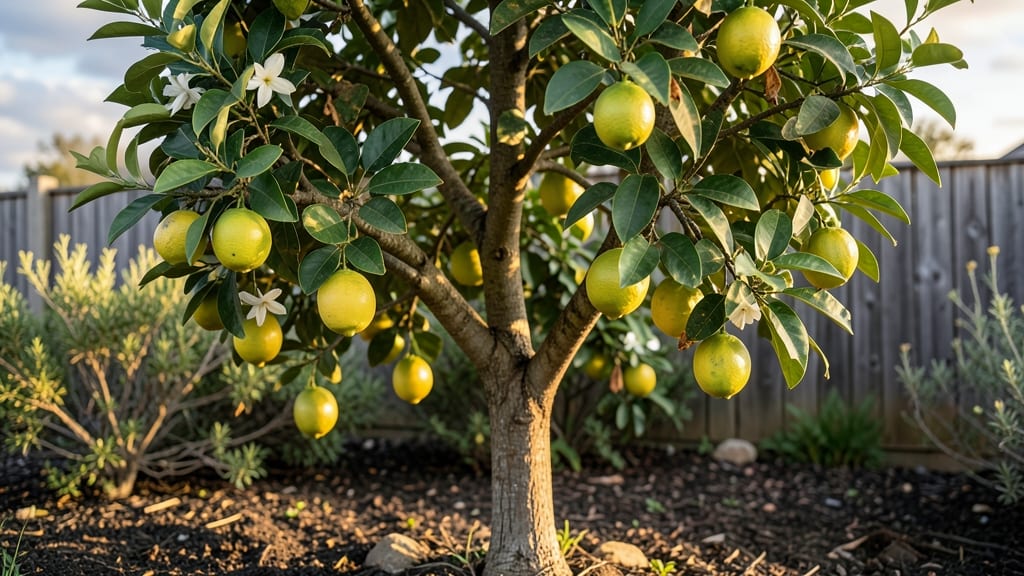
Your Meyer lemon tree dropping leaves isn’t a death sentence—it’s a cry for help from a plant that thrives in warmth but hates sudden chills. 🌿 I’ve nursed back three Meyer trees from leaf-dropping disasters, and the key is figuring out whether it’s cold stress, overwatering, or something else entirely.
The good news? Most cases are reversible with the right adjustments.
Cold snaps trigger the most common leaf drop, especially when temps dip below 40°F. But rule out overwatering first—soggy roots can’t handle the cold, and the tree sheds leaves to conserve energy.
Check the soil: if it’s damp more than an inch down, you’re overdoing it. Underwatering can also cause stress, so aim for consistently moist (not soggy) soil.
Once you’ve ruled out water issues, inspect for pests like spider mites or scale, which thrive in dry conditions and weaken the tree. A quick spray with water can dislodge them, or use neem oil if the infestation is bad.
The goal? Restore that vibrant green canopy—and with the right care, your tree will bounce back stronger than ever.
Prevention starts with winter prep: move potted trees indoors or wrap them in frost cloth, and avoid fertilizing in cold months. If leaves keep falling despite your efforts, consult a local arborist—sometimes it’s a deeper issue like root rot or disease. But in most cases, you’ve got this!
Root Causes Behind Leaf Loss
When your Meyer lemon tree starts shedding leaves, it’s often a cry for help—whether from environmental stress, improper care, or underlying health issues. Understanding the why behind the problem is the first step to saving your citrus tree’s vibrant canopy.
Below, we break down the most common triggers, backed by science, so you can diagnose and act with confidence.
Meyer lemon trees (Citrus × meyeri) are semi-tropical—they thrive in USDA Zones 9-11 but can tolerate brief dips to 25–30°F (-4 to -1°C) if acclimated. However, sudden cold snaps, frost, or prolonged chilly weather trigger leaf drop as a survival mechanism.
How it happens:
- Chilling injury: Temperatures below 32°F (0°C) disrupt cell membranes in leaves, causing them to wilting, yellowing, and detaching within days.
- Root damage: Cold soil (below 40°F/4°C) restricts water uptake, leading to nutrient starvation and leaf abscission (natural shedding).
- Dormancy confusion: If your tree experiences unseasonable cold after warm spells, it may enter a false dormancy, dropping leaves prematurely.
Actionable fix:
- Protect young trees with frost cloth or row covers before temps drop below 35°F (2°C).
- Insulate the soil with mulch (straw or wood chips) to maintain root warmth.
- Avoid overhead watering before frost—wet leaves freeze and magnify damage.
Meyer lemons hate soggy roots. While they love moisture, waterlogged soil suffocates roots, cutting off oxygen and nutrients—leading to yellowing leaves, leaf drop, and root rot (Phytophthora fungus).
How it happens:
- Saturation stress: Roots in waterlogged soil drown, triggering ethylene gas production—a plant hormone that signals leaves to detach.
- Fungal infections: Excess moisture invites root rot (Fusarium, Pythium), which blocks nutrient transport, causing premature leaf fall.
- Container issues: Potted trees in poorly drained pots suffer from root suffocation, mimicking drought stress.
Actionable fix:
- Test soil moisture—stick your finger 2–3 inches deep; water only if dry.
- Improve drainage by amending soil with perlite or sand, or repot into a container with drainage holes.
- Avoid saucers under pots—empty excess water after 15 minutes.
While Meyer lemons love sunlight, intense afternoon sun (especially after cold nights) can scorch leaves, causing them to brown, crisp, and drop.
How it happens:
- Photoinhibition: Sudden heat spikes (above 90°F/32°C) overwhelm the tree’s photosynthetic machinery, leading to chlorophyll breakdown.
- Transpiration shock: Hot, dry air increases water loss, causing leaves to curl, blister, and abscise (detach).
- Young leaves vulnerable: New growth is more sensitive to heat stress than mature foliage.
Actionable fix:
- Provide afternoon shade (30–50% shade cloth) during peak summer heat.
- Mulch heavily to retain soil moisture and cool roots.
- Water deeply in the early morning to reduce evaporation.
Leaves are the tree’s nutrient factories, and a lack of key minerals can cause them to yellow, spot, or drop prematurely. Common culprits include:
| Symptom | Likely Deficiency | How It Triggers Leaf Drop |
|---|---|---|
| Yellowing between veins | Iron (Fe) chlorosis | Blocks chlorophyll production, leaves turn pale and fall. |
| Purple stems/leaves | Phosphorus (P) | Weakens root growth, reducing water/nutrient uptake. |
| Brown leaf edges | Potassium (K) | Disrupts water regulation, causing leaf scorch and drop. |
| Small, pale leaves | Nitrogen (N) | Slows growth, leading to premature leaf abscission. |
Actionable fix:
- Test soil pH (Meyer lemons prefer 6.0–7.0). Acidic soil (pH <6) locks out iron/manganese.
- Fertilize seasonally:
- Spring: Balanced citrus fertilizer (e.g., 6-6-6) for new growth.
- Fall: Low-nitrogen, high-potassium (e.g., 5-10-10) to harden off for winter.
- Use chelated iron if chlorosis appears (spray or soil drench).
Hidden invaders like spider mites, aphids, or citrus leaf miners weaken leaves, causing them to yellow, curl, and drop. Fungal diseases (e.g., citrus greening, anthracnose) also accelerate leaf loss.
How it happens:
- Sap-sucking pests (aphids, scales) inject toxins and starve leaves of nutrients.
- Leaf miners (larvae) tunnel through tissue, disrupting photosynthesis.
- Fungal spores clog stomata (leaf pores), suffocating the tree.
Actionable fix:
- Inspect leaves for webbing (mites), sticky residue (aphids), or serpentine mines (leaf miners).
- Spray neem oil (weekly for pests) or copper fungicide (for fungal issues).
- Prune infected leaves immediately to prevent spread.
Moving a Meyer lemon—even repotting—can cause root trauma, leading to leaf drop as the tree conserves energy to regrow roots.
How it happens:
- Root pruning: Cutting roots during transplanting disrupts water/nutrient flow.
- Soil disruption: Disturbing the root ball stresses the tree, triggering ethylene production (leaf drop hormone).
- Delayed recovery: Potted trees in small or root-bound containers suffer chronic stress.
Actionable fix:
- Repot gradually—move up pot sizes by 2–3 inches every 2–3 years.
- Water thoroughly after transplanting to reduce shock.
- Avoid fertilizing for 4–6 weeks post-transplant to let roots recover.
Not all leaf drop is a crisis! Meyer lemons naturally prune old or damaged leaves to focus energy on new growth.
Look for: - Seasonal thinning (especially in late winter/early spring). - Small, yellow leaves at the base—these are senescent (aging out). - No other symptoms (pests, spots, wilting).
When to worry:
- >30% leaf loss in a short time.
- New leaves dropping (sign of stress).
- Stem dieback (blackened or mushy stems).
Before panicking, check these quick fixes: ✅ Is the soil dry? Water deeply if the top 1–2 inches are bone-dry. ✅ Are leaves curled or sticky? Likely pests—spray with soapy water (1 tsp mild soap + 1 quart water). ✅ Is the tree near a heater/AC vent? Drafts cause physiological leaf drop.
By pinpointing the exact cause, you’ll stop the leaf loss and restore your Meyer lemon’s lush, productive canopy. 🍋✨
Quick Fixes for Meyer Lemon Tree
When your Meyer lemon tree starts shedding leaves, it’s often a cry for help—whether from stress, temperature swings, or poor care. The good news? Most issues are reversible with the right adjustments.
Below, we’ve mapped out practical solutions for common causes, along with prevention tips to keep your tree thriving. Let’s get your citrus queen back to her lush, leafy self!
Signs: Yellowing, curling, or wilting leaves after a frost or chilly snap.
How to Fix It: 🔥 Immediate Protection:
- Cover it up! Use a frost cloth, blanket, or even a cardboard box (with holes for airflow) to shield the tree from freezing temps. Secure it loosely so it doesn’t touch the leaves.
- Move potted trees indoors if possible—near a sunny window or under grow lights. Avoid drafty areas like garages.
🍳 Post-Chill Recovery:
- Trim damaged leaves with sterilized pruners (cut at a 45° angle just above a leaf node) to redirect energy to healthy growth.
- Water lightly—only enough to keep the soil moist, not soggy. Overwatering stressed roots worsens shock.
👨🍳 Long-Term Cold Hardiness:
- Mulch the base with 2–3 inches of straw or wood chips to insulate roots.
- Choose a sunnier spot for next winter—Meyer lemons need full sun (6+ hours/day) and protection from wind.
💡 Pro Tip: If your tree is in the ground, plant it near a south-facing wall to absorb reflected heat. Avoid low-lying areas where cold air pools.
Signs: Yellow leaves, mushy stems, or leaves dropping even when soil feels damp.
How to Fix It: 🔪 Drain the Damage:
- Stop watering immediately and let the top 2–3 inches of soil dry out completely.
- Check drainage: If your pot has no holes, repot into one with drainage. For in-ground trees, consider raising the soil level with compost to improve aeration.
⏰ Reset the Routine:
- Water deeply but infrequently—only when the top 1–2 inches of soil are dry. Stick your finger in; if it’s damp past your first knuckle, wait.
- Use a moisture meter for potted trees to avoid guesswork.
🎯 Prevention for Next Time:
- Upgrade your soil: Mix in perlite or sand (20%) to improve drainage.
- Group pots together to create a microclimate that retains even moisture.
Signs: Crispy, brown edges on leaves, or leaves falling off despite dry soil.
How to Fix It: 💦 Rehydrate Gently:
- Soak the soil with water until it drains from the bottom. For large trees, use a drip irrigation system for slow, deep watering.
- Mulch heavily (3–4 inches) to lock in moisture and cool roots.
🌡️ Adjust Your Schedule:
- Morning watering is best—it reduces evaporation and gives leaves time to dry before night.
- Group potted trees to create humidity pockets (they’ll thank you with fewer dropped leaves!).
🔥 Pro Tip: If your tree is severely dehydrated, mist the leaves lightly with water to help them recover faster.
Signs: Pale yellow leaves (especially older ones), slow growth, or small, sparse leaves.
How to Fix It: 📊 Diagnose the Deficiency:
- Nitrogen (N) deficiency? Leaves turn pale green/yellow. Fix: Use a balanced citrus fertilizer (like 6-6-6) every 4–6 weeks in growing season.
- Magnesium (Mg) deficiency? Yellow patches between leaf veins. Fix: Apply Epsom salt (1 tbsp per gallon of water) every 2 weeks until leaves green up.
- Iron (Fe) deficiency? New leaves are yellow with green veins. Fix: Use a chelated iron supplement or spray with iron sulfate.
💪 Boost Soil Health:
- Top-dress with compost annually to replenish nutrients naturally.
- Avoid over-fertilizing—too much salt can burn roots. Always water thoroughly after fertilizing.
Signs: Holes in leaves, sticky residue, wilting, or fungal spots.
How to Fix It: 🛡️ Identify the Culprit:
- Aphids/Scale: Wipe leaves with soapy water (1 tsp mild soap per quart of water). Repeat weekly.
- Spider Mites: Spray with water to knock them off, then treat with neem oil (1 tsp per quart of water).
- Fungal Issues (like root rot): Remove infected leaves and surrounding soil, then repot with fresh, sterile potting mix.
🌡️ Prevent Future Infestations:
- Inspect new plants before bringing them home.
- Space trees properly for airflow (3–4 feet apart).
- Sterilize pruners with rubbing alcohol between cuts to prevent spreading disease.
Signs: Sudden leaf drop 1–2 weeks after repotting or moving.
How to Fix It: 🌿 Ease the Transition:
- Water lightly for the first week to avoid stressing new roots.
- Avoid fertilizing for 4–6 weeks—roots need time to establish.
🔄 Choose the Right Pot:
- Potted trees: Upgrade by 1–2 inches in diameter every 2–3 years.
- In-ground trees: Dig a hole twice as wide as the root ball but no deeper.
💡 Pro Tip: If moving an in-ground tree, water deeply 2–3 days before to reduce shock. Cover the root ball with burlap for support during transport.
- Prune strategically: Cut back 1/3 of the weakest branches to encourage new growth.
- Boost humidity: Place a pebble tray with water under the pot or use a humidifier nearby.
- Be patient: Meyer lemons are resilient! With care, new leaves should appear in 2–4 weeks.
Remember: Your Meyer lemon tree is tougher than it looks—it just needs a little TLC to bounce back. Try one fix at a time, monitor progress, and soon you’ll have a leafy, fruitful centerpiece again! 🍋✨
Frequently asked questions
My Meyer lemon tree dropped leaves after a sudden cold snap—will it recover?
Yes, with proper care! Cold stress is the most common cause of leaf drop in Meyer lemons. Move potted trees indoors near a sunny window or cover outdoor trees with frost cloth before temps drop below 35°F (2°C). Trim damaged leaves and avoid fertilizing until new growth appears—usually within 2-4 weeks.
Should I water my Meyer lemon more if it's dropping leaves?
Not necessarily—overwatering is often the culprit! Check soil moisture by sticking your finger 2-3 inches deep. If damp, hold off on watering. Meyer lemons prefer consistently moist (not soggy) soil. For potted trees, ensure drainage holes exist and empty saucers after watering to prevent root rot.
How can I tell if my tree's leaf drop is normal seasonal shedding?
Normal shedding involves small, yellow leaves at the base (older foliage) and happens in late winter/early spring. Worry if you see new leaves dropping, brown crispy edges, or 30%+ loss quickly. Also check for pests (like spider mites) or fungal spots—these indicate stress beyond normal pruning.
Can I save my Meyer lemon tree if the stems are turning black?
Blackened stems signal severe root rot or fungal infection—act fast! Prune all infected branches with sterilized shears, repot with fresh, sterile soil, and treat with copper fungicide. For in-ground trees, improve drainage by amending soil with perlite. If >50% of the tree is affected, consult an arborist—salvage may not be possible.
Is it safe to fertilize my Meyer lemon after it stops dropping leaves?
Wait 4-6 weeks after leaf drop stops before fertilizing! New roots need time to establish. Use a balanced citrus fertilizer (6-6-6) in spring, then switch to low-nitrogen (5-10-10) in fall. Always water thoroughly after fertilizing to prevent root burn.