
Trees
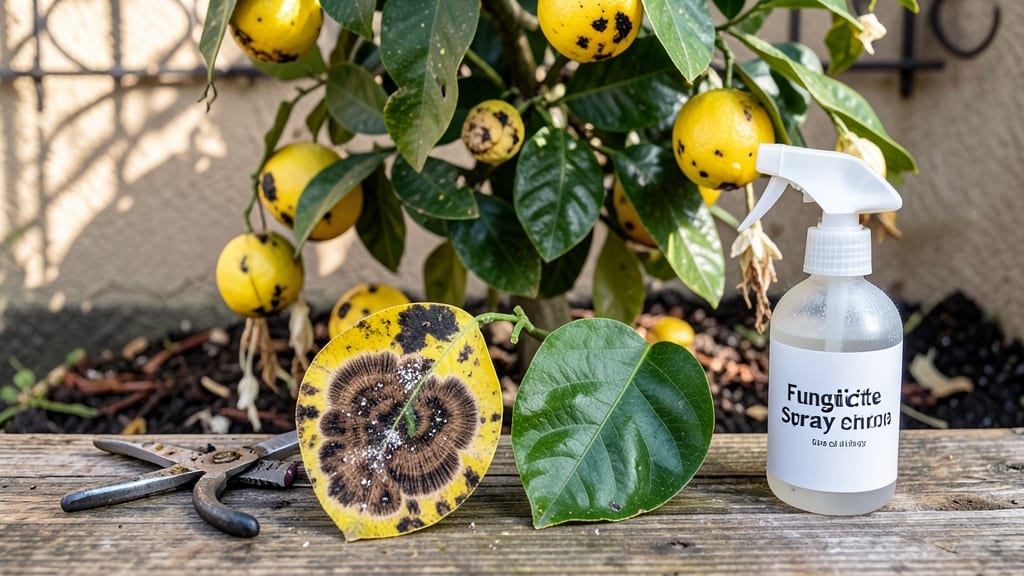
Your citrus tree’s mushy roots and yellowing leaves aren’t a sign of the fungus taking over—just a fungal wake-up call. 🌿 I’ve nursed back more citrus trees than I’d like to admit, and the key is acting fast before the disease spreads.
The most common culprits are root rot (from overwatering) and leaf spots like melanose or scab, which thrive in humid climates or crowded foliage.
Start by diagnosing the problem: check roots for soft, brown spots (root rot) or leaves for dark, crusty patches (melanose). Prune infected branches immediately with sterilized tools, and improve airflow by thinning dense growth. For root rot, adjust watering—citrus trees hate soggy soil—and consider adding organic matter to improve drainage.
Once you’ve pruned and adjusted care, treat with a copper fungicide (organic option) or neem oil spray for leaf spots. Repeat every 2-3 weeks until new growth appears.
With the right fix, your tree can bounce back within 4-6 weeks, and you’ll keep future outbreaks at bay with proper spacing and watering habits.
Indoor citrus trees are just as vulnerable as outdoor ones—humidity from indoor air or overpotting can create the same problems. The good news? Once you’ve mastered the quick fixes, your tree will stay healthier than ever. Let’s get those leaves perky again!
Root Causes of Citrus Tree Fungus
Fungal infections in citrus trees aren’t random—they thrive when specific conditions align. Understanding the why behind these issues helps you take precise action to protect your trees. Below, we break down the most common triggers, from environmental factors to poor cultural practices, so you can address them effectively.
Fungi love moisture, and citrus trees are particularly vulnerable when their roots sit in soggy soil for too long. Here’s why it happens:
- Waterlogged roots create the perfect anaerobic (oxygen-poor) environment for fungal spores to germinate and spread.
Common offenders include: - Fusarium wilt (Fusarium oxysporum) – Thrives in compacted, poorly drained soil. - Phytophthora root rot (Phytophthora spp.) – Spreads rapidly in waterlogged conditions, clogging root vessels and cutting off nutrient flow. - Armillaria root rot (Armillaria mellea) – Invades stressed roots, especially in heavy clay soils.
- Symptoms to watch for:
- Mushy, dark roots that smell foul.
- Yellowing leaves (even when soil is wet).
- Stunted growth or sudden wilting.
💡 Pro Tip: Test your soil’s drainage by digging a hole near the tree—if water pools after 6 hours, your tree is at risk. Amend soil with sand, perlite, or compost to improve aeration, and ensure your citrus tree is planted on a slight mound to encourage runoff.
Fungal spores are everywhere—in wind, rain, and even garden tools—but they only cause trouble when they find a weakened host. Citrus trees become susceptible due to:
- High humidity (ideal for spore germination).
- Wounds from pruning, storms, or pests (entry points for infection).
- Old mulch or organic debris harboring dormant spores (e.g., Botryosphaeria or Colletotrichum).
Common fungal invaders:
| Fungus | Trigger | Tell-Tale Signs |
|---|---|---|
| Citrus Canker (Xanthomonas) | Windborne spores, humid weather | Raised, oily lesions on leaves/fruit |
| Melanose (Diaporthe) | Rain splashing spores onto leaves | Dark, sunken spots on fruit/leaves |
| Powdery Mildew (Oidium) | Crowded plants + low airflow | White, powdery coating on young leaves |
🌡️ Prevention Hack: Space trees 6–10 feet apart for airflow, and sterilize pruners with 70% isopropyl alcohol between cuts to avoid spreading spores.
Citrus trees are tropical at heart—they hate sudden temperature drops or heat stress, which weaken their defenses. Fungi exploit this:
- Cold snaps (below 30°F) damage cell walls, making trees vulnerable to root rot or leaf spot diseases.
- Heat stress (above 90°F for prolonged periods) reduces photosynthesis, starving roots of energy to fight infections.
- Transplant shock disrupts root systems, inviting fungi like Pythium to move in.
🔥 Warning Sign: If leaves curl upward (a classic stress response) or drop prematurely, your tree’s immune system is compromised—fungi will follow.
Not all fungal issues start in the soil. Some are brought in through:
- Infected nursery stock (e.g., trees grafted with diseased rootstock).
- Reused tools (pruners, knives) carrying spores from other plants.
- Cross-contamination when moving soil or mulch from infected areas.
Example: Tristeza virus (often spread via aphids but worsened by fungal root damage) can devastate citrus groves if introduced through infected scions.
✨ Solution: Buy trees from reputable nurseries with disease-resistant rootstock (e.g., Swingle citrumelo for cold tolerance). Disinfect tools with a 10% bleach solution (1 part bleach to 9 parts water) before and after use.
A hungry tree is a fungus magnet. When citrus trees lack key nutrients, their roots weaken, making them easy targets:
- Nitrogen deficiency → Pale leaves + weak growth = slower recovery from stress.
- Potassium deficiency → Poor root vigor = higher susceptibility to Verticillium wilt.
- Zinc or iron deficiency → Yellowing between leaf veins (chlorosis) = reduced disease resistance.
📊 Soil Test Tip: Use a citrus-specific soil test kit to check pH (ideal: 6.0–7.0) and nutrient levels. Over-fertilizing with high-nitrogen (like blood meal) can also stress roots—balance is key.
Some fungi hitchhike on pests like:
- Aphids (spread Citrus Tristeza Virus + fungal spores).
- Scale insects (weaken trees, inviting Botryosphaeria).
- Root-knot nematodes (damage roots, making them prone to rot).
👨🍳 Action Step: Treat pest outbreaks immediately with neem oil or horticultural oil sprays to break the fungal-pest cycle.
Fungal spores linger in stagnant air. Common culprits:
- Overcrowded trees (blocks sunlight and airflow).
- Thick mulch layers (traps moisture against the trunk).
- Tightly packed containers (for potted citrus).
💡 Fix: Prune to open the canopy, use 3–4 inches of mulch (not touching the trunk), and avoid overhead watering to keep foliage dry.
Final Note: Most citrus fungal issues are preventable with smart watering, airflow, and stress management. The key? Act before symptoms appear—healthy trees resist fungi naturally!
Quick Fixes for Fungal Woes
Fungal infections in citrus trees can feel like a slow-motion disaster—one day your tree looks vibrant, and the next, its leaves are yellowing, roots are mushy, and mysterious spots dot the bark. But don’t panic!
With the right approach, you can reverse the damage, restore your tree’s health, and keep future outbreaks at bay. Below, we’ll break down targeted solutions for the most common citrus tree fungi, from sooty mold to root rot, plus prevention tips to protect your grove long-term.
If your citrus tree’s leaves are covered in black, powdery residue (sooty mold) or brown/yellow spots (anthracnose or citrus scab), act fast before the fungus spreads to the fruit.
🔥 Step 1: Prune & Clean Infected Areas
- 👨🍳 Remove infected leaves, branches, or fruit (especially if they’re covered in mold or spots). Dispose of them in the trash—not the compost—to prevent reinfection.
- ✂️ Thin out dense foliage to improve airflow, which fungi hate.
Aim for 10–20% reduction in crowded areas. - 🌿 Sterilize your pruners with 70% isopropyl alcohol or a 10% bleach solution (1 part bleach to 9 parts water) between cuts.
🧼 Step 2: Apply Fungicidal Sprays (Organic & Chemical Options)
| Fungus Type | Recommended Treatment | How to Apply |
|---|---|---|
| Sooty Mold | Neem oil or copper fungicide (e.g., CuSO₄) | Spray early morning or evening (avoid direct sun). Reapply every 7–14 days until gone. |
| Anthracnose/Scab | Baking soda spray (1 tbsp baking soda + 1 tsp oil + 1 gallon water) or myclobutanil (chemical) | Spray undersides of leaves thoroughly. Repeat every 2 weeks during wet seasons. |
| Melanose (Black Spot) | Potassium bicarbonate (2 tbsp per gallon) or fixed copper spray | Apply at first sign of spots, then monthly for prevention. |
💡 Pro Tip: Mix in a drop of dish soap (like Dawn) to help the spray stick to leaves. Test a small area first to avoid leaf burn.
🌡️ Step 3: Adjust Care to Prevent Recurrence
- ⚡ Reduce overhead watering—fungi love damp leaves.
Water at the base in the morning so foliage dries quickly. - 🌿 Fertilize with balanced NPK (e.g., 10-10-10) to boost tree resilience. Avoid high-nitrogen fertilizers, which encourage soft, fungus-friendly growth. - 🌞 Increase sunlight exposure—fungi thrive in shady, humid conditions. Trim nearby trees/shrubs if needed.
If your citrus tree’s roots are soft, discolored, or smelly, root rot (often caused by Phytophthora or Fusarium) is likely the culprit. This is serious, but recovery is possible with drainage fixes and fungal control.
🔪 Step 1: Emergency Root Rescue
- 🚰 Improve drainage IMMEDIATELY: If your tree is in a pot, repot into a larger container with fresh, well-draining soil (mix 50% potting soil + 50% perlite/pumice).
If in-ground, amend the soil with compost and coarse sand (1:1 ratio). - 💧 Adjust watering habits: - Let the top 2–3 inches of soil dry out between waterings. - Avoid soggy soil—stick your finger in the soil; if it’s damp past 1 inch, hold off on watering. - 🌡️ Raise the tree’s base (if in-ground) by mounding soil around the trunk to prevent water pooling.
🍄 Step 2: Fungal Treatment for Roots
- 💊 Use a systemic fungicide like phosphite-based products (e.g., Phostrol or Aliette). Follow label instructions for soil drenching.
- 🌿 Apply beneficial microbes: Mycorrhizal fungi (like Rhizophagus irregularis) can outcompete harmful pathogens.
Mix into soil or use a liquid inoculant. - 🌱 Prune back severely infected roots (if repotting) and dust with cinnamon or copper fungicide to prevent spread.
🛡️ Step 3: Long-Term Root Protection
- 🚫 Avoid compacted or clay-heavy soil—amend with organic matter (compost, leaf mold).
- 🌧️ Install a French drain or gravel layer around the base if your yard has poor drainage.
- 🍊 Monitor for stress signs (yellowing leaves, wilting) and fertilize lightly with low-nitrogen, high-phosphorus (e.g., 5-10-10) to support root recovery.
Once your tree is back on track, proactive care is key to avoiding future outbreaks.
- 🌿 Sanitize tools regularly—wipe pruners with rubbing alcohol after each use.
- 🍊 Harvest fruit promptly—overripe or fallen citrus can attract fungal spores.
- 🌡️ Space trees 6–10 feet apart for airflow (fungi spread faster in crowded groves).
- 🌧️ Use drip irrigation instead of sprinklers to keep leaves dry.
- 🍃 Apply preventative sprays (neem oil or copper) before rainy seasons (spring/fall).
- 🌱 Rotate crops if growing other plants nearby—fungi can persist in soil.
Remember: Citrus trees are tough, and with quick action + consistent care, they can bounce back stronger than ever. Start with the most severe issues first**, then layer in prevention—your tree (and future harvests) will thank you! 🍋🌟
Frequently asked questions
How do I tell if my citrus tree has fungus vs. pest damage?
Fungal issues typically show as soft, discolored spots on leaves or mushy roots, while pests like aphids or scale leave sticky residue or tiny holes. Check for black powdery coatings (sooty mold) or dark, crusty patches (melanose)—these are fungus hallmarks. Pests often cluster on undersides of leaves or stems.
Can I save a citrus tree with root rot?
Yes, but act fast! Improve drainage immediately by repotting (if potted) or amending soil with perlite and compost. Prune back severely infected roots and apply a phosphite-based fungicide like Phostrol. Recovery takes 4-6 weeks if you catch it early.
What’s the best organic fungicide for citrus trees?
For leaf spots, try a copper fungicide (like CuSO₄) or neem oil mixed with baking soda. For root rot, use mycorrhizal fungi to outcompete pathogens. Always apply in the early morning or evening to avoid leaf burn.
Why does fungus keep coming back even after treatment?
Fungi thrive in humid, crowded conditions. Thin dense foliage, space trees 6-10 feet apart, and avoid overhead watering. Also check for hidden stress factors like nutrient deficiencies or pest infestations that weaken defenses.
Are indoor citrus trees more prone to fungus?
Yes! Indoor citrus face higher humidity and poor airflow. Use a dehumidifier near the plant, ensure pots have drainage holes, and avoid overwatering. Sterilize tools between uses to prevent cross-contamination.