
Pruning
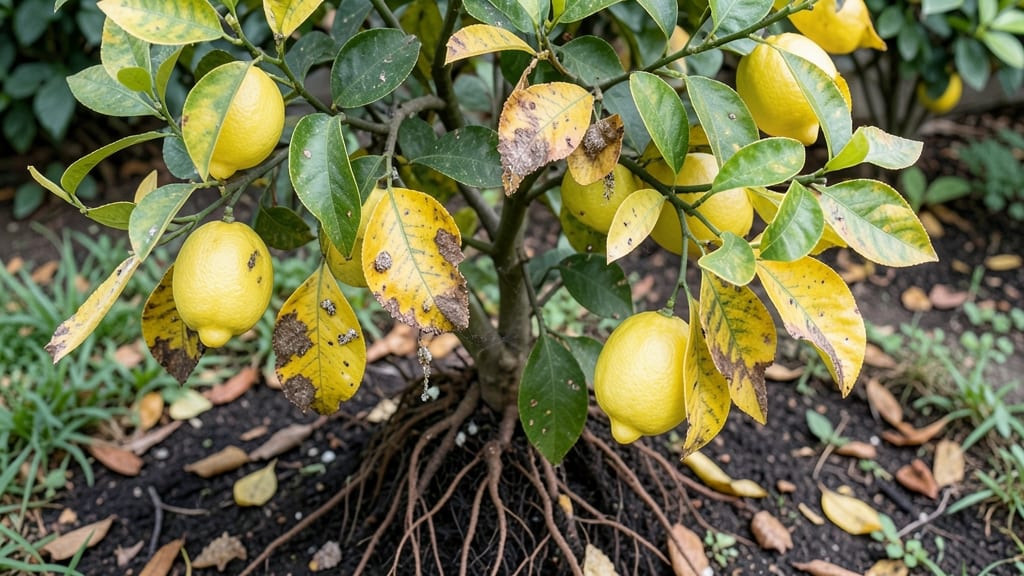
Your citrus tree’s yellowing, curling, or spotted leaves aren’t a sign of citrus tree issues—just a cry for help. 🌿 I’ve nursed back more than a few of these stubborn trees, and the fixes are often simpler than you’d think.
The key is identifying the real problem: too much water, not enough nutrients, or maybe a sneaky pest hiding in the branches.
Most issues start with the soil or watering routine. Overwatering drowns roots, while underwatering stresses the tree into dropping leaves. Nutrient deficiencies (especially nitrogen or iron) show up as yellowing between leaf veins.
And yes, those tiny white specks on leaves? Likely scale or spider mites, not something you’ll fix with a quick spray.
By the end of this, you’ll know exactly what’s wrong—and how to turn those sad leaves into vibrant green ones again. Prune the damaged bits, adjust your watering, and add a balanced fertilizer. The best part? Healthy citrus trees reward you with sweet, juicy fruit for years.
Works for dwarf Meyer lemons, full-sized oranges, or even that potted lime tree on your patio. Let’s get those branches back in shape before the next harvest.
📚 In This Guide
- What you need
- Instructions
- Tips and common mistakes
- Wrapping up and next steps
What you need
- ● Pruning shears: Sharp, bypass-style shears (avoid dull tools—they crush stems!). Quantity: 1 pair.
- ● Gloves: Heavy-duty, gardening-grade gloves (citrus sap can irritate skin!). Quantity: 1 pair.
- ● Disinfectant: 70% isopropyl alcohol or bleach solution (1 part bleach to 9 parts water) for sterilizing tools. Quantity: Small bottle or spray.
- ● pH testing kit: Digital soil pH meter or test strips to check soil acidity (ideal range: 6.0–7.0 for citrus). Quantity: 1 kit.
- ● Fungicide: Copper-based fungicide (e.g., Copper Sulfate) or neem oil solution (for fungal/spider mite issues). Quantity: 1–2 sprays or bottles.
- ● Insecticidal soap: Ready-to-use spray (e.g., Safer® Brand) for pests like aphids or scale. Quantity: 1 bottle.
- ● Garden hose with nozzle: For rinsing leaves (use a gentle spray to avoid damaging foliage).
- ● Trowel or small shovel: For light soil inspection (6-inch depth).
- ○ Magnifying glass (optional): Helps spot tiny pests or leaf details up close.
- ● Citrus-specific fertilizer: Slow-release granules (e.g., Citrus-Tone) or liquid feed (20-10-20 NPK ratio). Quantity: 1–2 applications per growing season.
- ● Mulch: Organic mulch (e.g., pine bark or straw) to retain moisture and regulate soil temp. Quantity: 2–3 inches, spread evenly.
- ● Humidity tray: For indoor citrus trees (pebble tray + water to combat dry air).
- ● Camera or phone: Snap close-up photos of symptoms for expert diagnosis (if needed).
- ● Journal/notebook: Track watering, pruning dates, and treatments for future reference.
Step-by-Step guide to diagnosing and fixing citrus tree leaf problems
Here’s how to tackle the most common citrus tree issues—fast—so your tree stays healthy and productive.
🌿 Step 1: Identify the Problem by Examining the Leaves
Start by closely inspecting the leaves, focusing on color, texture, and patterns. Yellowing leaves often signal nutrient deficiencies or overwatering, while curling or spotting can indicate pests, disease, or environmental stress. Hold a leaf up to the light—look for tiny webs, holes, or discoloration on the underside, which are classic signs of mites or scale.
Check the soil around the base of the tree too. If it smells sour or feels soggy, your tree is likely overwatered. On the flip side, dry, cracking soil means underwatering. I like to stick my finger 1-2 inches deep—if it’s bone-dry, it’s time to water. The goal is moist but never waterlogged soil.
💧 Step 2: Adjust Watering and Soil Conditions
Citrus trees hate soggy roots, so if your tree is overwatered, let the soil dry out completely before watering again. For underwatered trees, water deeply once a week (or more in extreme heat) until water runs out the drainage holes. Mulch the base with 2-3 inches of organic mulch to retain moisture and regulate soil temperature—just keep it 3-4 inches away from the trunk to prevent rot.
If your tree is in a container, check the drainage holes. If they’re clogged, roots suffocate and leaves yellow. I’ve seen this happen when people repot citrus trees without cleaning out old soil—always refresh the potting mix every 2-3 years to prevent compaction and salt buildup.
☀️ Step 3: Check Light and Nutrient Levels
Citrus trees need 6-8 hours of bright, indirect sunlight daily. If leaves are pale or leggy, move the tree to a sunnier spot or supplement with a grow light if indoors. Too much direct sun can scorch leaves, causing brown spots—provide afternoon shade in hot climates if needed.
Yellowing between leaf veins often means iron deficiency. Use a chelated iron supplement (like iron sulfate) every 4-6 weeks during growing season. For general health, feed with a balanced citrus fertilizer (like 6-6-6) every 2 months in spring and summer. Avoid over-fertilizing—this can burn roots and worsen problems.
✂️ Step 4: Treat Pests and Diseases Early
For pests like aphids or mites, spray the leaves with neem oil (mixed per label instructions) or insecticidal soap. Focus on the undersides of leaves where pests hide. If you see sticky residue on leaves, it’s likely scale or mealybugs—wipe them off with a damp cloth and treat with horticultural oil for a few weeks.
Fungal diseases like citrus canker cause dark spots and oily lesions. Prune infected leaves immediately with sterilized shears (wipe with rubbing alcohol between cuts) and dispose of them in the trash—not the compost. Improve airflow by thinning dense foliage and avoid overhead watering to keep leaves dry.
🌱 Step 5: Prune for Better Airflow and Health
Prune away any dead, diseased, or crossing branches to improve airflow and light penetration. Use clean, sharp pruners to make cuts just above a leaf node or outward-facing bud. Avoid heavy pruning in winter—citrus trees are sensitive to cold and need time to recover.
After pruning, give your tree a light feeding with fish emulsion to boost recovery. Watch for new growth in 4-6 weeks—this is your sign the tree is healing. If problems persist, consider repotting into fresh soil or testing the soil pH (citrus prefers 6.0-7.0).
Tips & tricks for quick citrus tree recovery
These simple tricks will help you diagnose and fix your citrus tree's leaf problems faster than you'd expect.
Leaf Inspection Tip: When checking for pests in Step 1, use a magnifying glass to spot tiny mites or scale insects that hide on leaf undersides. I've caught early infestations this way that would've become full-blown problems. Look for webbing, sticky residue, or tiny black dots—these are dead giveaways of pests.
Watering Wisdom: The "finger test" in Step 2 works best in the morning—soil moisture varies throughout the day. If you water once a week but still see yellowing, check soil moisture at different times. In containers, water when the top 1-2 inches feel completely dry, but never let the soil stay bone-dry for more than 3 days.
Sunlight Strategy: For the 6-8 hours of sunlight in Step 3, position your tree near a south-facing window if indoors. Rotate the pot weekly so all sides get even light exposure. In outdoor climates, move potted trees to shaded areas during peak afternoon sun (12-3 PM) to prevent scorching.
Fertilizer Timing: When applying the chelated iron supplement every 4-6 weeks, do it in the morning when leaves are dry. This gives the tree all day to absorb nutrients before evening. I've noticed healthier new growth when I fertilize right after watering—this helps prevent root burn from concentrated salts.
Pro Tips for Citrus Tree Issues
- These simple tricks will help you diagnose and fix your citrus tree's leaf problems faster than you'd expect.
- Leaf Inspection Tip: When checking for pests in Step 1, use a magnifying glass to spot tiny mites or scale insects th...
- Watering Wisdom: The "finger test" in Step 2 works best in the morning—soil moisture varies throughout the day. If yo...
Frequently asked questions
Got citrus tree troubles?
Here are answers to the most common questions about diagnosing and fixing issues like yellowing, curling, or spotted leaves—so you can keep your tree thriving!
Why are my citrus tree leaves turning yellow?
Yellowing leaves (chlorosis) usually mean iron deficiency or poor drainage. Test your soil’s pH—citrus trees prefer 6.0–7.0. If the soil is too alkaline, apply chelated iron or Epsom salt (1 tbsp/gallon of water). Overwatering can also cause root rot, so check drainage holes and adjust watering.
What causes leaves to curl or pucker?
Curling leaves often signal pests (like spider mites or aphids) or disease (e.g., citrus greening). Inspect the undersides of leaves for tiny webs or insects. Treat with neem oil or insecticidal soap. If no pests are found, check for nutrient deficiencies (magnesium or zinc) or temperature stress (citrus hates cold drafts!).
How do I fix brown or black spots on citrus leaves?
Spots are often caused by fungal diseases (like citrus scab or anthracnose) or bacterial infections. Prune affected leaves immediately and sterilize pruners with rubbing alcohol. Improve airflow by thinning dense foliage, and apply copper fungicide if needed. Avoid overhead watering to prevent spread.
When is the best time to prune a citrus tree with issues?
Prune late winter or early spring (before new growth starts) to remove dead/diseased branches. If pests or disease strike mid-season, prune only the affected areas and disinfect tools. Never prune in fall—it stresses trees before winter dormancy. Light shaping prunes can happen anytime, but major work waits for the right season!
Can I save a citrus tree with severe leaf problems?
Yes, but act fast! Start with diagnosis (check leaves, soil, and roots). Fix watering habits, fertilize properly (balanced citrus fertilizer), and treat pests/diseases. If roots are rotting, repot into fresh, well-draining soil. Patience is key—healthy regrowth can take 4–8 weeks. If the tree is beyond saving, propagate cuttings from healthy branches!
| Quick Fixes Cheat Sheet |
|---|
| Yellow Leaves? → Chelated iron + check drainage |
| Curling Leaves? → Neem oil + test for pests |
| Brown Spots? → Prune + copper fungicide |
| Best Pruning Time? → Late winter/early spring |
Wrapping up and next steps
Citrus trees may throw a few curveballs—like yellowing, curling, or spotted leaves—but most issues have simple fixes! 🌿 With the right tools, a little patience, and the troubleshooting steps you’ve learned, you can bring your tree back to vibrant health. Remember: early action is key, and even small adjustments can make a big difference over time.
Ready to give your citrus tree the TLC it deserves? Start by inspecting it closely, then tackle one issue at a time. Whether it’s pruning, adjusting water, or treating pests, your efforts will pay off with lush foliage and sweet, juicy fruit in no time! 🍊✨