
Trees
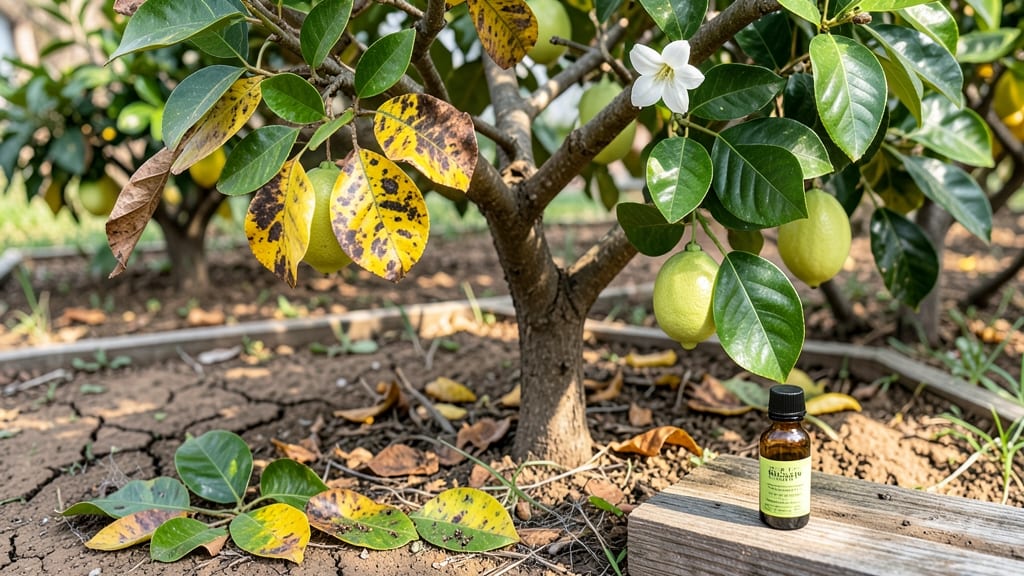
Your Meyer lemon tree lost leaves overnight—no warning, just sudden panic. 🌿 The good news? This is one of the most fixable citrus problems, and I’ve revived multiple trees with the same three-step approach that works even for black thumbs.
Most leaf loss comes from overwatering (the #1 killer) or cold stress when temps dip below 30°F. Yellowing leaves? Likely nutrient deficiency. Brown, crispy edges? Probably underwatering or pests like spider mites hiding on the undersides. The fix starts with checking the soil—it should feel slightly damp but never soggy.
Within 2-3 weeks of adjusting care, you’ll see fresh green leaves pushing out, and those lost ones won’t come back—but the tree will bounce back stronger. I’ve nursed back trees that looked dead with just proper watering, a balanced citrus fertilizer, and a cozy winter blanket (yes, really).
If the problem persists after 4 weeks or you see black spots, oozing sap, or wilting despite your efforts, it’s time to call a local citrus specialist. But in 90% of cases, this simple checklist saves the day—and your harvest.
Why it happens
H2: Root Causes Behind Drooping Foliage
When your Meyer lemon tree starts shedding leaves, it’s often a cry for help—whether from environmental stress, improper care, or hidden health issues. Understanding the why behind the problem is the first step to bringing your citrus tree back to life.
Below, we break down the most common culprits, complete with science-backed explanations and actionable insights to diagnose the issue accurately.
💧 Overwatering or Poor Drainage
Meyer lemon trees thrive in well-draining soil, and when roots sit in soggy conditions, they suffocate. Overwatering disrupts the tree’s ability to absorb oxygen, leading to root rot (a fungal infection caused by Phytophthora or Pythium). Symptoms include yellowing leaves, wilting, and—you guessed it—premature leaf drop.
🔍 How to spot it: Check the soil 2–3 inches down; if it’s damp or smells sour, you’re overwatering. Also, look for black, mushy roots when you inspect the root ball.
✨ Pro tip: Meyer lemons prefer the "dry-down" method—water deeply, then wait until the top inch of soil is dry before watering again. Use a pot with drainage holes and mix in perlite or sand to improve aeration.
☀️ Extreme Temperature Shifts
These subtropical trees hate sudden cold snaps or scorching heat. Temperatures below 30°F (-1°C) can cause cold damage, while prolonged exposure to 90°F+ (32°C+) stresses the tree, leading to leaf scorch and drop. Even drafty indoor spots (like near AC vents) can trigger leaf loss.
📊 Science note: Cold stress disrupts cell membranes in leaves, causing them to brown and fall. Heat stress, meanwhile, accelerates transpiration (water loss) faster than roots can replenish it.
🌡️ Fix it: Move potted trees indoors (near a sunny window) if temps drop below 50°F (10°C). For outdoor trees, use frost cloths in winter and provide afternoon shade in summer. Mulch the base to regulate soil temperature.
🍃 Nutrient Deficiencies or Over-Fertilization
A Meyer lemon tree’s leaves are its factories, and without the right nutrients, they’ll start to fail. Common deficiencies include:
- Nitrogen (N): Causes yellowing between leaf veins (chlorosis) and weak growth.
- Magnesium (Mg): Leads to interveinal yellowing (especially on older leaves)—a classic sign of magnesium deficiency.
- Iron (Fe): Results in pale, white leaves (even if soil has iron, alkaline soil locks it out).
- Potassium (K): Causes brown, crispy leaf edges (often confused with underwatering).
But here’s the twist: Over-fertilizing can also burn roots, leading to leaf drop. Synthetic fertilizers high in salt (like urea) disrupt soil microbes and clog root zones.
💡 Diagnose & act: Test your soil’s pH (ideal: 6.0–7.0 for Meyer lemons). If alkaline, amend with chelated iron or sulfur. Use a balanced citrus fertilizer (e.g., 6-6-6 or 8-3-9) every 4–6 weeks in growing season, and flush the soil with water monthly to prevent salt buildup.
🐛 Pests or Disease Pressure
Tiny invaders and pathogens can silently drain your tree’s vitality. The most common offenders:
| Pest/Disease | Symptoms | Why It Causes Leaf Drop |
|---|---|---|
| Aphids or Scale insects | Sticky residue ("honeydew"), curled leaves, black sooty mold | These sap-suckers starve the tree of nutrients, leading to weak, dropping leaves. |
| Spider mites | Fine webbing, bronzing or speckled leaves | They pierce cells, causing chlorosis and premature leaf abscission (drop). |
| Root-knot nematodes | Stunted growth, galls on roots, wilting (even with water) | These microscopic worms damage root hairs, reducing water/nutrient uptake. |
| Fungal leaf spot (e.g., Alternaria) | Dark spots with yellow halos, leaf drop | Fungi clog stomata (leaf pores), disrupting gas exchange and photosynthesis. |
🔥 Combat them: For pests, blast off mites/aphids with a strong spray of water, then apply neem oil or insecticidal soap. For nematodes, solarize soil (cover with clear plastic for 4–6 weeks) or use beneficial fungi like Trichoderma.
Fungal issues? Prune infected leaves and treat with copper fungicide.
🌱 Transplant Shock or Root Disturbance
Even the hardiest Meyer lemon trees can freak out after repotting or being moved. Root damage during transplantation severs the tree’s water/nutrient highways, triggering a survival response: leaf abscission (dropping leaves to conserve energy).
🌿 Signs it’s the culprit: Leaves yellow and drop within 1–2 weeks of moving, even if the tree seems otherwise healthy.
👨🍳 Recovery steps: After repotting, don’t water for 3–5 days to let roots heal. Use a rooting hormone if propagating from cuttings. Keep the tree in indirect light for 2 weeks to reduce stress.
Reviving Your Meyer Lemon Tree
A Meyer lemon tree losing leaves can feel like a heartbreaking setback, but the good news is that most cases are fixable with the right care. Below, we’ve mapped out practical solutions for common causes—plus prevention tips to keep your tree thriving long-term.
Let’s get your citrus queen back to her lush, leafy self!
---
Signs: Yellowing leaves, soggy soil, or leaves dropping despite frequent watering.
How to Fix It: 🔥 Step 1: Check the Soil – Stick your finger 2 inches into the soil. If it’s damp, hold off on watering. Meyer lemons hate "wet feet"! 🍳 Step 2: Adjust Watering Habits – Water deeply only when the top 1–2 inches of soil are dry (usually every 5–7 days, less in winter). 👨🍳 Step 3: Improve Drainage – If your pot lacks drainage holes, repot into one with them. Add a layer of gravel or perlite at the bottom to prevent root rot. 🥘 Step 4: Let It Dry Out – If roots are waterlogged, move the tree to a shadier spot and reduce watering for 1–2 weeks to let roots recover.
💡 Pro Tip: Use a moisture meter or a simple pencil test to track soil dryness. Overwatering is the #1 killer of Meyer lemon trees—don’t let it happen again!
---
Signs: Crispy, brown edges on leaves, wilting, or leaves falling off despite dry soil.
How to Fix It: 🔥 Step 1: Water Deeply – Soak the soil until water drains from the bottom of the pot. Repeat every 3–4 days in summer (daily in extreme heat). 🍳 Step 2: Mulch the Soil – Cover the top inch of soil with mulch or pebbles to retain moisture and cool roots. 👨🍳 Step 3: Provide Shade – Move the tree to a spot with morning sun + afternoon shade (or use a sheer curtain). Direct afternoon sun can scorch leaves. 🥘 Step 4: Mist Leaves (Temporarily) – Spray leaves with water early in the day to combat heat stress (stop once leaves recover).
🌡️ Pro Tip: If your tree is in a container, place the pot on a tray of pebbles with water (evaporative cooling) to help regulate temperature.
---
Signs: Yellowing leaves (chlorosis), slow growth, or leaves dropping prematurely.
How to Fix It: 🔥 Step 1: Test Your Soil – Use a citrus-specific fertilizer or soil test kit to check pH (ideal: 6.0–7.0) and nutrient levels. 🍳 Step 2: Fertilize Correctly – - Spring/Summer: Use a balanced citrus fertilizer (e.g., 6-6-6 or 8-3-9) every 4–6 weeks. - Fall/Winter: Reduce to once every 8–12 weeks (lemon trees rest in cooler months). 👨🍳 Step 3: Boost Iron (If Needed) – If leaves are yellow with green veins, apply an iron supplement (like iron chelate) to the soil. 🥘 Step 4: Use Organic Matter – Mix compost or worm castings into the topsoil to improve nutrient absorption.
💡 Pro Tip: Over-fertilizing burns roots! Always water before and after applying fertilizer.
---
Signs: Holes in leaves, sticky residue, wilting, or fungal spots (like black mold).
How to Fix It: 🔥 Step 1: Identify the Culprit – - Aphids/Scale: Tiny bugs, sticky residue. - Spider Mites: Fine webbing, speckled leaves. - Fungal Issues: Black/yellow spots, mushy stems. 🍳 Step 2: Treat Pests – - Neem Oil Spray (mix 1 tbsp neem oil + 1 tsp mild soap + 1 quart water). Spray every 5–7 days until pests are gone. - Insecticidal Soap for aphids/mites (follow package instructions). 👨🍳 Step 3: Prune Damaged Leaves – Snip off infested or diseased leaves with clean scissors and dispose of them (don’t compost!). 🥘 Step 4: Prevent Fungal Growth – - Ensure good airflow around the tree. - Avoid overhead watering; water at the base only. - Apply copper fungicide if spots persist.
✨ Pro Tip: Prevention is key! Inspect leaves weekly and quarantine new plants to stop outbreaks early.
--- Signs: Sudden leaf drop, wilting, or stunted growth after repotting or moving.
How to Fix It: 🔥 Step 1: Give It Time – Transplant shock can last 2–4 weeks. Keep the tree in bright, indirect light and reduce watering slightly. 🍳 Step 2: Check Roots – If roots are circling or rotting, trim damaged roots with sterilized scissors before repotting. 👨🍳 Step 3: Use the Right Soil – Meyer lemons need well-draining, slightly acidic soil (mix cactus soil + perlite + compost). 🥘 Step 4: Support Recovery – - Avoid fertilizing for 4–6 weeks post-transplant. - Mist leaves lightly to reduce stress.
🎯 Pro Tip: When repotting, choose a container only 1–2 inches larger than the current one. Bigger pots = more water retention = root rot risk.
--- Keep your Meyer lemon tree lush with these easy habits: ✅ Water wisely – Check soil moisture before watering. ✅ Fertilize seasonally – More in growing months, less in winter. ✅ Monitor pests – Weekly inspections save trees! ✅ Prune properly – Trim dead/brown leaves to redirect energy. ✅ Repot carefully – Only when roots are crowded (every 2–3 years).
--- Your Meyer lemon tree can bounce back—just give it the right care! Start with the solution that matches your tree’s symptoms, and watch those leaves return in weeks (not months). 🍋✨
Frequently asked questions
Why does my Meyer lemon tree drop leaves in winter?
Meyer lemon trees naturally shed some leaves in winter as part of their dormancy cycle. However, excessive leaf drop below 30°F (-1°C) signals cold stress. Protect your tree with frost cloths or move potted trees indoors near a sunny window. Reduce watering in winter since the tree needs less moisture when growth slows.
Can I save my Meyer lemon tree if all leaves are gone?
Yes! A bare-branched Meyer lemon can recover if the roots are healthy. Prune back any dead wood, then focus on watering deeply every 7–10 days (less in winter). Fertilize lightly in spring with citrus-specific fertilizer, and place the tree in bright, indirect light. New leaves should sprout within 4–6 weeks if the roots survived.
How do I tell if my tree lost leaves from overwatering vs. underwatering?
Check the soil and leaf condition: - Overwatering: Yellowing leaves, soggy soil, mushy roots, and a sour smell. - Underwatering: Crispy brown edges, dry soil, and wilting despite thirst. For overwatering, let the soil dry completely before watering again. For underwatering, soak the soil until water drains from the bottom.
Will my Meyer lemon tree grow back leaves after pest damage?
Once you treat pests like aphids or spider mites with neem oil or insecticidal soap, your tree will focus on regrowth. Prune heavily damaged leaves and maintain good airflow. Within 2–3 weeks, you’ll see fresh green leaves pushing out—just keep monitoring for reinfestation.
How long does it take for a Meyer lemon tree to recover lost leaves?
Recovery time varies by cause: - Watering issues: 2–4 weeks for new leaves. - Cold stress: 3–6 weeks (wait until temps stay above 50°F/10°C). - Pests/nutrients: 3–5 weeks after treatment. Patience is key—focus on consistent care, and your tree will bounce back stronger!