
Lawn
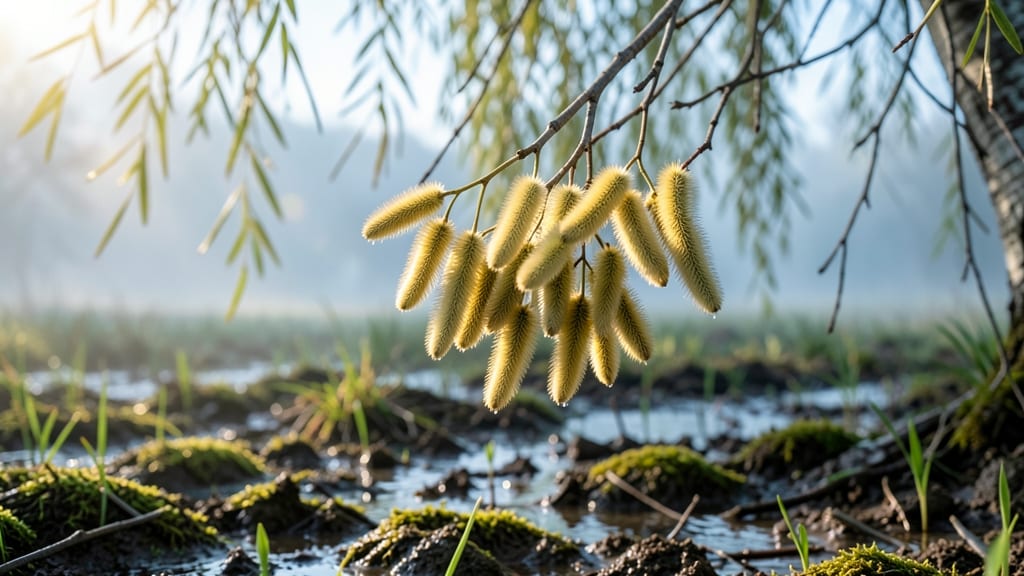
Want to identify tree seed pods and nurture them into a thriving forest? These 10 distinctive seed pods offer visual clues to help you recognize, collect, and cultivate native trees with ease—perfect for gardeners and eco-conscious growers alike.
Maple Helicoid Seed Pods
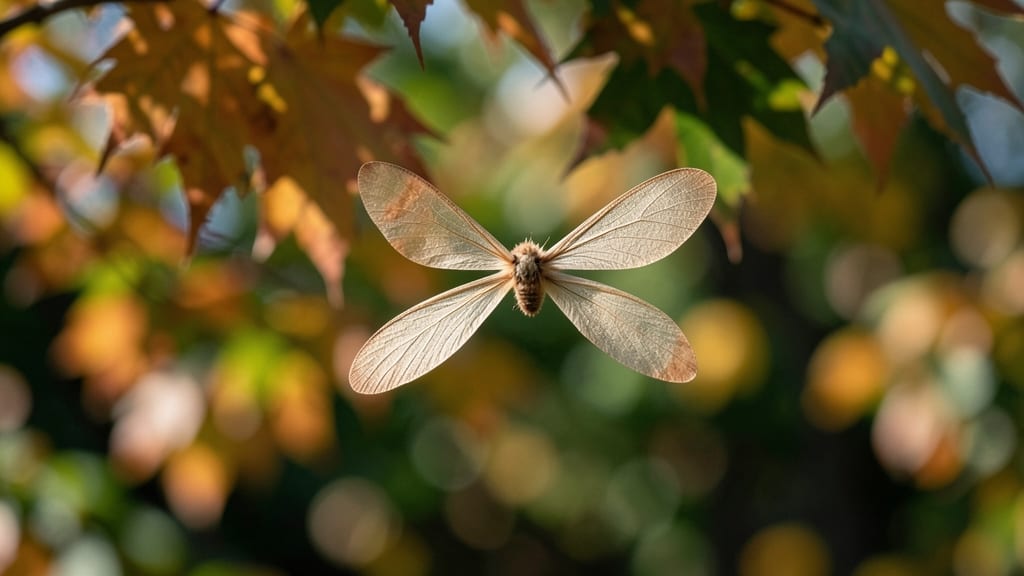
There’s something magical about watching those helicopter-like maple seeds twirl to the ground—now you can grow your own maple tree from them! These helicoid seed pods (or samaras) are nature’s way of dispersing maple seeds, and they’re one of the easiest tree seeds for beginners to start indoors or outdoors.
To begin, collect the pods in autumn when they’ve turned brown and are ready to fall. For indoor starts, plant them in a shallow container with moist potting mix, pressing the seeds lightly into the soil. Keep the soil consistently moist and place the container in a warm spot with bright, indirect light. Germination can take 2-4 weeks, and seedlings are hardy once established. Maple trees thrive in temperate climates and offer stunning fall foliage.
Perfect for urban gardeners or those with limited space, these seeds grow into majestic trees that provide shade and wildlife benefits. Give it a try—your future maple tree starts with a simple twirl! 🌱
Oak Acorn Seed Pods
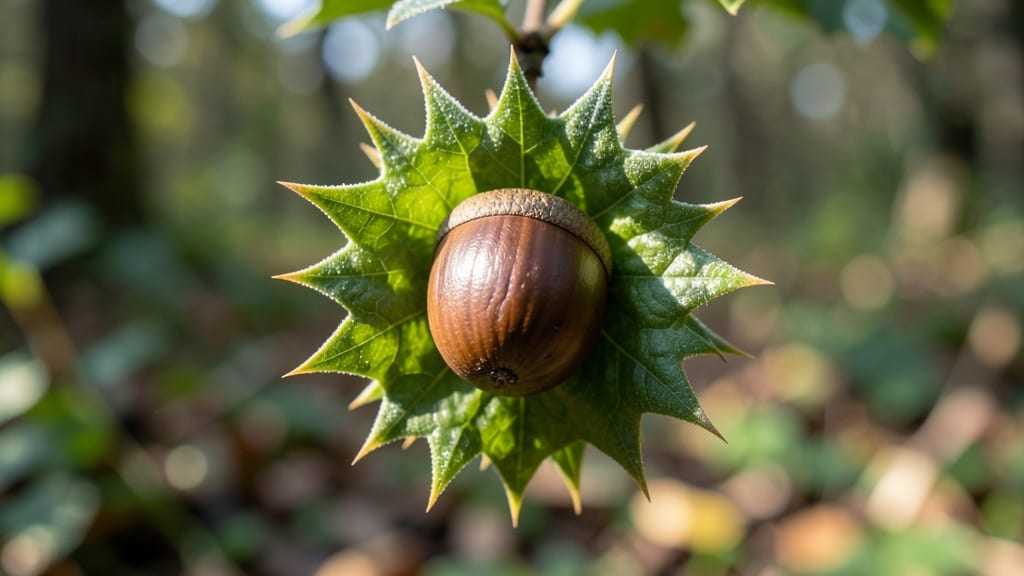
If you’ve ever spotted a heavy, cup-like acorn nestled in a spiky green husk, you’re holding one of nature’s most resilient seeds. Oak acorns are the ultimate symbol of endurance—capable of surviving harsh conditions to grow into majestic trees that provide long-term shade and wildlife habitat for decades.
To grow an oak from an acorn, start by collecting mature acorns (they should fall naturally in autumn) and removing them from their husks. Soak them in water for 24 hours to soften the shell, then plant them 1 inch deep in well-draining soil. Oak seedlings thrive in full sun and can take 1-2 years to sprout, but once established, they’re nearly indestructible. These trees support squirrels, birds, and insects, making them a cornerstone of any eco-friendly landscape.
Perfect for landowners, urban gardeners with space, and anyone dreaming of a future forest, oak acorns are a low-maintenance, high-reward investment in nature. 🌟
Dandelion Clock Seed Pods
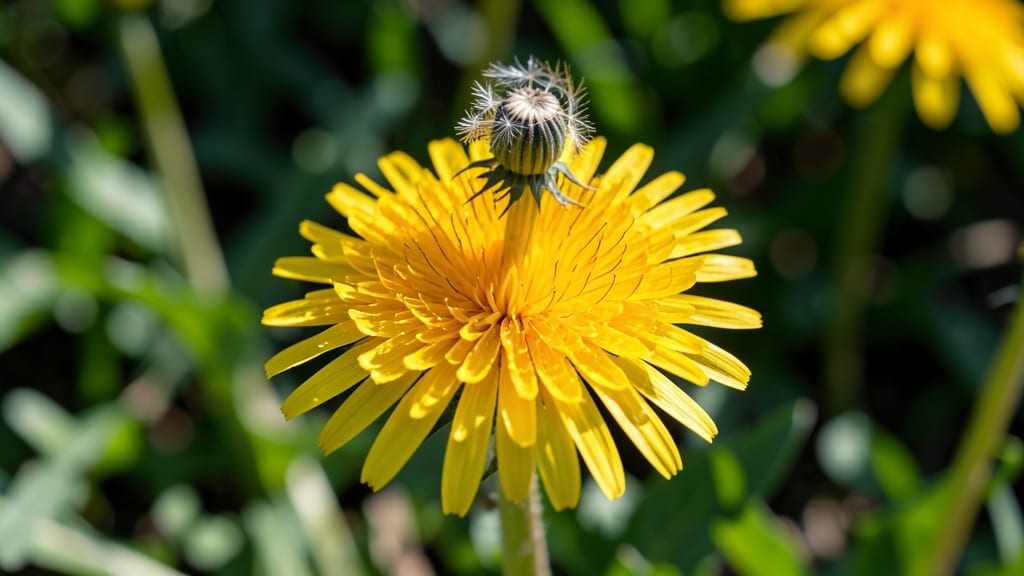
Skip the forest floor and start with the dandelion clock—those bright yellow puffballs aren’t just weeds, they’re a gardener’s secret weapon. While maple samaras and acorns dominate the tree seed pod spotlight, dandelions offer a beginner-friendly alternative with edible benefits and pollinator perks.
Collect the fluffy seed heads when they’re fully mature (typically late spring to early summer) and dry them indoors for 1-2 weeks. The seeds are rich in vitamins A and C, and you can scatter them in any soil type—urban cracks, rural fields, or even container gardens. These self-sowing champions thrive in full sun to partial shade and attract bees, butterflies, and birds within days of planting.
Perfect for kids, urban gardeners, or anyone tired of store-bought greens, dandelion clocks turn "weeds" into a free, nutritious harvest while supporting local ecosystems. 🌱
Pinecone Seed Pods
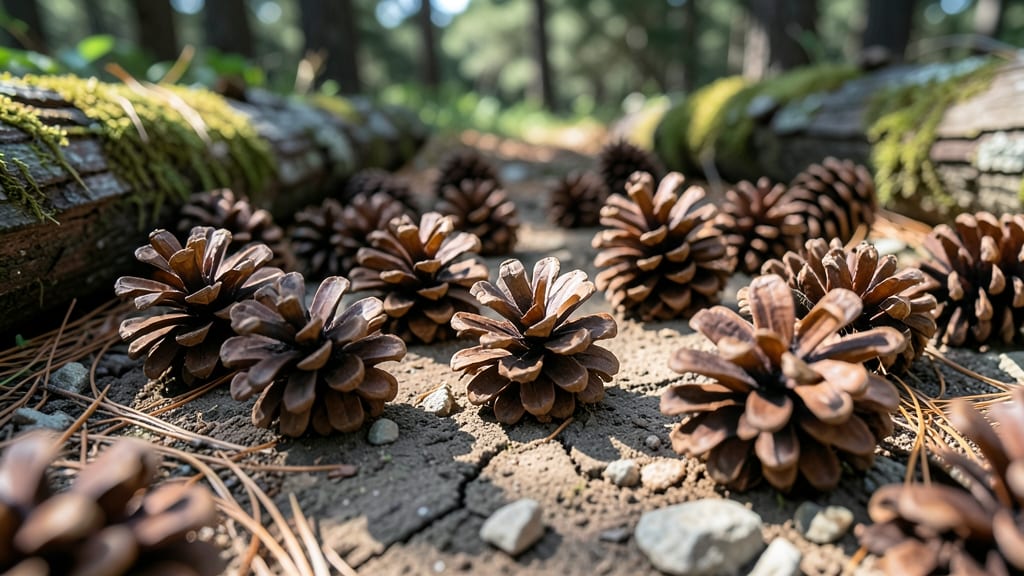
If you’ve ever walked through a forest and marveled at the pinecone’s rugged charm, you’re holding a dual-purpose treasure. These durable, aromatic seed pods aren’t just decorative—they’re the key to growing drought-resistant pine trees that thrive in rocky or dry soils where other trees struggle.
To use pinecones for cultivation, start by selecting closed, mature cones (they should feel heavy and resist opening). Soak them in warm water for 24 hours to soften the scales, then sow the seeds in well-draining soil. Pine trees are slow growers but reward you with evergreen foliage and fragrant wood for decades. For crafting, dry cones outdoors and use them in wreaths, centerpieces, or bird feeders—their piney scent even repels pests naturally.
Perfect for landscapers, homesteaders, or DIY enthusiasts, pinecones bridge the gap between functional gardening and creative projects. Their versatility makes them a must-have for any outdoor space. 🌟
Milkweed Seed Pods
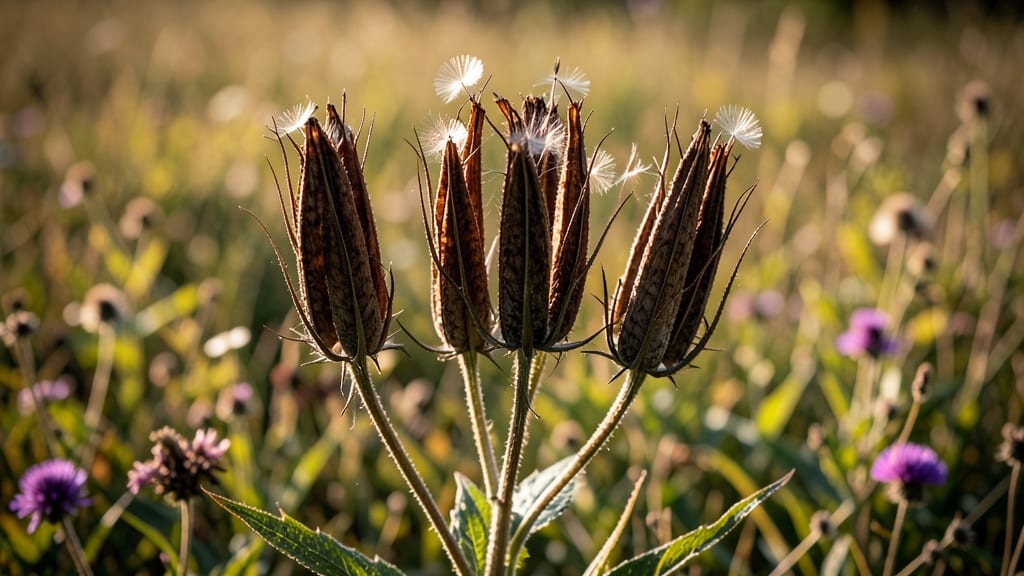
If you’re designing a pollinator-friendly garden, milkweed seed pods are your secret weapon. These striking, spiky papery pods aren’t just visually captivating—they’re the lifeline for monarch butterflies, whose populations depend on them for survival.
Collect pods when they turn brown and split open naturally, revealing fluffy white seeds. Plant them in full sun with well-draining soil, and watch as they attract butterflies and bees all season long. Milkweed thrives in drought conditions, making it perfect for low-maintenance landscapes.
Urban gardeners and eco-conscious landscapers will love how these pods transform any space into a monarch magnet. Just add a few plants, and you’ll soon see fluttering visitors. 🌿
Birch Winged Seed Pods
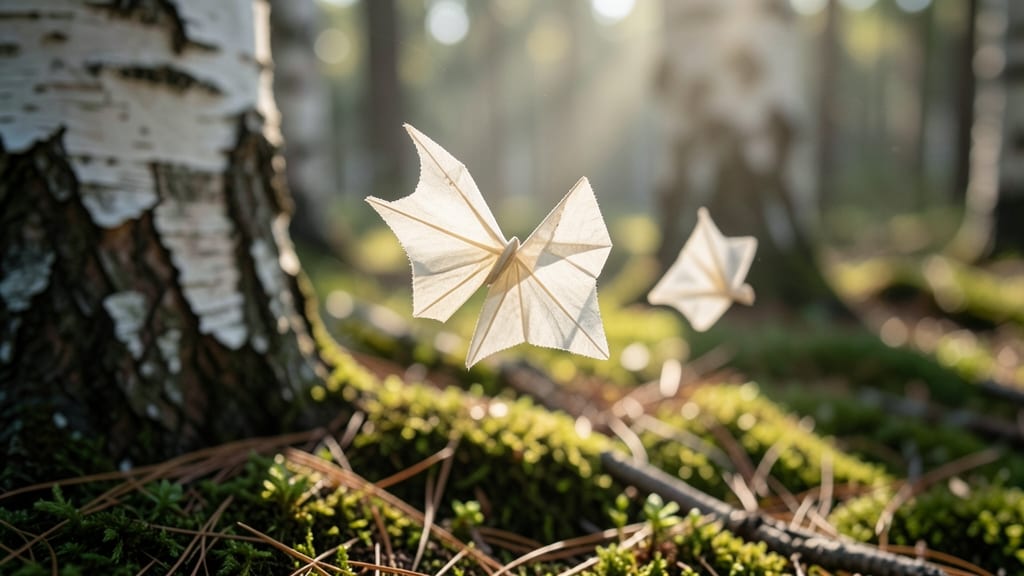
If you’ve ever spotted tiny, triangular seeds fluttering to the ground like delicate paper airplanes, those are birch winged seed pods—nature’s way of growing fast, adaptable trees with minimal fuss. These papery-winged seeds belong to birch trees, which thrive in everything from soggy wetlands to dry, rocky slopes, making them a versatile choice for almost any garden.
To grow birch trees from seed, simply collect the pods when they’re fully mature (late summer to early fall) and plant them directly in well-draining soil. The winged design ensures they disperse easily, but you can also sow them in a shallow trench or light mulch. Birch trees grow quickly—some species can reach 6 feet in just 5 years—and their peeling bark adds striking texture to landscapes.
Perfect for urban gardeners, woodland restoration projects, or anyone craving a low-maintenance tree, birch seeds are a great way to add beauty and biodiversity without the hassle. 🌱
Sweetgum Spiky Seed Pods
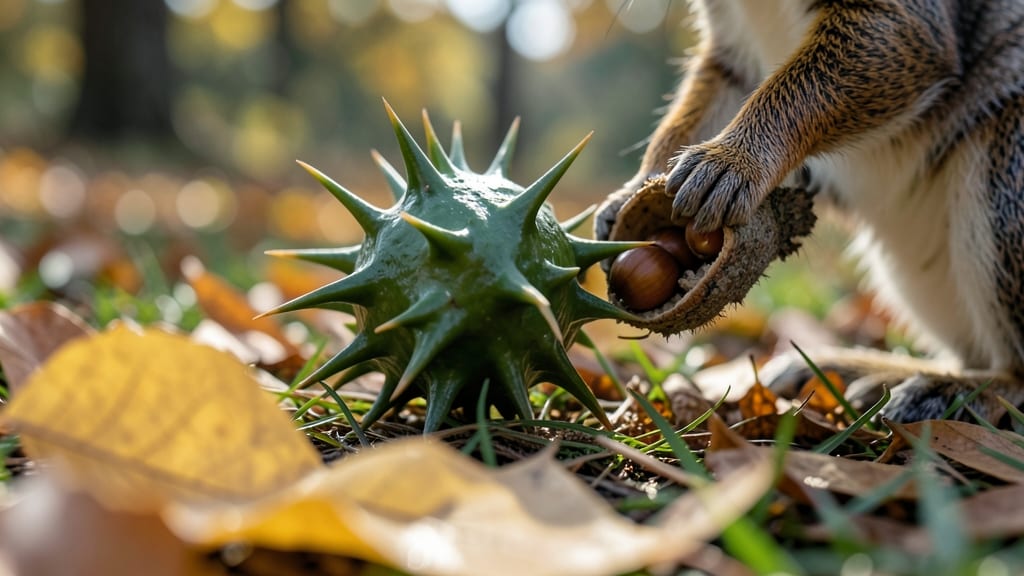
If you’ve ever spotted a spiky green ball rolling across your yard in autumn, you’ve likely encountered a sweetgum seed pod. These distinctive, star-shaped pods aren’t just eye-catching—they’re a wildlife magnet, especially for squirrels who adore their nutritious seeds.
Sweetgum trees (Liquidambar styraciflua) produce these 1.5-inch-wide pods in late summer, which turn brown and split open in fall. The pods thrive in full sun to partial shade and tolerate a wide range of soil types, making them ideal for urban or rural landscapes. Planting these seeds can yield a tree that grows up to 75 feet tall, providing year-round shade with stunning fall foliage.
Perfect for gardeners who want to support local wildlife while adding a striking tree to their property, sweetgum seed pods are a low-maintenance choice that pays off in both beauty and ecosystem benefits. 🌟
Poplar Fluffy Seed Pods
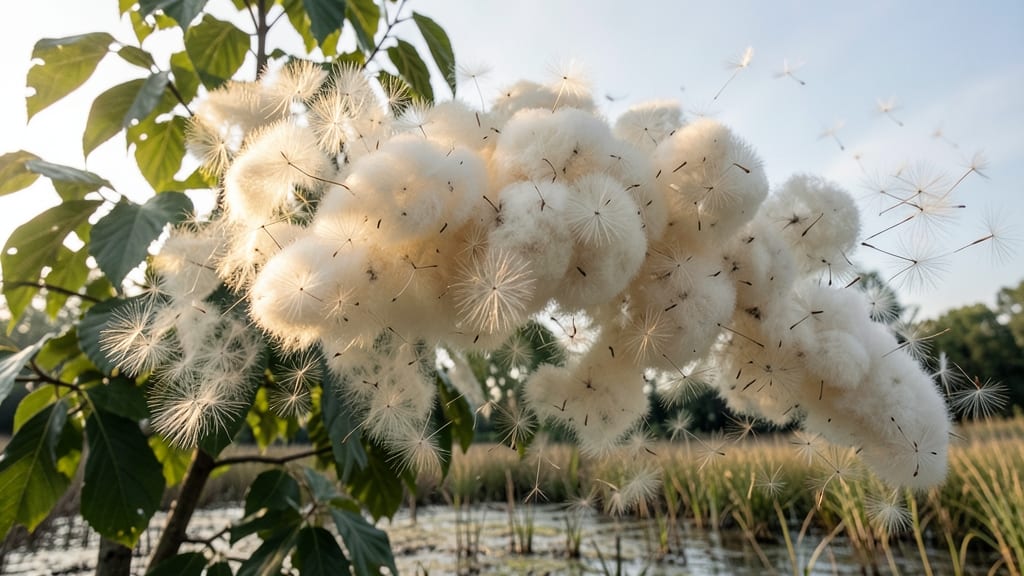
If you’ve ever spotted a cloud of cotton-like fluff drifting through the air, you’ve likely seen poplar fluffy seed pods in action. These lightweight, airborne seeds belong to fast-growing poplar trees, which are perfect for adding quick shade to wet or soggy areas where other trees struggle.
Poplar seed pods release their seeds in late spring, creating a dramatic, snow-like display. The seeds themselves are tiny and downy, making them easy to collect by gently shaking branches over a sheet. Once planted, poplar trees grow rapidly—up to 3 feet per year—and thrive in moist soil, making them ideal for riparian zones, rain gardens, or areas prone to flooding.
For gardeners looking to restore wetlands or add fast shade, poplar seed pods are a game-changer. Their lightweight nature also makes them a fun, hands-on project for kids learning about tree propagation. 🌿
Honey Locust Seed Pods
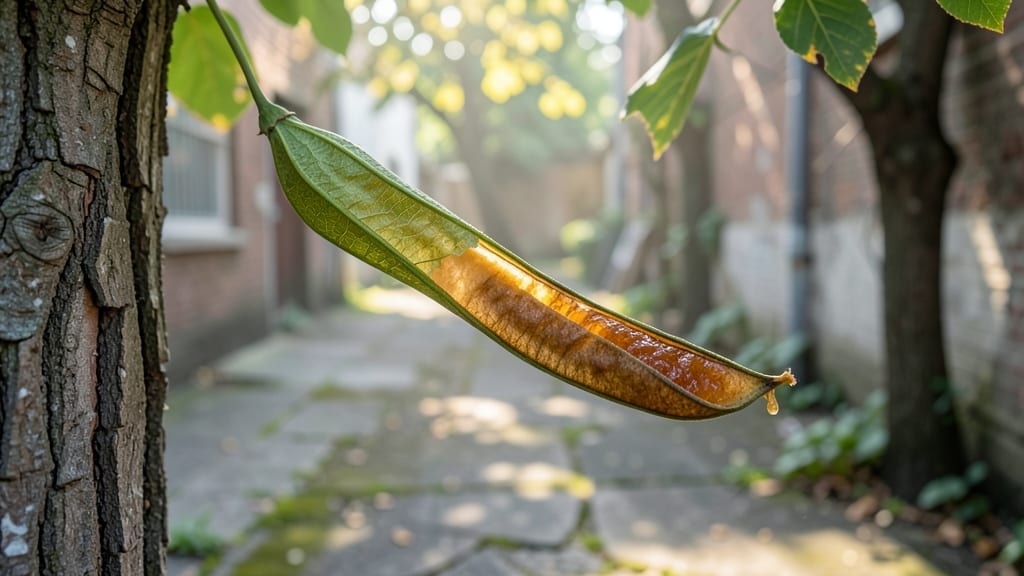
Looking for a seed pod that’s both functional and fun? The honey locust produces long, flat pods packed with sweet, edible pulp that’s a hidden gem for urban gardeners and wildlife lovers alike. These pods are easy to spot in late summer when they turn from green to brown and split open to reveal their treasures.
Collect mature pods when they’re dry and brown, then soak them in water for a few days to soften the pulp before enjoying it fresh or using it in jams. The seeds inside can be planted directly in well-draining soil, and the tree thrives in urban environments with minimal care. Just be mindful—while the pods are edible, the seeds contain toxins that should be removed before eating.
Perfect for small spaces or wildlife-friendly landscapes, honey locust trees grow quickly and provide shade while attracting birds and small mammals. 🌱
Willow Catkin Seed Pods

If you're looking to transform a soggy or eroding area into a lush, natural landscape, willow catkin seed pods are your secret weapon. These fuzzy, golden clusters aren’t just pretty—they’re nature’s way of stabilizing waterways while adding beauty to your garden.
Willow trees thrive in wet soils and grow with remarkable speed, making them ideal for erosion control along streams, ponds, or rain gardens. Collect catkins in late winter before they release seeds, then soak them overnight to break dormancy. Plant directly in moist soil, and watch roots take hold within weeks. Their flexible branches also make them perfect for living fences or privacy screens.
Perfect for eco-conscious gardeners or those restoring wetlands, willow catkins offer both practical benefits and striking seasonal interest. 🌱