
How To
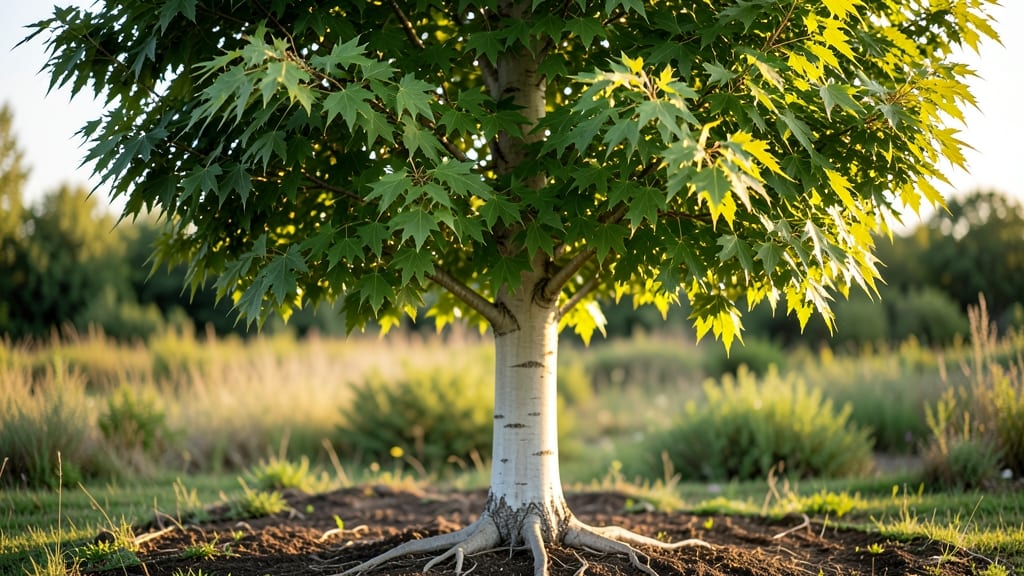
Poplar trees grow to how tall does a poplar tree grow heights that can reach 50 to 120 feet—some varieties like the Eastern Cottonwood shooting up 6 to 8 feet per year in ideal conditions.
If you’re dreaming of a towering shade provider or a fast-growing privacy screen, these trees deliver—but not all poplars grow the same. Their mature heights vary dramatically by species, with some reaching 100 feet in just a decade.
Choosing the right variety depends on your space and goals. Fast growers like the Lombardy Poplar can top out at 100 feet, while others like the Black Poplar stay shorter, around 60 feet. Soil, climate, and pruning all play a role in how tall they’ll grow.
Below, I break down the exact height ranges for the fastest-growing varieties, how to pick the best one for your yard, and tips to manage their rapid growth—so you can plant with confidence.


Exact height ranges for fastest-growing poplar tree varieties
Poplar trees are among the fastest-growing trees on the planet, with some varieties shooting up 6–10 feet annually in ideal conditions. If you're planning a privacy screen or shade solution, knowing the exact height ranges will help you choose the right variety for your space.
The Eastern Cottonwood and Lombardy Poplar top the charts for speed, while others like the Black Poplar offer stunning foliage but grow slightly slower. Let’s break down their mature heights, growth rates, and ideal climates.
One key factor to consider is your USDA hardiness zone. Most poplars thrive in zones 4–9, but some varieties, like the Black Poplar, prefer cooler climates. If you live in a hot, dry region, you’ll need to provide extra water to support their rapid growth.
Always plant in well-draining soil to avoid root rot, which can stunt height gains significantly.
Here’s how the top 5 fastest-growing poplar varieties compare in height:
| Variety | Mature Height (ft) | Annual Growth (ft) | Ideal Climate (USDA Zones) | Best For |
|---|---|---|---|---|
| Eastern Cottonwood | 80–100 ft | 6–10 ft | 4–9 | Fast privacy screens |
| Lombardy Poplar | 50–70 ft | 5–8 ft | 5–9 | Narrow spaces |
| Black Poplar | 60–80 ft | 4–6 ft | 3–7 | Ornamental value |
| Balsam Poplar | 50–65 ft | 3–5 ft | 2–6 | Cold climates |
| White Poplar | 40–60 ft | 2–4 ft | 5–8 | Small gardens |
The Eastern Cottonwood is the undisputed champion for height, often reaching 100 feet in just 10–15 years. This makes it ideal for large properties where you need a quick privacy barrier.
However, its aggressive root system can disrupt nearby structures, so plant it at least 30 feet from buildings. If space is limited, the Lombardy Poplar is a slimmer alternative, growing 50–70 feet tall but with a narrow, columnar shape perfect for tight yards.
For those in cooler climates, the Black Poplar is a stunning choice, offering dark, textured bark and golden fall foliage. While it grows slightly slower (4–6 feet per year), its ornamental value makes it worth the wait.
If you’re in a USDA Zone 2–6, the Balsam Poplar is another cold-hardy option, thriving in regions where other poplars might struggle.
If you’re working with a small garden or urban space, the White Poplar is the most manageable, topping out at 40–60 feet. It’s also more drought-tolerant than other varieties, making it a low-maintenance pick for dry climates.
Just be aware that all poplars produce cottony seeds in spring, which can be messy—plant them away from patios or walkways.
To maximize growth, plant your poplar in full sun and moist, fertile soil. Avoid waterlogged areas, as popl
How to choose a poplar tree based on height and growth speed
Choosing the right poplar tree depends entirely on your space and goals. Some varieties like the Lombardy Poplar shoot up 6-8 feet annually, while others like the White Poplar grow slower but live longer.
Before planting, measure your yard and check local height restrictions—some neighborhoods cap trees at 30 feet for power line safety.
Poplar trees thrive in full sun and moist, well-draining soil, but their root systems can become invasive. If you have clay soil or limited space, consider container-grown poplars (though they’ll still need pruning). Always research your specific variety’s mature height—some reach 100 feet!
⚠️ WARNING: Poplar Trees Can Become Problematic ⚠️
⚠️ Height surprises are common! Even "small" poplar varieties like Balsam Poplar can exceed 50 feet in ideal conditions. Lombardy Poplars (30-50 ft) may seem compact, but their aggressive root systems can damage sidewalks or foundations. Always plant at least 20 feet from structures. Fast growth means quick shade, but also frequent pruning to control spread.
For urban gardens, prioritize Black Poplar (40-60 ft) or White Poplar (50-70 ft) for their slower growth. If you need a privacy screen fast, Eastern Cottonwood (60-100 ft) grows 8 feet per year but requires regular pruning.
Always check your local frost dates—poplars planted too late may struggle in USDA Zone 5 or colder.
Common mistakes include planting poplars too close to septic systems or driveways—their roots spread 3-5 times wider than their canopy.
If you’re unsure, consult your local extension office for soil tests and variety recommendations. Mulching helps retain moisture, but keep mulch 3 inches away from the trunk to prevent rot.
Remember: Poplar trees are short-lived (30-50 years) compared to oaks or maples. If you want long-term investment, pair a poplar with slower-growing trees like Japanese Maple or Crabapple for balanced landscaping. Always prune in late winter to encourage healthy growth and shape.
Start small with a container-grown sapling if space is tight, but be prepared for rapid vertical expansion. With the right variety and care, your poplar will provide years of shade and beauty—just plan for its eventual size early! 🌳