
How To
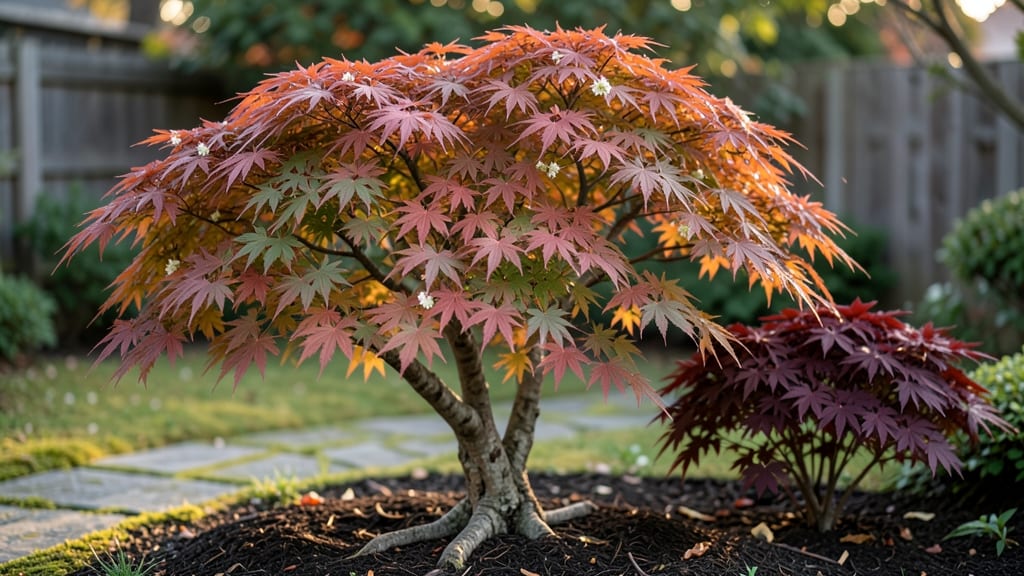
A Japanese maple tree can grow tall anywhere from 8 feet to over 30 feet at maturity, depending on the variety you choose—so picking the right one for your space is everything.
If you’re dreaming of a stunning Japanese maple tree but unsure how much space it’ll need, you’re not alone. Many gardeners overlook how dramatically varieties differ in height, from dwarf specimens perfect for small yards to towering giants that command entire landscapes.
Understanding these growth patterns is key to choosing the right tree for your garden. Whether you’re working with a small urban patio or a sprawling backyard, knowing the mature size of your Japanese maple 🌿 will help you plan for years of vibrant foliage and seasonal color.
In this guide, I’ll break down the height ranges by variety, share tips to control growth through pruning, and help you pick the perfect size for your landscape—no guesswork required.


Japanese maple tree height ranges by variety: small to giant sizes
Choosing a Japanese maple tree often comes down to one critical question: how tall will it grow? The answer varies wildly—from compact dwarf varieties perfect for patio pots to towering specimens that rival small apartment buildings.
These differences aren’t just about aesthetics; they determine planting locations, long-term maintenance, and even neighborhood compatibility.
For instance, the Emperor I variety can reach 20-30 feet tall at maturity, while the Shishigashira stays under 6 feet.
Understanding these ranges helps you avoid costly mistakes like planting a large weeping variety too close to your driveway or a dwarf cultivar where it’ll be overshadowed by other plants.
Growth habits also play a huge role. Some varieties grow upright and columnar, others weep dramatically, and a few spread wide like low-growing shrubs. Let’s break down the most popular categories—dwarf, medium, and giant—so you can pick the perfect fit for your space.
If you’re working with limited space, focus on dwarf varieties like 'Shishigashira' or 'Seiryu'. These stay under 10 feet tall and thrive in containers or small garden beds.
Their weeping branches create stunning visual interest without overwhelming your yard, making them ideal for patio gardens or balcony plantings.
For medium-sized yards, varieties like 'Bloodgood' or 'Crimson Queen' strike the perfect balance. They reach 15-25 feet tall but maintain a compact, rounded shape, fitting neatly into landscape designs without requiring a full-acre property. These are my go-to choices for backyard focal points or privacy screens.
When you’re dealing with large properties, don’t overlook the giant varieties. Trees like 'Emperor I' can dominate a landscape with heights up to 30 feet. Their upright, columnar growth makes them perfect for park-like settings or large estate gardens.
Just remember: these aren’t trees you can plant impulsively—they need ample root space and long-term planning.
One critical factor often overlooked is spreading width. Even dwarf varieties can spread 8-10 feet wide, while large weeping types may reach 15 feet or more in diameter. Always check the mature spread when selecting a tree to avoid crowding issues with sidewalks, driveways, or other plants.
Pro tip: If you’re unsure about long-term growth, start with a smaller variety and prune selectively to control height. Many Japanese maples respond well to pruning, allowing you to shape them over time.
Just avoid heavy pruning in late summer or fall, as this can stunt new growth and weaken the tree.
🌿
How fast Japanese maple trees grow: growth rates by age and variety
Japanese maple trees (Acer palmatum) are known for their stunning foliage, but their growth rates vary dramatically depending on the variety and age. While some varieties grow just a few inches per year, others can shoot up 12+ inches annually during their youth.
Understanding these patterns helps you plan your garden layout and manage expectations for your new sapling.
In their first 5 years, most Japanese maples grow the fastest, with annual height increases ranging from 6 to 24 inches. After reaching maturity (typically 10+ years), growth slows significantly, with some varieties adding only 1-3 inches per year.
This makes early years critical for shaping their final size and form.
| Variety | Annual Growth (First 5 Years) | Mature Height | Growth Rate After Maturity |
|---|---|---|---|
| 'Bloodgood' | 12-18 inches | 15-25 ft | 3-6 inches/year |
| 'Emperor I' | 6-12 inches | 10-15 ft | 1-3 inches/year |
| 'Crimson Queen' | 8-12 inches | 8-12 ft | 1-2 inches/year |
| 'Shishigashira' | 4-8 inches | 6-10 ft | 1 inch/year or less |
| 'Viridis' | 10-15 inches | 20-30 ft | 4-8 inches/year |
Slow-growing varieties like 'Shishigashira' or 'Crimson Queen' are perfect for small gardens or bonsai projects, while faster growers like 'Viridis' need space to spread their roots and branches. If you're growing a weeping variety, account for their wider spread, even if their height is modest.
Your local climate plays a huge role in growth speed. Japanese maples thrive in USDA Zones 5-8, where mild winters and moderate summers encourage steady growth.
In warmer climates (Zone 9+), growth may slow due to heat stress, while cooler regions (Zone 4) can see stunted growth if winters are harsh. Always choose a variety suited to your zone.
Proper soil conditions and pruning habits can accelerate or slow growth. Well-draining, slightly acidic soil (pH 6.0-6.5) with organic matter promotes faster, healthier growth. Pruning in late winter or early spring helps maintain shape and encourages bushier growth, while heavy pruning can stunt height gains.
For bonsai enthusiasts, varieties like 'Shishigashira' or 'Koto-no-niwa' are ideal because their slow growth makes them easier to shape over time. If you're planting for quick shade, opt for 'Bloodgood' or 'Viridis', but be prepared to prune regularly to control their size.