
Container Gardens
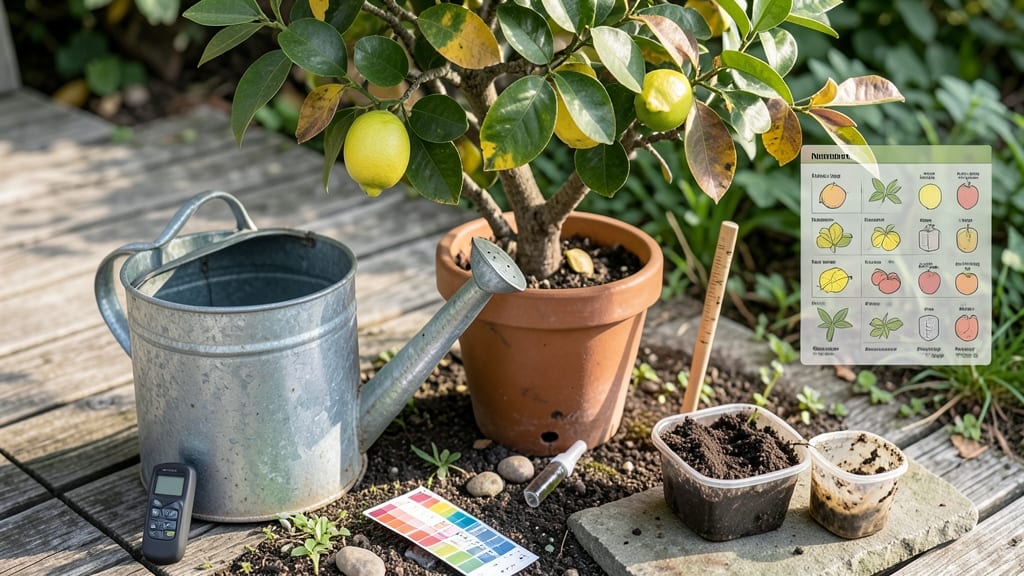
Your potted lemon tree losing leaves isn't a death sentence—it's a cry for help from its roots. 🌱 I've nursed back more than a few of these citrus divas, and the difference between a sad, bare plant and a thriving one often comes down to what's happening below the soil line.
The good news? Most cases are fixable with the right diagnosis and care.
Overwatering drowns roots, turning leaves yellow and mushy, while underwatering causes crispy brown edges. Pests like spider mites or scale leave sticky residue and stunted growth, while fungal issues create dark spots or moldy stems.
The first step is checking the soil moisture—stick your finger in: if it's soggy, you're overdoing it; if it's bone-dry, it's time to water deeply and consistently.
Once you've ruled out water issues, inspect the leaves and stems for pests or disease. A strong blast of water can knock off spider mites, while neem oil tackles fungal problems.
The key is acting fast—within a week of noticing leaf loss, you can often reverse the damage and restore that vibrant green canopy you love.
Prevention is simpler than rescue: well-draining soil, a pot with drainage holes, and a watering routine that mimics Mediterranean conditions (water when the top inch is dry). With these adjustments, your lemon tree will bounce back—and you'll keep those glossy leaves year-round.
Root Causes Behind Leaf Loss
When your potted lemon tree starts shedding leaves, it’s often a cry for help from its roots—or something disrupting its delicate balance. Understanding the why behind the problem is the first step to reviving your tree.
Below, we break down the most common culprits, from environmental stressors to care mistakes, with clear explanations of how they trigger leaf drop.
Lemon trees thrive in well-draining soil, and when roots sit in soggy conditions, they suffocate. Overwatering or containers without drainage holes create anaerobic conditions, where roots can’t absorb oxygen. This leads to:
- Root rot (fungal/bacterial infections like Phytophthora or Pythium), which blocks nutrient uptake.
- Leaf yellowing (chlorosis) as the tree struggles to transport chlorophyll.
- Premature leaf drop as the tree conserves energy.
💡 Pro Tip: Stick your finger 2 inches into the soil—if it’s damp, wait to water. Lemon trees prefer dry soil between waterings (about once a week in summer, less in winter). If your pot lacks drainage, add a layer of perlite or gravel at the bottom or repot into a container with holes.
Lemon trees are sun-lovers, but they can’t handle sudden shifts or scorching heat. Leaf loss often signals:
- Cold shock: Temperatures below 40°F (4°C) cause chilling injury, disrupting cell membranes and leading to brown, crispy leaves.
- Heat stress: Direct midday sun (especially in 90°F+ (32°C+) climates) burns leaves, causing scorched edges and premature drop.
- Windburn: Drafty spots or strong winds dry out leaves, making them brittle and prone to falling.
🌡️ Fix It: Move your tree to a spot with morning sun and afternoon shade in extreme heat. In winter, keep it indoors near a south-facing window or use a frost cloth if outdoors. Avoid placing it near AC vents or drafty doors.
Leaves are the tree’s nutrient factories, and imbalances send them into panic mode. Common deficiencies triggering leaf loss:
| Nutrient Deficiency | Leaf Symptoms | Solution |
|---|---|---|
| Nitrogen (N) | Yellowing older leaves (chlorosis), stunted growth | Use a balanced citrus fertilizer (e.g., 6-6-6) every 4–6 weeks in growing season. |
| Iron (Fe) | Yellow new leaves with green veins (interveinal chlorosis) | Apply chelated iron or use acidic fertilizer (pH 6.0–7.0). Lemon trees need low pH to absorb iron. |
| Potassium (K) | Brown leaf edges (scorch), weak stems | Use a potassium-rich fertilizer or add wood ash (sparingly). |
| Over-Fertilization | Leaf curl or burn (fertilizer salt buildup), roots damaged | Flush soil with water to leach excess salts. Reduce fertilizer to half-strength and water thoroughly after applying. |
✨ Expert Tip: Test your soil’s pH—lemon trees prefer slightly acidic to neutral (6.0–7.0). If your soil is alkaline, amend with sulfur or peat moss to improve nutrient uptake.
Hidden beneath the soil, root pests and pathogens can silently sabotage your tree’s health. Watch for:
- Root weevils or grubs: Chew on roots, reducing water/nutrient absorption. Leaves turn yellow and drop.
- Fungal root rot (e.g., Armillaria): Causes mushy, black roots and wilting leaves.
- Scale insects or mealybugs: While often seen on leaves, they can infest roots, weakening the tree.
🔪 Treat It: Inspect roots during repotting. Prune black/mushy roots with sterilized scissors. For pests, use neem oil (1 tsp per gallon of water) or beneficial nematodes. Improve drainage to prevent fungal growth.
Even well-cared-for lemon trees can drop leaves after repotting or when root-bound. Here’s why:
- Root circling: Roots grow in tight loops, strangling themselves and limiting nutrient flow.
- Disturbed root zone: Repotting damages fine root hairs, slowing recovery.
- Sudden environment change: Moving from indoors to outdoors (or vice versa) stresses the tree.
🌱 Recovery Steps: When repotting, trim 1/3 of roots to encourage new growth. Use a pot only 2 inches larger than the current one. After repotting, avoid watering for 3–5 days to let roots heal. Gradually acclimate the tree to outdoor conditions over 1–2 weeks.
Revive Your Lemon Tree Now
Watching your potted lemon tree shed leaves can feel like a slow-motion disaster, but don’t panic—most causes have simple fixes. Below, we break down the most common reasons your tree is dropping leaves, along with step-by-step solutions to bring it back to full, vibrant health. 🌿💚
If your lemon tree’s soil stays soggy for days, root rot can set in, causing leaves to yellow and drop. Overwatering is one of the fastest ways to kill a potted citrus tree.
🍳 How to Fix It
- Stop Watering Immediately – Let the top 2–3 inches of soil dry out completely before watering again.
- Check Drainage – Ensure your pot has drainage holes. If not, repot into one with holes or add a layer of gravel at the bottom.
- Repot if Necessary – If the roots smell foul or look mushy, trim away the rotten parts with sterilized scissors and repot in fresh, well-draining soil.
- Adjust Watering Habits – Water only when the top inch of soil feels dry. Lemon trees prefer slightly dry conditions over soggy soil.
💡 Prevention Tips
- Use a moisture meter to track soil dryness.
- Choose pots with drainage holes to prevent waterlogging.
- Water in the morning so excess moisture evaporates during the day.
While overwatering is deadly, underwatering can also cause leaf drop as the tree conserves moisture. Brown, crispy edges on leaves are a dead giveaway.
👨🍳 How to Fix It
- Water Deeply and Thoroughly – Soak the soil until water drains from the bottom of the pot. Repeat every 7–10 days, depending on climate.
- Mulch the Soil – Add a 1-inch layer of organic mulch (like bark chips) to retain moisture.
- Move to a Shadier Spot – Direct sun can dry out soil faster. Provide afternoon shade if your tree is in a hot, sunny location.
💡 Prevention Tips
- Group potted lemon trees together to create a microclimate that retains humidity.
- Use self-watering pots for consistency, especially in dry climates.
- Monitor soil moisture with your finger—if it’s bone-dry below the surface, it’s time to water.
Lemon trees thrive in warmth but can’t handle sudden temperature drops, cold drafts, or heatwaves. If leaves turn brown and fall off quickly, your tree might be struggling with stress from extreme conditions.
⏰ How to Fix It
- Move to a Stable Environment – Keep your lemon tree in a spot with temperatures between 60–85°F (15–29°C). Avoid drafts from AC vents, heaters, or open windows.
- Protect from Cold Snaps – If temperatures drop below 50°F (10°C), bring the pot indoors or cover it with a frost cloth.
- Acclimate Gradually – If moving the tree outside after winter, do it slowly over 1–2 weeks to avoid shock.
💡 Prevention Tips
- Use a thermometer to monitor your tree’s environment.
- Place the pot on a saucer filled with pebbles and water to increase humidity.
- Avoid placing it near glass doors or windows where cold air collects.
Yellowing leaves, especially on younger growth, can signal a lack of essential nutrients like nitrogen, iron, or magnesium. Potted trees deplete soil faster than in-ground plants.
🍎 How to Fix It
- Fertilize Properly – Use a balanced citrus fertilizer (like 6-6-6 or 8-3-9) every 4–6 weeks during spring and summer. Reduce feeding in fall and winter.
- Test Your Soil – If leaves are pale yellow, your tree may need iron (use an iron chelate supplement). For brown spots, it might be magnesium (Epsom salt spray helps).
- Repot with Fresh Soil – If the tree has been in the same pot for over a year, repot into a slightly larger container with well-draining citrus mix.
💡 Prevention Tips
- Flush the soil every 3–4 months with water to prevent salt buildup from fertilizers.
- Use slow-release granules for steady nutrition.
- Avoid over-fertilizing—more isn’t better!
Spider mites, aphids, and fungal diseases like root rot or leaf spot can cause sudden leaf drop. Check the undersides of leaves for tiny webs, holes, or discoloration.
🔪 How to Fix It
- Isolate the Tree – Move it away from other plants to prevent pest spread.
- Spray with Neem Oil – Mix 1 tsp neem oil + 1 tsp mild soap in 1 quart of water. Spray thoroughly on leaves (repeat every 7–10 days).
- Prune Infested Leaves – Cut off heavily damaged leaves and dispose of them in sealed bags.
- Treat Fungal Issues – For root rot or leaf spot, apply copper fungicide as directed.
💡 Prevention Tips
- Inspect new plants before bringing them home.
- Keep the area around the pot clean to reduce pest habitats.
- Water at the base (not overhead) to prevent fungal spores from spreading.
With these fixes, your lemon tree should start regaining its lush, green canopy in 2–4 weeks. Stay consistent with care, and soon you’ll be harvesting sweet, homegrown lemons instead of mourning lost leaves! 🍋✨
Frequently asked questions
Why are my potted lemon tree's leaves turning yellow before falling?
Yellowing leaves before dropping usually indicate overwatering or nutrient deficiencies. Check the soil—if it's soggy, roots may be suffocating from poor drainage. For yellowing, test for iron deficiency (new leaves yellow with green veins) or nitrogen shortage (older leaves yellow first). Adjust watering and fertilize with citrus-specific nutrients.
Can I save my lemon tree if it's completely bare?
Yes! A bare lemon tree can recover if the roots are healthy. Prune back any dead branches, then focus on repotting with fresh, well-draining soil and a balanced fertilizer. Keep it in bright, indirect light and water only when the top inch of soil is dry. New growth should appear in 4-6 weeks if the root system is intact.
What's the difference between leaf drop from pests vs. environmental stress?
Pest-related leaf drop often shows tiny webs, holes, or sticky residue on leaves (like aphids or spider mites). Environmental stress causes uniform browning (heat) or yellowing without spots (overwatering). Check leaf undersides for pests—if none are found, adjust watering, light, or temperature instead.
How often should I fertilize a lemon tree losing leaves?
Start with a light application of citrus fertilizer every 6 weeks during growing season (spring-fall). If leaves are yellowing, use an iron supplement (like chelated iron). Avoid fertilizing in winter—your tree needs to rest. Always water thoroughly after applying fertilizer to prevent root burn.
Is it normal for lemon trees to drop leaves in winter?
Some leaf drop is normal in winter as the tree enters dormancy, but excessive shedding signals stress. Keep your tree in 60-70°F (15-21°C) temperatures and reduce watering to every 2-3 weeks. Avoid fertilizing—focus on maintaining stable conditions until spring growth resumes.