
Trees
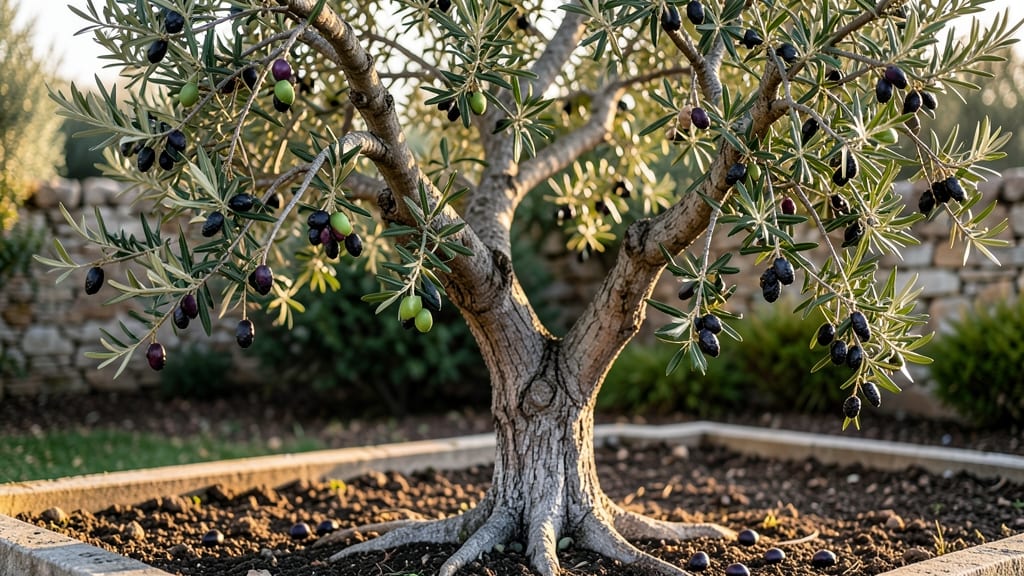
The stages of olive tree fruit development are a fascinating journey from delicate blossoms to rich, harvest-ready olives 🫒—but spotting the right moment to pick can feel like trying to guess a puzzle.
Picture this: your tree is heavy with fruit, but some olives stay stubbornly green while others darken to deep purple. That’s not just a matter of patience—it’s a sign your tree might need a little help with water, nutrients, or even pest control.
Knowing these stages isn’t just for harvest timing; it’s your early warning system for what’s going right (or wrong) with your olive tree’s growth.
In this guide, I’ll walk you through each phase—from the first bloom to the perfect ripeness—so you can spot the key visual cues (like color shifts and size changes) and avoid common mistakes that leave you with a mixed bag of olives.
Whether you’re growing for oil, table olives, or just the joy of watching nature unfold, this is your roadmap to a bountiful harvest.
You’ll also learn how to troubleshoot issues like uneven ripening or early fruit drop, plus the best time to fertilize or prune based on where your olives are in their cycle. Let’s turn that guesswork into confidence—so you can enjoy every stage of the process, from blossom to bottle.
Olive fruit development stages: month-by-month visual breakdown
Understanding the olive fruit development stages helps you time harvests perfectly and spot issues early. From tiny green olives in spring to deep purple-black fruit in fall, each phase reveals clues about your tree’s health.
Climate plays a huge role—Mediterranean regions like California see faster ripening than cooler zones, where olives may stay green longer.
In warmer climates (USDA Zones 9-10), olives often ripen by October-December, while Zone 8 trees may need until January. The key is watching for color shifts, size changes, and texture softening.
Below, I’ll break down each stage month-by-month, so you can predict harvests like a pro.
📅 Month-by-Month Olive Fruit Timeline
| Stage | Months (Zone 9) | Visual Cues | Size | Texture | Key Notes |
|---|---|---|---|---|---|
| Flowering | March-April | White/pink blossoms | 0.1" (tiny buds) | Soft, fuzzy | Pollination critical; wind or bees help |
| Fruit Set | April-May | Green pea-sized | 0.3-0.5" | Firm, shiny | Thin fruit may drop; prune for airflow |
| Rapid Growth | June-July | Bright green, oval | 0.8-1.2" | Slightly waxy | Water deeply; avoid over-fertilizing |
| Color Shift | August-Sept | Purple tinges appear | 1.2-1.8" | Slightly softer | Harvest window opens for early varieties |
| Ripening | October-Nov | Deep purple/black | 1.5-2.5" | Yields to gentle pressure | Ideal for table olives; oil varieties may stay green |
| Overripe | December+ | Black, wrinkled | 2.5"+ | Mushy, splits easily | Best for oil; table olives lose quality |
During flowering (March-April), your tree bursts with white-pink blossoms that eventually form tiny green olives. This stage is critical—poor pollination (from wind or bees) can lead to fruit drop.
If you notice fewer than 50% of blossoms setting fruit, check for pest damage or nutrient deficiencies like boron.
By June-July, olives grow rapidly to 0.8-1.2 inches and turn a vibrant bright green. This is when you’ll see the most size variation—some olives may stay small if the tree is water-stressed.
Deep watering (1-2 gallons per tree) prevents stunted growth. In hot climates, olives may ripen faster, so monitor closely
How to tell when olives are ready for harvest (by color, size, and taste)
Picking olives at the right moment makes all the difference between bitter table olives and rich olive oil. The key lies in three simple checks: color shifts, fruit size, and taste tests.
For example, 'Manzanillo' olives should reach 1.5–2.5 inches and turn deep purple-black, while 'Arbequina' olives stay green but soften for fresh eating. Ignoring these cues often leads to overripe fruit that falls prematurely or underripe olives that lack flavor.
Start by examining the color progression from bright green to deep purple or black. This change signals the oil content peaking—critical for both culinary and commercial harvests.
A quick size comparison (use a ruler) confirms maturity: olives smaller than 1 inch are too young, while those over 3 inches may split. Taste a few by squeezing gently—ripe olives yield slightly and have a mild, nutty flavor.
One common mistake is harvesting based solely on calendar dates—olives ripen later in cooler climates (e.g., USDA Zone 8) than in warm regions (e.g., Zone 10). For table olives, wait until they’re fully purple-black; for fresh eating, pick when still green but soft.
Overripe olives split easily and attract pests like the olive fruit fly, while underripe ones remain bitter and hard.
Adjust your harvest timing based on the intended use. For olive oil, pick when olives are 70–80% ripe (purple with some green). For curing table olives, harvest at 100% ripeness (deep purple-black).
Test a few olives by squeezing—they should yield slightly without breaking. If they’re still firm, wait 1–2 weeks and check again.
Pro tip: Use a harvest bag with soft padding to avoid bruising olives during picking. Shake branches gently to dislodge ripe fruit—if olives drop easily, they’re ready. For large trees, use pruning shears to snip clusters, leaving a short stem to prevent splitting.
Always harvest on a dry morning to minimize pest attraction and ensure even ripening across the tree.
Remember, patience is key. Rushing the harvest can ruin your yield, while waiting too long risks losing fruit to birds or pests. Keep a harvest journal to track color changes, size, and taste notes year after year—this helps predict the perfect timing for future seasons.
With practice, you’ll spot the ideal moment like a pro!