
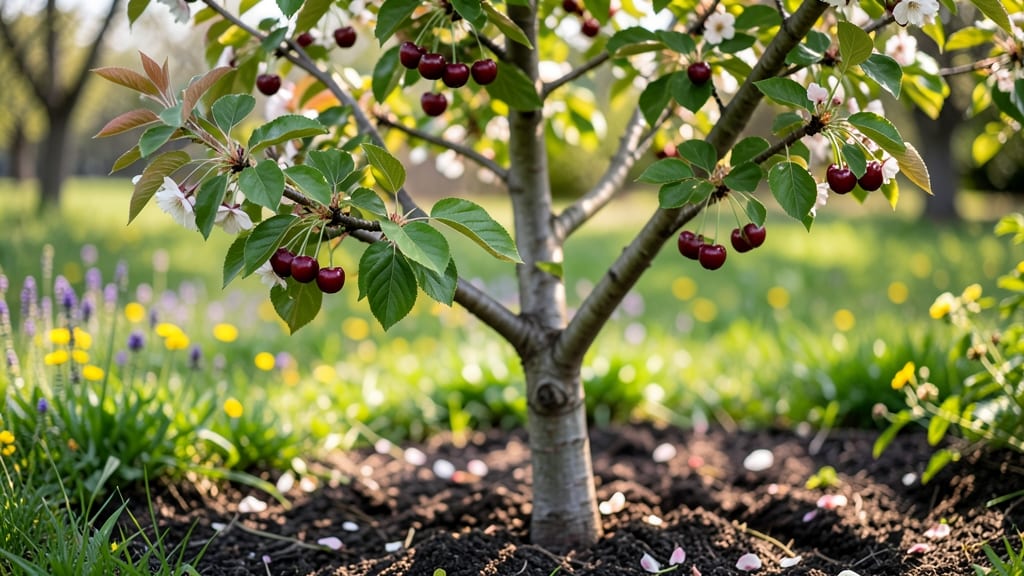
Cherry Tree How Long To Fruit: Fastest Varieties That Bear in 3 Years

How To

Cherry Tree How Long To Fruit: Fastest Varieties That Bear in 3 Years

A cherry tree can fruit in as few as 3 years with the right variety and care—far sooner than the 5–10 years many gardeners expect.

If you're dreaming of fresh, homegrown cherries but impatient to wait a decade, you’ll love these fast-growing varieties that bear fruit in just 3 years—or even sooner! The key lies in choosing the right cherry tree type, proper planting techniques, and ideal growing conditions.

Sweet cherries like 'Stella' or 'Bing' often fruit fastest in warmer climates (Zones 6–8), while tart varieties such as 'Montmorency' thrive in cooler areas and may take slightly longer. Soil pH, pruning, and pollination all play a role in speeding up the process.

Below, I’ll break down the fastest cherry tree varieties, pro tips to encourage early fruiting, and how your climate affects timing. Ready to skip the wait and enjoy your own 🍒 harvest?

Fastest cherry tree varieties that bear fruit in 3 years or less

Waiting a decade for cherries is a tough pill to swallow, but some fast-fruiting cherry varieties can reward you with fruit in just 3 years—or even earlier! The secret lies in selecting dwarf, self-pollinating, or cold-hardy varieties that mature quickly.

Whether you crave sweet Bing cherries or tart Montmorency for pies, there’s a variety that fits your timeline and climate. Let’s explore the fastest options and what makes them tick.

Not all cherry trees are created equal when it comes to speed. Sweet cherries like 'Stella' can produce fruit in 1-2 years, while sour cherries like 'Montmorency' typically take 3-4 years.

Dwarf varieties, such as 'Compact Stella,' are ideal for small gardens and containers, as they grow just 8-12 feet tall while still bearing fruit early. The key to faster fruiting? Choosing self-pollinating varieties or planting two compatible trees nearby to ensure pollination.

Your climate plays a huge role in fruiting speed. Cold-hardy varieties like 'Montmorency' thrive in USDA Zones 3-7, while warm-climate favorites like 'Bing' prefer Zones 5-9. If you live in a hotter region, opt for heat-tolerant varieties like 'Rainier' or 'Lapins,' which fruit reliably in 3-5 years.

For cooler areas, 'Stella' or 'Moregold' are excellent choices, bearing fruit in 2-3 years with proper care.

Pro tips to speed up cherry tree fruiting (even with standard varieties)

If your cherry tree feels like it’s moving at a snail’s pace toward fruiting, don’t worry—there are proven ways to accelerate fruit production even with standard varieties. The secret often lies in soil health, pruning strategy, and pollination support.

Many gardeners overlook these simple adjustments, which can shave years off your wait time for that first harvest. Let’s dive into the fastest methods to get your tree bearing fruit sooner.

First, soil pH plays a massive role in fruiting speed. Cherry trees thrive in slightly acidic soil with a pH between 6.0 and 6.5.

If your soil is too alkaline or acidic, your tree will struggle to absorb essential nutrients like phosphorus and iron, which are critical for fruit development. Test your soil and amend it with sulfur or lime as needed to hit that sweet spot.

A well-fed tree is a faster-fruiting tree!

🌱 Numbered Highlights: Pro Tips to Speed Up Fruiting

  1. 1. Soil Prep: Amend soil to pH 6.0-6.5 with compost and organic matter for faster nutrient uptake.
  2. 2. Prune for Fruit: Remove water sprouts and thin crowded branches to redirect energy to fruit production.
  3. 3. Hand-Pollinate: Use a soft brush to transfer pollen between flowers if bees are scarce in early spring.
  4. 4. Fertilize Smart: Apply a balanced 10-10-10 fertilizer in early spring and late summer to boost growth.
  5. 5. Mulch Well: Use 3-4 inches of mulch to retain moisture and regulate soil temperature for faster root development.

Pruning might seem counterintuitive when you’re eager for fruit, but strategic pruning actually speeds things up. Focus on removing water sprouts (those fast-growing, vertical shoots) and thinning out overcrowded branches. This allows more sunlight and air to reach the fruit-bearing wood, encouraging your tree to produce cherries faster.

In young trees, aim to open the canopy by cutting back branches that block light from the center. Just avoid heavy pruning in the fall, as it can stress the tree before winter.

Pollination is another hidden hurdle that often delays fruiting. If you’re in an area with few bees or unpredictable weather, consider hand-pollinating your cherry tree. On a dry, sunny day, use a soft paintbrush to transfer pollen from one flower to another.

Focus on early blooms, as these set the foundation for next year’s fruit. Even a few minutes of hand-pollination can dramatically increase your fruit set and get you closer to that first harvest.

Avoid these common mistakes that silently stall fruiting: over-fertilizing with high-nitrogen products (which promotes leafy growth over fruit), planting in shady spots, or ignoring pests like aphids that sap energy from your tree.

Instead, opt for a balanced fertilizer like 10-10-10 and ensure your tree gets at least 6 hours of sunlight daily. Regularly inspect leaves for pests or disease and treat issues promptly to keep your tree healthy and productive.

With these pro tips, you can shave years off your cherry tree’s fruiting timeline—even with standard varieties. Start with soil prep and pruning, then add pollination support and smart fertilizing. Before you know it, you’ll be picking fresh cherries straight from your own tree! 🍒

★★★★★5.0(12 reviews)
Categories How To
Variety Type Fruiting Time USDA Zone Size (Mature) Pollination
Stella Sweet 1-2 years 3-7 8-12 ft (dwarf) Self-pollinating
Compact Stella Sweet 2-3 years 4-7 6-8 ft (dwarf) Self-pollinating
Montmorency Sour 3-4 years 3-7 12-15 ft Self-pollinating
Moregold Sweet 3-4 years 5-8 12-15 ft Cross-pollinate
Bing Sweet 4-5 years 5-9 20-30 ft Cross-pollinate
Lapins Sweet 3-4 years 5-9