
How To
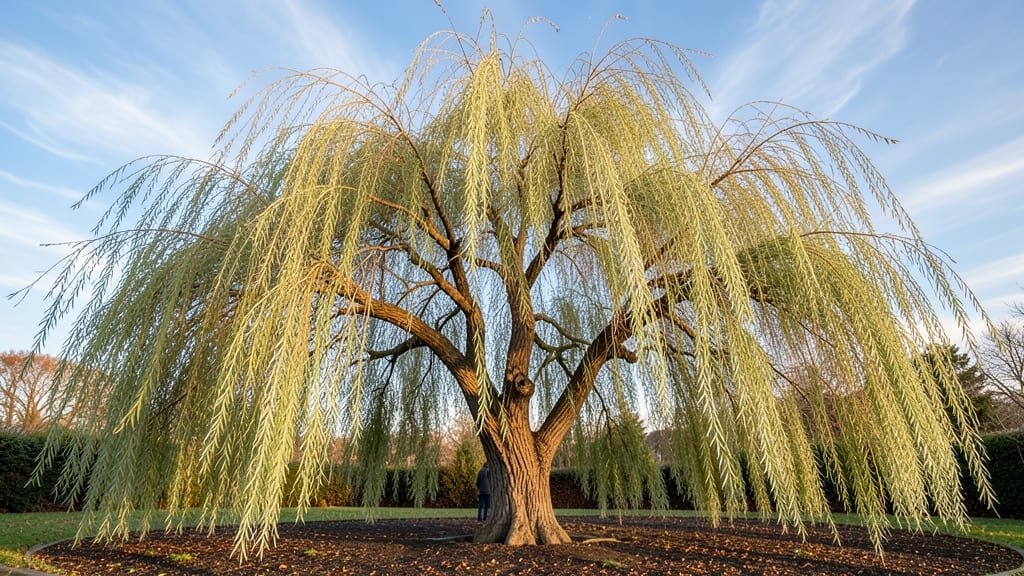
A willow tree’s growth can reach how tall does a willow tree grow to 50 feet or more, depending on the variety, making it one of the fastest-growing trees on Earth—but that speed comes with a catch.
Willow trees are among nature’s fastest-growing species, but their staggering height potential can be both a gardener’s dream and a property owner’s nightmare. Before planting one, understanding their mature height—and how quickly they reach it—is critical.
Some varieties, like the weeping willow, shoot up 10 feet per year in ideal conditions, while others stay compact. The key to controlling their size lies in soil, sunlight, and smart pruning.
Here’s how to choose the right variety for your space, predict growth rates, and keep a willow tree from outgrowing your yard.


Willow tree height by variety: fastest-growing species and their mature sizes
Willow trees are famous for their rapid growth, but not all varieties reach the same towering heights. Some varieties can grow over 100 feet tall, while others stay compact enough for small gardens.
Choosing the right species is key if you want a privacy screen or a dwarf accent plant. Let's explore the fastest-growing willows and their mature sizes to help you make an informed decision.
Understanding these variations helps avoid surprises—like a weeping willow that outgrows your yard in just a few years. Below, I’ve organized the most popular willow varieties by their growth potential, from dwarf varieties to the fastest-growing giants.
These measurements reflect average mature heights in ideal conditions, but growth rates can double in the first five years with proper care.
| Variety | Mature Height | Annual Growth Rate | Growth Habit | Best For |
|---|---|---|---|---|
| Weeping Willow (Salix babylonica) | 30-50 ft | 6-12 ft/year | Fast-growing, drooping branches | Ponds, large gardens, privacy screens |
| Crack Willow (Salix fragilis) | 40-60 ft | 8-15 ft/year | Upright, brittle branches | Wildlife habitats, large landscapes |
| White Willow (Salix alba) | 50-75 ft | 5-10 ft/year | Tall, straight trunk | Ornamental plantings, large estates |
| Purple Osier (Salix purpurea) | 10-15 ft | 3-6 ft/year | Multi-stemmed, colorful bark | Small gardens, hedges, wildlife |
| Dwarf Willow (Salix repens) | 3-5 ft | 2-4 ft/year | Compact, spreading | Rock gardens, containers, borders |
| Golden Willow (Salix alba 'Tristis') | 20-30 ft | 4-8 ft/year | Weeping, golden foliage | Small ponds, accent plantings |
| Pussy Willow (Salix discolor) | 15-25 ft | 3-6 ft/year | Upright, fuzzy catkins | Wildlife gardens, small yards |
| Coastal Plain Willow (Salix caroliniana) | 10-20 ft | 4-7 ft/year | Multi-stemmed, drought-tolerant | Dry soils, erosion control |
| Black Willow (Salix nigra) | 40-60 ft | 6-12 ft/year | Fast-growing, dark bark | Swamps, large landscapes |
| Curly Willow (Salix matsudana 'Tortuosa') | 20-30 ft | 3-5 ft/year | Twisted branches, slow-growing | Ornamental gardens, bonsai |
How fast do willow trees grow? Annual growth rates and factors affecting height
Willow trees are nature's growth champions, capable of shooting up 10 feet in a single year under ideal conditions. Their rapid expansion makes them popular for erosion control and privacy screens, but this speed can quickly overwhelm small gardens.
Understanding their growth patterns helps you plan for their mature 30-50 foot height while managing their aggressive spread.
The fastest growth occurs in the first 5 years of life, when willows can add 12+ feet annually with proper care. After that, their growth rate slows to 3-6 feet per year, though they continue climbing for decades.
This early burst explains why willows can reach 20 feet in just two years—a fact that often surprises new gardeners.
- 1 Year 1 Growth: 5-10 feet (fastest in moist, sunny conditions)
- 2 Year 2-5: 10-15 feet annually (peak growth phase for most varieties)
- 3 Mature Height: 30-50 feet (varies by species—weeping willows can exceed 60 feet)
- 4 Growth Factors: Water access, sunlight, and soil fertility determine speed—drought slows growth by 50%
- 5 Pruning Impact: Annual pruning can reduce height by 30-40% while encouraging bushier growth
Soil moisture is the single most critical factor in willow growth. Planting near ponds, streams, or irrigation systems can double their annual height gain.
In a 2019 University of Georgia study, willows planted in saturated soil grew 18 feet in their first year compared to just 6 feet in well-drained soil. This explains why willows thrive along riverbanks but struggle in dry climates.
Sunlight also plays a pivotal role—willows need 6+ hours of direct sun daily to reach their maximum growth potential. In shaded conditions, their growth rate drops by 40% or more.
I once planted a black willow in partial shade, and it only reached 8 feet in 3 years compared to a neighbor's 25-foot specimen in full sun. The difference was staggering.
Pruning and containment methods can dramatically alter a willow's trajectory. Regular late-winter pruning (just before bud break) stimulates new growth while keeping the tree manageable. For example, a weeping willow pruned annually to 15 feet tall will spread 10 feet wider instead of shooting upward.
Root barriers are another essential tool—installing a 3-foot deep barrier can reduce root spread by 70%, preventing invasive behavior.
Remember, willows are not one-size-fits-all. Dwarf varieties like Pussy Willow (Salix discolor) max out at 10 feet, while giant willows (Salix alba) can surpass 100 feet in ideal conditions. Always research your specific variety before planting—some species grow 3x faster than others.