
How To
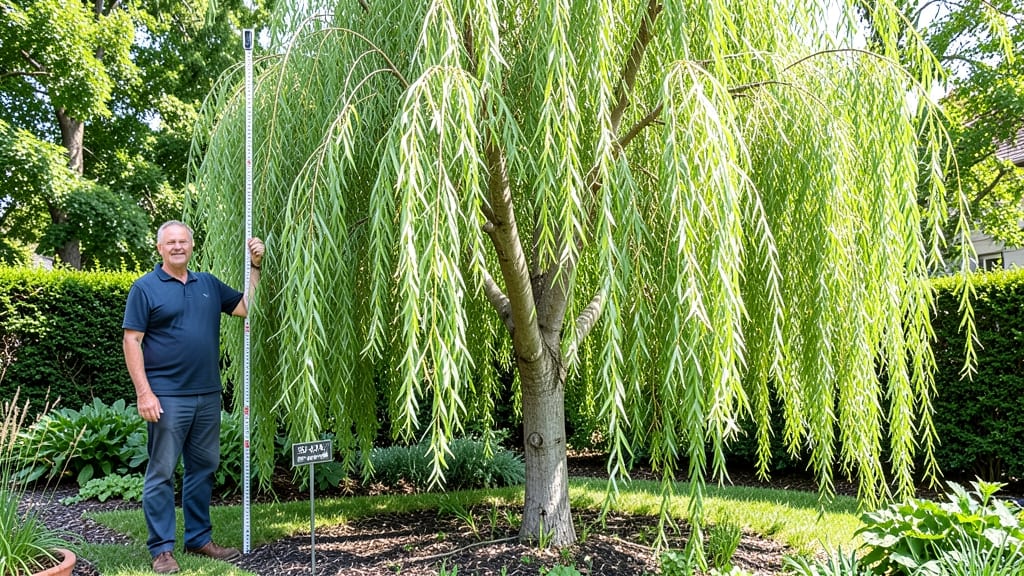
A willow tree can grow 50 to over 100 feet tall depending on the species, making it one of nature’s fastest and most dramatic additions to any landscape.
If you're dreaming of a towering, graceful willow tree that adds drama to your landscape, you’ll be amazed at how massive these trees can grow—some species reaching heights that will leave your neighbors in awe. 🌳
But before you rush to plant one, know that their rapid growth comes with trade-offs: invasive roots, massive space needs, and the occasional need for heavy pruning to keep them in check. The right species and location can turn a willow into a stunning focal point or a headache.
In this guide, I’ll break down the fastest-growing varieties, the secrets to encouraging healthy, rapid growth, and how to manage them if they start outgrowing your yard.


Willow tree height by species: fastest-growing giants and their maximum heights
If you've ever wondered how tall can a willow tree grow, you'll be stunned by the sheer size these trees can achieve. Willow trees are among the fastest-growing trees in the world, with some species reaching staggering heights that dwarf most other trees in your landscape.
The Black Willow holds records for the tallest willow trees, with specimens exceeding 150 feet in ideal conditions. For comparison, that's taller than a 5-story building!
Willow trees aren't just tall—they're also incredibly fast growers. Some varieties can add 3 to 6 feet of height each year when given the right conditions.
Whether you're planning a dramatic backyard feature or need a quick privacy screen, understanding the height potential of different willow species will help you choose the perfect tree for your space. Let's explore the tallest willow varieties and what makes them grow so massive.
Here's a detailed comparison of the most impressive willow species, their maximum heights, and growth rates to help you visualize their potential in your landscape. Remember, these heights are possible under optimal conditions, but most gardeners will see slightly smaller mature trees.
| Species | Max Height | Growth Rate | Mature Height (Common) | Ideal Climate |
|---|---|---|---|---|
| Black Willow (Salix nigra) | 150+ ft | 3–6 ft/year | 50–75 ft | Wet, swampy areas; USDA Zones 4–9 |
| Weeping Willow (Salix babylonica) | 50–75 ft | 3–5 ft/year | 30–50 ft | Moist soil; USDA Zones 5–8 |
| White Willow (Salix alba) | 100+ ft | 2–4 ft/year | 40–60 ft | Cool climates; USDA Zones 5–7 |
| Corkscrew Willow (Salix matsudana) | 30–50 ft | 2–3 ft/year | 20–30 ft | Well-drained soil; USDA Zones 4–8 |
| Pussy Willow (Salix discolor) | 20–30 ft | 1–2 ft/year | 10–20 ft | Moist, sunny spots; USDA Zones 3–8 |
The Black Willow is the undisputed champion when it comes to height, with some specimens in the wild reaching over 150 feet. These trees thrive in swampy or wet conditions, which allows them to grow taller than their counterparts in drier climates.
If you're looking for a fast-growing tree that can create a dramatic focal point, the Black Willow is an excellent choice—but be prepared for its massive size and aggressive root system.
For a more manageable yet still impressive tree, the Weeping Willow is a popular landscape favorite. While it doesn't grow quite as tall as the Black Willow, it can still reach 50–75 feet with its iconic drooping branches.
This species is perfect for adding a water garden or pond feature, as it loves moist soil and creates a stunning visual effect with its cascading foliage. Just be aware that its roots can spread widely, so plant it at least 20 feet away from buildings or septic systems.
The White Willow is another giant, often found in cooler climates where it can reach heights of 100 feet or more. Unlike the Black Willow, it prefers well-drained soil and is more adaptable to different growing conditions.
If you're in a region with cooler summers, the White Willow could be the perfect tall tree for your property, offering both height and resilience. Its silvery bark and lush green leaves add a touch of elegance to any landscape.
If you're working with limited space but still want a willow tree, consider the Corkscrew Willow or Pussy Willow. While these varieties won't reach the same towering heights, they offer unique shapes and textures that add interest to smaller gardens.
The Corkscrew Willow, with its twisted branches, can still grow up to 30–50 feet, making it a great medium-sized option. Meanwhile, the Pussy Willow is ideal for early spring interest with its fuzzy cat
How to maximize willow tree growth: soil, water, and pruning secrets
Willow trees are famous for their rapid growth, but unlocking their full potential requires understanding their specific needs. The soil conditions, watering schedule, and pruning techniques you use can make the difference between a modest tree and a towering giant.
Let’s dive into the secrets to help your willow reach its maximum height potential—whether you’re growing a weeping willow or a black willow.
First, willow trees thrive in moist, well-draining soil with a slightly acidic to neutral pH between 6.0 and 7.5. Amending heavy clay soil with compost or sand improves drainage, while peat moss can help acidify overly alkaline soil.
These trees love water, but they also need oxygen—so avoid waterlogged conditions that can suffocate roots and stunt growth.
Key-Takeaway:
🌳 How Tall Can a Willow Tree Grow?
Willow trees are fast-growing giants, with mature heights ranging from 20 to 50 feet. Some varieties, like the Black Willow (Salix nigra), can exceed 60 feet under ideal conditions. The Weeping Willow (Salix babylonica) often reaches 30–50 feet, while dwarf varieties stay under 10 feet. With proper care, your willow could outgrow a 4-story building in just a decade!
💡 Growth Factors:
- Soil: Moist, well-draining, pH 6.0–7.5
- Water: Deep weekly watering (20–30L per tree)
- Sunlight: Full sun (6+ hours daily)
- Pruning: Annual shaping in late winter
Watering is critical for willow trees, especially in their first few years. Young willows need deep watering 2–3 times per week during dry spells, while established trees benefit from weekly deep soaks (about 20–30 liters per tree).
Water in the morning to reduce evaporation and fungal risks. Mulching around the base with organic matter like wood chips or straw helps retain moisture and regulates soil temperature.
Pruning plays a dual role: it shapes your willow’s growth and encourages height. For weeping willows, prune in late winter or early spring to remove dead or crossing branches. To maintain height, focus on selective pruning—cutting back 1/3 of the tallest branches annually promotes upward growth.
Avoid heavy pruning in summer, as it can stress the tree and slow down its rapid expansion.
Seasonal adjustments are key to sustaining growth. In spring, apply a balanced fertilizer (10-10-10) to fuel new growth, while in fall, reduce watering and avoid fertilizing to prepare the tree for dormancy.
Willow trees are resilient, but they’re also sensitive to drought stress and poor soil conditions, so stay vigilant about their needs.
With the right care, your willow tree can become a stunning centerpiece in your landscape—reaching heights that rival the tallest oaks. Whether you’re growing it for shade, privacy, or sheer drama, these soil, water, and pruning secrets will help you cultivate a willow that’s truly awe-inspiring. 🌿