
Pruning
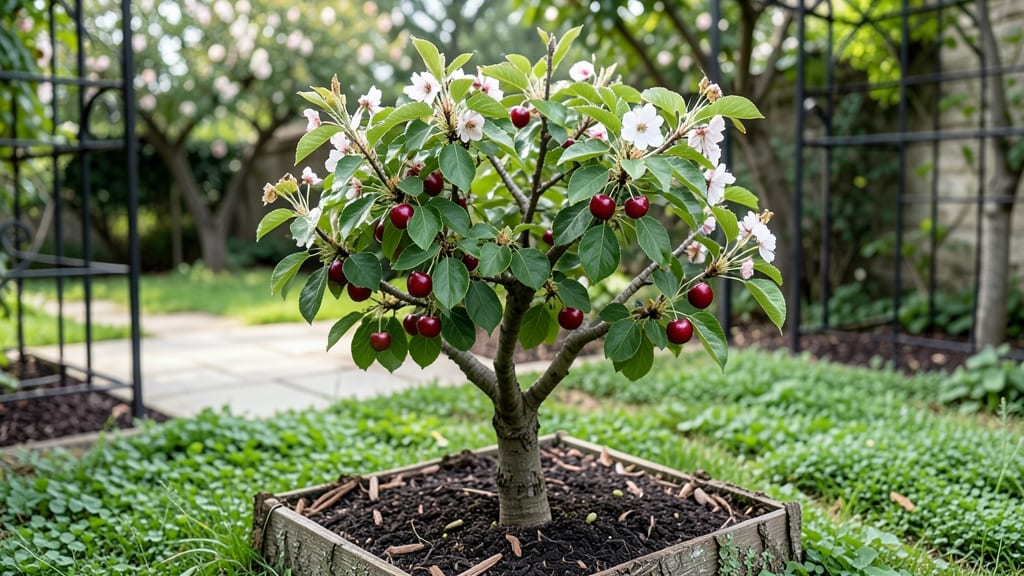
Small-fruit cherry trees turn even the tightest urban yard into a sweet harvest zone. 🌿 I’ve pruned these compact varieties for years, and the secret to maximizing fruit isn’t just cutting back—it’s shaping the tree to focus energy where it matters.
The right cuts mean doubled harvests in the same space, with fruit so plentiful you’ll forget you’re growing a "small" tree. These trees thrive in 5-gallon pots or tight corners, but pruning is the real game-changer.
You’ll learn how to open the canopy for sunlight, remove "water sprouts" that steal energy, and train branches to bear fruit closer to the trunk. My ‘Stella’ sweet cherry now produces 30+ pounds of fruit in a 6-foot space—something impossible without proper pruning. The payoff?
Juicy, ready-to-eat cherries by midsummer, with minimal effort. We’re talking 30 minutes of work twice a year that saves you from overcrowded branches and tiny, sour fruit. Plus, the pruned shape stays manageable for years, even in small gardens.
Whether you’re growing in containers or just reclaiming a corner of your yard, this method works. Let’s get those branches in shape for a bountiful, low-stress harvest.
Why Your Cherry Tree Produces Tiny Fruit
Understanding why your cherry tree yields small fruit starts with recognizing the key factors that influence fruit development. While genetics play a role, environmental and cultural practices often determine whether your cherries stay pea-sized or grow to their full, juicy potential.
Here’s a breakdown of the most common culprits—and how to address them.
Cherries are self-pollinating but thrive with a little help from bees, wind, or even human intervention. If your tree isn’t getting enough pollination, flowers may drop early, or fruit will stay stunted.
- Why it happens: Weak pollination can stem from:
- Lack of pollinators (few bees or wind in your area).
- Timing mismatches (late frosts killing blossoms before pollinators arrive).
- Poor flower health (disease, pests, or nutrient deficiencies weakening stamens/pistils).
- Actionable fix:
- Plant a second cherry variety (even if different species) within 50 feet to ensure cross-pollination.
- Hand-pollinate by gently shaking branches during bloom (if bees are scarce).
- Avoid over-fertilizing with nitrogen—too much foliage = fewer flowers.
Fruit size is directly tied to carbohydrate and nutrient availability. If your tree lacks key elements, it prioritizes leaf growth over fruit development, leaving you with tiny, underdeveloped cherries.
- Why it happens:
- Excess nitrogen (N) → Lush leaves but small fruit (tree grows "greedy" instead of fruiting).
- Deficiencies in phosphorus (P) or potassium (K) → Weak root/fruit development.
- Zinc or boron shortages → Poor cell division in fruit (common in acidic or sandy soils).
- Actionable fix:
- Test your soil (pH 6.0–6.5 is ideal for cherries).
- Apply a balanced fertilizer (e.g., 10-10-10) after bloom, then switch to a low-N, high-P/K formula (like 5-10-10) in summer.
- Mulch with compost to improve micronutrient availability.
Cherries need consistent moisture—especially during fruit set (flowering) and rapid growth (6–8 weeks after bloom). Fluctuations cause poor cell expansion, leading to small fruit.
- Why it happens:
- Drought stress → Fruit shrivels or stays tiny (cells can’t expand without water).
- Overwatering → Root suffocation or fungal diseases (like crown rot) limit nutrient uptake.
- Uneven watering → One side of the tree thrives while the other struggles.
- Actionable fix:
- Deep water 1–2 times per week (1–1.5 inches per session) during bloom and fruit development.
- Use drip irrigation to avoid wetting leaves (reduces disease risk).
- Mulch 3–4 inches deep (with wood chips or straw) to retain moisture.
Aggressive pruning—especially late in the season—can reduce next year’s flower buds, leading to fewer and smaller cherries. Conversely, not pruning at all causes dense growth, which blocks sunlight and air flow.
- Why it happens:
- Pruning at the wrong time (fall/winter cuts reduce next year’s bloom buds).
- Removing too many branches → Fewer fruiting spurs (where cherries form).
- Neglecting thinning → Overcrowded branches compete for resources.
- Actionable fix:
- Prune in late winter/early spring (before buds swell) to shape the tree and open the canopy.
- Thin branches to allow sunlight to reach the center (aim for 6–8 hours of direct light).
- Avoid heading cuts (cutting back to a bud)—instead, remove entire branches to maintain structure.
Certain pests and pathogens feed on flowers or fruit, stunting growth or causing premature drop. Even if you don’t see obvious damage, hidden infestations can limit fruit size.
- Why it happens:
- Cherry fruit flies → Lay eggs in fruit, causing deformation.
- Aphids or mites → Sap-sucking pests weaken flowers before they develop.
- Brown rot (Monilinia) → Fungal infection kills blossoms or mummifies fruit.
- Powdery mildew → Blocks sunlight, reducing photosynthesis for fruit growth.
- Actionable fix:
- Monitor for pests (yellow sticky traps for fruit flies, inspect undersides of leaves for aphids).
- Apply horticultural oil (for mites/aphids) or neem oil (for fungal diseases) before bloom.
- Remove and destroy infected fruit/dropped blossoms to prevent spread.
Cherries are sensitive to extreme temperatures and need full sun to develop properly. Stress from heat waves, late frosts, or shade can halt fruit growth.
- Why it happens:
- Late spring frost → Kills blossoms before pollination.
- Heat stress (above 90°F) → Causes fruit drop or poor sugar development.
- Shade from nearby trees/buildings → Weakens photosynthesis, leading to small fruit.
- Windburn → Dries out blossoms, preventing fertilization.
- Actionable fix:
- Use frost cloth if late frosts are common in your area.
- Provide afternoon shade in hot climates (lightweight shade cloth can help).
- Plant in a sunny spot (minimum 6–8 hours of direct sun).
- Windbreaks (like a fence or hedge) protect blossoms from drying out.
If your cherry tree’s roots are restricted or the soil is compacted, it can’t absorb enough water and nutrients, leading to stunted fruit.
- Why it happens:
- Compacted soil → Roots can’t expand, limiting nutrient uptake.
- Root-bound pots (if recently transplanted) → Strangled roots reduce growth.
- Poor drainage → Roots suffocate, leading to nutrient deficiencies.
- Actionable fix:
- Aerate the soil (use a garden fork to loosen compacted areas).
- Transplant if root-bound (choose a well-draining, slightly acidic soil).
- Avoid heavy clay soils—amend with compost or sand if needed.
Some cherry varieties naturally produce smaller fruit, and young trees may take 2–4 years to reach full fruiting potential.
- Why it happens:
- Dwarf or columnar varieties (e.g., ‘Stella’, ‘Compact Stella’) are bred for small fruit.
- Young trees prioritize root/leaf growth over fruit until established.
- Actionable fix:
- Choose a standard-sized variety (like ‘Bing’ or ‘Rainier’) if you want larger fruit.
- Be patient—small fruit in the first few years is normal.
- Focus on care (water, nutrients, pruning) to speed up maturity.
Revitalize Your Cherry Tree’s Fruit
Small fruit on your cherry tree can be frustrating, but the good news is that most issues have simple, actionable fixes. Whether your tree is struggling due to improper pruning, nutrient deficiencies, or environmental stress, these solutions will help restore healthy, plump fruit.
Let’s break it down by cause and tackle each problem head-on.
If your cherry tree has been over-pruned or cut at the wrong time, it may struggle to produce large fruit. The key is to prune correctly and at the right season.
- 🔪 Prune in Late Winter or Early Spring
- Cherry trees should be pruned before bud break (late winter) or immediately after harvest (early spring). Avoid pruning in fall, as it can encourage disease and weak growth.
- Why it works: Pruning in dormancy reduces stress and allows the tree to focus energy on fruit development rather than healing wounds.
- 🌿 Open the Canopy for Sunlight
- Thin out dense branches to improve airflow and sunlight penetration. Aim for an open, vase-like shape.
- Pro tip: Remove water sprouts (fast-growing vertical shoots) and crossing branches that compete for nutrients.
- ✂️ Avoid Heavy Pruning in Mature Trees
- Older trees handle pruning less well. Limit cuts to no more than 25% of the canopy per year to prevent shock.
Small fruit often signals that your tree isn’t getting the right nutrients. A balanced approach ensures strong growth and larger harvests.
- 📊 Soil Test First
- Conduct a soil test to check pH and nutrient levels. Cherry trees prefer slightly acidic soil (pH 6.0–6.5).
- Fix: Amend soil with compost, peat moss, or sulfur if pH is too high. For deficiencies:
- Nitrogen (N): Use a balanced fertilizer (10-10-10) in early spring.
- Potassium (K): Apply wood ash or greensand to boost fruit size.
- Micronutrients: A foliar spray with zinc or boron can help if leaves show yellowing or stunted growth.
- 💡 Organic Boosts for Compact Trees
- Mulch with well-rotted manure or compost around the drip line to improve soil structure and retain moisture.
- Warning: Avoid fresh manure—it can burn roots and disrupt nutrient balance.
Drought or inconsistent watering can stunt fruit growth. Cherry trees need steady moisture, especially during flowering and fruit development.
- 💧 Deep Watering Routine
- Water deeply 1–2 times per week (depending on climate) to encourage root growth. Shallow watering leads to weak, small fruit.
- Signs of stress: Wilting leaves or fruit that drops prematurely.
- 🌡️ Protect from Extreme Heat or Cold
- Drought stress: Mulch heavily and use drip irrigation to keep roots cool.
- Late frosts: Cover blossoms with frost cloth if temperatures drop below 28°F (-2°C) during flowering.
- 🌿 Improve Airflow to Prevent Disease
- Fungal diseases (like powdery mildew or leaf spot) can weaken trees and reduce fruit size.
- Prevention: Space trees properly (15–20 ft apart), prune for airflow, and apply copper fungicide if needed.
Insects and pathogens can drain your tree’s energy, leading to poor fruit development. Act fast to protect your harvest.
- 🐜 Common Culprits & Fixes
| Problem | Solution |
|---|---|
| Cherry Fruit Flies (small, leathery fruit) | Set up protein bait traps or apply spinosad spray during flight season (summer). |
| Aphids or Spider Mites (curled leaves, sticky residue) | Spray with neem oil or insecticidal soap. Introduce ladybugs for natural control. |
| Bacterial Canker (oozing wounds, dead branches) | Prune infected branches 12 inches below the lesion and sterilize tools with rubbing alcohol. Avoid overhead watering. |
- 💡 Prevention Tip:
- Monitor trees weekly during growing season. Catching issues early (like Japanese beetles) prevents fruit damage.
Once you’ve addressed the immediate issues, keep these habits to ensure consistent, high-quality harvests.
- 🍒 Thin Fruit Early
- Remove excess fruit clusters when they’re pea-sized to allow remaining fruit to grow larger. Leave 6–8 inches between fruits.
- 🌿 Regular Maintenance Pruning
- Prune lightly each year to remove dead wood, suckers, and weak growth. This keeps the tree focused on producing quality fruit.
- 📅 Follow a Fertilizing Schedule
- Early spring: Balanced fertilizer (e.g., 10-10-10).
- Late spring: Potassium-rich fertilizer (e.g., 0-0-50) to sweeten fruit.
- Avoid: High-nitrogen fertilizers in summer—they promote leafy growth over fruit.
- 🌱 Consider Dwarf Varieties for Small Spaces
- If your tree is naturally small (e.g., ‘Stella’ or ‘Balaton’ cherries), ensure it gets full sun (6+ hours/day) and proper support (like a stake for young trees).
With these targeted fixes, your cherry tree should rebound with juicier, larger fruit in no time. Consistency is key—monitor your tree’s health year-round, and don’t hesitate to adjust care as needed. Happy pruning! 🌿✨
Frequently asked questions
Why are my small-fruit cherry tree cherries staying tiny even after proper care?
Some dwarf varieties like ‘Stella’ or ‘Compact Stella’ naturally produce smaller cherries. If your tree is 2–4 years old, it may still be maturing—be patient! Also check for overcrowded branches blocking sunlight, which limits fruit development. Thin branches to improve airflow and light penetration.
Can I grow a small-fruit cherry tree in a container? Which varieties work best?
Dwarf varieties like ‘Balaton’ or ‘Compact Stella’ thrive in 15–25 gallon containers with well-draining soil. Use a 5-gallon pot for young trees and upgrade as it grows. Ensure the container has drainage holes and place it in full sun (6+ hours/day). Repot every 2–3 years to refresh soil nutrients.
How do I know if my small-fruit cherry tree needs more potassium for bigger cherries?
Look for yellowing leaves with green veins (potassium deficiency) or weak, rubbery fruit. Test your soil—cherries need pH 6.0–6.5. Apply a potassium-rich fertilizer (like 0-0-50) in late spring after flowering. Avoid high-nitrogen fertilizers in summer, as they promote leaf growth over fruit.
What’s the best way to protect small-fruit cherries from birds and pests without chemicals?
Use bird netting (lightweight, breathable fabric) to cover trees during ripening. For pests, introduce beneficial insects like ladybugs or lacewings. Apply neem oil (mixed with water) as a natural repellent. Prune for airflow to reduce fungal diseases, which attract pests. Harvest cherries promptly once ripe to minimize damage.
When should I thin my small-fruit cherry tree’s branches to encourage larger fruit?
Thin branches in late winter/early spring before buds swell. Remove crossing or weak branches to open the canopy. For fruit thinning, wait until cherries are pea-sized (about 4–6 weeks after bloom) and space them 6–8 inches apart. This redirects the tree’s energy to fewer, larger cherries.