
Pruning
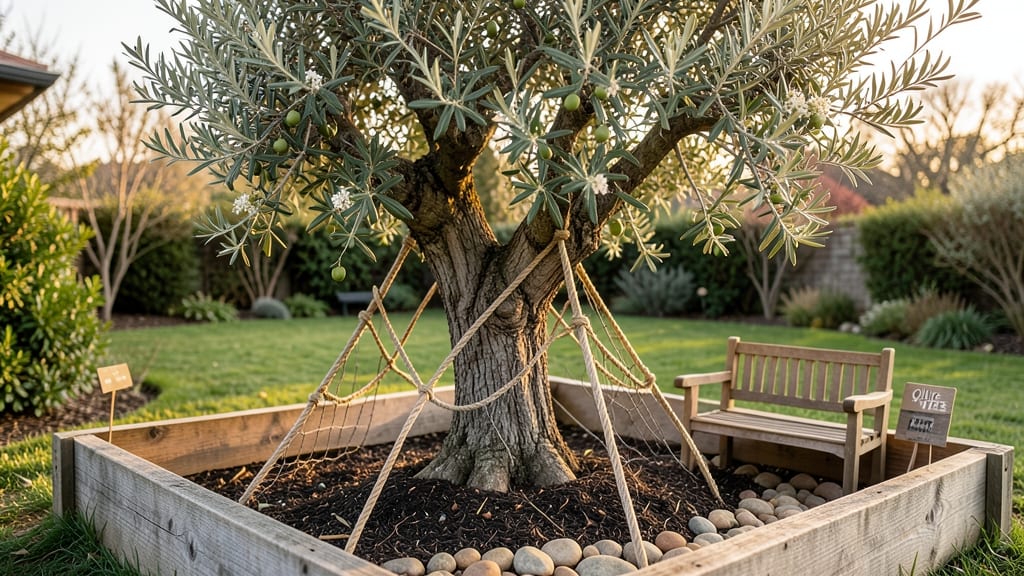
Pruning olive trees in Fort Collins isn’t just about keeping them tidy—it’s about protecting them from our 100-degree summers and -10°F winters while shaping them into statement pieces. 🌿 I’ve watched my olive tree survive our brutal winters by learning the right cuts, and now it’s a compact, elegant centerpiece in my courtyard.
The key is timing: prune lightly in late winter to encourage new growth before summer heat arrives, then do minimal shaping after harvest. Fort Collins’ high altitude means our olives grow slower, so aggressive pruning backfires—think of it as sculpting, not hacking.
You’ll end up with a tree that’s both drought-resistant and stylish, perfect for Mediterranean-themed gardens or as a focal point in small urban spaces. What you’ll notice after a year of proper pruning is denser foliage, stronger branches, and a shape that fits your space beautifully.
The tree becomes more productive too, with larger olives that ripen fully despite our short growing season. It’s a game-changer for anyone who wants a low-maintenance, high-impact tree that thrives here.
Local nurseries like High Country Gardens or The Plant Farm carry olive varieties suited to our climate, so you can start with a tree that’s already adapted. Once you master the pruning rhythm, your olive tree will reward you with years of elegant structure and edible harvests—even in Fort Collins.
📚 In This Guide
- What you need
- Instructions
- Tips and common mistakes
- Wrapping up and next steps
What you need
- ● Pruning shears: Bypass pruners (sharp, clean, and disease-free—sterilize with rubbing alcohol between cuts). Recommended: Felco F-2 or Corona Classic.
- ● Loppers: For thicker branches (up to 2" diameter). Look for ratcheting loppers for extra leverage.
- ● Pruning saw: A curved-tooth pruning saw for branches thicker than 2". Pro tip: 💡 Avoid cheap saws—they tear wood and invite pests!
- ● Disposable gloves: Heavy-duty, nitrile-coated gloves to protect against thorns and sap.
- ○ Pruning sealant: Wound dressing (e.g., Tanglefoot Tree Wound Pruning Seal) for cuts larger than ½". Optional: Skip if using modern, disease-resistant olive varieties.
- ● Ladder or step stool: Sturdy, non-slip (e.g., Little Giant or Werner). Height: At least 6–8 ft for mature trees.
- ● Heavy-duty trash bags: For collecting pruned branches and debris. Size: 30–50 gallon.
- ● Hose with nozzle: For post-pruning cleanup and sanitizing tools.
- ● Extension pole pruners: For high branches (10–30 ft reach). Brand rec: Fiskars or Corona.
- ● Tree shears: For fine-tuning smaller branches (like sculpting!).
- ● Safety goggles: Protect your eyes from flying debris.
- ● Knee pads: For comfort during long pruning sessions.
- ● Spray bottle with water: Keeps tools cool and prevents sap from sticking.
- ● Digital caliper: Measures branch diameter for precise pruning decisions.
- ● Weather check: Prune on a dry, overcast day (avoid wind or extreme heat). Fort Collins’ low humidity is ideal!
- ● Tree health: Prune only healthy, mature olive trees (minimum 3–5 years old for structural pruning).
- ● Local regulations: Check Fort Collins’ tree ordinances—some areas require permits for heavy pruning.
- ● Sterilization: Clean tools with 10% bleach solution or rubbing alcohol before/after use to prevent Verticillium wilt (common in olives).
How to prune an olive tree in Fort Collins for compact growth
Here’s the straightforward approach I’ve used to keep olive trees lush and manageable in our dry Colorado climate.
✂️ Step 1: Assess the Tree’s Structure and Prioritize Branches
Start by examining your olive tree for branches that need attention. Focus on removing dead, diseased, or crossing branches first—these compete for energy and can stunt growth. I look for thin, brittle stems (dead wood) or branches growing inward (they’ll rub against each other as they thicken). Use sharp pruning shears to make clean cuts just above a leaf node or outward-facing bud.
In Fort Collins’ arid conditions, olive trees naturally grow slowly, so I avoid heavy pruning unless absolutely necessary. Instead, I target overcrowded areas where branches are too close together. This prevents weak wood and encourages a fuller shape. If you’re unsure which branches to remove, snap a photo first—you’ll see the tree’s natural silhouette more clearly afterward.
✂️ Step 2: Thin Out for Airflow and Sunlight
Olive trees thrive when their canopy receives even sunlight exposure, so my next step is thinning. I remove 10-20% of the tree’s branches to open up the center. Start at the outer edges and work inward, cutting back branches that block light from reaching the inner foliage. Aim to create a rounded, vase-like shape—this mimics the tree’s natural growth habit and prevents a top-heavy silhouette.
Here’s the trick: Never remove more than a third of the tree’s foliage in one session, especially in late summer or early fall. Olive trees are resilient, but drastic pruning can stress them, particularly in our low-humidity climate. If you’re pruning in late winter or early spring, you can be slightly more aggressive, but always prioritize healthy growth points over aggressive shaping.
☀️ Step 3: Shape for Compact Growth and Seasonal Adjustments
For a compact, bushy olive tree, focus on reducing vertical growth while encouraging lateral branches. I prune the topmost branches slightly shorter to prevent the tree from growing too tall. Cut just above a side bud or leaf node to encourage branching outward. In Fort Collins, where winters can be harsh, I avoid heavy pruning in late fall or winter—instead, I wait until early spring when new growth begins.
If your olive tree has long, leggy branches, I shorten them by one-third to promote denser foliage. This is especially useful for younger trees. For mature trees, I limit pruning to light shaping in late spring or early summer. The key is consistency—prune little and often rather than making drastic cuts once a year. Olive trees respond best to gradual adjustments that guide their natural shape.
⏰ Step 4: Time Pruning for Fort Collins’ Climate
Timing matters in our Zone 5-6 climate. The best time to prune olive trees is late winter to early spring, just as buds begin to swell. This encourages vigorous new growth before the heat of summer. Avoid pruning in mid-summer, as the tree will struggle to heal wounds before winter. If you must prune in summer, do it early and keep cuts small to minimize stress.
In Fort Collins, winter pruning is also an option, but only if the ground isn’t frozen. If you prune in winter, seal larger cuts with pruning sealant to prevent disease entry through fresh wounds. I’ve found that olive trees pruned in early spring recover fastest and produce the most lush foliage by summer. Watch for new growth within 4-6 weeks—that’s your sign the pruning was successful.
🌿 Step 5: Clean Up and Monitor for Recovery
After pruning, remove all clippings and debris from the base of the tree to prevent fungal growth. Olive trees are generally disease-resistant, but wet, decaying leaves can attract pests. I also disinfect my pruning tools with rubbing alcohol between cuts to avoid spreading pathogens. Once the tree is pruned, water deeply to help it recover, especially if you’ve made significant cuts.
Monitor the tree over the next 4-6 weeks for signs of stress, like yellowing leaves or slow new growth. If you see excessive dieback, you may have pruned too aggressively. Olive trees are forgiving, but they do best with gentle, strategic pruning. In Fort Collins, where water is scarce, I avoid over-pruning—less is often more for maintaining a healthy, compact tree.
Tips & tricks for pruning olive trees in Fort Collins
These simple, climate-smart tricks will help you maintain a healthy, compact olive tree that thrives in Fort Collins' unique conditions.
Tool Prep: Before you begin, sharpen your pruning shears and disinfect them with rubbing alcohol. I learned this the hard way after introducing fungal infections to my first olive tree. Clean tools between each cut to prevent spreading any potential pathogens that might be hiding in the tree's branches. This step takes just a minute but saves you from potential long-term damage.
Seasonal Timing: The late winter to early spring window is ideal because it aligns with the tree's natural growth cycle. In Fort Collins' Zone 5-6 climate, this means pruning between late February and early April. If you must prune in summer, do it early and keep cuts small. I've noticed that trees pruned at this time show new growth within 4-6 weeks, which is exactly what the instructions mention—proof that timing matters!
Visual Pruning Guide: When deciding which branches to cut, imagine the tree's natural silhouette. For compact growth, aim for a rounded, vase-like shape. In Step 3, when you're reducing vertical growth, look for branches that grow straight up—these are the ones to shorten by one-third. This creates a fuller, bushier tree that's easier to maintain in our dry climate.
Recovery Care: After pruning, water deeply to help the tree recover, especially if you've made significant cuts. In Fort Collins' arid conditions, this is crucial. I've found that monitoring the tree for 4-6 weeks after pruning helps catch any stress signals early. If you see yellowing leaves or slow new growth, you might have pruned too aggressively—remember, olive trees respond best to gradual adjustments.
Pro Tips for Olive Tree Fort Collins
- These simple, climate-smart tricks will help you maintain a healthy, compact olive tree that thrives in Fort Collins' unique conditions.
- Tool Prep: Before you begin, sharpen your pruning shears and disinfect them with rubbing alcohol.
- Seasonal Timing: The late winter to early spring window is ideal because it aligns with the tree's natural growth cycle.
Frequently asked questions
Got questions about pruning your Olive Tree in Fort Collins? You’re not alone!
Here are answers to the most common concerns—from timing and tools to troubleshooting—so you can keep your tree thriving year-round.
When is the best time to prune my Olive Tree in Fort Collins?
The ideal time is late winter or early spring (February–March) before new growth starts. Avoid pruning in extreme heat or cold, as it stresses the tree. Light shaping can be done in summer, but skip heavy cuts during drought.
What tools do I need for pruning, and can I reuse them?
You’ll need clean, sharp pruners (for small branches), loppers (medium), and a pruning saw (thick branches). Disinfect tools with rubbing alcohol between cuts to prevent disease. Avoid dull tools—they tear bark, inviting pests.
How much can I prune without harming my Olive Tree?
Remove no more than 25% of the canopy in one session to avoid shock. Focus on dead, crossing, or overcrowded branches first. For severe shaping, space pruning over 2–3 years. Pro tip: Step back often to check balance!
Why are my leaves yellowing or dropping after pruning?
Yellowing leaves often signal over-pruning, stress, or nutrient loss. If it’s mild, your tree may recover in 4–6 weeks with regular watering and balanced fertilizer. Severe cases could indicate root damage or disease—inspect for pests or consult a local arborist.
Can I prune during Fort Collins’ dry season (summer)?
Yes, but minimize cuts and water deeply before/after. Prune only on cloudy days or late afternoon to reduce stress. Avoid heavy pruning—Olive Trees are drought-tolerant but still need recovery time. Alternative: Wait for fall (September–October) for lighter maintenance.
Wrapping up and next steps
Mastering the art of pruning your Olive Tree in Fort Collins ensures not just a stunning landscape feature but also a thriving, compact plant that stands the test of Colorado’s unique climate.
Whether you’re trimming for shape, health, or seasonal growth, consistency is key—so grab those shears and make pruning a regular part of your care routine! 🌿
Ready to take your olive tree to the next level? Start small—pick one season to focus on, then build your skills over time. Before you know it, you’ll have a perfectly shaped, flourishing tree that’s the envy of your neighborhood! 🌟