
Diseases
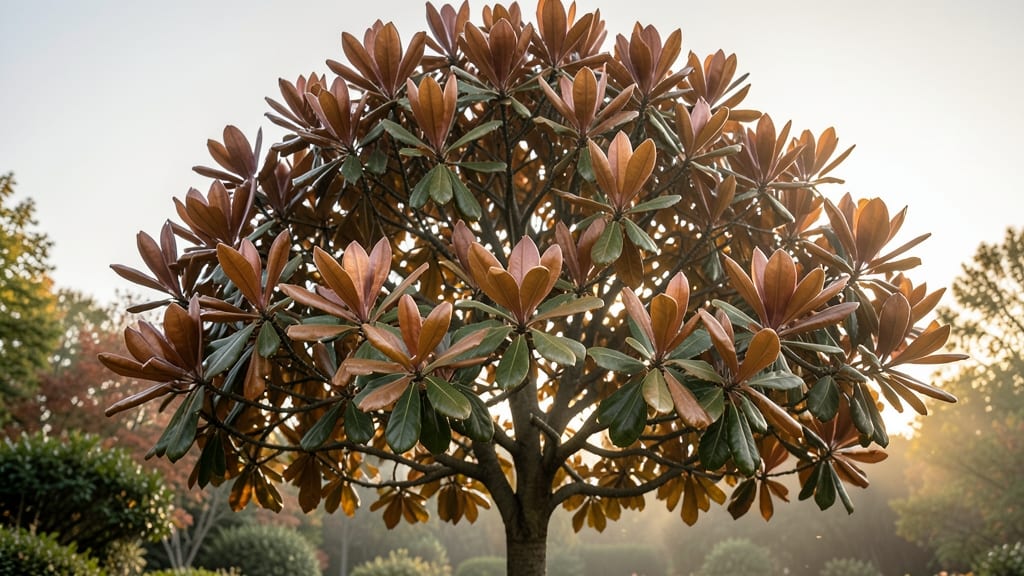
Fall transforms magnolia leaves into stunning displays—but how do you tell healthy color changes from dangerous disease? This guide breaks down 10 distinct leaf patterns and separates seasonal beauty from red flags that need urgent attention.
Deep Crimson Edges on Green Leaves
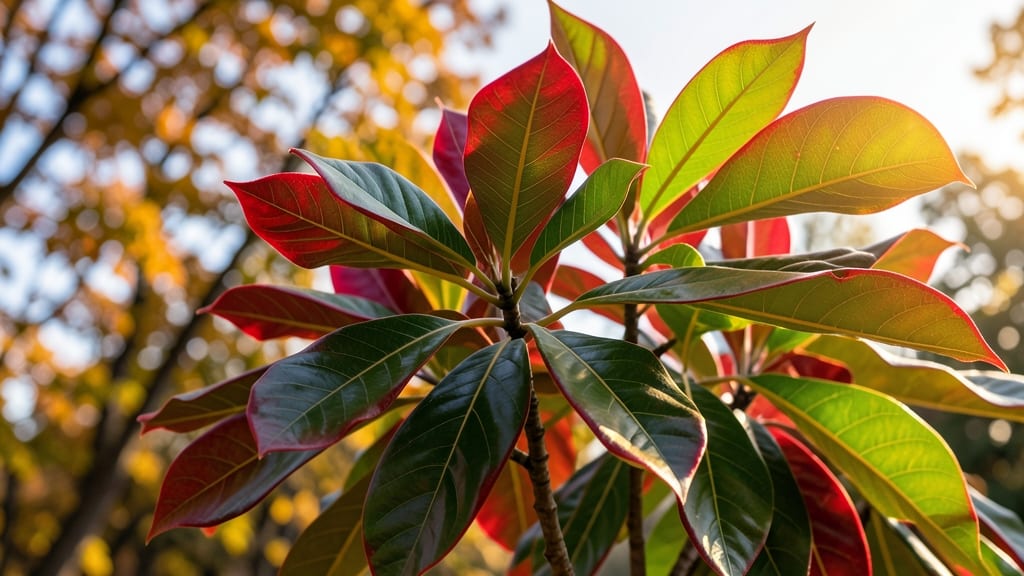
Those bold deep crimson edges on your magnolia leaves aren’t a cause for alarm—they’re nature’s way of putting on a show. This striking contrast between bright green centers and fiery red borders is called anthocyanin buildup, triggered by cool autumn nights paired with sunny days.
Southern magnolias (Magnolia grandiflora) are especially prone to this harmless phenomenon, which peaks in late September through October. Unlike disease, these edges won’t spread or damage the leaf—just enjoy the seasonal spectacle! The deeper reds often appear on leaves receiving direct sunlight, while shaded leaves stay green.
Gardeners in the Southeast will recognize this as a sign of a thriving tree—no intervention needed. Snap a photo to capture the moment before the leaves fall naturally. 🌻
Uniform Yellowing Without Spots
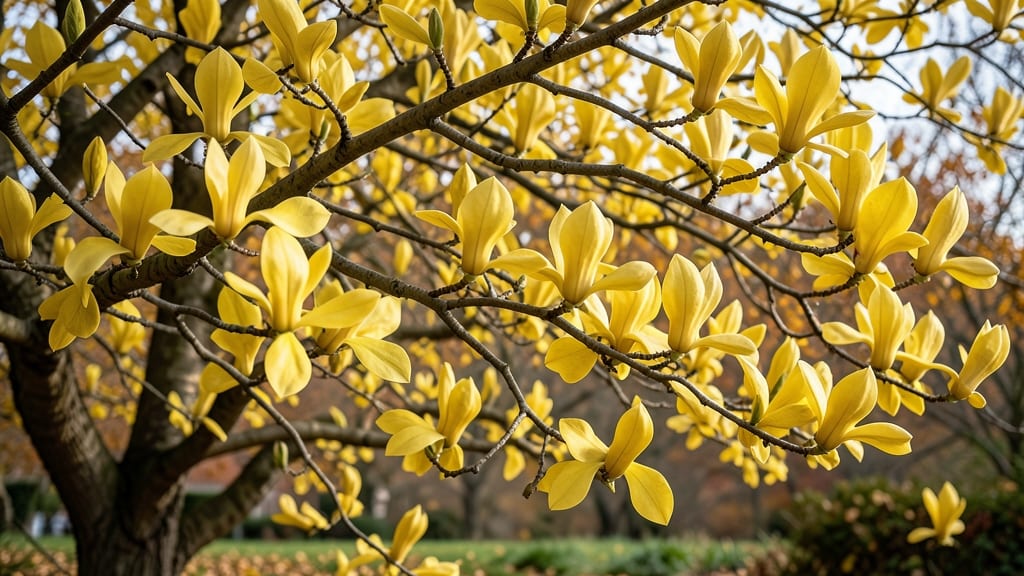
When your deciduous magnolia leaves turn a vibrant, even yellow in fall, you’re witnessing nature’s way of recycling nutrients back into the tree. This uniform yellowing is a healthy sign of senescence—the natural aging process where leaves prepare to drop, leaving behind nutrient-rich material perfect for your garden.
Unlike disease-related discoloration, this yellowing occurs without spots or irregular patterns and typically starts at the leaf edges before spreading inward. Once the leaves fall, you can confidently add them to your compost pile or use them as mulch to enrich your soil. This process is most common in species like Southern magnolia and saucer magnolia, which rely on this seasonal cycle to rejuvenate for spring.
For gardeners who prioritize sustainability, this is your cue to embrace the cycle—no intervention needed. Just rake up those golden leaves and let them work their magic in your garden beds. 🌿
Blackened Leaf Spots with Yellow Halos
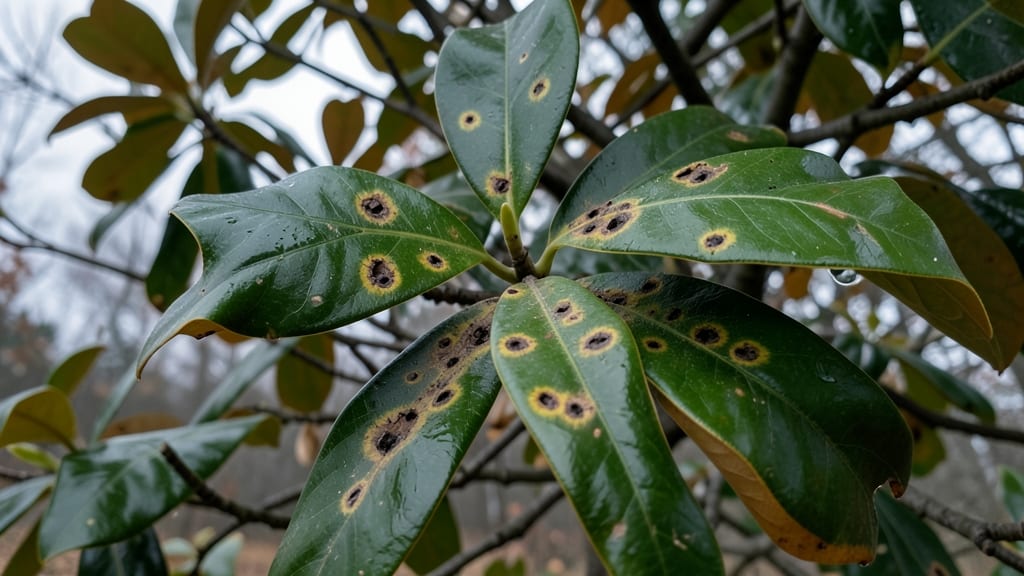
If your magnolia tree's leaves are developing dark, sunken spots surrounded by yellow halos, you're likely dealing with anthracnose—a fungal disease that thrives in the damp, cool conditions of fall. Unlike natural fall color changes, these spots will spread rapidly if left untreated, eventually causing leaf drop and weakening the tree's overall health.
To combat this issue, start by pruning and removing all infected leaves and branches, focusing on sterilizing your pruners with rubbing alcohol between cuts. Apply a fungicide labeled for anthracnose (such as copper-based sprays or potassium bicarbonate) every 7-10 days during wet periods. Improving air circulation around the tree by thinning dense foliage can also help prevent future outbreaks.
This problem is particularly concerning for gardeners in humid regions or those who've experienced wetter-than-usual falls. Acting quickly can save your tree from long-term damage and keep it thriving next season. 💚
Purple-Black Vein Discoloration
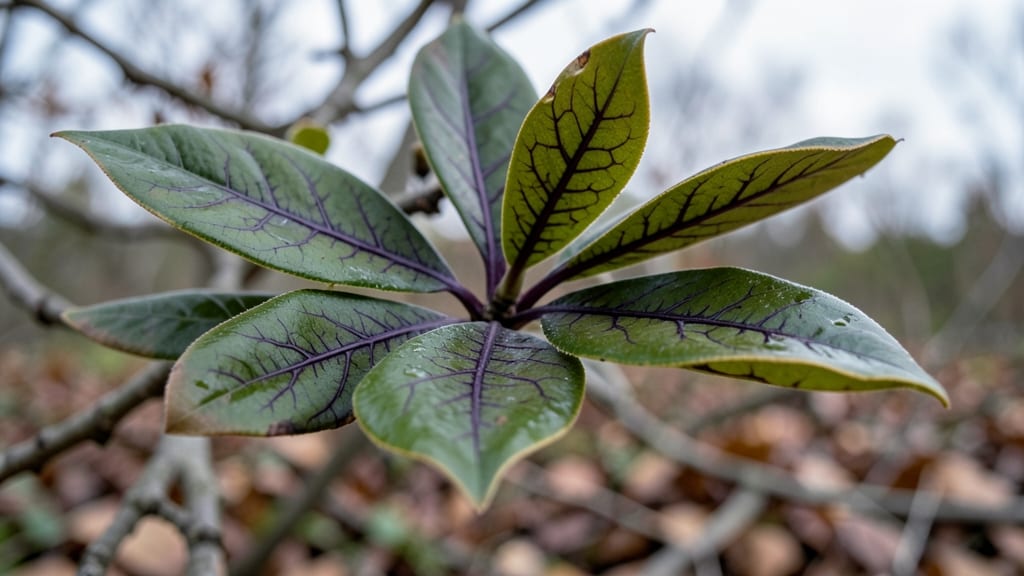
When your magnolia’s veins turn an alarming purple-black while the leaf edges stay green, it’s not just a fall color show—this is a warning sign. Unlike the natural bronzed tones of healthy autumn leaves, this discoloration signals a serious nutrient imbalance or hidden root problems.
Start by testing your soil’s pH and magnesium levels, as this pattern often indicates a deficiency. If root rot is suspected (common in poorly draining soil), prune affected roots and improve drainage immediately. For magnesium deficiency, apply Epsom salt (1 tablespoon per gallon of water) as a foliar spray every 2 weeks until new growth appears.
This issue affects both young and mature magnolias, but acts quickly—don’t wait until spring to address it. Early intervention can save your tree from decline. 💚
Curl and Crisp Edges Without Color
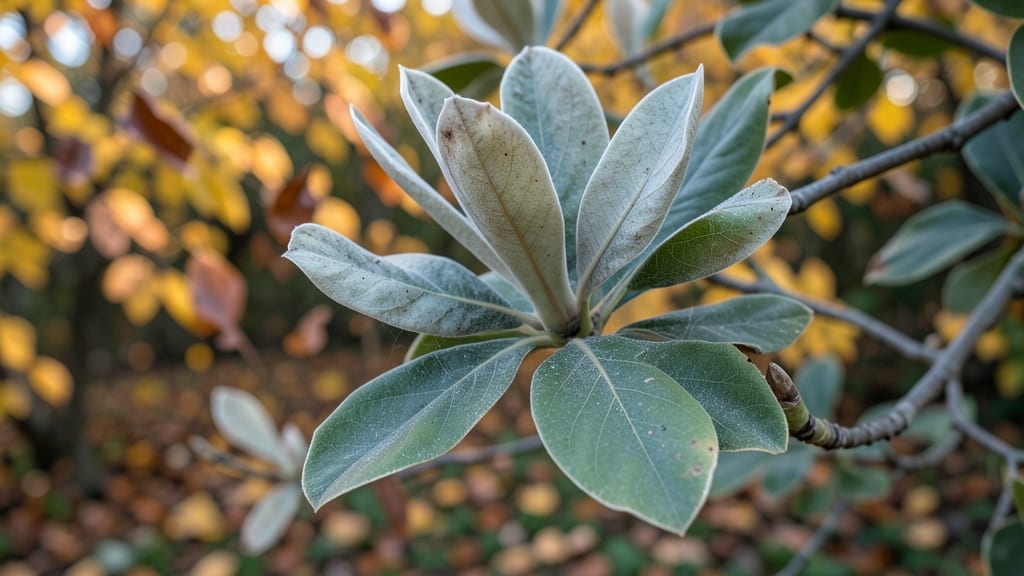
When your magnolia leaves start curling inward with brittle, crisp edges—but no color change—this isn’t autumn’s charm. It’s a silent warning from spider mites, tiny pests that thrive in dry fall air and drain your tree’s vitality before winter.
Unlike natural fall color shifts, these curled leaves often reveal fine webbing between branches or on leaf undersides. The damage worsens as mites pierce cells, causing edges to dry out and crack. Act fast by applying horticultural oil sprays during the tree’s dormant season (late fall or early spring) to smother eggs and adults without harming beneficial insects.
This issue hits urban gardeners hardest—dry city air and lack of natural predators create perfect conditions. A simple water spray can deter mites temporarily, but consistent monitoring and treatment keeps your magnolia thriving. 💪
Orange-Rust Spots on Upper Leaf Surface
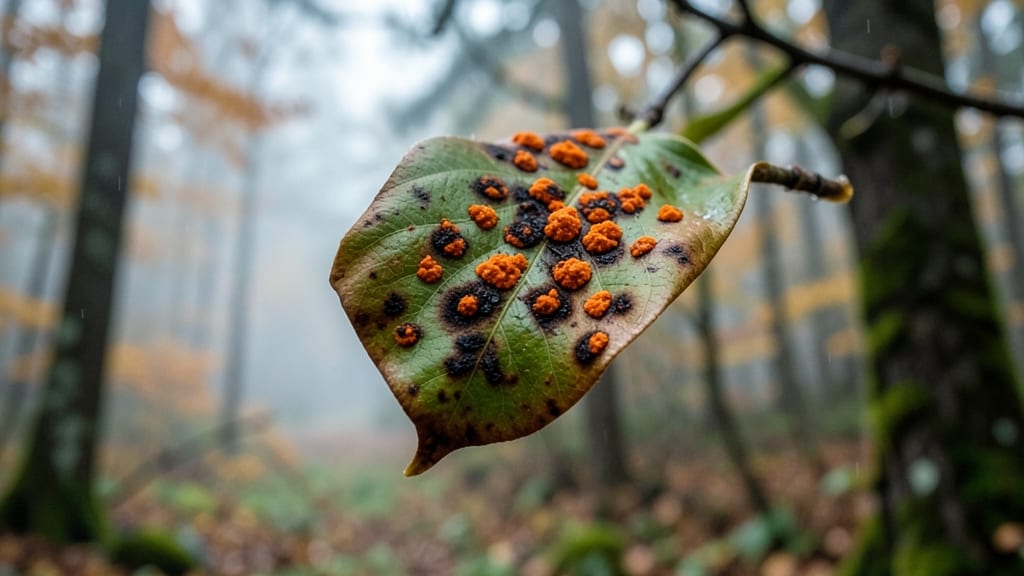
Those bright orange pustules popping up on your magnolia leaves? That’s Puccinia rust, a fungal disease that thrives in the damp, humid air of autumn. Unlike harmless fall color changes, this infection starts with rust-colored spots on the leaf’s upper surface while the undersides develop dark, velvety black patches—often missed until the damage spreads.
To stop it, prune infected branches immediately (sterilize your tools with rubbing alcohol between cuts) and remove fallen leaves from the base of the tree. Rust spores spread easily in wet conditions, so improve airflow by thinning dense foliage and avoid overhead watering. For severe cases, apply a copper fungicide in early fall before spores mature.
This disease is most common in Southern magnolias during prolonged fall rains, but quick action can save your tree from weakening. 🌟
Sudden Leaf Drop Without Color Change
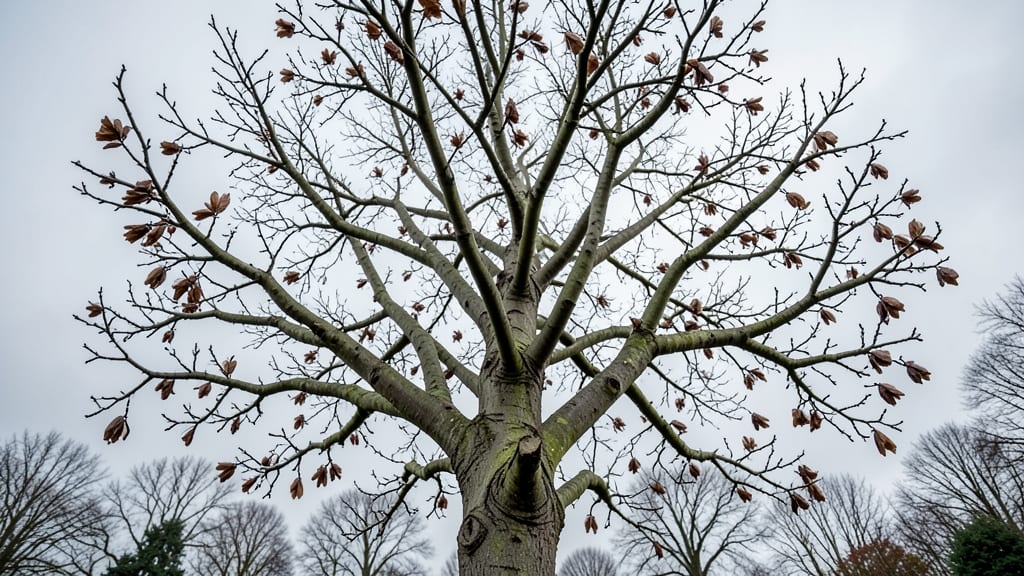
When your magnolia tree sheds leaves suddenly without the usual autumnal color shift, it’s not just a sign of early winter—it could be a silent warning of bacterial leaf blight or dieback. Unlike natural senescence, where leaves transition through hues, this condition strips branches bare almost overnight, leaving you staring at bare stems where lush foliage once thrived.
This issue often stems from wet fall conditions or contaminated pruning tools. The bacteria spread rapidly through open wounds, so if you notice leaves dropping without warning, act fast: sterilize your pruners with rubbing alcohol before making any cuts. Remove and destroy infected leaves immediately to stop the spread, and avoid overhead watering to keep foliage dry. For severe cases, consult a local arborist about copper-based bactericides.
Gardeners in humid climates or those with young magnolias are especially vulnerable—this condition can weaken trees over time if left unchecked. Early intervention is key to preserving your tree’s health and preventing further decline. 💪
Mottled Brown and Green Patchwork
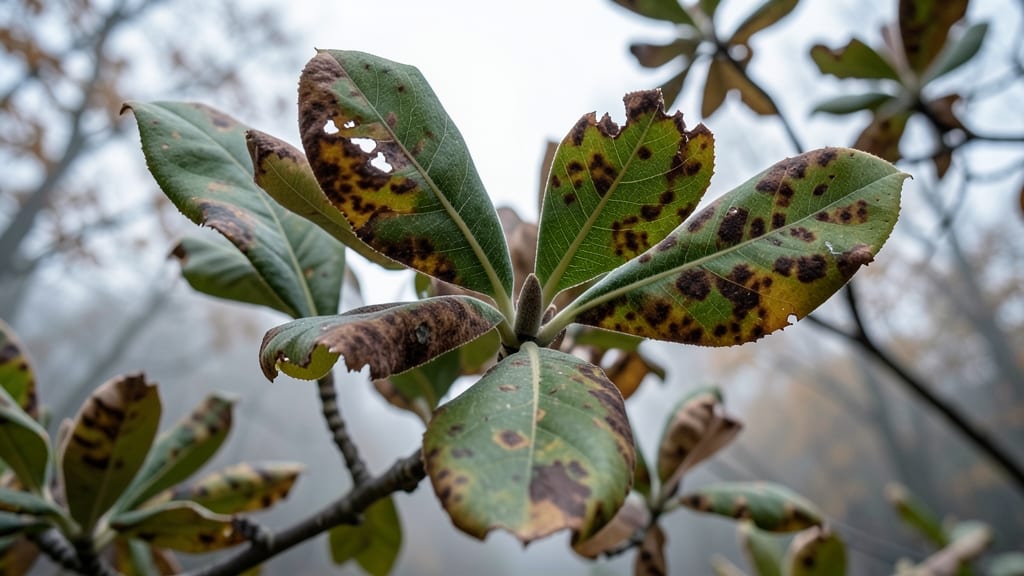
When your magnolia leaves develop a chaotic mottled brown and green patchwork, it’s not just an unusual color—it’s a warning sign of a viral infection like magnolia ring spot. Unlike fungal diseases or nutrient deficiencies, this issue has no cure, but early action can slow its spread across your tree.
The irregular brown patches often appear alongside distorted veins, and the infection typically spreads through sap-sucking insects like aphids. Since there’s no chemical treatment, your best defense is to remove and destroy infected leaves immediately—don’t compost them—and monitor nearby branches for new symptoms. Prune out heavily affected limbs in late winter or early spring when the tree is dormant.
This condition is particularly concerning for young magnolias or those in high-stress environments, as it can weaken the tree over time. If you spot these patches, act quickly to protect your investment and keep your magnolia thriving. 🌿
Silver-Gray Fuzzy Leaf Undersides
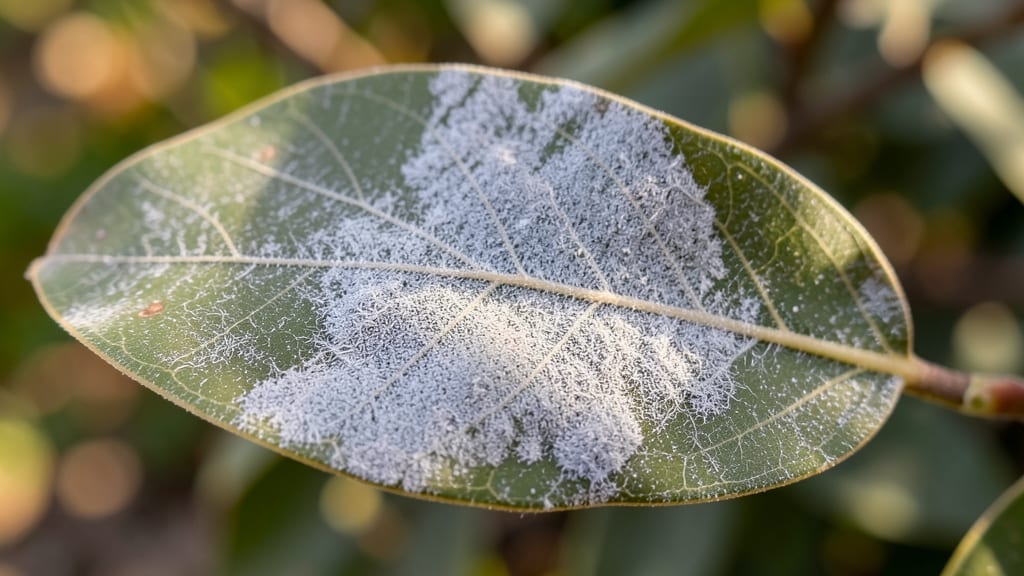
When you flip over a magnolia leaf and find a silver-gray fuzzy coating on the underside, you’re likely dealing with powdery mildew—a fungal infection that thrives in shaded, humid conditions. This issue is especially common in fall when cooler temperatures and damp air create perfect conditions for spores to spread.
To treat it, spray your magnolia with a neem oil solution (1 tablespoon per quart of water) before the tree enters winter dormancy. This natural fungicide disrupts the mildew’s life cycle while being safe for the environment. For severe cases, repeat applications every 7–10 days until new growth appears. Prune any heavily infected branches to improve airflow and reduce humidity around the foliage.
This fungal issue is particularly concerning for gardeners in shady landscapes or regions with prolonged fall rains. Addressing it now prevents the disease from weakening your tree over winter. 🌱
Healthy Bronzed Leaves with No Spots

Ever admired a magnolia tree with leaves that glow like polished copper in autumn? That stunning bronze hue isn't a sign of distress—it's a natural seasonal transformation in evergreen magnolias like Magnolia grandiflora or Magnolia virginiana. Unlike diseased leaves, these coppery tones appear uniformly across the leaf without spots or discoloration.
This beautiful change occurs when cooler temperatures trigger anthocyanin production, the same pigments that create fall colors in other plants. The leaves maintain their glossy texture and vibrant color through winter, providing year-round interest. To encourage this effect, ensure your magnolia gets morning sun and afternoon shade, and avoid over-fertilizing, which can dilute the natural color intensity.
Landscape designers love this look for its ornamental value, especially in foundation plantings where the rich tones complement autumn foliage. If you're growing magnolias for their winter appeal, this is the healthy look you want to preserve. 🌟