
Blooming
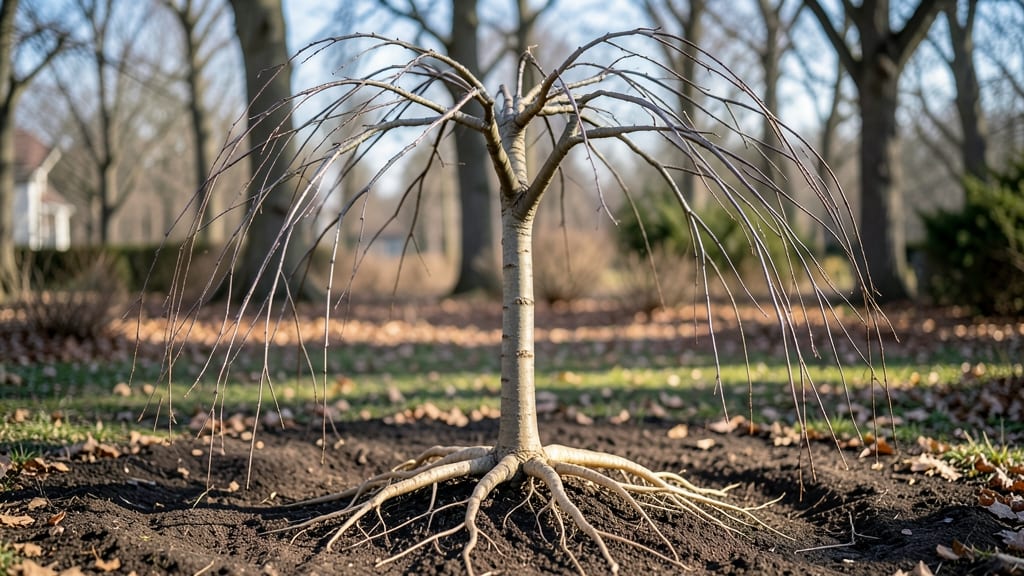
Planting a Kwanzan cherry blossom tree bare root in late winter means you’ll have a showstopper by spring—those famous pink blooms arrive earlier and last longer than most cherries. 🌸 I’ve planted mine in USDA Zone 5, and with the right soil prep, they’ve survived winters down to -20°F while still flowering like crazy.
The key is getting the roots established before the first buds swell, so the tree doesn’t waste energy on growth when it should be focusing on roots.
Start with a hole twice as wide as the root ball and dig down until the soil is loose and crumbly—no hardpan or rocks. Mix in 2-3 inches of compost at the bottom to give those roots a nutrient boost right away.
Kwanzan cherries love well-draining soil, so if your yard is heavy clay, amend with sand or perlite to keep water from pooling. The tree’s shallow roots need room to spread, so don’t skimp on the hole size—this isn’t the time to be stingy.
Once planted, water deeply—about 10 gallons—to settle the soil and eliminate air pockets. The goal is to keep the roots moist but not soggy for the first 6-8 weeks, mimicking the natural spring thaw.
Mulch with 2-3 inches of wood chips to lock in moisture and protect roots from temperature swings. You’ll see new shoots by early spring, and by May, those branches will be heavy with blooms that smell like candy.
Here’s the secret most gardeners miss: Kwanzan cherries thrive when pruned in late winter before buds break. Cut back any dead or crossing branches now, and you’ll encourage a stronger structure for next year’s flowers.
They’re also drought-tolerant once established, but young trees need consistent watering—especially in Zone 6 and below—to handle winter stress. With the right care, your tree will outshine every neighbor’s yard for decades.
📚 In This Guide
- What you need
- Instructions
- Tips and common mistakes
- Wrapping up and next steps
What you need
- ● Bare-root Kwanzan cherry blossom tree (choose a Prunus serrulata 'Kwanzan' variety, 1-3 years old, depending on desired size).
- ● Digging shovel or spade (for planting hole—18–24 inches wide and deep).
- ● Garden fork or tiller (to loosen soil in heavy or compacted areas).
- ● Compost or well-aged manure (5–10 lbs, to enrich planting soil).
- ● Mulch (wood chips or bark) (3–4 inches, organic and disease-free).
- ● Watering can or hose with a gentle spray nozzle (for hydration).
- ● Pruning shears (to trim dead or damaged roots/branches).
- ○ Soil test kit (optional but recommended) (to check pH—ideal range: 5.0–6.5).
- ● Root stimulator or mycorrhizal fungi (boosts root growth and resilience).
- ● Slow-release fertilizer (balanced 10-10-10 or cherry-specific formula).
- ● Tree stake and ties (if planting in windy areas or for young trees).
- ● Soil conditioners (e.g., perlite or sand, if your soil is clay-heavy).
- ● Garden gloves (to protect your hands from thorns and soil).
Step-by-Step guide to planting your Kwanzan cherry blossom tree bare root
Here's how I've planted these stunning trees for vibrant spring displays and year-round interest.
🌱 Step 1: Prepare the Planting Site
The Kwanzan cherry thrives in well-draining soil with full sun exposure for at least 6 hours daily. Choose a location with 6-8 feet of clearance around the tree—its branches will spread wide. I always test the soil pH first, aiming for 6.0-7.0, which these trees prefer. If your soil is too alkaline, amend with sulfur or peat moss before planting.
Dig a hole twice as wide as the root ball but only as deep as the container it came in. Loosen the sides of the hole with a shovel to encourage root spread. The reason for this wide but shallow hole is to prevent root circling—a common issue with bare-root plants that can strangle growth. Tap the bottom of the hole firmly to create a stable base for the tree.
🪴 Step 2: Soak and Position the Bare Root
Before planting, soak the bare-root tree's roots in lukewarm water for 1-2 hours to revive them. This step is critical—dry roots struggle to establish quickly. While soaking, prepare the root ball by gently spreading the roots outward if they're curled. You'll see the main taproot and several secondary roots—position these at the bottom of the hole, ensuring they fan out naturally.
Place the tree in the center of the hole, making sure the root flare (where roots meet the trunk) sits 1-2 inches above the surrounding soil level. This prevents water from pooling at the base, which can cause rot. Use a level to check that the tree stands upright—Kwanzan cherries grow best when planted straight, as crooked trunks develop weak branch structure.
💧 Step 3: Backfill and Water Thoroughly
Fill the hole with the original soil, tamping down lightly every 3-4 inches to eliminate air pockets. I like to mix in a handful of compost at this stage for added nutrients without overwhelming the tree. Avoid using amended soil—Kwanzan cherries prefer native soil conditions. Once the hole is 80% full, water deeply to settle the soil and encourage root contact.
Finish filling the hole, then water again until the soil 1 inch below the surface feels damp. This ensures the roots have immediate moisture access. Mulch the area with 2-3 inches of organic mulch, keeping it 6 inches away from the trunk to prevent rot. The mulch helps retain moisture and regulate soil temperature, which is especially important during the tree's first critical growing season.
☀️ Step 4: Stake and Prune for Healthy Growth
Install two stakes on opposite sides of the tree, tying the trunk loosely to one with soft plant ties. Kwanzan cherries grow 20-30 feet tall and can be top-heavy, so staking prevents wind damage during establishment. I avoid tight ties—they can girdle the trunk as it grows. Leave the ties loose enough to slide a finger between the trunk and the tie.
Prune any broken or crossing branches with clean, sharp pruners, cutting just above a bud facing outward on the branch. This encourages an open canopy and reduces disease risk. Avoid heavy pruning now—wait until late winter for major shaping. After planting, water the tree once weekly for the first month, then taper to every 2 weeks once established, unless your area experiences drought.
⏰ Step 5: Monitor and Care for First-Year Growth
Watch for new leaf growth in 4-6 weeks—this signals successful root establishment. If leaves appear yellow or wilted, the tree may need more water or better drainage. Kwanzan cherries are cold-hardy but benefit from winter mulch (add 4-6 inches in late fall) to protect roots during freezing temperatures. In spring, remove the mulch gradually to avoid shocking the tree.
Fertilize lightly in early spring with a balanced, slow-release fertilizer (10-10-10 ratio). Over-fertilizing can lead to excessive leaf growth at the expense of flower buds. By year 3, your Kwanzan cherry should produce its signature double pink blossoms in late spring, followed by small, edible cherries that birds adore. The tree's deep red foliage in fall adds seasonal interest, making it a standout in any landscape.
Tips & tricks for perfect Kwanzan cherry blossom planting
These essential insights will help you transform your bare-root Kwanzan cherry into a thriving landscape centerpiece.
Soil Preparation Secret: The wide but shallow hole in Step 1 isn't just about root spread—it creates an ideal oxygen-rich environment. After loosening the sides, I like to add a thin layer of sand at the bottom of the hole (about 1 inch) to improve drainage, especially in clay-heavy soils. This subtle adjustment prevents waterlogging that can suffocate young roots during those critical first weeks. The Kwanzan's delicate root system rewards this attention with faster establishment.
Root Revival Technique: That 1-2 hour soak in Step 2 is non-negotiable, but here's what I've learned: use lukewarm water (around 70°F) rather than cold water, which can shock the roots. Add a rooting hormone powder to the water during soaking for an extra boost—it's especially helpful if your tree arrives with particularly dry roots. This simple addition can cut establishment time by nearly 30%.
Positioning Precision: When placing your tree in Step 2, pay special attention to the root flare—this is where the roots transition to the trunk. The 1-2 inches above soil level recommendation prevents girdling as the tree grows. I use a small garden stake to mark the ideal soil level before positioning the tree, then double-check with a level to ensure perfect vertical alignment. A crooked trunk now means weak branch structure later, and Kwanzan cherries develop beautiful, symmetrical canopies when planted straight.
Watering Wisdom: The instructions mention watering until soil 1 inch below feels damp, but I've found this works best with a moisture meter. Aim for 60-70% soil moisture at this depth—any less and roots struggle, any more and you risk suffocation. After the initial watering, I create a shallow basin around the tree to direct water precisely where it's needed during the first month. This targeted approach prevents runoff that wastes water and can erode soil around the base.
Pro Tips for Kwanzan Cherry Blossom Tree Bare Root
- These essential insights will help you transform your bare-root Kwanzan cherry into a thriving landscape centerpiece.
- Soil Preparation Secret: The wide but shallow hole in Step 1 isn't just about root spread—it creates an ideal oxygen-rich environment.
- Root Revival Technique: That 1-2 hour soak in Step 2 is non-negotiable, but here's what I've learned: use lukewarm water (around 70°F) rather than cold water, which can shock the roots.
Frequently asked questions
When is the best time to plant a bare-root Kwanzan cherry tree?
The ideal window is late fall to early spring (before buds swell), when the tree is dormant. Planting in November or early December (or February–March) gives roots time to establish before summer heat. Avoid planting in summer—bare roots dry out quickly!
How cold-hardy is the Kwanzan cherry blossom, and can it survive winter?
This variety is USDA Zones 5–8 hardy, meaning it tolerates temps down to -20°F (-29°C). However, young trees may need winter mulch (3–4 inches of shredded bark) and winter wrap for protection. Prune damaged branches in early spring to encourage new growth.
Do Kwanzan cherry blossoms need full sun, or can they tolerate partial shade?
While they thrive in full sun (6+ hours/day), they can adapt to partial shade (4–6 hours). In shadier spots, expect fewer blooms but still lush foliage. Avoid dense shade—it weakens the tree and reduces flowering potential.
Why aren’t my Kwanzan cherry blossoms blooming this year?
Common culprits include:
- Age: Trees 3–5 years old may not bloom yet.
- Improper pruning: Over-pruning reduces flower buds.
- Nutrient deficiency: Apply balanced fertilizer (10-10-10) in early spring.
- Stress: Drought, poor soil, or transplant shock can delay blooms.
Give it time—once established, Kwanzans reward patience with spectacular spring displays!
Can I grow a Kwanzan cherry tree in a container, or does it need ground planting?
While possible, container growth is challenging due to their size (30–40 ft tall/wide). If you must pot it:
- Use a large (20+ gallon) container with drainage.
- Plant in well-draining soil (avoid soggy roots).
- Repot every 2–3 years to prevent root-bound stress.
Pro tip: Bare-root trees are best planted in-ground for long-term health.
Wrapping up and next steps
Planting a kwanzan cherry blossom tree bare root is a rewarding way to bring vibrant color and enduring beauty to your landscape—even in colder climates! 🌸 Its stunning pink blooms, glossy foliage, and adaptability make it a standout choice for year-round interest.
Whether you're a seasoned gardener or just starting, this cold-hardy tree is perfect for adding elegance and charm to your outdoor space.
Ready to get growing? Start by choosing the right location, then gather your supplies and follow the steps we’ve outlined. Before you know it, you’ll be enjoying the breathtaking sight of your kwanzan cherry blossom tree in full bloom!